After dinner, Sarah checks her smartphone and frowns at her bank app: her grocery bill has increased by $80 this month compared to last year, and her credit card balance is up by $250. Like millions of households, she is contending with rising costs—food, utilities, and fuel—while her paycheck has only grown by a modest 2% over the past year. This everyday scenario highlights the mounting challenge of managing household finances as inflation creates uncertainty and squeezes budgets.
How Inflation Directly Shapes Household Budgets
Inflation, the general rise in prices across the economy, is not just an abstract number. When household expenses grow faster than income—say, when annual price increases hit 5% but wages only rise 2%—families must make tough decisions. They might cut back on essentials, delay discretionary purchases, or rely on credit. A typical grocery list—milk, bread, vegetables—can cost $40 to $60 more per month compared to the previous year. Utility bills, which can account for $150 to $300 monthly in many regions, often rise 5% to 10% year-over-year when energy markets are volatile. Even transportation costs, such as gas and public transit, have seen increases of 6% to 12% in some urban areas.
These persistent price pressures erode savings cushions. For example, a family saving $200 a month might find that, after inflation, their real purchasing power drops by $10 to $20 monthly if prices rise by 5% to 10% annually. Over a year, that’s $120 to $240 in lost value, amplifying financial stress.
The Ramirez Family: A Realistic Inflation Scenario
How this can look in practice
The Ramirez family lives in a mid-sized city with stable rent, but food and transport costs have jumped by 8% in the past year. Maria Ramirez earns $3,800 each month from her full-time job and part-time tutoring. Their monthly grocery bill, once $600, now averages $648. Weekly takeout, which used to fit within a $100 entertainment budget, now costs $115 per week, pushing them to reduce frequency. To cover these increases, Maria sometimes dips into their $5,000 emergency savings or uses credit cards, where balances carry an average annual percentage rate (APR)—the yearly cost of borrowing—between 18% and 29%.
Many households with tight margins experience this first: inflation hits day-to-day cash flow, forcing choices between essentials and quality-of-life expenses. Coping often means delaying non-urgent purchases or switching to lower-cost alternatives, sometimes at the expense of convenience or nutrition. Drawing down savings or increasing credit utilization—the ratio of credit used to available credit, ideally kept below 30%—can lead to long-term vulnerability if inflation persists.
When inflation is unpredictable, traditional budgeting methods—such as fixed monthly categories—may no longer fit actual spending, making planning more complex.
Key Inflation Trends to Monitor for Smarter Planning
Inflation is rarely uniform. Economists expect it to fluctuate due to factors like supply chain disruptions, energy price swings, and shifting consumer demand. Some categories may see double-digit cost increases, while others remain flat or even decrease. For example, transportation costs can spike by 6% to 12% in a year due to fuel volatility, while electronics prices may drop by 1% to 3% as technology advances.
Food prices, which make up 10% to 15% of many household budgets, often rise 4% to 8% annually during periods of supply shocks or poor harvests. Monitoring which categories are inflating fastest helps families adjust their budgets strategically.
For example, if a family’s transportation costs rise from $300 to $318 per month (+6%), reallocating $18 from discretionary categories can offset the increase. Tracking such shifts enables more informed financial adjustments, such as postponing large purchases until prices stabilize.
Tactical Budgeting: Adapting to Inflation in Real Time
"Flexible budgeting"—adjusting spending categories monthly—has become essential. Rather than sticking to rigid allocations, households can shift funds as prices change. For instance, if groceries unexpectedly cost $50 more one month, reducing entertainment or clothing spending by a similar amount can help maintain balance without resorting to credit.
"Rolling forecasts" involve updating expense projections every two to four weeks, not just at the start of each month. This practice increases responsiveness to price or income changes—a crucial habit when inflation is volatile.
Where flexible budgeting helps
- Allows quick adjustments to changing cost conditions.
- Reduces surprise overspending.
- Keeps financial stress manageable through proactive planning.
Where caution is needed
- Requires discipline and regular review.
- May lead to inconsistent saving patterns if not carefully managed.
Another approach is "inflation indexing"—gradually increasing savings goals in line with inflation. While personal income doesn’t adjust automatically, aiming to boost savings by 3% to 5% annually can help preserve purchasing power when average inflation runs in that range.
| Strategy | What It Entails | Key Advantage | Potential Risk |
|---|---|---|---|
| Flexible Budgeting | Adjust budget categories monthly based on cost changes. | Increased adaptability. | Needs consistent monitoring. |
| Rolling Forecasts | Regularly update expense projections every few weeks. | Better anticipation of cash needs. | May induce stress from frequent re-planning. |
| Savings Indexing | Increase savings goals aligned with expected inflation. | Preserves purchasing power. | Requires reliable inflation estimates. |
Worked Example: Suppose a family’s monthly grocery budget was $600 in 2023. If food prices rise by 8% in 2024, the new budget should be $600 × 1.08 = $648. To offset this $48 increase, they might reduce dining out from $120 to $72 per month (a $48 cut), keeping total food spending steady without increasing overall expenses.
No single tool solves all challenges, but combining flexible budgeting, frequent reviews, and inflation-aware saving can help households stay resilient.
How Borrowing Decisions Shift as Prices and Rates Rise
Inflation affects borrowing costs. When prices rise, central banks often raise interest rates to slow inflation, which pushes up rates on credit cards, mortgages, and personal loans. Credit card APRs—the yearly interest rate charged on unpaid balances—commonly fall between 18% and 30%. For variable-rate loans, payments can rise quickly if benchmark rates increase by 1 to 3 percentage points in a year, raising monthly payments by $50 to $200 on larger debts.
Carrying balances on credit cards becomes more expensive as rates climb. Making only minimum payments, which can be as low as 2% of the balance, may result in interest charges exceeding new purchases—creating a debt spiral if inflation persists.
Advantages of Fixed-Rate Borrowing in Inflationary Times
- Locks in predictable payments despite rising rates.
- Helps with stable budgeting over loan duration.
- Reduces exposure to surprise rate hikes.
Challenges with Adjustable-Rate Loans During Inflation
- Payments may increase unexpectedly as benchmark rates shift.
- Harder to forecast long-term repayment costs.
- Increased risk if income growth lags behind rate hikes.
Choosing between fixed and adjustable rates is crucial. Fixed-rate loans offer payment stability, while adjustable-rate loans (ARMs) can become unpredictable if interest rates rise.
How this can look in practice
Mark refinanced his mortgage with a fixed rate at 5.25% just before rates increased. His monthly payment is $1,350, slightly higher than his previous variable-rate payment of $1,250. If rates had risen by 1.5 percentage points, his old payment could have jumped to $1,400, so locking in a fixed rate protects his budget from future increases.
Anticipating these rate changes and understanding terms like APR and amortization (the schedule of loan repayment over time) help households manage debt costs as inflation and interest rates shift.
Planning for Long-Term Goals When Inflation Is Uncertain
Long-term financial goals—such as buying a home, funding education, or saving for retirement—require careful planning when inflation is unpredictable. Even a 3% annual rise in costs compounds significantly over decades. For example, college tuition, which may increase by 4% to 6% per year, can double in 12 to 18 years. Retirement expenses, projected over a 25- to 30-year horizon, can be 2 to 2.5 times higher than today’s costs if inflation averages 3% to 4% annually.
Families can revisit timelines and increase savings targets as needed. For instance, increasing emergency funds from three months’ expenses to six months (e.g., from $7,500 to $15,000 for a household with $2,500 monthly expenses) adds a buffer against inflation shocks.
Building in conservative assumptions and regularly increasing contributions by 3% to 5% per year can help families keep pace with rising costs and stay on track toward their long-term goals.
Tools and Resources to Track and Respond to Inflation
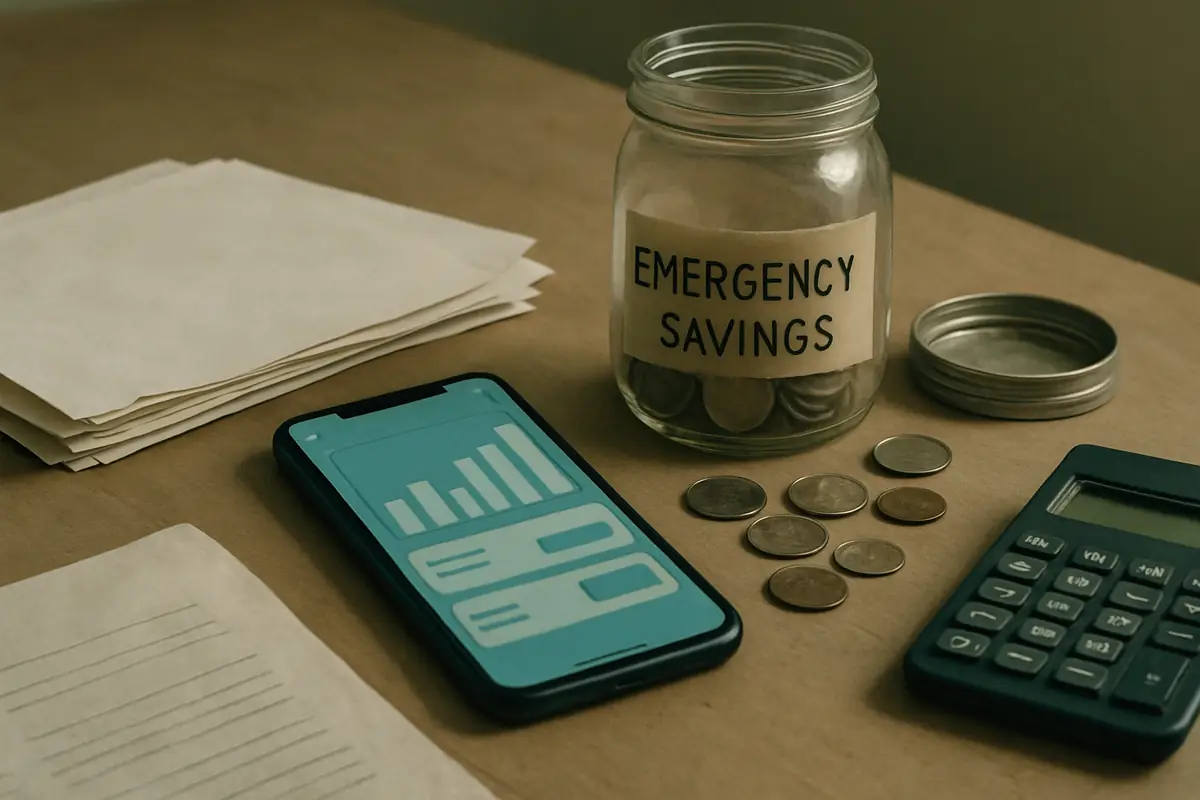
Technology offers practical ways to monitor inflation’s effects. Budgeting apps can track spending trends and alert users when certain categories—like groceries or utilities—rise by more than a preset threshold (e.g., 5% in a month). Some apps include features that project future expenses based on inflation rates, helping households plan ahead.
Community resources, such as local financial literacy workshops, may provide region-specific insights on cost-of-living changes. These programs often address real-world inflation impacts, such as rising rent or healthcare costs, and offer actionable tips for managing budgets.
Benefits of Using Digital Tools
- Automates tracking so users notice changes early.
- Can provide personalized tips based on actual spending.
- Encourages disciplined review habits through reminders.
Limitations And Cautions
- Data privacy concerns with financial information.
- Overreliance might reduce manual understanding.
- Sometimes alerts cause unnecessary anxiety.
Balancing digital monitoring with regular, thoughtful review helps households leverage technology while keeping financial goals and emotional wellbeing in focus.
Risks of Rigid Planning in an Inflationary Environment
Where readers should be careful
Rigid financial plans that ignore inflation variability can quickly become outdated, leading to surprise debt or missed goals. For instance, a fixed budget that fails to adjust for a 10% jump in utility costs may force difficult choices, such as skipping necessary healthcare or falling behind on bills. Ignoring the emotional toll of rising costs can also increase stress and reduce resilience. Recognizing and planning for these risks encourages a blend of structure and flexibility to protect against both market swings and personal setbacks.
How Household Inflation Planning Is Evolving
Household finance is moving toward dynamic budgeting powered by real-time data. In the coming years, more apps will connect directly to spending accounts, using artificial intelligence to predict price changes and suggest timely adjustments. For example, an app might alert Sarah in advance of a projected 6% rise in grocery costs, allowing her to adjust her budget before prices spike. However, technology alone cannot replace practical habits: adaptability, regular review, and emotional resilience remain essential for successful financial management.
Emerging Technologies for Tracking Inflation
Inflation is increasingly shaped by global events and rapid technological change. Advanced data analytics and artificial intelligence now help track inflation in real time, analyzing millions of consumer prices from retail, housing, and commodities. These tools can highlight when specific expenses—such as rent or groceries—rise by 5% or more in a single quarter, enabling faster and more targeted responses by both consumers and financial planners.
Blockchain technology is also being used to create transparent, tamper-proof records of prices across markets. By reducing errors and manipulation in inflation data, blockchain can increase trust and make accurate inflation tracking more accessible. As these technologies mature, they will empower households to anticipate inflationary trends and adjust financial plans with greater confidence and speed.
Building Inflation-Resistant Investment Strategies
With inflation volatility expected to persist, many investors are seeking assets that protect purchasing power. Traditional fixed-income investments, like standard bonds, may lose value when inflation outpaces their yields. In contrast, real estate can offer inflation resistance, as rents and property values often rise 2% to 5% annually during inflationary periods. Commodities such as gold and energy have historically served as hedges, with prices sometimes rising 10% to 20% during inflation spikes.
Equities in sectors with pricing power—like technology, healthcare, and consumer staples—often maintain or grow profits even as costs rise. Treasury Inflation-Protected Securities (TIPS) adjust their principal with the Consumer Price Index, directly countering inflation’s effect. A diversified portfolio blending these options, with expense ratios (the annual cost of managing an investment fund) kept below 1%, can help manage risk and preserve value in uncertain times.
Behavioral Factors in Inflation Planning
Behavioral finance reveals how people’s reactions to inflation can undermine their plans. Cognitive biases—such as loss aversion (feeling losses more intensely than gains) or hyperbolic discounting (favoring immediate rewards over long-term benefits)—may lead to overspending or delayed adjustments. Recognizing these patterns allows for better communication and planning. For example, framing savings goals in terms of future buying power, or using visual tools to show how $1,000 loses value with 5% annual inflation, can motivate more disciplined financial habits.
Addressing both emotional and factual aspects of inflation helps families stay resilient, reducing the risk of reactive decisions that could harm long-term security.
Government’s Role in Supporting Households Through Inflation
Managing inflation is not solely the job of central banks. Governments can help by indexing social security payments and unemployment benefits to inflation, ensuring vulnerable populations maintain purchasing power when costs rise by 3% to 6% annually. Policies encouraging affordable housing and energy efficiency can address major inflation drivers—rent and utilities—which often make up 30% to 40% of household budgets. Transparency measures that reduce price gouging during supply chain disruptions also protect consumers. By integrating these supports, governments can cushion the impact of inflation and help families maintain financial stability over time.