Household budgets often collapse when everyday expenses grow at a pace that outstrips income. For example, over the past five years, many families have seen their monthly grocery bills rise by 20% to 35%, while their paychecks increased by less than 10%. This financial mismatch isn't caused by poor planning but by the unpredictable timing and magnitude of cost increases, combined with pay that lags behind. As a result, families are forced to make tough choices, navigating a landscape where old budgeting rules feel increasingly out of touch.
The Unseen Acceleration of Expense Growth
Household expenses rarely move in steady, predictable steps. Utility bills can jump by $50 to $200 during a single harsh winter month, while gas prices fluctuate by 10% to 25% within a year. Medical costs can spike suddenly—an emergency room visit may add an unplanned $1,000 or more to a family’s bills. Even routine expenses like groceries climb unevenly, with some staples increasing 5% to 15% in just twelve months. Meanwhile, wage growth for many households is modest, often below the pace of inflation, which has averaged 2% to 8% annually in recent years. This persistent gap means that, even with careful tracking, outgoing money can outpace income before families have a chance to adjust.
Irregular but essential costs—such as car repairs that can range from $300 to $1,500 or annual school fees of $200 to $800—often arrive without warning. The result is a cash flow crunch that feels chronic: even if expenses and income seem to balance on paper, the real-world timing and unpredictability of costs can quickly push a budget into the red.
Timing and Pay Cycles Reveal Budget Vulnerabilities
Budgeting success depends not just on totals but on when money comes in versus when bills are due. Many workers are paid every two weeks or monthly, while expenses like rent, utilities, and childcare can be due at different times, creating periods when cash runs short. For example, if a family’s rent of $1,400 is due on the first of the month but their paycheck arrives on the fifth, they may need to rely on credit cards, which commonly have annual percentage rates (APRs)—the yearly cost of borrowing—between 18% and 30%.
Consider a household with biweekly paychecks of $1,200 each, facing $3,000 in bills spread throughout the month. If a $600 car repair hits right after payday, their planned cash flow is disrupted. Without a cushion, they may have to delay payments or borrow at high interest, compounding future problems. These timing mismatches can lead to missed payments, late fees (often $25 to $40 per incident), or emergency borrowing that increases long-term costs.
How this can look in practice
The Ramirez family saw their grocery costs rise from $600 to $720 in six months, while Jorge's overtime income dropped by $200 per month due to company cutbacks. When a $150 school trip fee coincided with a $90 increase in winter utility bills, they had to juggle payments and withdraw $250 from their savings—money they had hoped to reserve for emergencies.
The Emotional Impact of Persistent Budget Gaps
Financial strain is more than a numbers game—it’s a daily reality marked by stress and difficult decisions. Surveys show that 45% to 55% of families describe budgeting stress as “constant.” The pressure of deciding which bills to pay or which essentials to cut can lead to anxiety, sleepless nights, and strained family relationships. When families must say no to both wants and needs—such as skipping a $60 family outing or postponing a $200 dental visit—confidence in financial management erodes. This stress can spill over, affecting everything from meal planning to children’s activities, and can lead to decision fatigue that makes future budgeting even harder.
Over time, repeated shortfalls and trade-offs can cause families to feel as though they are always behind, undermining their sense of security and stability. This emotional toll often leads to conflict over spending priorities, with communication breakdowns that further complicate financial decision-making.
Traditional Budgeting Tools Often Miss the Mark
Many budgeting methods assume steady income and predictable expenses, but real-world finances are rarely so orderly. For instance, fixed expense categories may not account for a $500 car insurance premium due every six months or fluctuating utility bills that can swing by $100 or more seasonally. Rigid tools can obscure the need for flexibility, making it hard to reallocate funds when priorities shift. Incomes that vary—such as from seasonal work, commissions, or gig jobs—are common, with 25% to 35% of households reporting irregular pay. These fluctuations make it difficult to stick to static budgets, leading many to abandon traditional tools when they can’t reconcile plans with reality.
Emergency Savings: A Critical Buffer for Financial Shocks
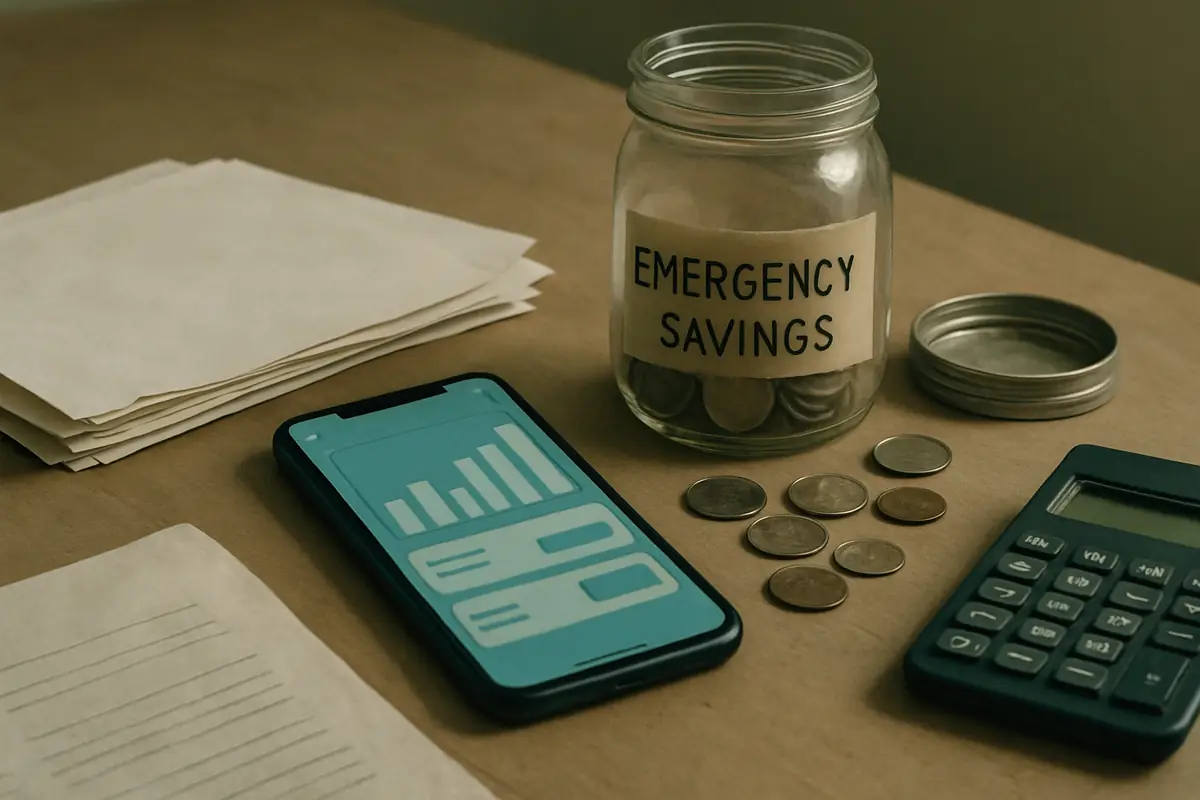
An emergency fund serves as a financial buffer, absorbing shocks from sudden expenses. Financial planners often recommend saving three to six months’ worth of living expenses, but in practice, nearly 40% to 60% of households have less than $1,000 set aside. Building even a small cushion—such as $500—can help avoid high-interest debt when faced with a $300 car repair or a $400 medical bill. Without this reserve, families often turn to credit cards or payday loans, which may carry APRs of 18% to 36% or more, trapping them in cycles of debt that deepen financial strain.
For example, if a family covers a $600 emergency with a credit card at a 24% APR and pays it off over 12 months, they’ll pay about $80 in interest—money that could have been saved with an emergency fund. Establishing these buffers, even gradually, shifts the focus from perfect monthly balancing to resilience in the face of inevitable financial bumps.
Where readers should be careful
Neglecting emergency savings increases the risk of falling into debt cycles, as unplanned costs are often covered by borrowing at high interest rather than with funds set aside in advance.
Trade-Offs: Navigating Hard Choices When Expenses Outrun Income
When costs rise faster than paychecks, families are forced to make difficult trade-offs. Delaying non-urgent medical care, skipping car maintenance, or reducing grocery spending are common strategies, but each comes with risks. For example, postponing a $150 doctor visit could lead to a more serious $1,200 emergency later. Cutting heating in winter to save $50 a month can impact health and comfort. These decisions involve weighing immediate needs against future consequences—a complex calculation that rarely has perfect answers.
For instance, Paula reduced her heating bill by $60 per month during winter, anticipating $300 in upcoming school fees. This decision, while saving money short-term, led to discomfort and increased stress for her family. Each cut carries hidden costs, from morale and health to the risk of more expensive problems down the line.
How this can look in practice
After Marcus lost his job and household income dropped by $1,500 per month, he cut dining out from $200 to $40 and delayed replacing $400 tires on the family car. While this helped cover rent and utilities, the risk of a breakdown increased—a trade-off familiar to many living paycheck to paycheck.
Flexible Budget Practices for a Changing Financial Landscape
Budgets that adapt to changing circumstances are more effective than rigid plans. Reviewing cash flow weekly or biweekly, instead of monthly, helps families spot pressure points early. For example, tracking when large bills are due versus when pay arrives can reveal gaps that require planning. Allocating $50 to $100 per month as a buffer in variable expense categories—like groceries or transportation—provides breathing room for surprise costs. Separating irregular income from core expenses also helps set realistic expectations and prevents spending money before it’s received.
Worked Calculation Example:
Suppose a family’s monthly take-home income is $3,200. Their fixed expenses (rent, utilities, insurance) total $2,100. They budget $500 for groceries, $200 for transportation, and $200 for discretionary spending. One month, an unexpected $400 car repair occurs. If they have a $100 monthly buffer built into their transportation budget, they only need to find an additional $300. By temporarily reducing discretionary spending to $50 and groceries to $450, they can free up $200 more. The remaining $100 might come from dipping into a small emergency fund, allowing them to cover the repair without resorting to high-interest debt.
The Psychological Toll of Rapidly Rising Expenses
When household costs outpace pay, the resulting stress can trigger psychological responses that worsen financial problems. Individuals may feel overwhelmed and begin to avoid addressing budget shortfalls, leading to missed payments or impulsive borrowing. Over time, this pressure can erode motivation to maintain a budget, especially when every effort seems to fall short. Recognizing these emotional barriers is key to developing practical strategies that emphasize gradual improvement instead of unrealistic perfection.
The anxiety of unbalanced budgets often affects more than finances—it can disrupt mental health and family relationships. Arguments over money, blame for overspending, and children sensing parental stress are all common outcomes. Addressing these issues requires more than just adjusting numbers; it calls for open conversations and, in some cases, professional support to rebuild trust and foster a team approach to managing limited resources.
Identifying Variable and Hidden Expenses That Undermine Budgets
Budgets often fail because variable or hidden expenses are underestimated or overlooked. These include irregular medical bills (which can range from $100 to $1,000 per incident), annual vehicle maintenance ($300 to $1,200), and seasonal utility spikes (sometimes adding $50 to $250 to a single month’s bill). Lifestyle inflation—gradually spending more as income rises—can also creep in, with small daily purchases adding up to $100 or more each month.
Recurring subscriptions and memberships, often $10 to $50 each, can accumulate unnoticed. A household with five such subscriptions could be spending $250 to $600 annually on services they rarely use. Regularly reviewing bank and credit card statements helps identify and eliminate these hidden drains, freeing up funds for more pressing needs.
Inflation’s Role in Outpacing Household Earnings
Inflation—the general rise in prices over time—directly impacts household budgets. Essentials like food, housing, and healthcare have seen price increases of 3% to 10% per year in recent periods. When wages grow more slowly, real purchasing power declines. For example, if a family’s rent rises by $100 annually but income increases by only $50, they must find ways to cover the $50 gap. Over several years, these gaps accumulate, forcing families to devote a larger share of their income to necessities and leaving less for savings or discretionary spending.
Fixed-income households, such as retirees or contract workers, are especially vulnerable, as their earnings may not adjust for inflation. Understanding how inflation affects each expense category enables families to anticipate rising costs and seek options such as cost-of-living adjustments or supplemental income sources.
Strategies for Realigning Budgets When Income Stagnates
When paychecks remain flat while expenses climb, proactive steps can help prevent budget collapse. Prioritizing essential spending—such as housing, utilities, and food—ensures critical needs are met first. Categorizing expenses as must-haves versus wants clarifies where cuts will have the least impact. Setting realistic expectations about necessary lifestyle changes makes transitions smoother in lean periods.
Seeking additional income streams is another practical tactic. This might include part-time work, freelance gigs, or monetizing hobbies—efforts that can bring in an extra $100 to $500 per month. Even modest increases in cash flow can help bridge gaps and reduce reliance on high-interest debt, which can quickly grow out of control if left unchecked.
Using Technology to Strengthen Budget Management
Personal finance apps and digital tools have made it easier to manage budgets in the face of rising expenses. Many platforms automatically track transactions, categorize spending, and set savings goals. Real-time alerts when nearing spending limits and reminders for upcoming bills help users avoid late fees and overdraft charges, which can range from $25 to $35 each. Some apps use artificial intelligence to analyze spending patterns and suggest personalized adjustments, while forecasting tools project future cash flows based on planned expenses and expected income changes. Leveraging these features can help families anticipate cost spikes and adjust proactively, rather than scrambling to react after the fact.
Case Study: How a Family Adapted Their Budget to Rising Costs
How this can look in practice
The Johnson family, a typical middle-income household, faced stagnant wages while their living costs rose by over $300 per month in a single year. Mounting credit card balances from a $1,200 medical emergency and $350 in school supply expenses forced them to reassess their budget.
By tracking all transactions through a budgeting app and labeling each as essential or discretionary, they identified $80 per month in unused subscriptions and negotiated $40 monthly savings on utilities by enrolling in an energy efficiency program. Both parents took on freelance projects, earning an extra $250 to $400 per month. Over nine months, these steps enabled them to pay down $1,500 in debt and build a $600 emergency fund, improving their resilience against future unexpected expenses.
References
- https://www.consumerfinance.gov/consumer-tools/educator-tools/your-money-your-goals/
- https://www.fdic.gov/resources/consumers/
- https://www.federalreserve.gov/publications/report-economic-well-being-us-households.htm
- https://www.fdic.gov/resources/consumers/money-smart/
- https://www.federalreserve.gov/consumerscommunities/shed.htm