Payday loans occupy a contentious space in short-term borrowing markets, often criticized yet frequently utilized. In the current economic climate where unexpected expenses arise rapidly, these loans are a quick-access tool for many households. However, the advertised benefits frequently obscure the true financial obligations borrowers face. This article deconstructs common myths about payday loans through realistic borrower scenarios, highlighting the real costs, contract complexities, and repayment pressures that underpin this financial product.
Scenario 1: Household Cash Flow Crunch—Understanding the Immediate Cost
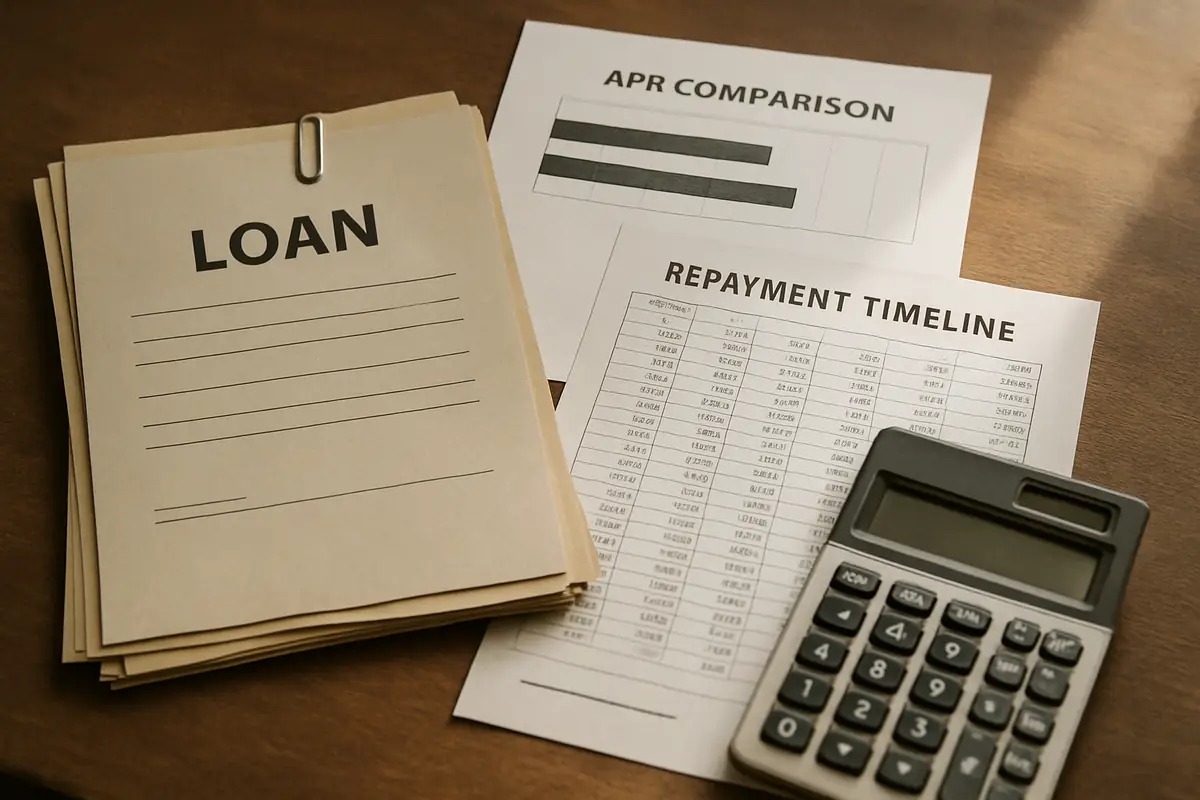
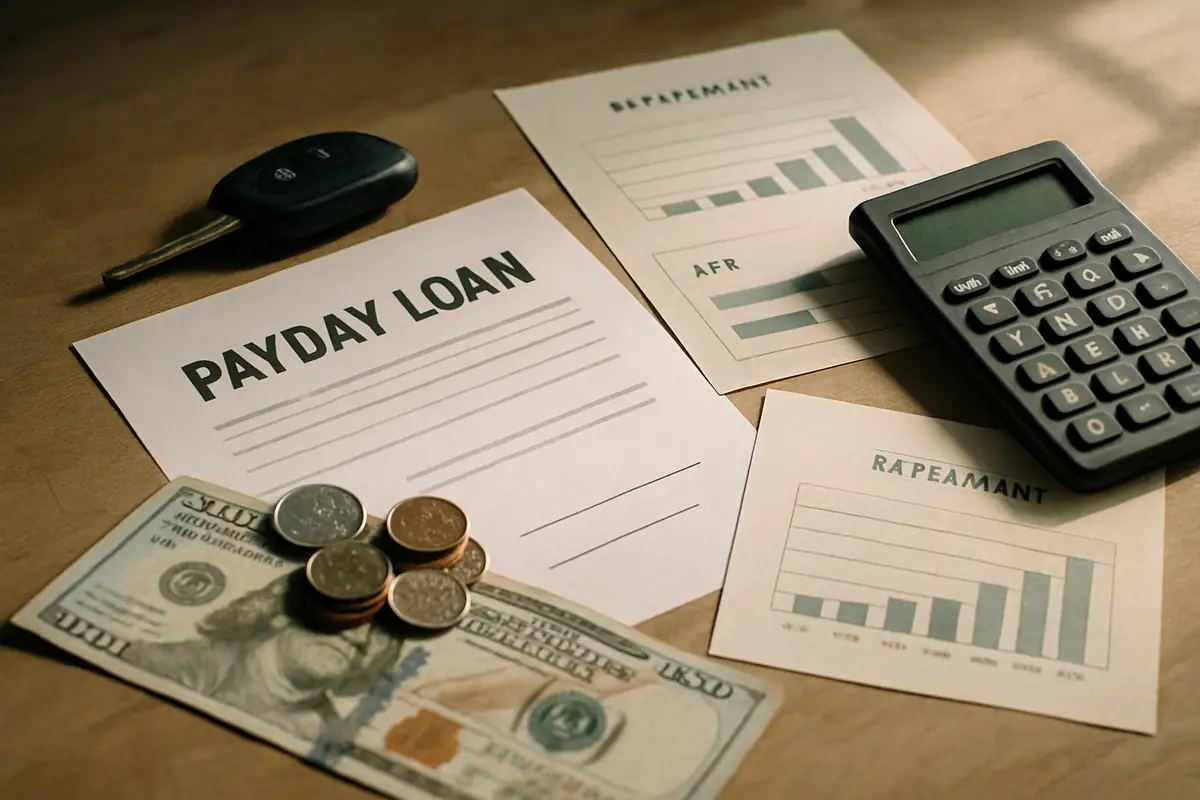
Consider the case of Maria, who needs $500 to cover an urgent car repair before payday arrives in two weeks. She approaches a payday lender offering a $500 loan with a fee of $75 due in 14 days. The fee represents an annual percentage rate (APR) of approximately 391%, calculated by extrapolating the $75 cost over the short term to an annual period. APR expresses the total yearly cost of borrowing including fees and interest, enabling standardized comparison across loans with different terms.
Maria’s loan requires repayment of $575 in two weeks. If she fails to repay on time and rolls over the loan with an additional $75 fee, her obligation grows quickly. This scenario illustrates how payday loans’ headline costs translate into extremely high APRs despite small nominal fees due to short term lengths.
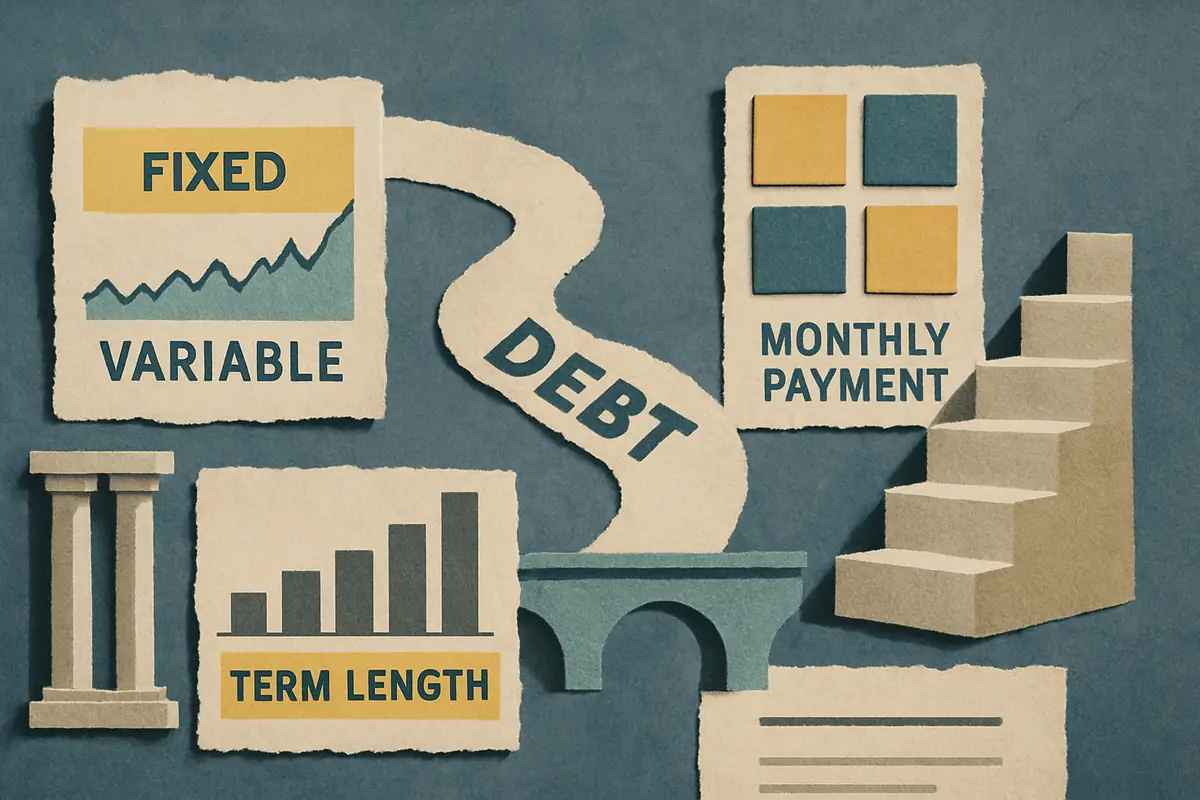
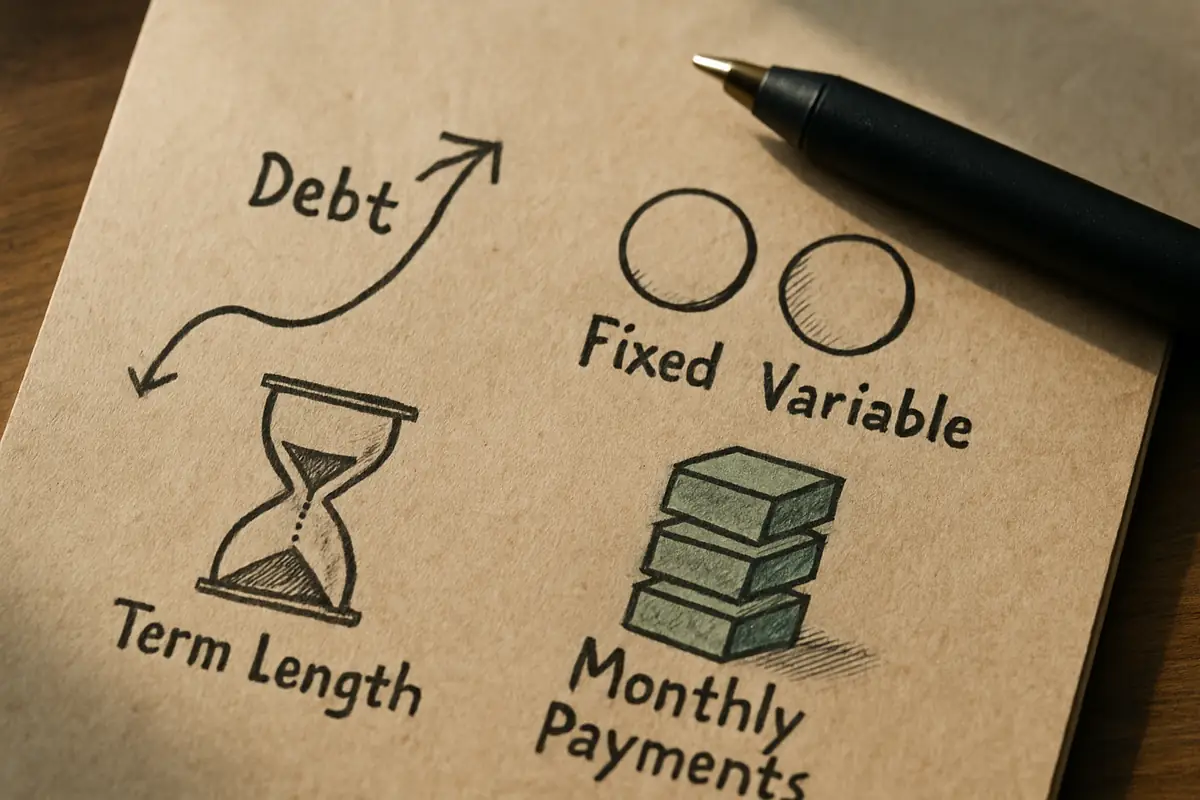
Fees vs Interest Rate
Payday loans often charge flat fees instead of interest; when expressed as APRs over short terms, these fees convert into very high rates.
Term Length Importance
Short terms (commonly 14 days) magnify the appearance of cost when annualized.
Repayment Deadline
Full repayment is due at once at term end; partial payments usually do not reduce costs or extend terms without extra fees.
Scenario 2: Contract Terms and Risks—Where Advertising Can Mislead
Jason takes out a $300 payday loan advertised as having no credit check and instant approval. The contract specifies a fixed fee of $45 payable in 14 days. While upfront costs seem clear, small print reveals penalties for late payment include additional fees and possible negative reporting to credit bureaus. Some contracts also allow lenders to withdraw funds directly from bank accounts without additional consent—a practice known as automatic debit authorization or ACH withdrawal.
Such clauses create repayment pressure beyond principal and fee amounts. Borrowers may see multiple debits in rapid succession if funds are insufficient initially, triggering overdraft fees from their banks. These hidden contractual features increase overall cost and risk substantially beyond advertised figures.
Where readers should be careful
Borrowers must carefully review payday loan contracts for repayment conditions, penalties for late or partial payments, and authorization for electronic fund transfers. Contractual ‘fine print’ can impose significant unexpected costs even if initial fees appear transparent.
Scenario 3: Repayment Pressure and Refinancing Cycles
Angela borrows $400 today with a $60 fee due in 14 days. She cannot repay on time because her paycheck was delayed by three days. Unable to repay $460 immediately plus added penalties totaling $25, Angela rolls over the loan for another two weeks by paying only the penalty. This recycling extends her debt cycle and increases total cost.
Repeated rollovers accumulate fees rapidly; after four rollovers within two months, Angela has paid $180 in fees on top of principal—effectively doubling her original expense for what she initially thought was a brief cash advance. This refinancing cycle creates ongoing financial strain with compounding penalties rather than resolving short-term needs efficiently.
| Factor | Explanation | Typical Range/Example |
|---|---|---|
| APR (Annual Percentage Rate) | Total yearly borrowing cost including all fees and interest expressed as a percentage. | 300% - 900% for payday loans |
| Term Length | Loan duration typically 7-30 days; most commonly 14 days. | 14 days |
| Origination Fees | Flat charge per loan often between 10% - 25% of principal. | $30 - $75 on $300 - $500 loan |
| Late Fees/Penalties | Additional charges if payment is late or missed. | $15 - $50 per incident |
| Repayment Method | Single lump sum required at term end; sometimes automatic withdrawal authorized. | One-time payment |
Scenario 4: Collateral Misconceptions—Payday Loans Are Usually Unsecured But Not Without Risk
Many believe payday loans always require collateral such as property or vehicles; however, these products are typically unsecured meaning they do not require an asset pledge at origination. Instead, lenders mitigate risk by requiring access to borrowers’ checking accounts for automatic repayments and by charging high fees
Though no physical collateral is taken, automatic bank withdrawal rights function effectively as indirect collateral because failure to repay can trigger multiple withdrawals until funds deplete or overdraft occurs. Overdrafts generate bank fees adding to borrower expenses indirectly linked to the loan.
What Borrowers Often Overlook: The True Cost Beyond Fees
Borrowers focus on headline fees but underestimate the impact of compounded financial consequences such as overdrafts caused by failed withdrawals or repeated rollovers that increase cumulative fees beyond initial expectations. High APRs reflect these realities mathematically but do not capture all borrower experiences fully when non-fee penalties apply.
{'text_content': '', 'entity_map': {}}
scenario_example_2_correction_1_snippet_movelon_0_placeholder_truncation_error_bulk_split_3_finance_table_warning_box_info_menu_stat_box_pros_cons_quote_takeaway_faq_h2_h3_paragraph_numbered_list_bullet_list_lead
The Impact of Payday Loans on Credit Scores
A common misconception about payday loans is that they always negatively impact your credit score. In reality, payday lenders typically do not report to major credit bureaus unless the loan goes into default and is sent to collections. This means timely repayment of a payday loan may have little to no effect on your credit history. However, if the loan is not repaid on time, the lender might sell the debt to a collection agency, which can then report the delinquency and damage your credit score significantly. It’s important for borrowers to understand this distinction because avoiding late payments can help preserve their credit, even when using short-term loans.
Moreover, some newer payday lending companies have started partnering with credit reporting agencies to offer positive reporting for on-time payments. This emerging trend could help consumers build or improve their credit profiles through responsible payday loan usage. While not widespread yet, this shift may alter how payday loans fit into broader credit management strategies in the future. Understanding these nuances allows borrowers to make informed decisions instead of assuming all payday loans are detrimental to their long-term financial health.
Regulations and Consumer Protections
Another myth surrounding payday loans is that there are no regulations protecting consumers from predatory practices. While it’s true that payday lending has been criticized for high costs and aggressive collection tactics, many states have enacted laws to regulate interest rates, fees, and repayment terms. For example, some states cap the maximum allowable interest rate or require lenders to offer extended payment plans under certain conditions. These regulatory measures aim to reduce borrower exploitation and provide safer borrowing options within the short-term lending market.
On a federal level, agencies like the Consumer Financial Protection Bureau (CFPB) monitor payday lending practices and have proposed rules designed to ensure lenders assess borrowers’ ability to repay before issuing loans. Although these regulations continue to evolve, they reflect growing recognition of payday lenders’ responsibilities towards consumer protection. Borrowers should familiarize themselves with both state and federal rules applicable in their area, as these laws can significantly influence terms and conditions offered by payday lenders.
Alternatives to Payday Loans Worth Considering
While payday loans serve an immediate cash need for many consumers, they are not always the best or only option available. Alternatives such as personal installment loans, credit union short-term loans, or even borrowing from family and friends often come with lower interest rates and more manageable repayment schedules. Exploring these options can minimize financial strain and reduce the risk of falling into a cycle of debt that sometimes accompanies repeated payday borrowing.
Some employers now offer paycheck advance programs that allow workers to access a portion of their earned wages before payday without high fees or interest charges. Additionally, community assistance programs and non-profit organizations may provide emergency funds or grants during financial hardships. By researching and comparing alternatives, consumers can find solutions better suited to their needs while preserving financial stability over the long term.
Understanding the True Cost: APR vs. Loan Term
Payday loans frequently receive criticism due to their extremely high annual percentage rates (APRs), which can exceed 300% in some cases. However, this number is somewhat misleading when evaluating affordability because these loans typically have very short terms—often just two weeks—rather than a year-long duration. When viewed over such a brief period, the actual dollar cost may be more reasonable relative to other forms of emergency credit.
Nevertheless, borrowers must be cautious about rolling over or renewing loans multiple times since each renewal compounds costs rapidly and turns the short-term obligation into a long-term financial burden. Calculating total expenses based on loan term length rather than APR alone provides clearer insight into affordability. Educating oneself about how fees accumulate and affect total repayment helps prevent misunderstandings about what makes payday borrowing expensive versus manageable.
"Rollovers" and Debt Cycles: What You Need to Know
"Rollovers" occur when borrowers extend the repayment period of their payday loans instead of paying them off by the original due date. Some consumers mistakenly believe this option simply delays payment without added costs; however, rollovers generally come with additional fees that increase total debt obligations substantially. Frequent rollovers can trap individuals in cycles where debt grows faster than they can repay it, exacerbating financial stress rather than alleviating it.
Avoiding rollover traps requires proactive budgeting and seeking assistance before falling behind on repayments. Some states limit or prohibit rollovers precisely because they contribute heavily to debt spirals among vulnerable populations. Educating oneself about rollover policies at specific lenders can empower borrowers to recognize warning signs early and pursue alternatives such as renegotiated payment plans or nonprofit credit counseling services.
"Everyone Uses Payday Loans": Dispelling Usage Myths
"Everyone uses payday loans" is a pervasive myth that simplifies borrower demographics inaccurately. In reality, usage varies widely across income levels, geographic regions, and financial literacy rates. Research shows that many users turn to payday lending only as a last resort during emergencies rather than as routine financial management tools. Furthermore, certain groups—including younger adults facing job instability or individuals with limited access to traditional banking—are more likely to rely on these services.
"Everyone" does not mean every demographic or community; understanding who uses payday loans helps tailor education efforts toward vulnerable populations who might benefit most from alternative resources or financial guidance. Highlighting this complexity shifts conversations away from blanket judgments toward nuanced policies aimed at targeted support rather than stigmatization.
Understanding the True Cost of Payday Loans
Many consumers assume that payday loans are simply expensive versions of traditional loans, but the reality is far more nuanced. The cost structure of payday loans includes not just interest rates, but also fees and penalties that accumulate rapidly if the loan isn’t repaid on time. For example, a typical payday loan might charge a fee of $15 for every $100 borrowed for a two-week period. While this may seem reasonable at first glance, when annualized, it translates into an extraordinarily high annual percentage rate (APR) often exceeding 400%. This high APR reflects the short-term nature and inherent risks lenders take when offering these loans with no collateral and minimal credit checks. Understanding this cost structure helps borrowers make informed decisions by comparing payday loans to other credit options that may have lower overall costs despite appearing less convenient initially.
Additionally, the cumulative effect of rollover fees can trap borrowers in cycles of debt. When borrowers cannot repay their loan on the due date, they often roll over or renew their loan by paying additional fees. Each rollover effectively extends the term but increases the total repayment amount significantly. For instance, if a borrower takes out a $300 payday loan and rolls it over multiple times, they can end up paying hundreds more than the original loan amount in fees alone. This cycle not only strains personal finances but can damage credit scores if unpaid balances are reported to credit bureaus or sent to collections. Borrowers should be aware that while payday loans offer quick cash, their true cost often comes from repeated use rather than a single transaction.
The Impact of Payday Loans on Financial Stability
Contrary to popular belief, payday loans do not always provide long-term financial relief. While they might serve as an immediate cash solution during emergencies, their impact on overall financial health can be detrimental without careful management. Borrowers who rely heavily on short-term borrowing may find themselves diverting income that could otherwise go toward savings or debt reduction into ongoing repayment obligations. This diversion reduces financial flexibility and increases stress levels, potentially affecting important life decisions such as housing stability or access to healthcare. Furthermore, communities with high concentrations of payday lenders sometimes experience broader economic challenges as residents face persistent indebtedness and reduced spending power.
On the other hand, some debt counselors acknowledge that when used sparingly and with full understanding of terms, payday loans can play a role in managing temporary cash flow gaps. For example, a borrower facing an unexpected car repair or medical bill might prefer a short-term payday loan to avoid late fees or disrupted services that could worsen their financial situation. The key is prudent use combined with a plan for repayment within the stipulated term to prevent escalating costs. Education about budgeting and alternative emergency funds can help mitigate risks associated with payday lending while allowing users to leverage these loans responsibly when truly needed.
Regulatory Protections and Consumer Rights
One common myth is that payday lending operates in a regulatory vacuum with no consumer protections. Although regulation varies significantly by state and country, many jurisdictions have implemented laws aimed at protecting borrowers from predatory practices. These regulations may include caps on interest rates and fees, limits on loan rollovers or renewals, mandatory disclosures about costs and risks before borrowing, and requirements for lenders to assess borrower ability to repay before issuing loans. For instance, some states impose strict limits on how much interest lenders can charge or require cooling-off periods between consecutive loans to prevent debt spirals.
This evolving regulatory landscape means consumers need to be aware of their rights and always verify whether their lender complies with applicable laws. Additionally, many advocacy groups promote transparency by publishing lender ratings or encouraging responsible lending certification programs. Borrowers should understand that regulatory oversight aims not only to limit abuses but also to foster fair access to credit for those facing temporary financial hardship. Being informed about these protections empowers consumers to challenge unfair practices and seek recourse if necessary.
Alternatives to Payday Loans Worth Considering
Exploring alternatives can help borrowers avoid some pitfalls commonly associated with payday loans. Options such as credit union small-dollar loans often feature lower interest rates and longer repayment periods without excessive fees. Some employers now offer payroll advances or emergency assistance programs as part of employee benefits packages. Additionally, community organizations sometimes provide interest-free loans or grants for urgent expenses like utilities or rent.
Peer-to-peer lending platforms also offer another avenue where borrowers might secure funding at competitive rates depending on their creditworthiness. Personal lines of credit or installment loans from traditional banks may require more documentation but typically come with clearer terms and protections against surprise charges. Importantly, setting up an emergency savings fund remains one of the most effective strategies for avoiding reliance on high-cost borrowing altogether by reducing vulnerability during financial shocks.
Debunking Common Misconceptions About Payday Loan Users
"Payday loan users are often stereotyped as financially irresponsible individuals who lack budgeting skills; however, research shows this stereotype is misleading. Many users turn to payday loans because they face unexpected expenses like medical bills or vehicle repairs which cannot be deferred without severe consequences. In fact, studies indicate that a significant portion of borrowers maintain steady employment but still encounter cash flow timing issues due to irregular pay schedules or delays in receiving other income sources."
"Furthermore, demographic analyses reveal payday loan usage spans diverse age groups and income brackets rather than being confined to any single socioeconomic segment. The reality is that limited access to traditional credit channels forces otherwise creditworthy individuals into seeking short-term solutions despite understanding associated costs. Recognizing the complexity behind why people use these services helps policymakers design targeted interventions instead of relying on simplistic assumptions."
References
- https://www.consumerfinance.gov/consumer-tools/
- https://www.fdic.gov/consumer-resource-center/loans
- https://www.consumerfinance.gov/consumer-tools/auto-loans/
- https://www.consumerfinance.gov/consumer-tools/mortgages/
- https://www.consumerfinance.gov/ask-cfpb/what-is-the-difference-between-a-fixed-rate-and-adjustable-rate-mortgage-arm-loan-en-100/