Protecting your financial identity now requires more than just safeguarding your physical card. Modern fraudsters rarely need to steal a card itself; instead, they exploit stolen digital data, duplicate credentials, malicious links, fake payment portals, and psychological manipulation—known as social engineering—to obtain sensitive information. These attacks can compromise multiple accounts within seconds, sometimes affecting dozens of linked services at once.
Secure card usage has become a cornerstone of financial safety. A payment card today is not merely a tool for purchases—it often serves as a gateway to transaction histories, connected digital accounts, and personal details stored across merchant databases.
Card Security Is Crucial in a Digitally Interconnected World
With payment systems integrated across platforms, a single compromised transaction can expose much more than one purchase. Card details are frequently stored with 5–15 online merchants, streaming services, travel apps, and recurring billers. If even one merchant is breached, fraudsters can attempt charges on dozens of sites within minutes—often before the cardholder is aware.
A single lapse in security can trigger a chain of events: unauthorized transactions, account lockouts, interrupted payments, and loss of confidence in digital banking. For example, if your card is linked to 12 online subscriptions and is compromised, you could face up to 12 separate fraud claims and service interruptions—each potentially costing between $10 and $100 per service.
Fraud attempts often spike during times when consumers are distracted or under pressure, such as during holidays, late evenings, or weekends. Phishing emails and fake payment requests are most successful when attention is low, with success rates increasing by 20–30% during these periods.
Digital fraud is largely psychological
Attackers rely on urgency, imitation, and emotional triggers—collectively known as social engineering—more than technical hacking. It’s estimated that 70–90% of card fraud attempts involve some form of psychological manipulation.
Card data is widely distributed
The average consumer saves their card on 5–15 platforms, increasing exposure if regular monitoring and security are not maintained.
Secure Card Features Significantly Lower Fraud Risk
Modern secure cards include multiple layers of protection, evolving from optional extras to standard features. Since 2018, nearly all new cards have EMV chips—microchips that generate a unique encrypted code for each transaction, making stolen data nearly impossible to reuse. EMV stands for Europay, Mastercard, and Visa, the original developers of this technology.
Key Security Features Include:
- Chip technology (EMV): Replaces magnetic stripes with encrypted microchips, reducing counterfeit card fraud by 60–80% compared to older cards.
- Dynamic verification codes: Digital wallets and some cards use codes that expire within minutes, preventing reuse of stolen data.
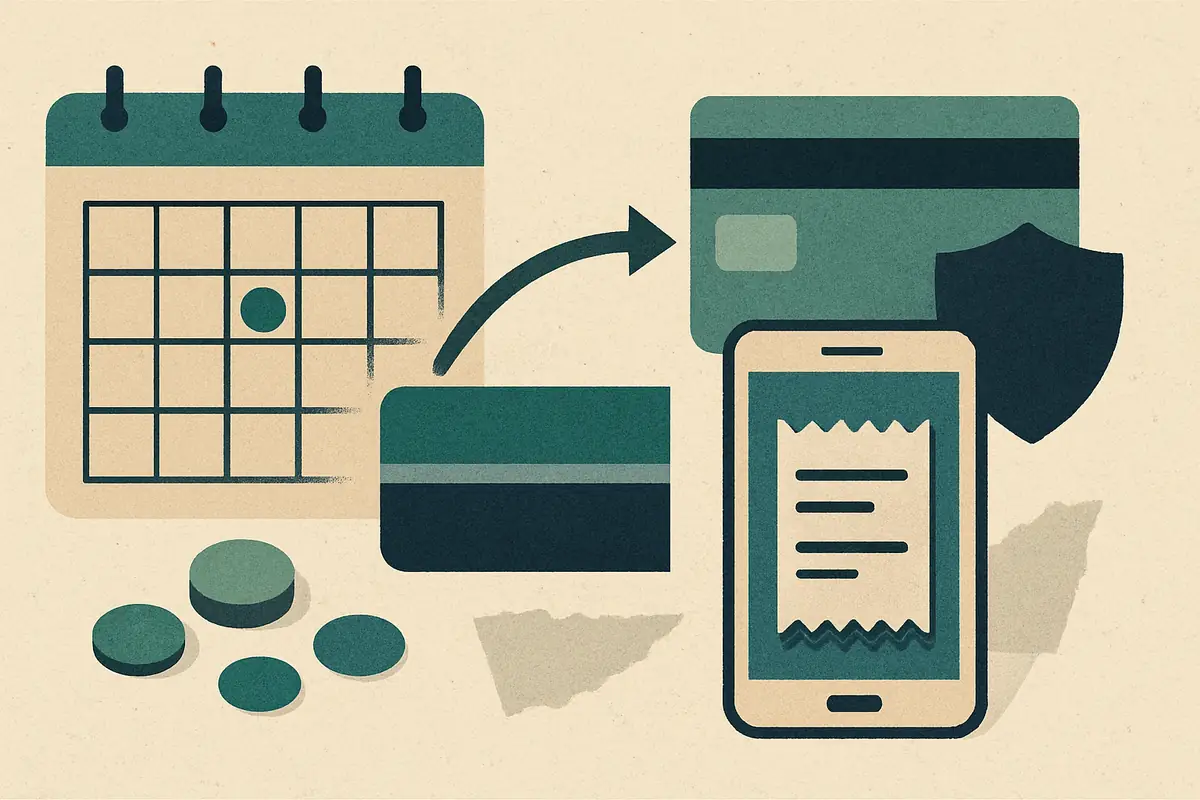
- Temporary card locking: Mobile banking apps allow you to freeze your card instantly, blocking all new transactions in under 10 seconds.
- Instant transaction alerts: Notifications for every purchase—typically within 3–10 seconds—allow you to spot unauthorized activity immediately.
- Two-factor authentication (2FA): Requires a second verification step, such as a unique code sent to your phone, for online purchases. This adds a powerful barrier against unauthorized use. (2FA means a transaction needs two forms of identification, not just your card details.)
These features work together to make fraud much more difficult. For instance, even if a criminal obtains your card number, they often cannot complete a purchase without the unique chip code or 2FA confirmation. Consider this scenario: if your card data is stolen from an online retailer and a fraudster attempts a $500 purchase, but your card requires 2FA, you receive a text with a code. Without your phone, the criminal cannot complete the transaction, and you can freeze your card immediately.
Worked Calculation Example: Suppose you receive a transaction alert for a $150 charge you did not make. You act within 2 minutes, using your banking app to freeze your card. If the fraudster had planned to make four additional unauthorized purchases of $200 each over the next hour, your quick response could prevent $800 in further losses. If you waited until your next statement—typically 30 days—you might only notice after $950 in fraudulent charges have accumulated. By responding promptly, you reduce your potential loss from $950 to just $150, saving $800 through immediate action.
Older Card Use
- Limited monitoring—fraud may go undetected for weeks
- Detection often delayed until monthly statements
- Manual freeze requires a phone call, taking several minutes
Modern Secure Card Use
- Instant alerts for every transaction
- App-based freezing or unfreezing within seconds
- Immediate action can reduce loss risk by 80–90% compared to delayed response
Safe Online Behavior Is Essential to Card Security
Even the most advanced card protections can be bypassed if your digital habits are unsafe. Card fraud often occurs when cardholders enter details on lookalike websites, click on unsafe links, or miss subtle differences in payment pages. Approximately 30–40% of phishing sites mimic legitimate payment portals to steal card data.
Technical defenses are critical, but everyday vigilance is equally important. Secure card features cannot fully compensate for risky digital habits. Adopting simple verification steps can reduce your exposure to fraud by more than half.
Simple, consistent verification routines greatly reduce your risk.
Verify website legitimacy
Always check that payment pages use the correct domain and HTTPS (the secure protocol). Over 90% of legitimate payment sites start with “https://”.
Avoid purchases over public Wi-Fi
Open networks can expose your data to interception. Around 20–30% of reported card data thefts occur during transactions on unsecured Wi-Fi.
Review statements frequently
Checking your transactions weekly, rather than monthly, can cut average fraud losses by 40–60% by catching unauthorized charges sooner.
Alerts and Monitoring Offer Real-Time Fraud Defense
Real-time transaction alerts are among the most effective personal defenses against card fraud. Many secure cards and banking apps provide push notifications for every transaction, enabling users to detect and respond to unauthorized activity within seconds. Typically, you can expect alerts within 3–10 seconds of a transaction.
Fraudsters often test stolen cards with a small charge—sometimes as low as $1–$5—before attempting larger purchases. If you receive an alert for a suspicious $2 transaction, acting quickly can block subsequent unauthorized charges that could total $500 or more.
Relying solely on monthly statements increases your risk window from hours to weeks. Reviewing your account weekly, or enabling continuous alerts, can reduce the time to detect fraud from up to 30 days to just minutes, limiting your financial exposure.
Without Monitoring
- Delayed reaction—fraud may go unnoticed for up to 30 days
- More unauthorized transactions missed, increasing potential losses
- Longer dispute process and more paperwork
With Monitoring
- Immediate detection—alerts within seconds
- Faster blocking—can freeze card before further charges
- Lower total exposure—potential losses reduced by 70–80%
Identity Protection Involves More Than Just Card Numbers
Your financial identity extends beyond your card number. It includes email security, strong passwords (ideally 12 or more characters, mixing letters, numbers, and symbols), mobile device authentication, and using separate accounts for different types of transactions. For example, using a unique password for each website can prevent a breach at one merchant from compromising your entire digital presence. (A password is a secret word or phrase, while authentication means confirming your identity, often with a code or fingerprint.)
Fraud often begins outside the payment system—such as through a compromised email or social media account—before moving on to financial tools. Criminals may use leaked personal details to answer security questions or reset payment app passwords, gaining access to your accounts even if your card is secure.
Frequently Asked Questions
Are digital wallets safer than physical cards?
In many cases, yes. Digital wallets use tokenization, which replaces your card number with a single-use code for each transaction, adding several layers of protection. This minimizes the risk of your actual card number being intercepted or reused in a data breach.
Should alerts always be activated?
Yes. Enabling immediate transaction alerts can reduce fraud losses by 60–70%, allowing you to act quickly and limit unauthorized activity.
Does card freezing help?
Yes. Temporarily locking your card through a mobile app can instantly stop all new transactions, reducing exposure if suspicious activity is detected. This feature is available on over 90% of new credit card products issued since 2020.