When faced with a sudden expense, the speed of accessing money becomes crucial. This is why emergency loans—offered by both traditional banks and digital lenders—play a growing role. These products are designed to deliver rapid liquidity, sometimes transferring funds in as little as 30 minutes to 24 hours, addressing immediate needs when planning falls short.
However, speed alone does not determine whether borrowing is helpful or harmful. A loan approved in minutes can resolve today’s crisis but may also lock a borrower into six months or more of high repayments, especially if key terms are misunderstood.
The most important factor is not whether emergency borrowing is used, but how clearly its financial consequences are understood and evaluated before accepting the terms.
Emergency Loans as a Distinct Financial Product
Traditional personal loans usually require a full underwriting process: providing documentation, undergoing credit checks, and waiting for risk assessments and approvals—a process that can take several days or even weeks.
Urgent expenses, by contrast, often can’t wait. A medical bill may be due within 24 hours, or a car needed for work may need repair the next day.
In these scenarios, borrowers typically require one or more of the following immediately:
- Cash available within 1 to 24 hours
- Minimal documentation, sometimes just proof of income and identification
- Clear and predictable timing for fund transfer
Emergency lending products are specifically designed to compress these timelines, often using automated decision-making and streamlined processes.
The rapid turnaround of these loans is made possible by automated risk scoring, electronic identity verification, and reduced documentation requirements compared to standard loans.
Fast Approval Comes at a Cost: Understanding the Price of Speed
The faster a lender approves and disburses a loan, the higher the cost typically becomes. This is because the lender is accepting greater uncertainty and administrative risk.
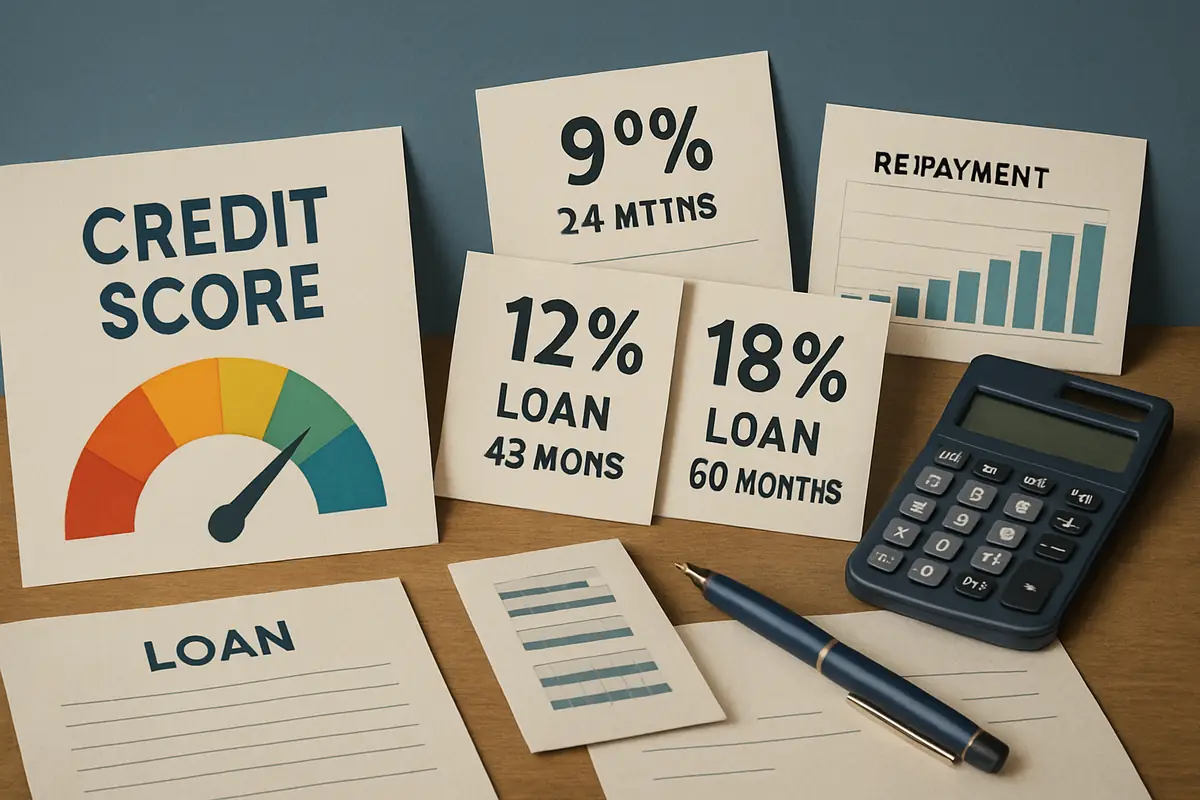
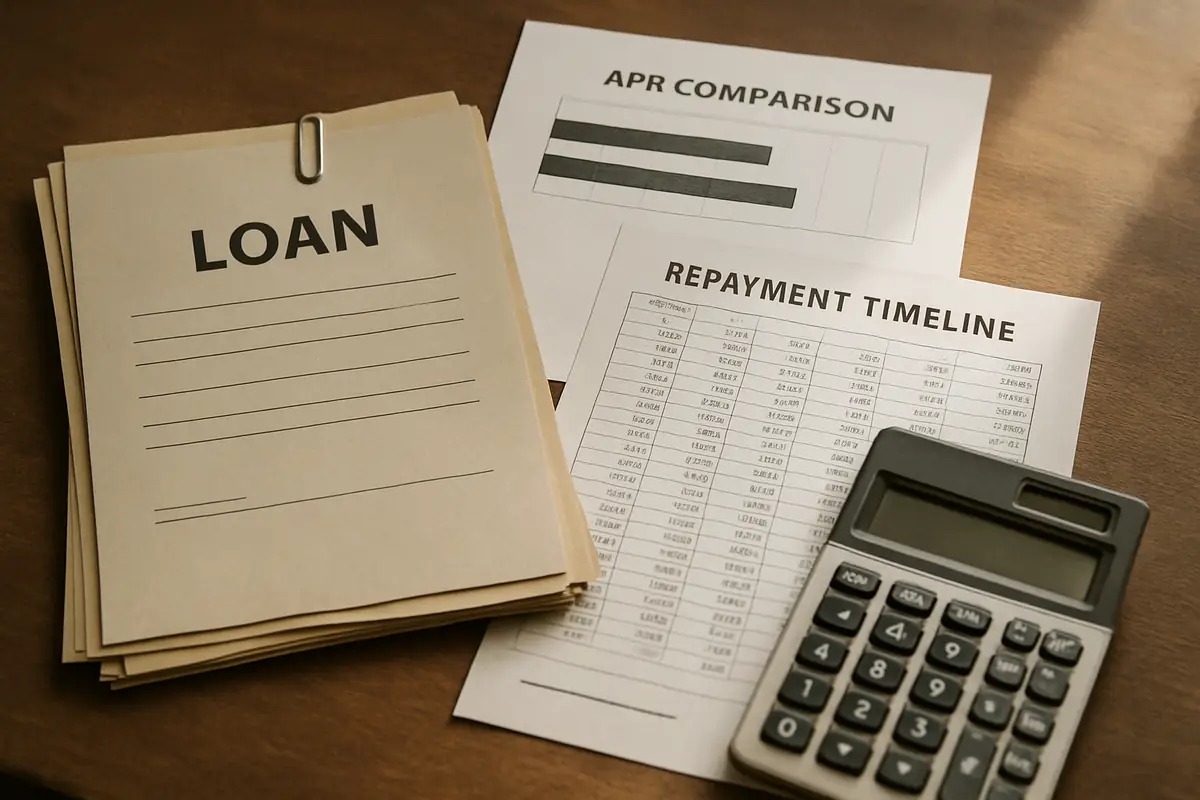
Emergency loans often carry higher interest rates than conventional personal loans. For example, while a traditional personal loan might have an annual percentage rate (APR)—the yearly cost of borrowing including fees—of 7% to 15%, emergency loans frequently have APRs ranging from 18% to 36%, and payday loans may reach 200% to 400% APR or more.
Lenders price these products to reflect:
- Less time for analysis and verification
- Borrowers’ increased willingness to pay for speed
- Shorter decision cycles, often under 60 minutes
- Potential gaps in the borrower’s credit history or financial context
A borrower under pressure may focus only on immediate approval and transfer, overlooking the total cost of repayment, which can stretch over several pay periods or months.
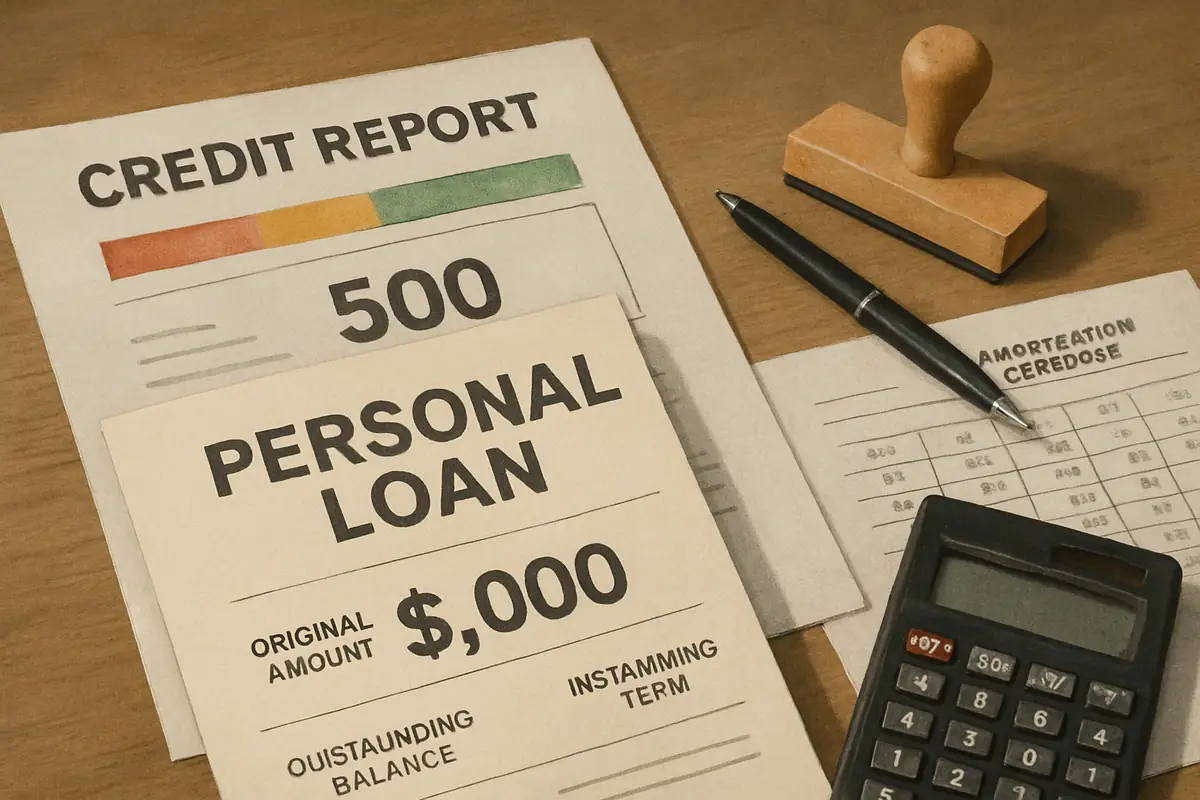
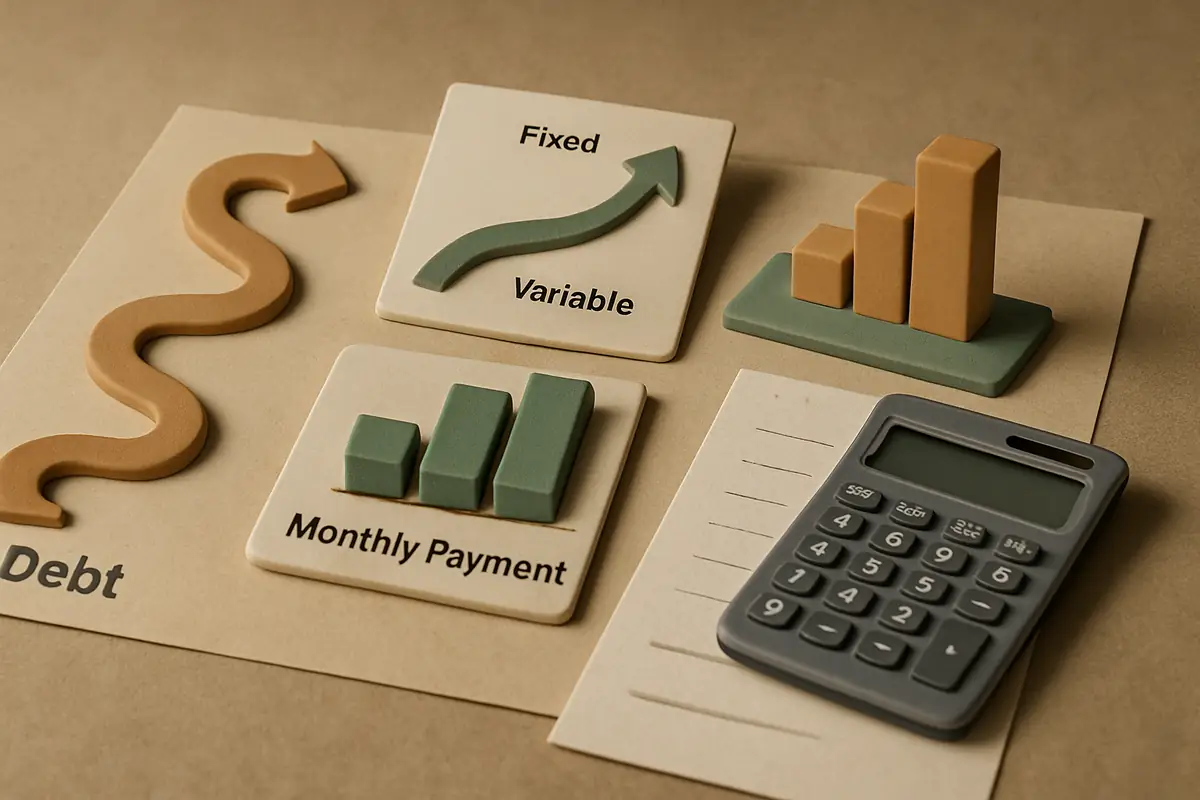
Example Calculation: Suppose you borrow $1,000 through an emergency loan with a 24% APR, to be repaid over 12 months. The monthly interest rate is 2%. Using simple amortization (spreading payments evenly over time), your monthly payment would be about $94. If you repay on time, the total repayment is approximately $1,128—meaning you pay $128 in interest over the year. If the same loan had a 36% APR, the monthly payment would rise to about $102, and the total repayment would be around $1,224, increasing the interest paid to $224. This demonstrates how higher rates quickly add up, especially under urgent circumstances.
Different Emergencies Require Different Loan Structures
Treating all urgent borrowing as interchangeable is a common mistake. The nature of the emergency shapes what type of loan structure is appropriate.
A $300 utility bill gap that can be repaid in two weeks is not the same as a $3,000 income interruption that may last several months. Each situation creates a different repayment reality and risk profile.
Short-Term Shock
- Small, temporary cash shortfall (e.g., $200–$1,000)
- Repayment possible within 2 to 4 weeks
- Short-term loan or cash advance may fit
Structural Shock
- Longer-term income interruption (e.g., 1–3 months)
- Instability may last 2–6 months
- Requires longer repayment plan, possibly installment loan
For example, financing a $400 medical co-pay and covering a three-month, $4,500 income loss should not involve the same loan product or terms. The loan must match both the urgency and the expected recovery period.
Medical Emergencies and Emotionally Driven Borrowing Decisions
When health is at stake, financial decision-making often becomes emotionally charged. The priority is immediate treatment, even when it means accepting less favorable loan terms.
While this response is natural, it increases the risk of overlooking important details. In these situations, borrowers should try to review:
- Total repayable amount, including all fees and interest
- Penalty clauses for late or missed payments (which can add 5%–10% to the balance)
- Extension or deferment options and their costs
- Whether the provider accepts staged payments to reduce the amount borrowed
Some hospitals and clinics allow payment plans, which can reduce the necessary loan principal by 30%–50% if only a portion of the bill needs to be paid immediately.
Reducing the amount borrowed by even $200–$500 can lower future repayment obligations significantly, especially under high interest rates.
Digital Lending Has Transformed Emergency Borrowing
Fintech (financial technology) platforms have fundamentally changed the emergency loan landscape by removing many of the timing barriers that once slowed down traditional banks.
- Online applications can be completed in 10–15 minutes
- Digital identity verification replaces in-person visits
- Automated scoring systems provide instant decisions
- Electronic contracts allow for same-day disbursement
Many digital lenders now offer approvals and transfers in under two hours, with some providing funds in as little as 15 minutes after approval. This rapid access was rarely possible through traditional bank channels, which might take 2–5 business days.
While technology has reduced waiting time, it has not eliminated the need for careful review of loan terms. Fast approval can tempt borrowers to skip reading the fine print, increasing the risk of misunderstanding fees or repayment schedules.
Because digital processes move quickly, borrowers may spend less than five minutes reviewing loan agreements that could affect their finances for months.
The Risks of Repeated Small Emergency Loans
A single emergency loan, when repaid on time, is often manageable and can prevent larger financial consequences. However, the danger increases when emergency borrowing becomes a recurring habit.
Warning signs of deeper financial issues include:
- Monthly shortfalls leading to repeated borrowing
- Frequent small repairs or expenses (e.g., $100–$400) covered by new loans
- Irregular income cycles causing cash gaps every pay period
- Failure to rebuild an emergency fund between crises
If emergency loans are used more than two or three times in a six-month period, the problem may be structural financial fragility rather than isolated emergencies. At this point, loans are covering ongoing budget gaps that require broader financial changes, not just quick fixes.
Fraud Risks Increase for Vulnerable Borrowers
Fraudsters often target people in urgent financial need, using the pressure of the situation to push deceptive or illegal offers.
Common warning signs of loan fraud include:
- Requests for advance payment or "processing fees" before funds are released
- Lack of clear regulatory or company identity
- Pressure to sign or agree immediately, often within minutes
- No verifiable lender registration or contact information
During emergencies, borrowers may overlook these red flags, focusing only on the promise of fast cash. However, any request for money upfront should be treated as a serious warning.
Emergency Loans for Small Businesses: Preserving Operations
For small businesses, emergency loans serve a different purpose than for individuals. They are often used to maintain business continuity rather than cover personal consumption.
Typical business emergencies include:
- Temporary liquidity shortages, such as a delayed payment from a client
- Supplier demands requiring immediate payment (often $2,000–$10,000)
- Payroll timing mismatches, where a short-term loan covers $5,000–$20,000 in wages
- Unexpected repairs to equipment or facilities
In these cases, emergency credit can preserve business operations and protect future revenue. The key question for businesses is whether the borrowed funds will enable continued productivity and restore repayment capacity within a reasonable timeframe, often 30–90 days.
Preparation Improves Emergency Borrowing Decisions
The borrowers who fare best in emergencies are usually those who have prepared in advance:
- Maintaining an emergency reserve that covers 1–2 months of expenses (typically $1,000–$5,000)
- Researching and identifying reputable lenders before a crisis
- Keeping a healthy credit profile (e.g., credit utilization below 30% of available credit)
Preparation does not eliminate the need for emergency borrowing, but it can improve the quality of the options available and reduce the cost. Someone who knows where to find safe, regulated lenders is less likely to fall for high-cost or fraudulent offers during a crisis.
Advance planning can also help borrowers qualify for better terms, such as lower APRs or higher approval amounts, when emergencies arise.
The Goal: Avoiding Bad Emergency Loans, Not All Emergency Loans
Emergency borrowing is not inherently a sign of poor financial management. In some cases, it is a rational and protective response to unexpected events.
The key to quality borrowing is ensuring that the solution remains proportional to the need:
- Borrowing the correct amount (not more than necessary)
- Choosing an appropriate repayment term (e.g., 1–12 months)
- Selecting a reputable lender with transparent terms
- Having clear visibility into the repayment schedule and total cost
Urgency should accelerate access to funds, but it should not override careful judgment or informed decision-making. The best emergency loan is one that fits the situation without creating long-term financial strain.