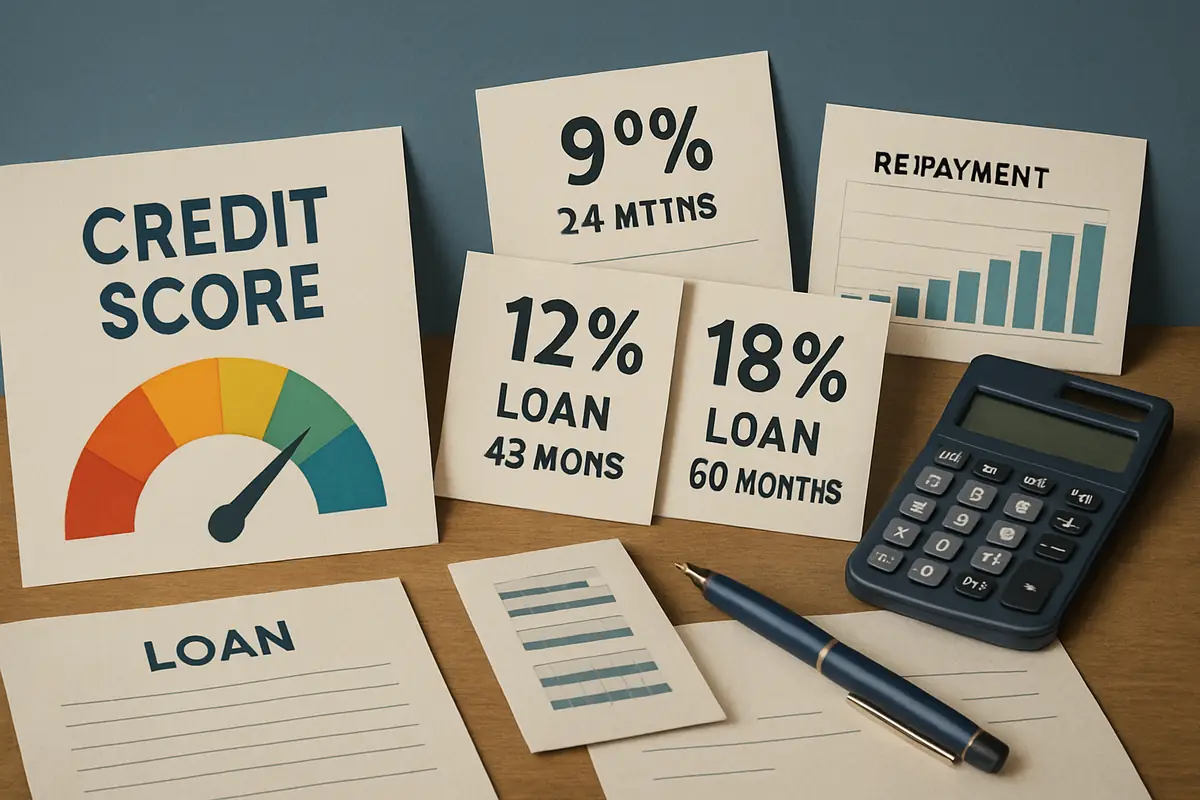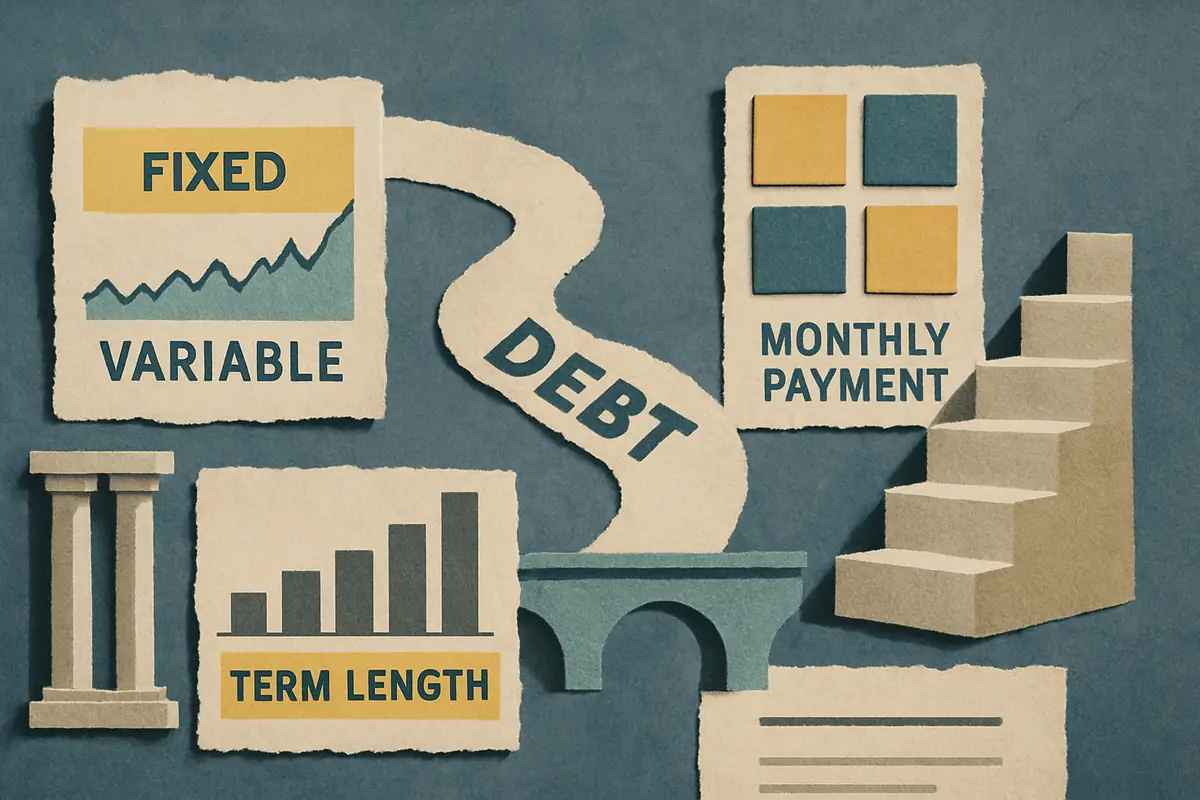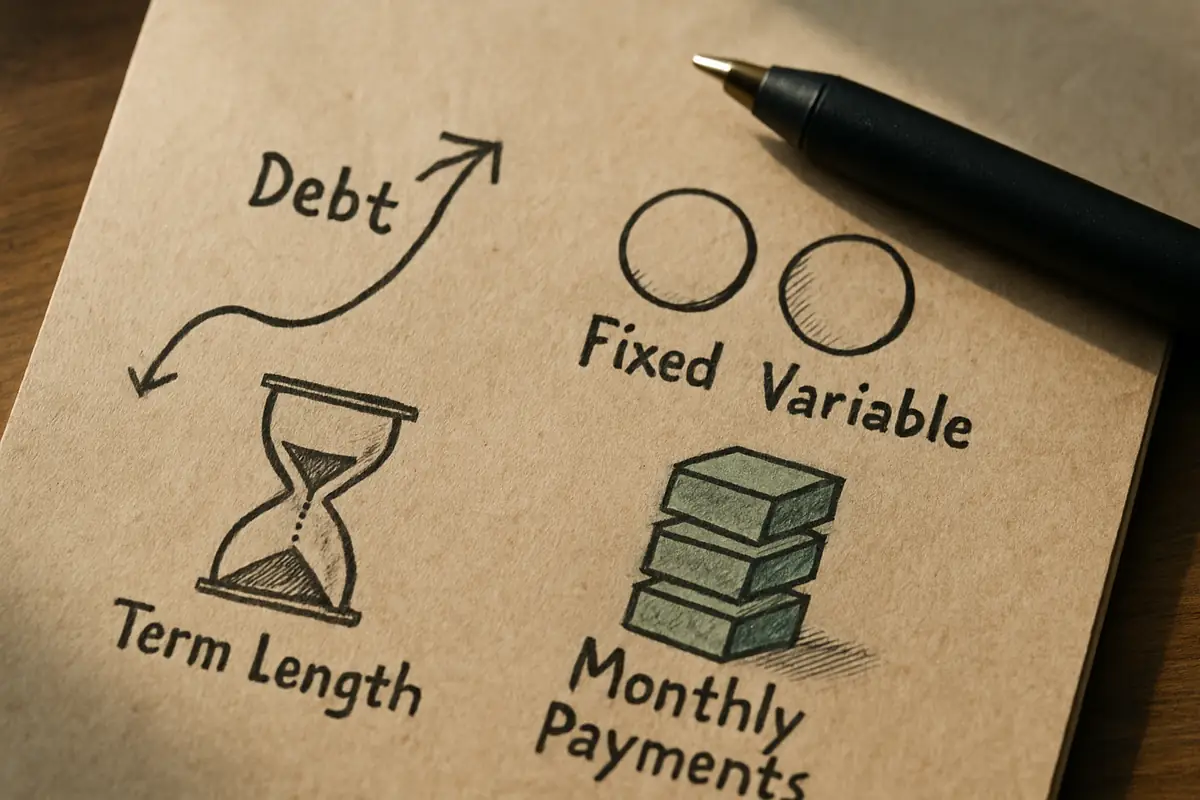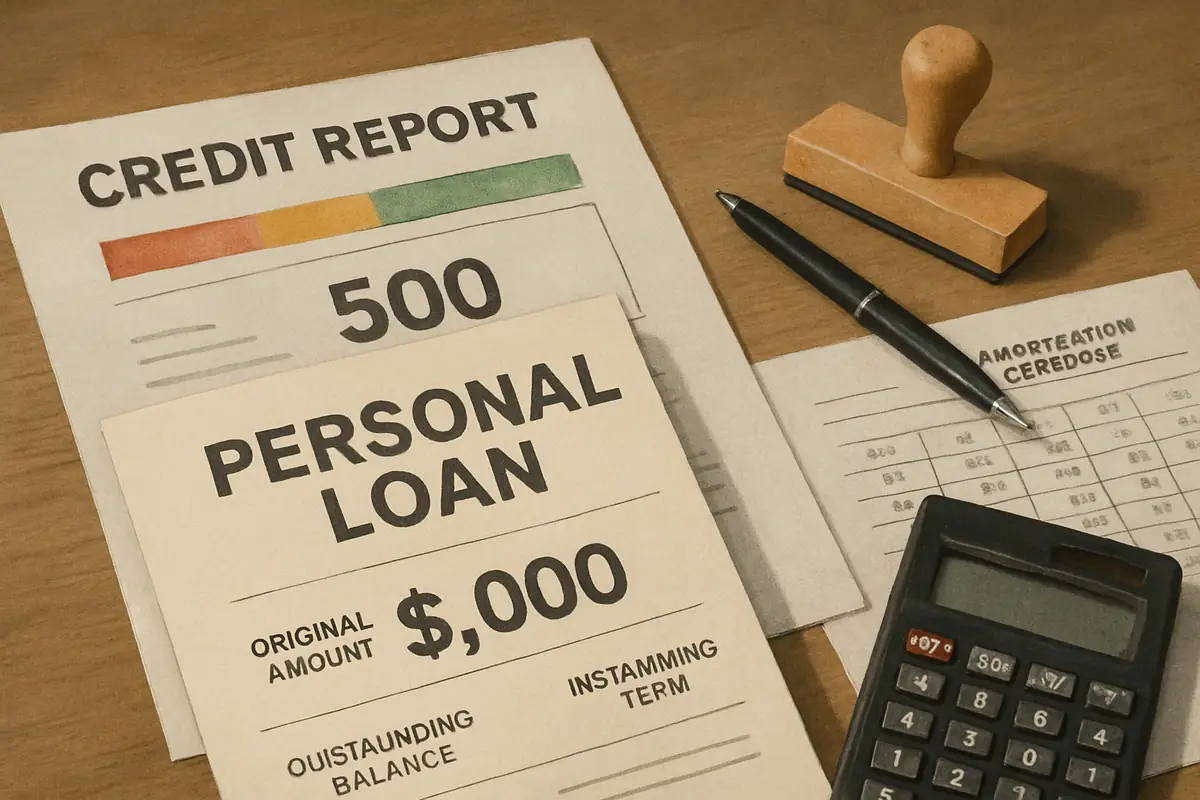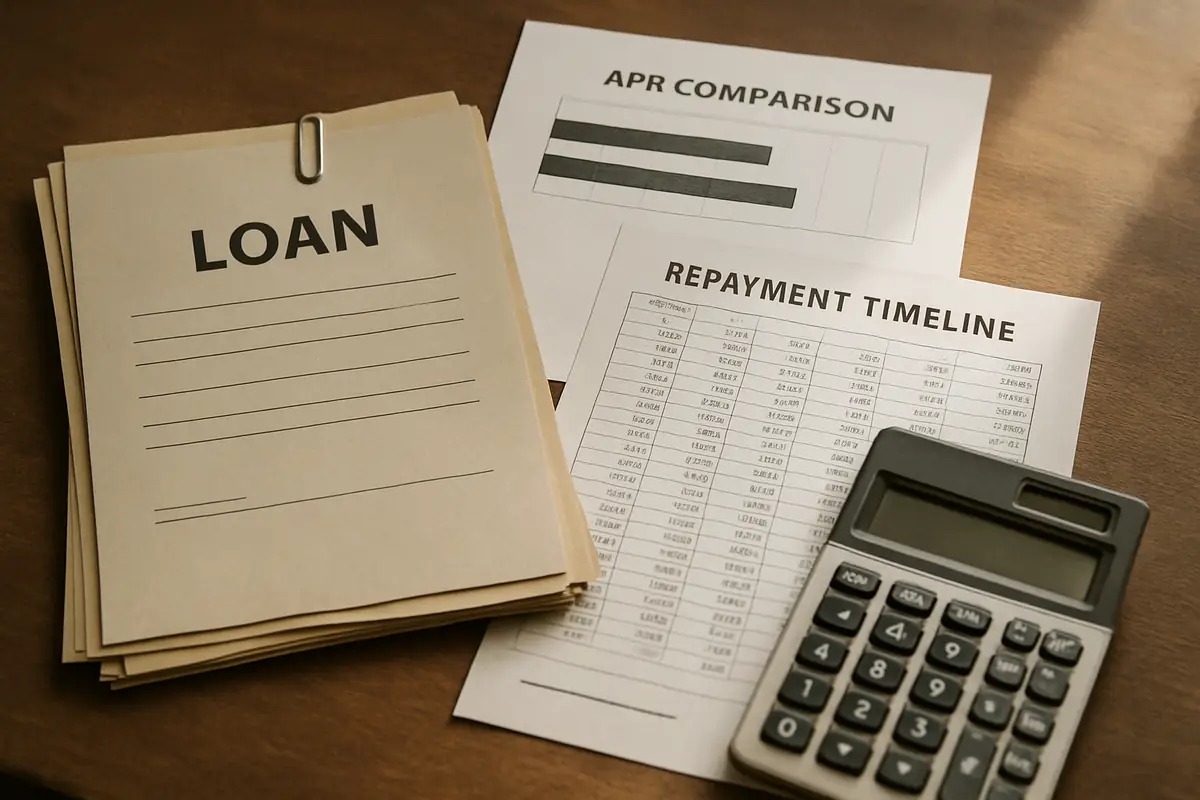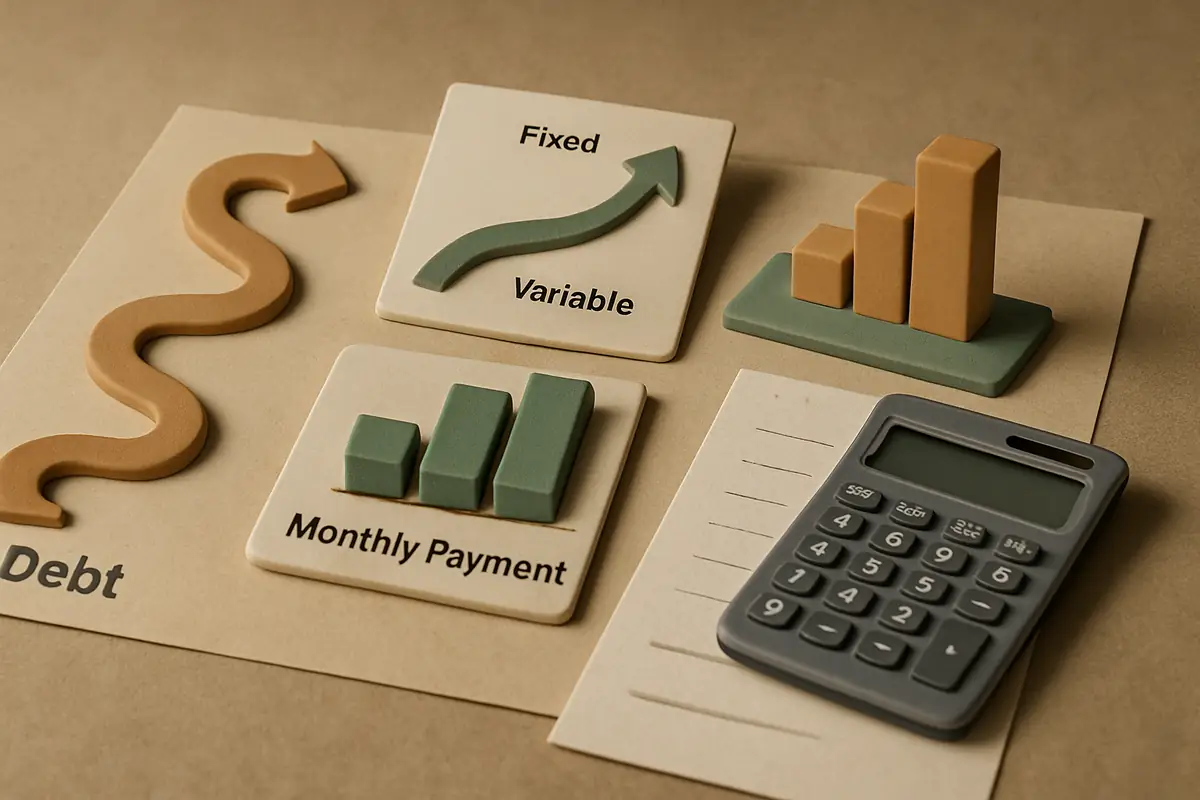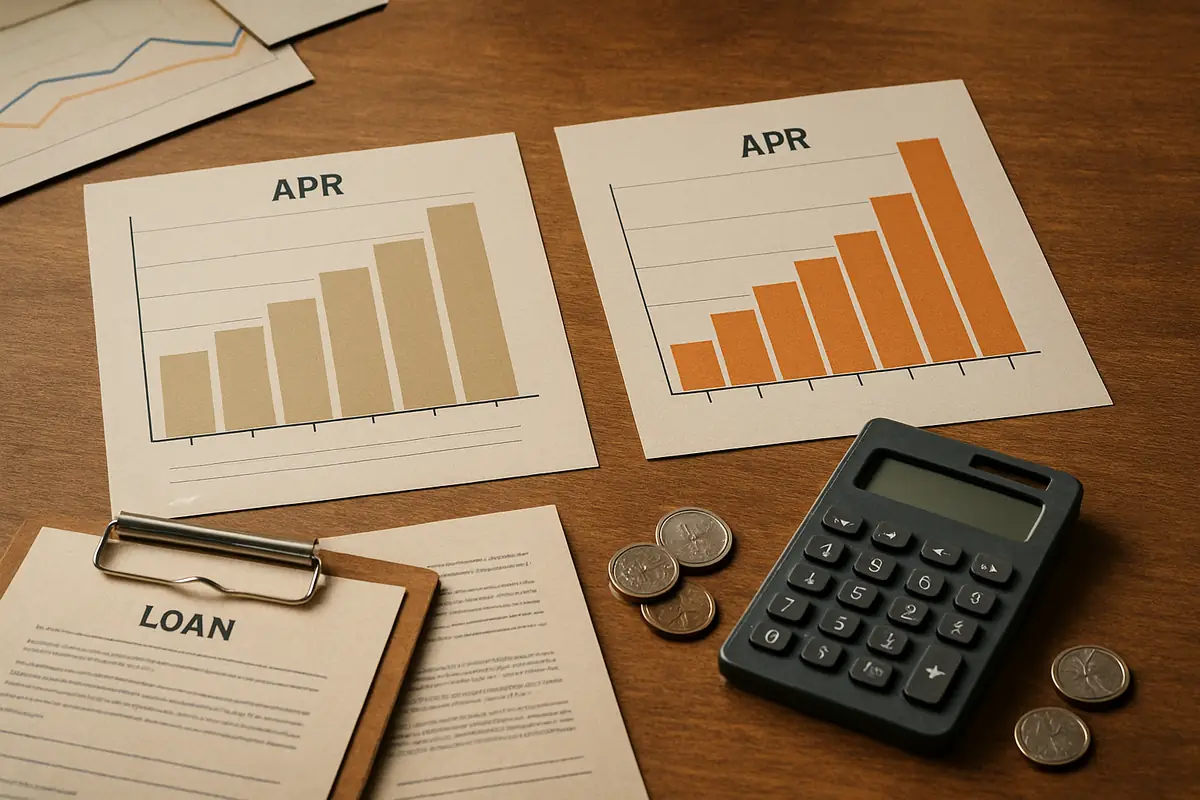
Consider two borrowers each seeking a $10,000 personal loan. One secures a quick approval with a fixed 3-year repayment schedule at a 12% APR. The other opts for a longer, more flexible 5-year term but faces adjustable rates that reset annually. How do these choices influence total borrowing cost, monthly obligation, and repayment risk over time? This article examines the trade-offs between repayment schedules and the allure of fast loan approval, focusing on realistic cost mechanics, contract obligations, and borrower pressure.
Borrower Scenarios: Fixed Repayment Terms Versus Fast Approval
Fixed repayment schedules offer predictability by setting a defined loan term and fixed monthly payments. For example, a $10,000 loan at a fixed annual percentage rate (APR) of 12%, repaid over 36 months, results in consistent monthly payments. This structure helps borrowers plan their finances but may delay access due to stricter underwriting. Conversely, fast approval loans often prioritize speed over extensive credit review, sometimes resulting in higher APRs or variable interest rates that can adjust based on market conditions. These loans may allow quicker cash access but introduce uncertainty around total costs and future payment amounts.
To illustrate, assume the fast approval option carries an initial APR of 15%, with terms allowing for an adjustable rate after the first year. The repayment period might be shorter or more flexible but could also include fees that increase upfront costs. Borrowers choosing fast approval must weigh immediate access against potential long-term financial strain caused by rate increases or less favorable repayment terms.
In either case, the Annual Percentage Rate (APR) is a key measure representing the yearly cost of borrowing including interest and fees. Understanding this figure alongside repayment length and fees is critical before committing to any loan product.
Loan Cost Mechanics: APR, Fees, and Term Length
The APR aggregates all borrowing costs — interest plus mandatory fees — expressed annually as a percentage of the principal loan amount. Typical personal loan APRs range from about 6% for prime borrowers up to 36% or higher for subprime borrowers or fast-approval products with minimal underwriting. Origination fees commonly add 1% to 5% of the loan amount upfront and affect effective cost though they are often not included in advertised interest rates.
Term length significantly impacts monthly payments and total interest paid. Shorter terms increase monthly payment amounts but reduce total interest expense because less time accrues interest on the principal balance. Longer terms lower monthly payments but increase total interest paid over time.
Worked example: Borrower A takes a $10,000 fixed-rate loan at 12% APR for three years with no origination fee. Monthly payment is approximately $332.14 calculated using standard amortization formulas where each payment covers accrued interest plus part of principal. Total interest paid over term equals about $1,956.
Borrower B opts for fast approval on a $10,000 loan with a 15% APR plus a 3% origination fee ($300). If the term is five years at fixed rates for simplicity (though in practice it could be adjustable), monthly payments drop to about $237.24 but total interest paid rises to roughly $4,234 plus the upfront fee—total borrowing cost increases substantially despite lower monthly cash flow pressure initially.
APR Definition
Annual Percentage Rate represents the yearly cost of borrowing including all fees and interest.
Loan Term Impact
Longer terms reduce monthly payments but increase total interest; shorter terms do the opposite.
Origination Fees
Fees charged upfront that increase overall loan cost but may not always be included in advertised rates.
Contract Risk: Variable Rates and Hidden Fees
"Fast approval" loans frequently come with variable rates or terms that adjust after an initial period. These can be tied to indices like prime rate plus margin, changing borrower obligations unpredictably. Variable rate loans may start with low teaser rates (e.g., 7%) that reset upward to typical ranges of 10–20%, increasing monthly payments unexpectedly if borrowers do not plan accordingly.
"Hidden" fees such as prepayment penalties, late fees ranging from $25 to $75 per occurrence, or mandatory insurance can significantly raise effective borrowing costs if triggered during repayment. Some contracts impose collateral requirements which add risk if borrowers default — assets can be seized to cover outstanding balances.
"Fixed" rate loans generally mitigate adjustment risk but may carry higher initial APRs or stricter qualification requirements delaying approval speed. Borrowers must review contract details carefully to identify triggers for rate adjustments or additional fees beyond stated APRs.
Repayment Pressure and Borrower Behavior
Monthly payment size strongly influences borrower stress levels and default risk. On fixed-schedule loans with predictable payments—such as a $10,000 loan repaid over three years at 12% APR—the borrower faces steady $332 monthly obligations allowing budgeting stability. By contrast, fast approval loans with adjustable rates may start lower but can rise beyond affordability causing missed payments or defaults.
Payment flexibility options found in some longer-term loans might permit temporary deferment or income-based adjustments but often come at a cost of higher overall expenses due to accrued interest during pauses in payment. Missed deadlines trigger late fees and damage credit scores further complicating refinancing chances.
Borrower behavior analysis shows that clear knowledge of total commitment reduces impulsive decisions triggered by instant approvals promising convenience but masking extended financial burden.
Borrowers should anticipate worst-case scenarios such as increasing variable rates or unexpected fees while assessing their capacity to meet obligations consistently over the entire loan duration rather than just immediate affordability.
Alternatives to Fast Approval Loans
Traditional bank or credit union loans typically require longer processing times—often one to two weeks—but offer fixed or well-disclosed variable rate structures with transparent fee disclosures protecting borrowers from surprises later. Many institutional lenders provide income-driven repayment plans especially for student loans extending terms up to twenty-five years while adjusting payments based on earnings.
Credit builder loans designed to improve credit scores usually feature small amounts ($300–$1,000) with manageable terms allowing safer access without high-cost trade-offs found in instant personal loans. Peer-to-peer lending platforms might offer competitive rates but still require careful contract review since underwriting standards vary widely affecting risk profiles.
Refinancing Options
Replacing an existing high-cost loan with another at lower rates or better terms can reduce overall financial pressure.
Income-Based Repayments
Adjusts monthly payment according to borrower’s ability to pay, common in federal student loans.
Credit Counseling Services
Professional guidance helps evaluate affordable options avoiding debt traps from quick approvals.
Checklist for Borrowers Facing Repayment Schedule Choices
- Confirm full APR including all fees before accepting any offer.
- Calculate exact monthly repayments using amortization formulas applicable.
- Review contract carefully for variable rate clauses or prepayment penalties.
- Assess your consistent income sources relative to projected payment demands.
- Evaluate alternative lenders offering longer decision times but more favorable terms.
- Consider potential collateral risks if secured loan agreements are involved.
- Plan contingencies for possible rate increases under adjustable rate options.
- Use official consumer finance tools for comparison without marketing bias.
- Check lender’s reputation regarding clear disclosures and customer service responsiveness.
Summary of Trade-Offs Remaining After Analysis
Understanding the Impact of Repayment Schedules on Borrower Financial Health
Repayment schedules are more than just a timeline for paying back borrowed money; they play a crucial role in shaping a borrower's overall financial health. When borrowers opt for longer repayment terms, monthly payments tend to be lower, easing immediate financial pressure. However, this often results in paying more interest over time, which can significantly increase the total cost of the loan. Conversely, shorter repayment schedules require higher monthly payments but reduce the overall interest accrued, potentially saving borrowers substantial amounts in the long run. Understanding these dynamics helps borrowers make informed decisions that align with their financial capacity and goals.
Moreover, fixed versus flexible repayment schedules add another layer of complexity. Fixed schedules mandate consistent payment amounts on predetermined dates, providing predictability but limited flexibility in case of unexpected expenses or income fluctuations. Flexible repayment plans might allow payment holidays or variable installments based on borrower circumstances, offering relief during financial hardships but often at the cost of higher interest rates or fees. These variations can directly impact credit scores and borrowing capacity for future loans, emphasizing why borrowers should carefully evaluate how different repayment structures fit their unique financial situations.
The psychological effects of repayment schedules should not be underestimated either. A manageable and well-structured repayment plan can reduce stress and improve financial discipline by setting clear expectations. On the other hand, overly aggressive repayment terms may strain budgets and lead to missed payments or defaults, negatively affecting credit history. Lenders who provide transparent and borrower-centric repayment schedules contribute positively to customer satisfaction and long-term financial wellness. Borrowers who proactively engage with lenders about their repayment options often discover plans better suited to their cash flow realities.
The Trade-offs Between Fast Loan Approval and Thorough Repayment Planning
Fast loan approval processes have become increasingly popular due to technological advancements such as automated credit scoring and digital document submission. While expedited approvals offer clear benefits like quick access to funds for emergencies or investment opportunities, they may sometimes come at the expense of thorough repayment planning discussions between lenders and borrowers. The rush to approve loans quickly can lead to insufficient assessment of a borrower’s ability to maintain repayments over time, increasing default risks.
Quick approvals also tend to favor standardized products with less customization in terms and conditions. This means borrowers might receive loan offers that prioritize speed rather than flexibility or affordability in repayments. Without personalized guidance on structuring repayments, borrowers might inadvertently commit to schedules that strain their budgets or overlook options such as deferred payments or income-based adjustments available in slower approval processes. Therefore, while fast approval enhances convenience, it can sometimes reduce opportunities for tailored financial advice that promotes sustainable borrowing.
Nevertheless, some fintech lenders manage to balance speed with responsible lending by integrating real-time affordability checks into their approval algorithms. These systems evaluate income streams, existing debts, and spending patterns rapidly but comprehensively before granting credit. Such innovations demonstrate that fast approval does not necessarily compromise prudent repayment planning if designed thoughtfully. Borrowers are encouraged to seek lenders who combine technology-driven efficiency with robust risk assessment methodologies to avoid pitfalls associated with hastily arranged loan terms.
Practical Advice for Borrowers Navigating Between Fast Approval and Repayment Flexibility
For borrowers weighing the benefits of fast loan approval against thorough consideration of repayment schedules, several practical steps can facilitate better decision-making. Firstly, clearly define your short-term cash needs as well as long-term financial goals before applying for a loan. This clarity helps in selecting loan amounts and durations that match your capability to repay comfortably without compromising other essential expenses.
Secondly, request detailed information from potential lenders about all available repayment options including frequency (weekly, monthly), fixed versus variable installments, penalties for late payments, and possibilities for early repayment without fees. Even if using platforms promising quick approvals, take the time to review these details carefully rather than accepting default terms blindly.
Thirdly, simulate different repayment scenarios using online calculators or lender resources to understand how changes in schedule length or payment amounts affect total interest paid and monthly obligations. This exercise provides tangible insights into trade-offs inherent in faster versus customized approvals.
Finally, maintain open communication lines with your lender throughout the life of your loan. Should your financial situation change unexpectedly—due to job loss or medical emergencies—early notification can enable renegotiation of repayments rather than defaulting silently which harms credit standing.
Can I switch my repayment schedule after loan approval?
"Many lenders allow changes to your repayment schedule post-approval; however, this depends on individual lender policies and may involve fees or require approval processes."
"Does fast loan approval mean higher interest rates?"
"Not necessarily; while some quick-approval loans might carry higher rates due to reduced underwriting timeframes, many fintech lenders use efficient credit assessments without increasing costs."
References
- https://studentaid.gov/manage-loans/repayment/plans
- https://www.consumerfinance.gov/consumer-tools/
- https://www.consumerfinance.gov/consumer-tools/student-loans/
- https://www.consumerfinance.gov/ask-cfpb/what-is-the-difference-between-a-fixed-rate-and-adjustable-rate-mortgage-arm-loan-en-100/
- https://www.fdic.gov/consumer-resource-center/loans