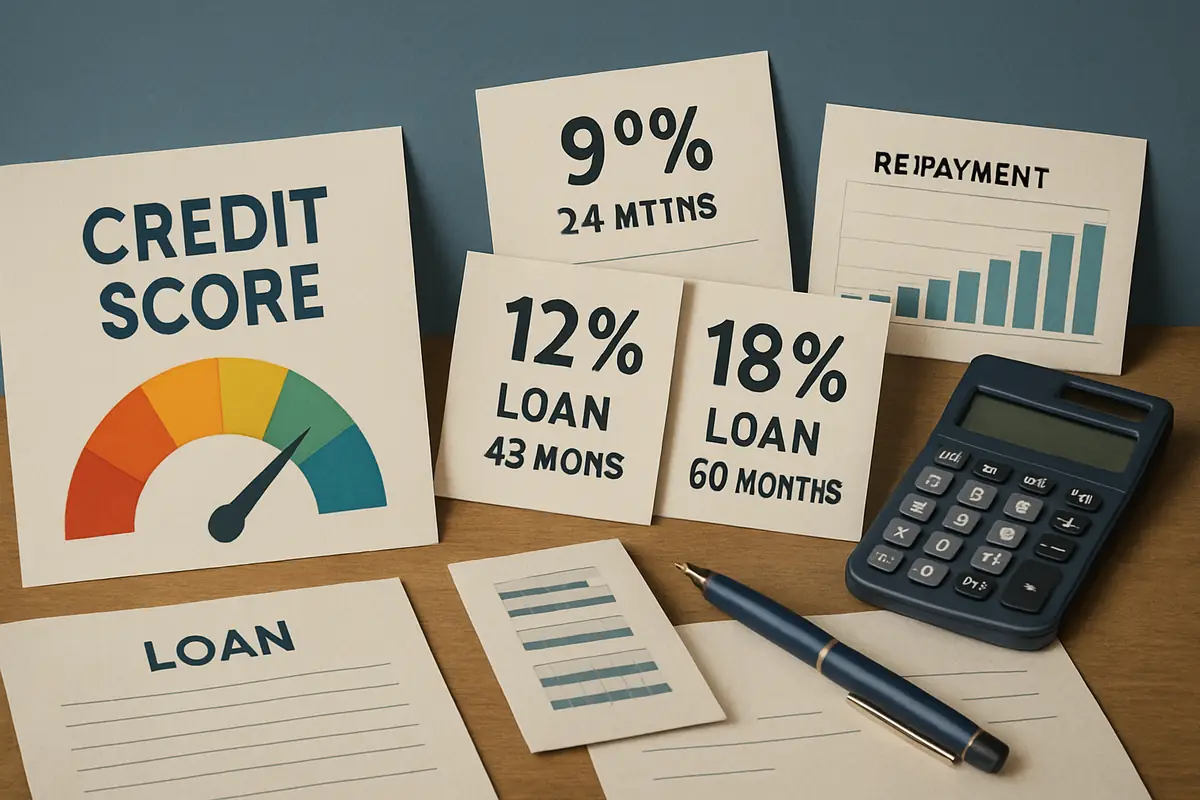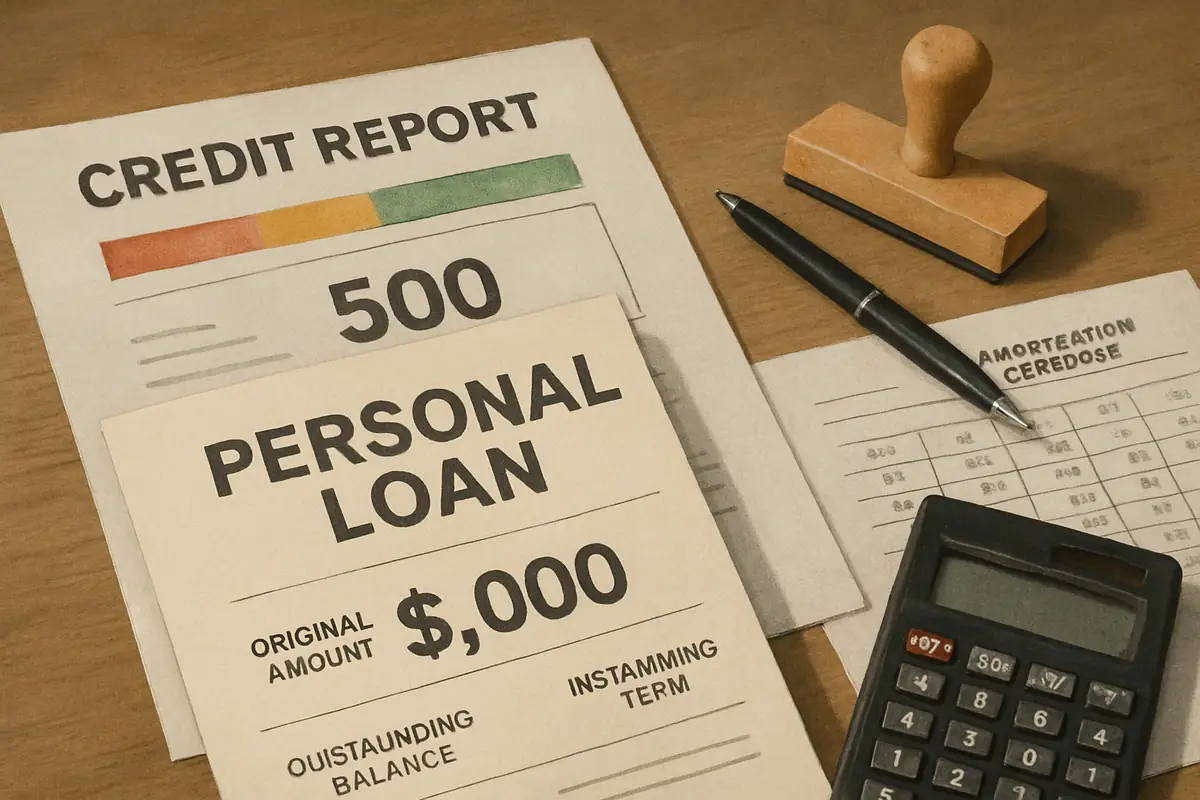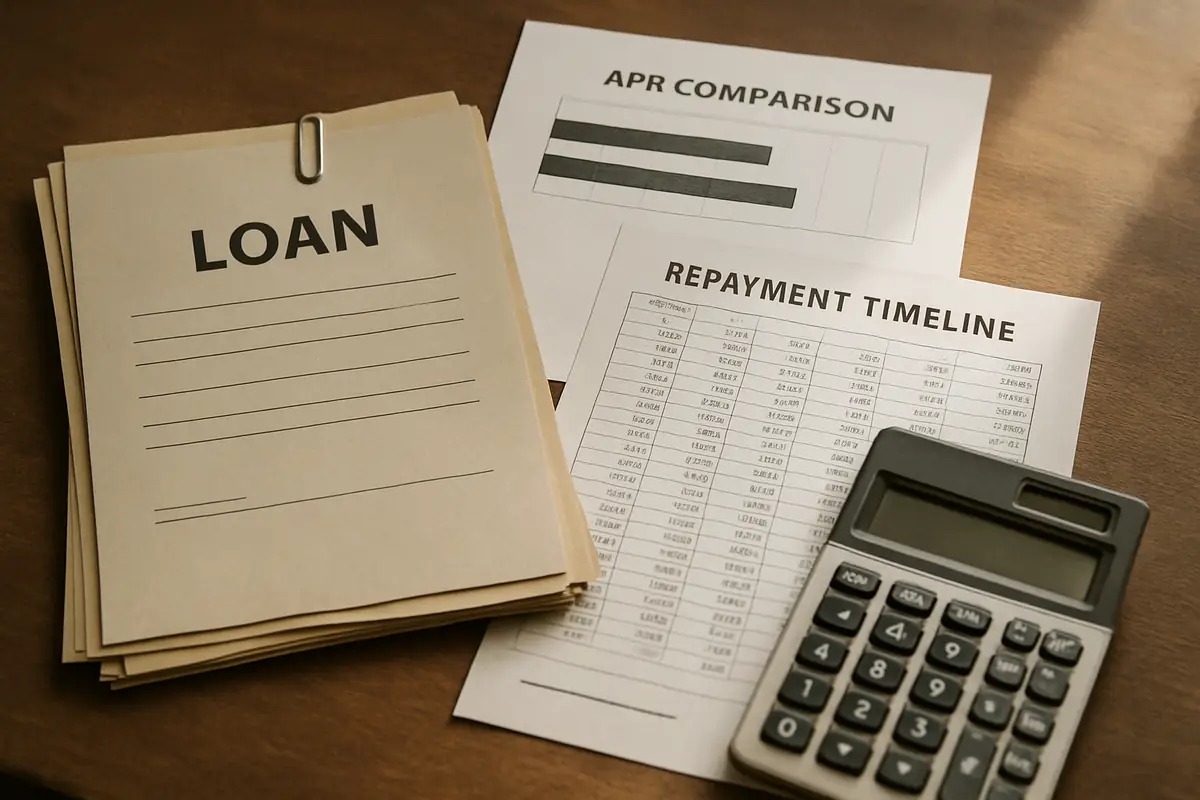
A borrower considering a $15,000 personal loan from a local bank notices an advertised interest rate of 7%. However, after closing, they discover a $450 loan origination fee deducted upfront, effectively increasing the loan’s true cost. This common scenario illustrates the crucial role loan origination fees play in the real price of borrowing and the potential financial pressure borrowers face from these fees.
What Are Loan Origination Fees and Why They Matter
Loan origination fees are upfront charges lenders impose to cover administrative costs related to processing a loan application, underwriting, and funding. Typically expressed as a percentage of the loan amount, they often range between 0.5% and 3% for personal loans, though secured loans like mortgages may have slightly different structures. For example, a 1.5% origination fee on a $20,000 loan means a borrower pays $300 just to get the funds. These fees are distinct from interest rates but directly increase borrowing costs because they reduce the net amount received or raise the effective interest rate when considered over the loan term.
Importantly, loan origination fees are often non-refundable even if borrowers refinance or pay off the loan early. Some lenders may roll this fee into the loan principal rather than requiring an out-of-pocket payment at closing. Borrowers should understand how these charges affect their monthly payments and overall repayment obligations before committing.
How Origination Fees Affect APR and True Borrowing Cost
The Annual Percentage Rate (APR) reflects the total yearly cost of borrowing including interest and all fees expressed as a percentage. Unlike nominal interest rates that only indicate periodic interest charges, APR incorporates origination fees to give borrowers a clearer picture of expense. Because origination fees are paid upfront but amortized over the life of the loan, they increase monthly payments and total interest paid.
To illustrate, suppose you borrow $10,000 with a stated interest rate of 6% annually on a 3-year term. The lender charges a 2% origination fee ($200). If this fee is deducted from your initial proceeds, you receive only $9,800 but repay based on $10,000 plus interest. Calculating payments on $10,000 over 36 months at 6% gives about $304 per month. However, because you actually receive $9,800, your effective APR will be higher than 6%, typically closer to 6.8%. This difference arises due to paying interest on the full amount while receiving less cash initially.
Contractual Risks Associated with Loan Origination Fees
Loan agreements should clearly disclose origination fees alongside other costs like prepayment penalties or late fees. Unfortunately, some lenders may bury these charges in fine print or label them ambiguously as "processing" or "administrative" fees. Borrowers must scrutinize contracts for any clauses that allow fee increases or additional hidden costs during refinancing or restructuring.
Additionally, if an origination fee is financed into the loan principal rather than paid upfront, it increases both the principal balance and total interest accrued over time. This practice raises repayment pressure without changing monthly payment amounts significantly but lengthens debt duration or total finance charges.
Scenario: Variable Rate Loan with Origination Fee Impact
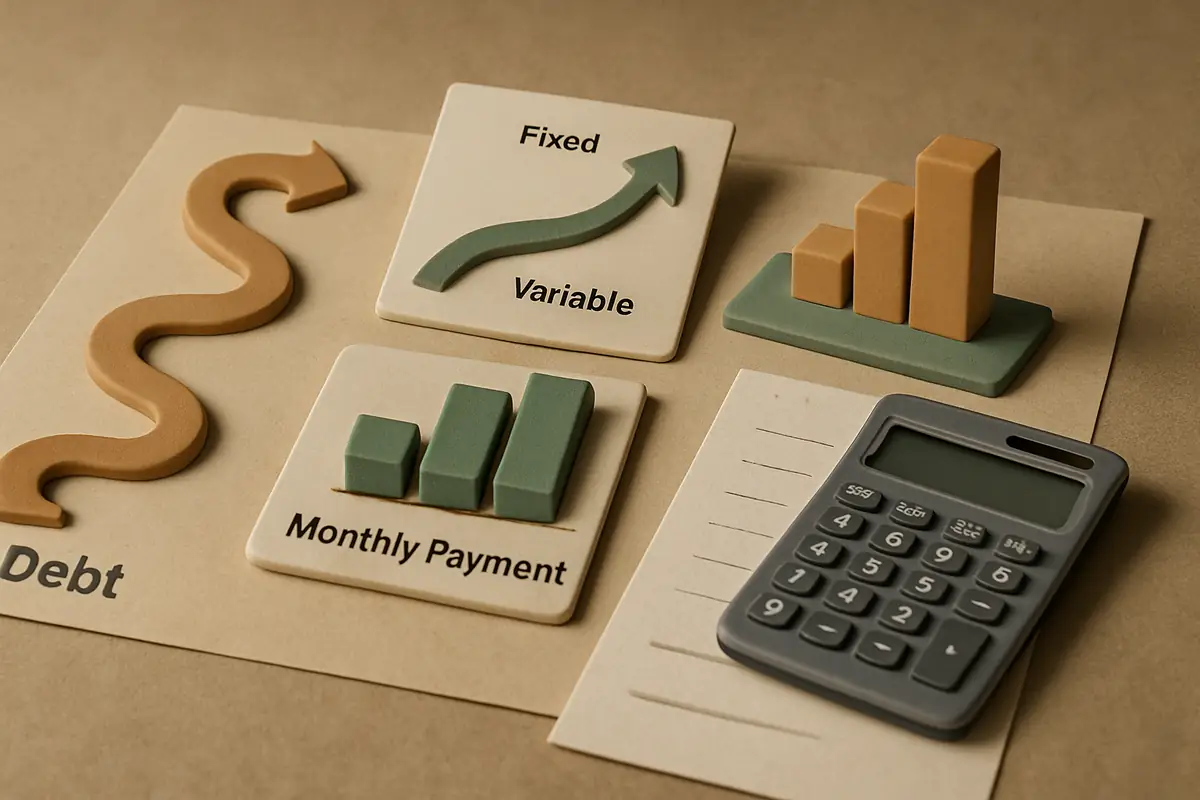
Consider Michelle who takes out a $25,000 variable-rate auto loan for 5 years at an advertised rate of 5%, with a 1% origination fee included in her financing. The $250 fee is added to her principal making her effective starting balance $25,250. If rates rise by 1 percentage point within two years due to market changes, Michelle faces higher monthly payments on both her original amount and the financed fee portion. Her monthly payment rises from approximately $471 to around $505 — an extra burden caused partly by inclusion of the origination fee in her principal balance.
Repayment Pressure From Origination Fees: What Borrowers Should Consider
Origination fees increase repayment pressure by either reducing initial cash proceeds or inflating financed principal balances. For borrowers on tight budgets or with unstable incomes, even modest fees can tip affordability into riskier territory. Increased effective APRs translate into higher total payments over time which may not be evident from advertised rates alone.
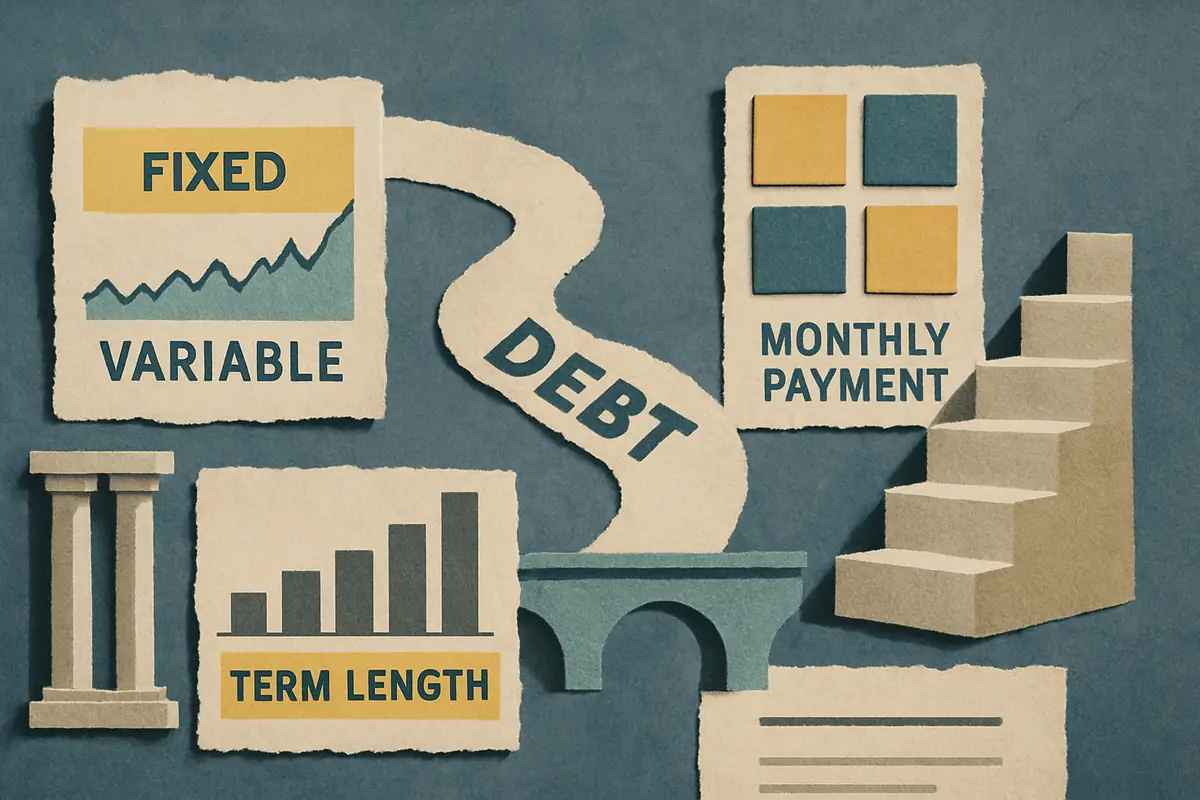
Borrowers should factor in how these fees interact with other repayment variables such as term length and collateral requirements to avoid surprises later. Longer loan terms reduce monthly expenses but increase total interest costs amplified by financed fees. Secured loans like mortgages or auto loans may offer lower nominal rates but add risks through collateral repossession if payments become unmanageable.
Comparing Loan Offers: Evaluating Origination Fees Alongside Other Costs
Are loan origination fees negotiable?
In some cases yes; borrowers can ask lenders to waive or reduce these fees especially when shopping around with multiple offers or providing strong credit profiles.
Do all loans have origination fees?
No; many payday loans or small personal installment loans might not charge explicit origination fees but may include other types of administrative charges instead.
Does paying an origination fee upfront reduce my monthly payment?
Paying upfront means you receive full loan proceeds without additional financed amounts inflating your balance; this can lower total interest accumulated compared to rolling the fee into your loan amount.
How do I find out my true borrowing cost including all fees?
Check the Annual Percentage Rate (APR) disclosed in your loan agreement—it includes both interest and mandatory lender charges like origination fees expressed annually.
How Loan Origination Fees Impact Your Total Loan Cost
Loan origination fees might seem like just a one-time charge, but their impact on the total cost of borrowing can be substantial. These fees are typically expressed as a percentage of the loan amount—commonly ranging from 0.5% to 1% or even higher depending on the lender and loan type. For example, on a $200,000 mortgage, a 1% origination fee translates to $2,000 in upfront charges that you must pay either at closing or roll into the loan balance. While it may appear less significant when viewed as a percentage, the absolute dollar amount can dramatically affect affordability and monthly payments if financed. Borrowers should carefully consider not only the interest rate but also these fees as part of their total borrowing costs to get a true picture of what they will owe over time.
In addition to increasing upfront costs, origination fees can indirectly influence monthly payments if they are added to the principal balance rather than paid out-of-pocket. When included in the loan amount, borrowers pay interest on these fees for the life of the loan, thereby increasing overall interest expense. This compounding effect means that even seemingly small origination fees become more expensive over time, especially for long-term loans such as mortgages or student loans. Moreover, some loans charge other associated fees alongside origination fees that may be bundled under closing costs or administrative expenses. Understanding how these fees interplay helps borrowers assess whether paying loan origination fees upfront or negotiating to reduce or waive them is financially advantageous.
For instance, consider two lenders offering identical interest rates but differing in origination fee structures. Lender A charges a 1% origination fee while Lender B charges none but offers a slightly higher interest rate. Depending on your timeline for holding the loan and plans for refinancing or early repayment, paying no origination fee but higher monthly interest might be preferable if you intend to repay quickly. Conversely, if you plan to keep the loan long term, minimizing the interest rate—even with an upfront fee—could save money overall. This example highlights the importance of evaluating both fee amounts and interest rates together rather than in isolation when choosing loan offers.
Negotiating or Avoiding Loan Origination Fees
Many borrowers are unaware that origination fees are often negotiable rather than fixed mandatory charges. Lenders may be willing to reduce or waive these fees to close a deal faster or compete with other financial institutions. It is essential to ask explicitly about origination fees during the application process and inquire about possible discounts based on creditworthiness, loan size, or loyalty programs. Borrowers with strong credit scores and solid financial histories tend to have better negotiating power since lenders perceive them as lower risk.
Additionally, some types of loans inherently carry lower or no origination fees—for example, certain government-backed loans such as FHA or VA mortgages often feature reduced closing costs and limited origination charges as part of their subsidy programs. Exploring different loan products and lenders allows borrowers to find options that minimize upfront costs without compromising terms. However, it’s important not just to focus on eliminating fees alone; sometimes paying a reasonable origination fee results in better overall loan conditions like a lower fixed rate or more flexible repayment options.
Ultimately, awareness and proactive communication with lenders about loan origination fees empower borrowers to make informed decisions that improve affordability and reduce surprises at closing. Reviewing all documents carefully before signing is crucial since some lenders might bundle multiple administrative charges under “origination” without clear itemization.
The Role of Origination Fees in Different Loan Types
Loan origination fees vary widely depending on the type of credit product involved. Mortgages commonly include these charges as standard practice because they cover significant processing efforts including appraisal coordination, underwriting reviews, and title work facilitation. Personal loans from banks may either have flat origination fees or none at all; instead, they might charge higher interest rates reflecting processing costs within APR calculations.
Auto loans sometimes feature smaller or waived origination fees due to competitive dealer incentives aiming for quick approval processes. Student loans issued by federal programs generally do not include traditional origination fees but may have separate guarantee or insurance premiums embedded in their rates instead.
Understanding these differences helps borrowers compare offers across categories accurately without making false assumptions about cost structures simply because one product has visible upfront fees while another incorporates similar costs indirectly through higher rates.
How Loan Origination Fees Impact the True Cost of Borrowing
Loan origination fees are often presented as a single upfront cost, but their impact on the overall borrowing expense can be more significant than many borrowers realize. These fees are typically calculated as a percentage of the loan amount and can range from 0.5% to 1.5%, depending on the lender and type of loan. For borrowers taking out larger loans, such as mortgages or auto loans, even a seemingly modest percentage can translate into thousands of dollars in additional costs. When comparing loan offers, it is essential to consider these fees alongside interest rates because they increase the effective interest rate you pay over time. For example, a loan with a lower nominal interest rate but higher origination fees might end up being more expensive than another loan with a slightly higher interest rate but minimal fees.
Moreover, loan origination fees reduce the net proceeds received by the borrower at closing. Suppose you are approved for a $100,000 mortgage with a 1% origination fee; you will only receive $99,000 after deducting the fee. This means your initial borrowing power effectively diminishes, which you need to factor in when planning your finances, especially if you are budgeting tightly for moving expenses, home improvements, or other related costs. Borrowers should also be aware that some lenders may allow these fees to be financed into the loan amount itself, potentially increasing monthly payments and total interest paid over the life of the loan.
Negotiating Loan Origination Fees: Strategies for Savings
Loan origination fees are not always set in stone. While lenders set standard rates based on their underwriting costs and profit margins, many are willing to negotiate these fees, especially in competitive lending markets or when dealing with repeat customers. Borrowers can leverage multiple loan offers to negotiate lower origination fees by highlighting better terms from other lenders. Additionally, demonstrating strong creditworthiness and stable income can give borrowers more bargaining power since lenders see them as lower risk. It’s also worth asking whether certain fees included under origination can be waived or reduced, such as application or processing fees.
Borrowers should approach fee negotiation with clear knowledge of what each fee covers and why it is charged. Being prepared with questions about how the lender arrives at their fee structure can open dialogue that might lead to discounts or alternative arrangements. In some cases, lenders bundle origination fees with other closing costs or offer ‘no-fee’ loans that compensate with slightly higher interest rates—an option worth considering depending on your financial goals and timeline for paying off the loan.
The Regulatory Landscape Surrounding Loan Origination Fees
Consumer protection laws have increasingly focused on making loan origination fees more transparent to borrowers. Regulations such as the Truth in Lending Act (TILA) require lenders to disclose all fees clearly before finalizing a loan agreement, ensuring borrowers understand what they are paying and why. These disclosures include an annual percentage rate (APR) that factors in both interest and certain finance charges like origination fees, providing a standardized way to compare different loan options.
Despite these regulations, there is still variability in how lenders calculate and present origination fees across different types of loans and states. Some jurisdictions impose caps on maximum allowable fees or require itemized disclosures beyond federal mandates to protect consumers from excessive charges. Staying informed about local laws and your rights as a borrower helps prevent surprises at closing and empowers you to question any suspicious or unclear charges.
Alternatives to Paying Loan Origination Fees
Not all loans require an upfront origination fee; some lenders offer no-fee loans that instead incorporate their costs through higher interest rates or longer terms. While this structure can help borrowers avoid large initial outlays—beneficial for those with limited cash reserves—it often results in paying more over time due to increased finance charges. Evaluating your financial situation is crucial when deciding between paying upfront fees versus absorbing them through interest.
Another alternative is seeking loans from credit unions or community banks, which sometimes charge lower or no origination fees compared to larger commercial banks or online lenders. These institutions may focus more on member service rather than profit maximization, enabling them to offer more favorable fee structures. However, accessibility and qualification criteria may vary widely between institutions.
Can I get my loan origination fee refunded if I pay off my loan early?
Generally, loan origination fees are non-refundable once paid because they cover processing costs incurred by the lender regardless of how long you keep the loan. However, some lenders may have specific refund policies outlined in your contract—review your agreement carefully before signing.
Are loan origination fees tax-deductible?
In most cases, personal loan origination fees are not tax-deductible. However, for mortgage loans used to buy or improve a primary residence, certain points paid (which may include part of the origination fee) could qualify as deductible mortgage interest under IRS rules—consult a tax professional for advice tailored to your situation.
How do I find out exactly how much my lender charges for an origination fee?
Lenders must provide a Loan Estimate form early in the application process that details all expected costs including the origination fee expressed both as a dollar amount and percentage. Always request this document before agreeing to any terms so you can compare offers transparently.
References
- https://www.consumerfinance.gov/consumer-tools/
- https://www.fdic.gov/consumer-resource-center/loans
- https://www.consumerfinance.gov/consumer-tools/auto-loans/
- https://www.consumerfinance.gov/consumer-tools/mortgages/
- https://www.federalreserve.gov/releases/g19/current/
- https://www.consumerfinance.gov/consumer-tools/student-loans/