When Sarah faced an unexpected $7,500 car repair bill, she had to decide whether to take out a secured auto loan or an unsecured personal loan. The choice was more than about monthly payments — it involved understanding interest rates, fees, collateral risks, and long-term repayment pressure. Across many households like Sarah's, these trade-offs shape financial outcomes in ways often misunderstood at the point of borrowing.
Scenario: Choosing Between Secured and Unsecured Loan Options
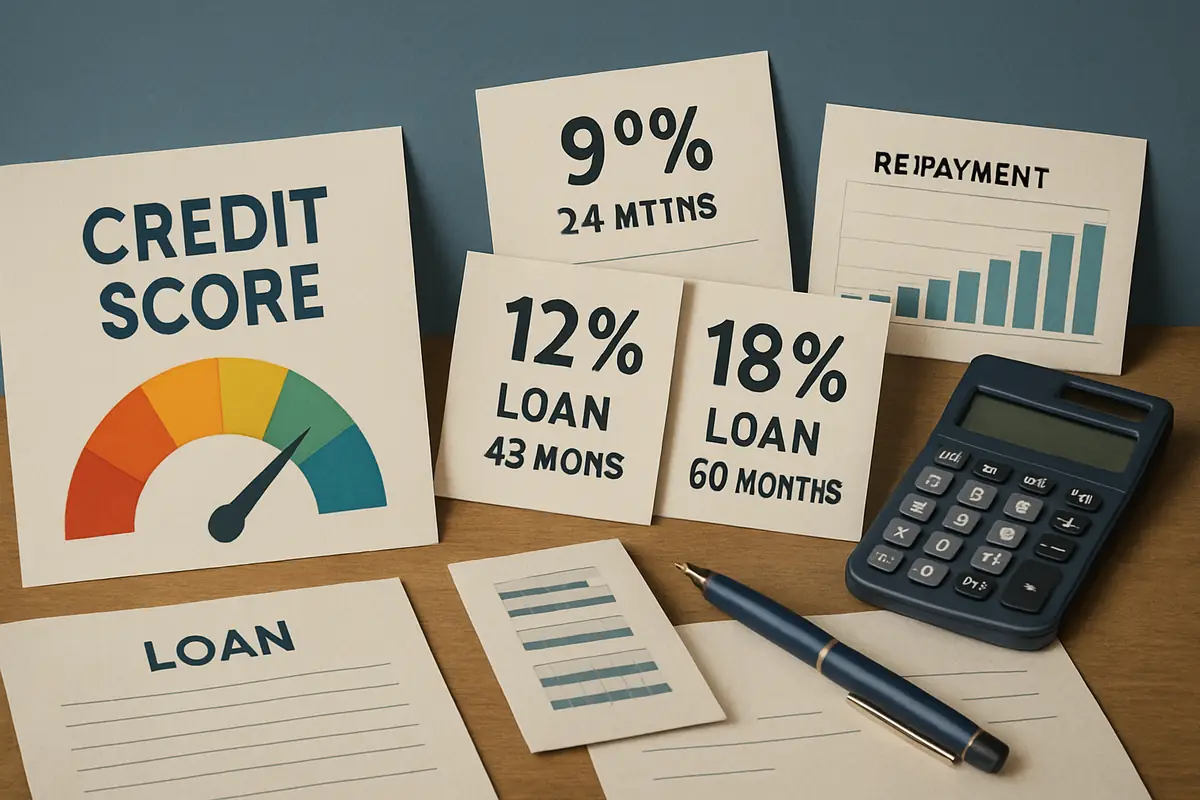
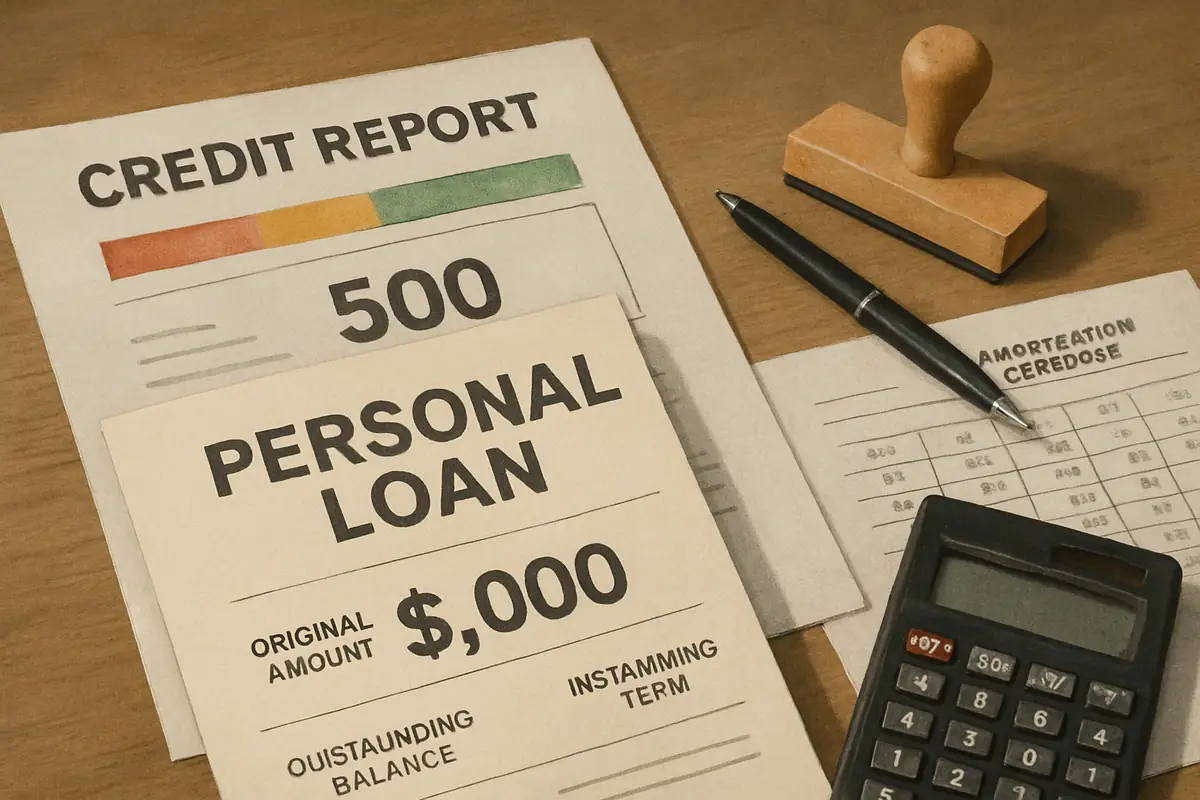
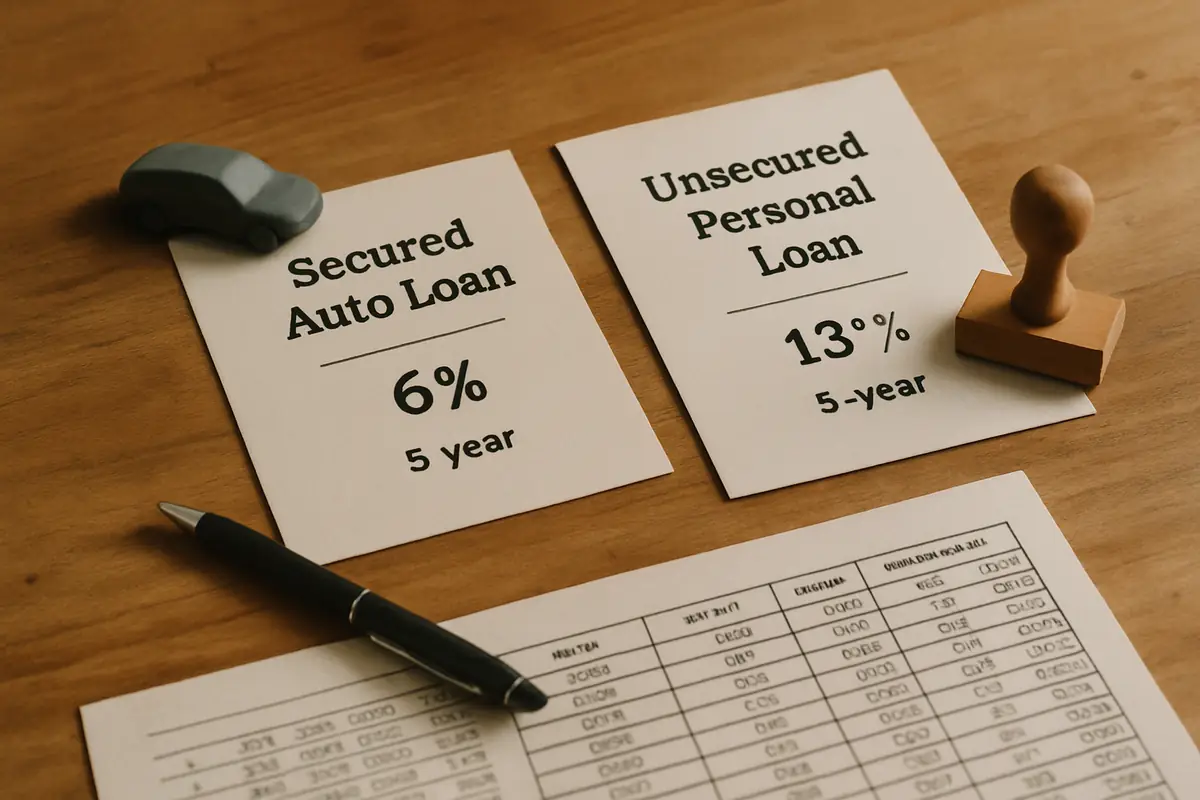
Sarah’s $7,500 car repair expense pushed her to consider two loan paths. Her credit score hovered around 670, placing her in the fair credit bracket where rates can vary widely. She was offered a secured loan using her vehicle as collateral with an annual percentage rate (APR) around 6% over five years. Alternatively, an unsecured personal loan without collateral came with a higher APR closer to 13% for the same term. This scenario highlights typical borrower decisions where collateral lowers borrowing costs but adds asset risk.
Secured loans require pledging property such as a car or home. If borrowers fail repayments, lenders can repossess or foreclose on the asset to recover funds. Unsecured loans lack this security; lenders rely primarily on creditworthiness and income verification. Because of increased lender risk, unsecured loans usually carry higher interest rates and stricter approval criteria.
The Mechanics Behind Interest Costs and Fees
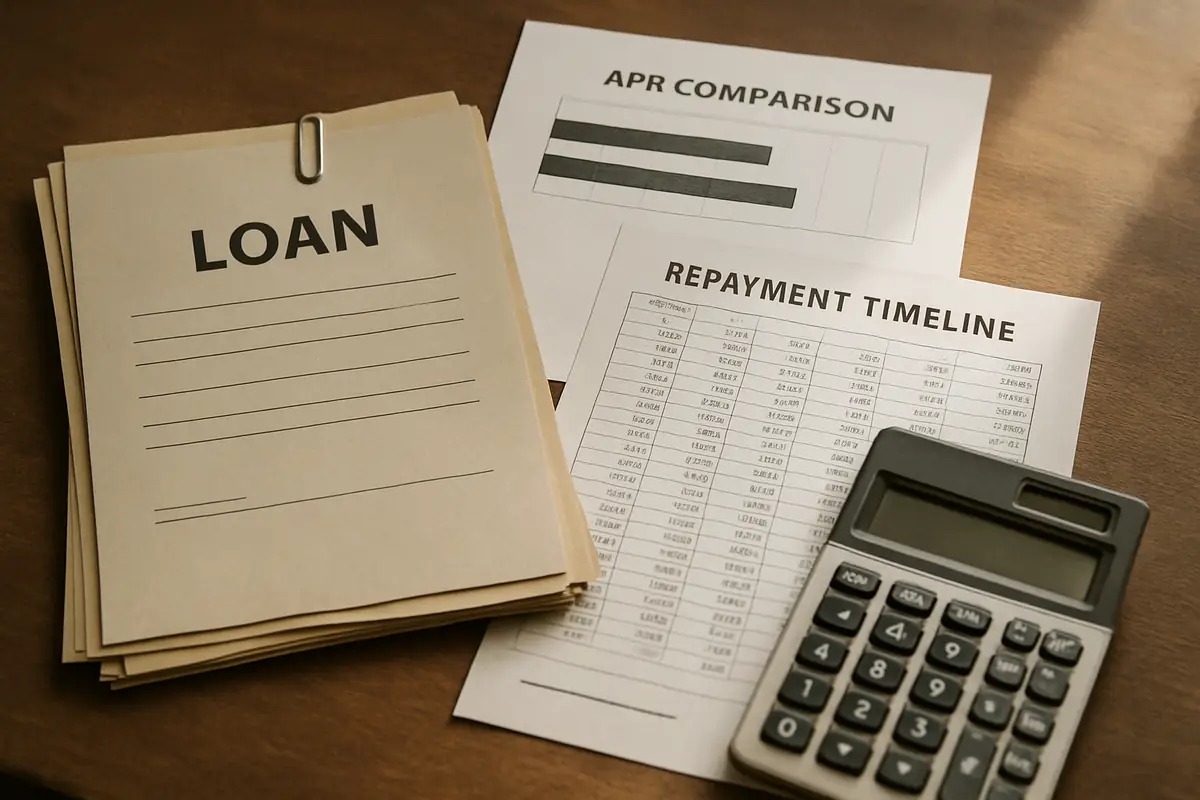
Understanding the annual percentage rate (APR) is crucial to comparing loans fairly. APR represents the total yearly cost of borrowing including interest and mandatory fees expressed as a percentage of the principal. For instance, an unsecured personal loan with a nominal interest rate of 12% might carry an APR of 14% if origination fees or insurance premiums apply.
Let’s break down Sarah’s secured loan scenario: A $7,500 loan at 6% APR over five years equals roughly $144 monthly payments using amortization—a process that spreads principal and interest evenly across payments. Total interest paid would be approximately $1,120 over the loan’s life. Conversely, her unsecured option at 13% APR would push monthly payments near $170 with total interest exceeding $2,700.
(Calculation example) For the secured loan: Using the formula for installment loans, monthly payment P is calculated as P = [r × PV] / [1 - (1 + r)^-n], where r = monthly interest rate (APR/12), PV = principal value ($7,500), n = number of months (60). Thus: r = 0.06/12 = 0.005; n=60; P ≈ (0.005 × 7500) / [1 - (1 + 0.005)^-60] ≈ $144.
Where readers should be careful
"Advertised low rates often exclude fees." Borrowers should carefully examine origination fees typically between 1%–5% of the loan amount on unsecured products. Even secured loans may include processing or valuation fees that increase the effective APR beyond advertised rates.
Collateral: Understanding Asset Risk and Contract Obligations
"Collateral" means property pledged to secure a loan that the lender can seize if repayments fail. For auto loans or mortgages—common types of secured lending—the asset serves dual functions: lowering lender risk and imposing additional pressure on borrowers who face potential loss of essential property.
"Repossession" or "foreclosure" occurs after default when lenders exercise their right to claim collateralized assets. The timeline for repossession varies but typically begins after missed payments for several months plus formal notices as per state laws or contract terms.
Where readers should be careful
"Gap between owed balance and asset value." After repossession, if the sale of collateral does not cover the outstanding debt plus repossession costs, borrowers remain liable for the deficiency balance—sometimes called a "deficiency judgment." This residual debt can add unexpected financial strain long after losing property.
In contrast, unsecured loans avoid direct asset risk but increase reliance on credit scoring consequences and potential legal action in case of prolonged nonpayment.
Repayment Terms and Pressure: What Borrowers Should Anticipate
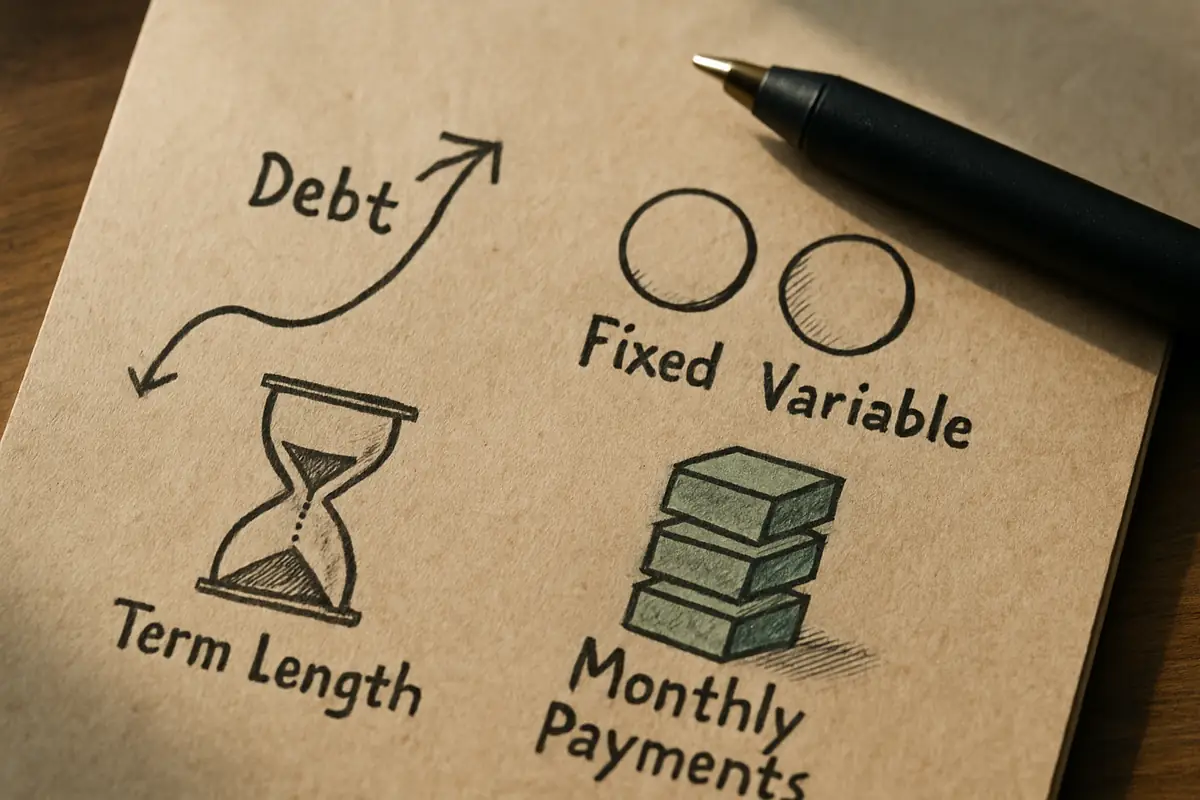
Loan duration affects monthly payment size and total interest cost. Longer terms reduce individual payments but increase cumulative interest paid over time due to amortization schedules spreading interest across more months.
For example, Sarah could choose a five-year term for her secured auto repair loan or extend it up to seven years with an unsecured personal loan offer she received. While lower monthly payment fits her budget better under a longer term ($125 vs $144 approximately), total interest costs can rise by thousands of dollars — often overlooked when focusing solely on monthly affordability.
Payment Timing
Borrowers must confirm billing cycles including due dates and any grace periods before penalties apply.
Prepayment Penalties
Some secured loans impose fees or lost rebates if borrowers repay early; understanding these terms prevents unexpected charges.
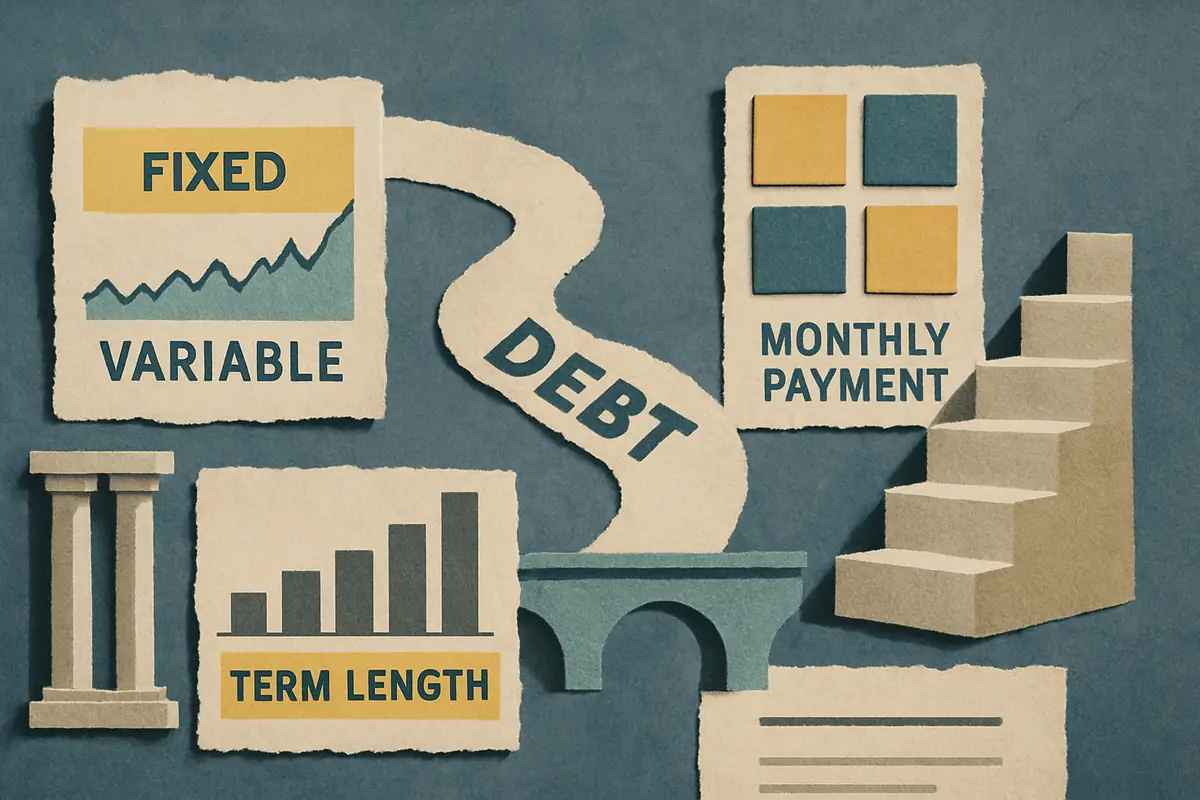
Variable vs Fixed Rates
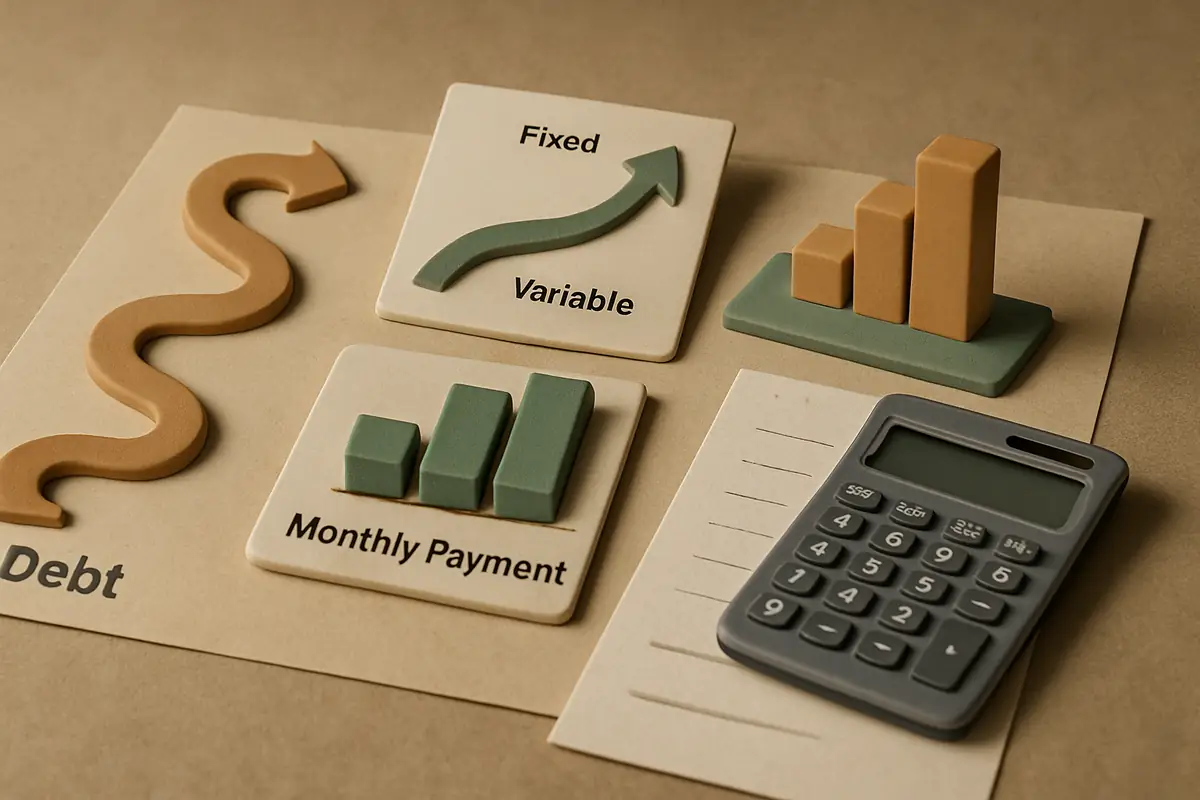
Fixed APR means steady payments; variable rates tie to benchmarks like prime rate causing fluctuations that impact repayment stability.
Borrowers with variable-rate unsecured loans may face rising repayment costs amid changing economic conditions increasing refinancing pressure — a situation less common with fixed-rate secured products yet never absent from contractual obligations requiring close review before signing.
Hidden Costs and Contractual Complexities
Beyond base rates and principal repayments lies a spectrum of fees influencing effective loan expenses: origination fees ranging from 1–5%, late payment penalties often between $25–$50 per occurrence, insurance requirements adding hundreds annually especially on secured home or auto loans, plus mandatory escrow accounts holding taxes or insurance premiums upfront in some mortgage contracts.
Contract language frequently contains clauses with significant financial implications such as acceleration clauses allowing immediate full balance demand upon default or restrictions limiting refinancing options within certain timeframes creating refinancing pressure even when market rates fall.
Where readers should be careful
Borrowers should scrutinize all contract pages carefully for provisions that might trigger increased liability or limit flexibility especially if future income volatility is anticipated.
Alternatives and Practical Checklist for Borrowers
When deciding on secured versus unsecured loans consider these key steps: assess whether you can provide collateral without risking essential property; calculate true cost including all fees; evaluate your ability to maintain consistent repayments given term length; question penalties tied to early repayment or missed payments; research lender reputation for transparent disclosure; prepare fallback plans if cash flow tightens suddenly preventing timely repayment.
Exploring alternatives such as credit union offers with competitive rates or employer-based assistance programs may yield cost savings while reducing risk exposure compared with high-interest payday-style personal loans lacking transparent terms.
+Understanding these parameters equips borrowers to make informed choices about financial trade-offs rather than reacting solely to advertised monthly payment amounts or headline rates.+ In Sarah’s case, opting for a slightly higher monthly payment through a secured loan reduced total borrowing costs by more than $1,500 and avoided steep fee surprises typical in unsecured offers she also received.+
+Final Reflections From a Real Household Perspective+
+Sarah’s decision-making journey illustrates how borrowing under pressure requires detailed attention beyond surface-level comparisons.+ The increased scrutiny over APR components +fees+term length+and collateral repercussions safeguards against long-term financial strain.+ Lenders commonly highlight low teaser rates but omit nuanced risks embedded in collateral demands or penalty clauses.+ Households navigating these choices benefit from methodical review +asking questions +and considering alternatives well before signing binding contracts.+ By returning decision focus onto true cost +contractual obligations +and realistic repayment capacity rather than marketing promises,+ borrowers protect themselves against prolonged stress related to missed payments or repossessions.+
Impact of Loan Types on Credit Scores and Financial Health
The distinction between secured and unsecured loans extends beyond collateral requirements; it significantly influences your credit profile and overall financial health. Secured loans, due to their lower risk to lenders, typically offer lower interest rates and can be easier to obtain for borrowers with less-than-perfect credit. Successfully managing a secured loan, such as making timely payments on a car loan or mortgage, can positively impact your credit score by demonstrating responsible debt management. On the other hand, unsecured loans often come with higher interest rates because lenders bear more risk without collateral backing. Missed payments or defaults on unsecured loans can severely damage your credit score and lead to aggressive collection actions since the lender’s only recourse is legal action rather than asset seizure.
Borrowers should also consider how the presence of a secured loan might affect future borrowing opportunities. Having an active secured loan with consistent repayments can signal financial stability to other lenders, potentially improving the terms of subsequent credit applications. Conversely, defaulting on a secured loan carries tangible risks such as asset repossession or foreclosure, which not only impact credit scores but also reduce available personal assets. This dual effect can create long-term financial challenges that complicate recovery efforts. The nuanced influence of these loan types on creditworthiness underscores the importance of understanding their implications before committing.
Choosing the Right Loan Based on Purpose and Risk Tolerance
Selecting between a secured and unsecured loan should align with your specific financial goals, risk tolerance, and ability to manage repayment commitments. For instance, if you need a substantial amount for purchasing a home or vehicle, a secured loan often provides access to larger sums at competitive interest rates while spreading repayment over an extended period. However, this requires careful consideration of your capacity to maintain steady income since failure to repay could mean losing valuable assets. Conversely, if you require funds for smaller expenses like consolidating debt or covering emergency costs without risking property loss, unsecured loans might be more appropriate despite their higher interest costs.
Risk tolerance plays an essential role in this decision-making process. Conservative borrowers who prioritize asset protection may lean towards unsecured loans even if it means higher monthly payments or shorter terms. On the other hand, borrowers comfortable with leveraging collateral may prefer secured loans for better rates and potentially larger amounts. In either case, evaluating how each option meshes with your long-term financial strategy—considering factors like job security, other debts, and future financial goals—is critical for making informed borrowing choices.
Practical Considerations: Application Process and Approval Criteria
The application processes for secured versus unsecured loans differ notably in complexity and requirements. Secured loans inherently require documentation proving ownership of collateral; this adds steps such as property appraisals or vehicle inspections to verify asset value. Lenders also conduct thorough assessments on the collateral's condition and marketability in case repossession becomes necessary. While these procedures may extend approval timelines, they generally result in favorable interest rates reflecting reduced lender risk.
Unsecured loan applications tend to be more straightforward since no asset pledge is involved; however, lenders compensate for this elevated risk through stricter scrutiny of borrowers’ credit scores, incomes, employment histories, and debt-to-income ratios. Approval odds increase significantly with strong credit profiles but can be challenging for applicants with limited or adverse credit records. Additionally, unsecured loans often involve higher fees or stricter repayment schedules to offset risk exposure. Understanding these procedural differences helps borrowers anticipate timelines and prepare requisite documentation accordingly.
Potential Consequences of Default: What Borrowers Should Know
Defaulting on a loan has profound consequences that vary according to whether the loan is secured or unsecured. In the event of default on a secured loan, lenders have legal authority to seize the pledged collateral—whether it's real estate, vehicles, or other valuable assets—to recover their losses. This process often results in repossession or foreclosure proceedings that not only strip away physical property but also inflict long-lasting damage on your financial record through public filings such as liens or judgments.
Conversely, defaulting on unsecured loans does not lead directly to asset seizure; instead, lenders rely primarily on collection efforts including demand letters, phone calls from debt collectors, legal action for judgments against you—and potential wage garnishments once judgments are established. Such outcomes can severely impair your creditworthiness and limit access to future financing options for years. Importantly, both types of defaults remain visible on credit reports for extended periods—typically seven years—affecting everything from insurance premiums to rental applications.
Impact of Loan Type on Interest Rates and Repayment Terms
One of the most significant differences between secured and unsecured loans lies in the interest rates and repayment terms that lenders offer. Because secured loans are backed by collateral, lenders face less risk of losing their money if a borrower defaults. This reduced risk typically translates into lower interest rates for secured loans compared to unsecured ones. Borrowers might find mortgage or auto loan rates significantly cheaper than credit card or personal loan rates, reflecting this distinction in risk profiles. Additionally, repayment periods for secured loans tend to be longer, allowing for smaller monthly payments spread over several years. This can make large purchases more affordable for consumers but also increases the total interest paid over time. In contrast, unsecured loans often have higher interest rates to compensate lenders for greater risk and usually shorter repayment terms. Understanding these differences is crucial when evaluating your borrowing options because they directly affect both your monthly budget and overall financial obligations.
Another important aspect to consider is the flexibility of repayment terms associated with each loan type. Secured loans often come with fixed schedules and strict conditions tied to the collateral involved; for example, failing to meet payments on a home equity loan may trigger foreclosure proceedings. On the other hand, unsecured loans like credit cards may offer more flexible minimum payment options but at the cost of accruing higher interest if balances remain unpaid. Borrowers should carefully assess their ability to commit to fixed repayments without risking asset loss versus managing revolving debt that could spiral due to compounding interest. Choosing between secured and unsecured lending solutions requires a thoughtful evaluation of one’s financial discipline, risk tolerance, and long-term monetary goals.
How Credit Scores Influence Loan Approval and Terms
Credit scores play a pivotal role in securing loans, yet their influence can vary significantly between secured and unsecured lending products. For unsecured loans, where no collateral mitigates lender risk, creditworthiness is often the primary determinant for approval and interest rates. Applicants with high credit scores generally qualify for better rates and higher borrowing limits because they demonstrate reliability in repaying debts. Conversely, those with poor credit histories might face outright denial or be offered loans at substantially higher interest rates to offset perceived default risk. In contrast, secured loans provide an alternative route for borrowers whose credit scores might not be ideal since collateral reduces lender exposure. Even individuals with less-than-perfect credit may gain access to funds by pledging assets such as property or vehicles. However, the presence of collateral does not eliminate credit score considerations entirely; lenders still evaluate credit history to verify overall financial responsibility.
Understanding the interplay between credit scores and loan types can help borrowers strategically improve their chances of approval while obtaining favorable terms. For example, a borrower with mediocre credit looking to finance a car purchase might opt for a secured auto loan rather than an unsecured personal loan due to lower rates enabled by collateral backing. Simultaneously, improving credit through timely payments and reducing outstanding debts can enhance eligibility for unsecured products in the future, offering more borrowing flexibility without risking asset forfeiture. Overall, proactive management of credit health combined with knowledge about secured versus unsecured lending criteria empowers individuals to make financially sound decisions aligned with their circumstances.
Risks and Consequences Associated With Each Loan Type
While both secured and unsecured loans carry inherent risks, the nature and consequences of default can differ dramatically depending on the loan type chosen. With secured loans, borrowers risk losing their pledged collateral if they fail to meet repayment obligations. For instance, defaulting on a mortgage or car loan could lead to foreclosure or repossession respectively—actions that not only result in loss of valuable property but also cause significant damage to credit reports and future borrowing prospects. These severe ramifications make it critical for borrowers considering secured debt to realistically assess their ability to maintain consistent payments over time before committing assets as security.
Unsecured loans pose different challenges: although there is no immediate threat of asset seizure upon default, lenders may pursue legal remedies such as wage garnishment or lawsuit settlements if debts remain unpaid long term. Additionally, missed payments quickly harm credit ratings and can increase outstanding balances through accruing penalties and interest charges. The absence of collateral means lenders rely heavily on borrower goodwill reinforced by legal contracts — however, this doesn’t diminish financial consequences that ultimately impact personal finances profoundly. Borrowers must weigh these contrasting risks carefully; opting for unsecured debt may offer short-term convenience but could escalate costs rapidly if not managed prudently.
Real-World Scenarios Illustrating Borrower Decision-Making
How this can look in practice
Consider two individuals seeking funds: Sarah needs $15,000 to renovate her kitchen, while James requires $10,000 to cover unexpected medical expenses without any valuable assets available as collateral. Sarah chooses a home equity loan—a secured option leveraging her house—to secure a low-interest rate with manageable monthly payments stretched over several years. Her decision hinges on having sufficient equity in her property and confidence in steady income streams ensuring timely repayments without risking foreclosure. Meanwhile, James opts for an unsecured personal loan despite higher costs because he lacks collateral but urgently needs cash within a short timeframe. He accepts slightly elevated interest rates in exchange for faster approval processes typical with unsecured products tailored toward emergency financing scenarios.
These contrasting choices emphasize how individual circumstances dictate optimal loan selection strategies: those possessing tangible assets may benefit from lower-cost secured financing while borrowers without collateral or facing urgent needs often turn toward unsecured options despite increased expenses due to quicker access or lack of security requirements.
Considerations for Businesses When Choosing Between Secured and Unsecured Loans
Business owners must also evaluate whether secured or unsecured loans best align with their operational needs and risk tolerance levels. Secured business loans frequently involve pledging company assets such as equipment, real estate holdings, or accounts receivable against borrowed capital used for expansion or working capital requirements. Although these arrangements typically offer lower borrowing costs due to diminished lender risk exposure, they also expose essential business properties to potential loss in case of default—creating significant operational disruption risks.
Alternatively, unsecured business lines of credit provide greater flexibility without immediate asset commitment but often carry higher interest costs and stricter qualification criteria focused on revenue stability and creditworthiness metrics alone. Small startups lacking substantial collateral might find this route appealing despite elevated expenses because it preserves physical assets essential for daily operations while supplying necessary liquidity during growth phases or unforeseen challenges.