Roughly 70% of U.S. adults own at least one credit card, and the average household carries a balance of over $5,000. While promotional offers like 0% APR periods or sign-up bonuses grab attention, it’s the daily use of these cards—how you pay, spend, and manage balances—that most strongly shapes your long-term financial outcomes. Quiet missteps like missed payments, carrying balances at high interest, or overlooking fees can quietly erode financial health far more than any temporary promotion can offset.
Unpacking the Hidden Risks Behind Promotions
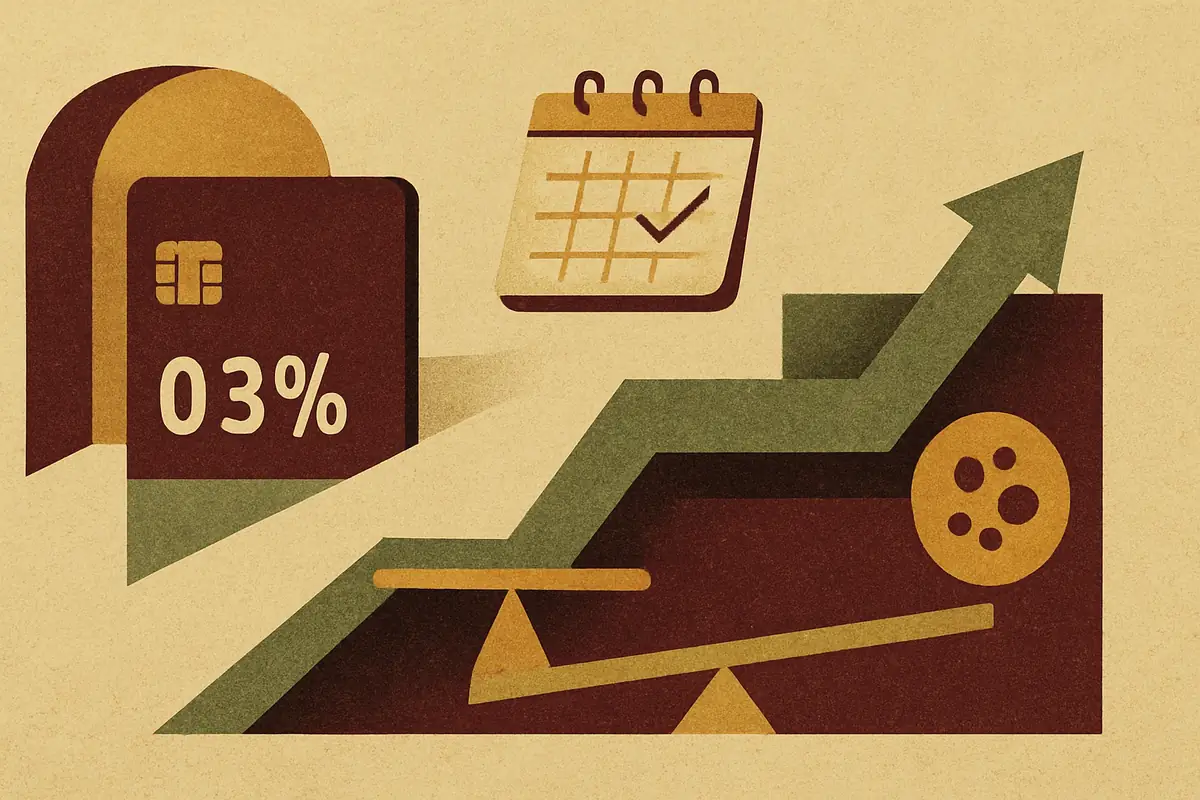
Credit card issuers often advertise enticing promotions: introductory 0% APRs (annual percentage rates, or the yearly cost to borrow), bonus points, or cashback incentives. These offers can be useful when handled wisely, but they come with less obvious risks. For example, a 0% APR on purchases or balance transfers typically lasts between 6 and 18 months. Once this period ends, regular APRs—commonly between 18% and 30%—kick in. If you haven’t paid off your balance by then, you’ll face steep interest on the remaining amount, potentially hundreds of dollars per year.
Promotions can also encourage extra spending. Studies show that cardholders may increase their spending by 10% to 20% during promotional periods, sometimes exceeding monthly budgets by several hundred dollars. This can lead to higher balances, which, if not paid off in full, start accruing interest at the regular rate. Over time, even a few months of carrying a $2,000 balance at a 24% APR can add $40 or more in interest monthly.
Consistent Credit Card Habits Have Greater Impact Than Sign-Up Bonuses
Consider two cardholders: One uses their credit card for everyday purchases but pays the full balance every month, avoiding interest charges. The other takes advantage of a $200 sign-up bonus but regularly carries a balance and occasionally misses payments. Over the course of a year, the first cardholder may pay $0 in interest and fees, while the second could easily incur $300 or more in interest and late fees—wiping out any promotional gain.
Good credit card habits include paying bills on time, keeping your balance below 30% of your total credit limit (known as credit utilization, which is the percentage of your available credit you’re using), and understanding how reward categories align with your actual spending. Poor habits, such as making impulse purchases to meet bonus thresholds or forgetting due dates, can quickly negate any promotional benefits and hurt your credit score.
Scenario: The Cost of Carrying a Balance After a Promotion Ends
"Jessica signed up for a new card offering 0% APR for 12 months. She spent $3,000 on furniture, planning to pay it off over time. When the promotional period ended, her APR jumped to 22%. Over the next five months, she paid only the minimum each month ($75). Here’s how her costs added up:
- After 12 months: $3,000 balance remains, no interest charged yet.
- Month 13: Interest for the month = $3,000 x (22%/12) ≈ $55.
- Month 14: New balance ≈ $2,980 (after $75 payment) + $54 interest.
- After five months: She’s paid about $375 but owes over $2,800, and has paid roughly $270 in interest—more than the value of many sign-up bonuses."
Jessica’s experience is common. Balances carried after promotional periods can grow rapidly due to compounding interest, especially when only minimum payments are made.
Benefits of Responsible Credit Card Use
- Builds a positive credit history by making timely payments.
- Avoids costly interest rates and penalty fees (which can range from $30 to $40 per late payment).
- Maximizes rewards by matching spending to high-earning categories.
- Keeps credit utilization low, typically under 30% of your total limit.
Risks of Relying Too Much on Promotions
- Extra spending to earn rewards can raise debt by hundreds or thousands of dollars.
- Introductory low rates may delay repayment, leading to high interest after the period ends.
- Promotional terms may hide fees or rate hikes in the fine print.
- Frequent card switching (known as churning) can temporarily lower credit scores by 5–10 points per hard inquiry.
Understanding Timing Is Critical for Payment Management
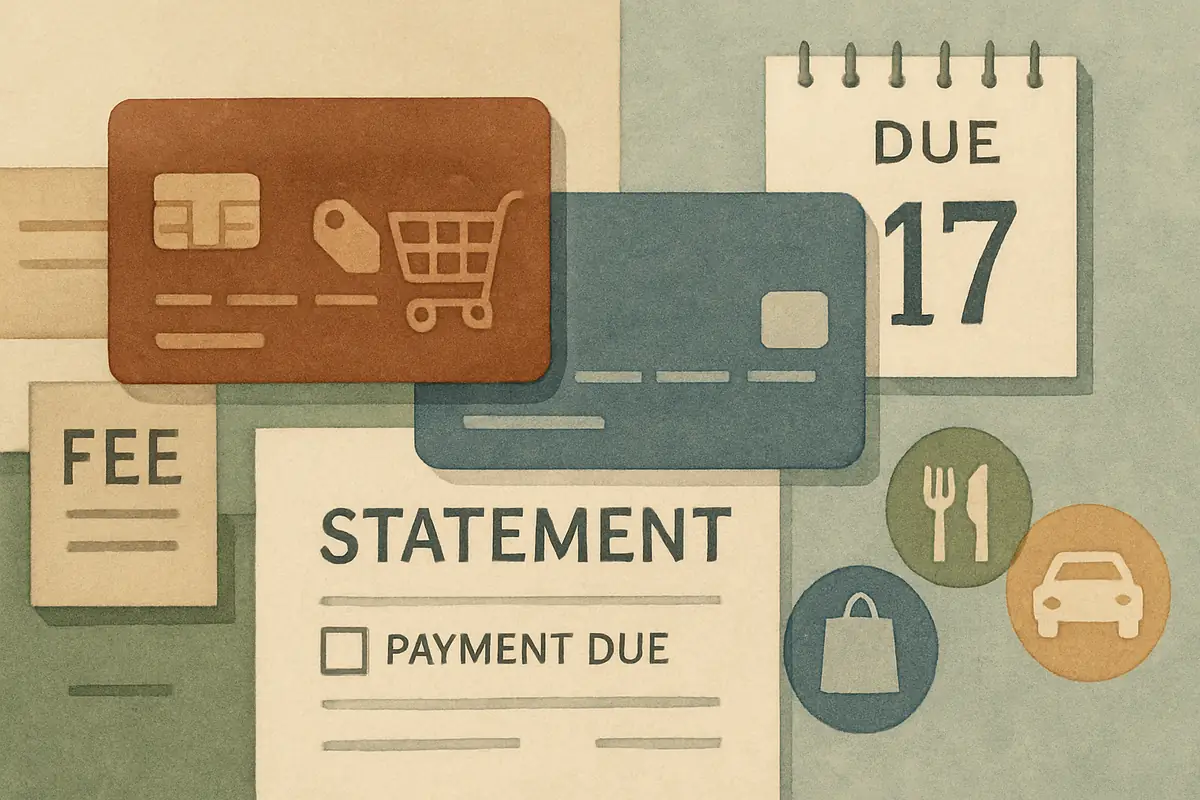
Knowing your payment due date and grace period is essential. The grace period is the window—commonly 21 to 25 days after the statement closes—when you can pay your balance in full without interest. If you miss this, interest applies not just to the carried balance but sometimes retroactively to new purchases. For example, if you have a $1,500 balance and miss the grace period, at a 20% APR you could pay around $25 in interest for a single month.
Setting calendar reminders or automating payments can help you avoid late fees, which often range from $30 to $40 per occurrence. Remember, a 0% promotional APR only affects new purchases or transfers for a set period; it doesn’t change when your payment is due.
| Term | What It Means | Potential Risk |
|---|---|---|
| APR (Annual Percentage Rate) | The yearly cost of borrowing money, expressed as a percentage | High APR (18%–30%) leads to expensive interest if balance is carried. |
| Grace Period | Time from statement closing to payment due date (typically 21–25 days) without interest | Missing payment causes loss of grace period and immediate interest charges. |
| Promotional APR | Temporary low or zero-interest rate (usually for 6–18 months) | Ends after set time; unpaid balances then incur higher rates. |
| Penalty Fees | Charges for late payments or exceeding limits (often $30–$40 each) | Fees accumulate and raise overall debt. |
Understanding these terms helps you avoid costly surprises and maintain control over your credit card expenses, even when using promotions.
Rewards Programs: Balancing Opportunity and Pitfalls
Rewards programs—cashback, points, travel miles—are major draws. Some cards offer up to 5% back on select categories like groceries or gas, but often cap annual earnings (e.g., $1,500 in bonus category spending per quarter). Points may expire after 12–24 months, and some cards require annual fees of $95 or more. Less experienced users may miss these details.
Chasing rewards can tempt you to spend more than needed. For example, spending an extra $500 to earn $50 in cashback results in a net loss if you carry a balance and pay $100 in interest over several months. Overspending by just $100 monthly to meet thresholds can add $1,200 to your annual debt.
The most effective approach is to pick cards that match your regular expenses and to pay balances in full monthly. Over time, disciplined users often save more by avoiding interest and fees—even if their total rewards are lower—than those who chase every bonus.
How Fees Accumulate Without Notice
Credit cards come with a range of fees: annual fees (often $35–$550), late payment fees ($30–$40), cash advance fees (typically 3%–5% of the amount, with no grace period), and foreign transaction fees (usually 1%–3%). Holding multiple cards with annual fees but not using their benefits can cost hundreds per year.
Late payment fees are applied immediately after missing a due date and can trigger penalty APRs—often 29% or higher—which may last for six months or more. Cash advances start accruing interest right away, sometimes at rates above 25%.
Where readers should be careful
Ignoring the details of fee structures can lead to mounting costs that quickly outweigh any rewards or promotional benefits earned.
Building Lasting Credit Card Discipline
Developing strong credit card habits starts with simple routines: always pay at least the minimum due on time, budget so you don’t spend above your means, review monthly statements for errors, and set up alerts for due dates. Understanding your billing cycle—when your statement closes and payment is due—helps avoid interest and late fees. Periodically review all your cards to ensure they still fit your needs and justify any fees.
Discipline also means resisting the urge to overspend during promotional periods or to sign up for every new bonus offer. A single late payment can remain on your credit report for up to seven years, and multiple hard inquiries from frequent applications can temporarily lower your score by several points each.
The Psychology of Credit Card Habits
Consumer psychology plays a significant role in credit card use. Promotional offers like zero percent APR or bonus points create a sense of urgency and excitement, often leading to quick decisions. However, it’s regular behaviors—like making payments on time, keeping balances low, and monitoring spending—that have the greatest impact on financial health. These habits help avoid penalties and interest, while impulsive decisions can lead to mounting debt and credit damage over time.
Psychological research suggests people often underestimate the long-term impact of small actions. Consistently paying off your balance or keeping utilization below 30% can improve your credit score over months and years, while chasing short-term perks rarely leads to lasting benefits. Recognizing this helps shift focus from temporary rewards to habits that support financial stability.
Long-Term Financial Impact of Good Credit Habits
Promotional offers may help you save money for a few months, but they rarely improve your financial standing after they expire. In contrast, strong credit habits—such as paying on time and keeping utilization low—build a positive credit history, which is the largest factor in your credit score calculation. Higher credit scores (typically above 740) can qualify you for lower loan rates, saving thousands over the life of a mortgage or auto loan.
Maintaining a credit utilization ratio below 30% reassures lenders of your ability to manage debt responsibly. For example, with a $10,000 credit limit, keeping your balance under $3,000 can help boost your score. Over time, these habits lead to better borrowing terms, higher credit limits, and lower overall costs—benefits that far outlast any promotional offer.
Practical Steps for Developing Healthy Credit Card Habits
Establishing strong credit card habits takes intention but pays off over the years. Set up automatic payments for at least the minimum due to avoid late fees and missed payments. This ensures a consistent payment history, which makes up about 35% of your credit score.
Monitor your spending using budgeting tools or your card’s online portal. This helps prevent overspending and allows you to adjust before balances become unmanageable. Aim to pay more than the minimum—paying only the minimum on a $2,000 balance at 20% APR can cost over $400 in interest and take years to pay off.
Limit new card applications; each hard inquiry can reduce your score by 5–10 points for up to a year. Instead, choose cards that align with your spending and long-term goals, not just the best promotional offer.
When Promotional Offers Can Backfire
Promotional offers like 0% APR or sign-up bonuses can be helpful, but they also encourage risky behaviors if not managed carefully. For example, a zero-interest period may tempt you to make a large purchase without a clear plan to pay it off. If you spend $2,500 during a 12-month 0% APR offer but only pay off half, the remaining $1,250 will start accruing interest at the regular rate—potentially adding $250 or more in interest over the next year.
Similarly, chasing rewards may lead to spending more than you can afford, increasing your debt load. Many promotional cards have annual fees or require high spending thresholds—if you don’t meet these, the costs can outweigh the benefits. Always read the terms carefully to avoid surprises once the promotional period ends.
Financial Education Shapes Credit Card Habits
Financial education empowers consumers to make informed decisions about credit card use. Understanding how credit scores are calculated—where payment history, utilization, length of credit history, and account mix matter most—helps prioritize good habits over fleeting incentives. Educational resources such as workshops or online tools can clarify concepts like compounding interest, deferred interest clauses, and balance transfer conditions.
For example, learning to read a credit card agreement can help you spot hidden fees or restrictive terms before you sign up. Simulating repayment scenarios (e.g., how long it takes to pay off $1,500 at 18% APR making only minimum payments) can reveal the real impact of habits versus promotions. Ongoing financial literacy builds confidence and supports responsible credit management throughout your financial life.
How Credit Card Habits Influence Financial Well-Being
Financial behaviors are shaped by both knowledge and routine. Responsible credit card use—paying balances in full, avoiding unnecessary purchases, and reviewing statements—can foster a sense of control and reduce stress. Positive habits reinforce themselves, making it easier to manage finances over time. In contrast, impulsive use of promotional offers can lead to debt cycles, missed payments, and credit score declines.
Habits formed early—such as budgeting credit card spending and tracking due dates—often persist for years, supporting better financial decision-making. Young adults who develop these skills are less likely to accumulate high-interest debt or face financial hardship later. Behavioral economics shows that consistent habits are more influential than isolated incentives in achieving long-term financial health.
Calculating the Real Cost of Promotional Offers
Promotional offers—like 0% APR periods, cashback bonuses, or travel miles—can mask underlying costs. For instance, a 0% APR for 15 months may encourage a $4,000 purchase. If $2,000 remains after the promo ends and the APR jumps to 25%, you’ll pay about $41 in interest the first month alone. Many rewards cards also require annual fees of $95–$550 or high spending thresholds (e.g., $3,000 in three months), which can be difficult to meet without overspending.
Applying for several promotions at once can complicate payment schedules and temporarily lower your credit score by 5–20 points. Always analyze the full terms—annual fees, required spending, and post-promotion interest rates—before deciding based on rewards alone.
Practicing Sustainable Credit Management
Sustainable credit management focuses on habits that support long-term stability. Keep your credit utilization below 30%—for example, with a $5,000 limit, try to keep your balance under $1,500. Regularly review statements for errors or unauthorized charges. Automate payments to ensure on-time bills and avoid late fees.
Set monthly spending limits based on your income to prevent excessive debt. Periodically review your credit card portfolio to close unused accounts that may tempt unnecessary spending or affect your credit history. These ongoing practices help you avoid the debt traps that can come with chasing promotions.
Credit Education as a Foundation for Good Habits
Learning about credit fundamentals—how interest works, the impact of utilization, and the importance of payment history—helps you navigate complex offers and avoid common mistakes. Many people are unaware of how quickly interest can compound or how a single late payment can affect their credit report for years.
Workshops and online tools can help you understand credit agreements, spot hidden fees, and simulate repayment scenarios. This knowledge supports informed decisions and encourages habits that protect your financial health over the long term.
The Lasting Value of Good Habits Over Temporary Offers
Strong credit habits support long-term financial goals such as homeownership, business investment, or retirement savings. A solid credit history—built through years of timely payments and low utilization—can qualify you for lower interest rates and higher borrowing limits, saving thousands over time. Lenders look for patterns of responsible behavior, not short-term spikes from promotions.
Ultimately, prioritizing good habits over fleeting offers positions you for financial milestones that require strong credit. While promotions may offer a temporary boost, it’s your daily credit card behavior that determines lasting financial success.