In 2024, U.S. consumers collectively hold over $930 billion in revolving credit card debt, with many households feeling the impact of rising balances and changing lending practices. This landscape is shaped by shifting fee structures, evolving rewards programs, and new technologies that affect how people borrow and repay. Understanding these forces is essential for anyone aiming to manage debt effectively and avoid costly missteps. This article explores the future of consumer debt, equipping you with insights to navigate tomorrow’s credit card environment.
Rising Consumer Debt and Its Impact on Household Budgets
For millions of cardholders, credit cards offer flexibility and fast access to funds—yet the convenience comes with real costs. As balances increase, so do interest charges and fees, which can limit spending on essentials like groceries, utilities, or savings. In 2023, the average American household with credit card debt owed between $6,000 and $8,000, and about 55% of cardholders reported carrying a balance month-to-month. With typical credit card annual percentage rates (APRs)—the yearly cost of borrowing expressed as a percentage—now ranging from 18% to 30%, even modest balances can balloon if not managed carefully.
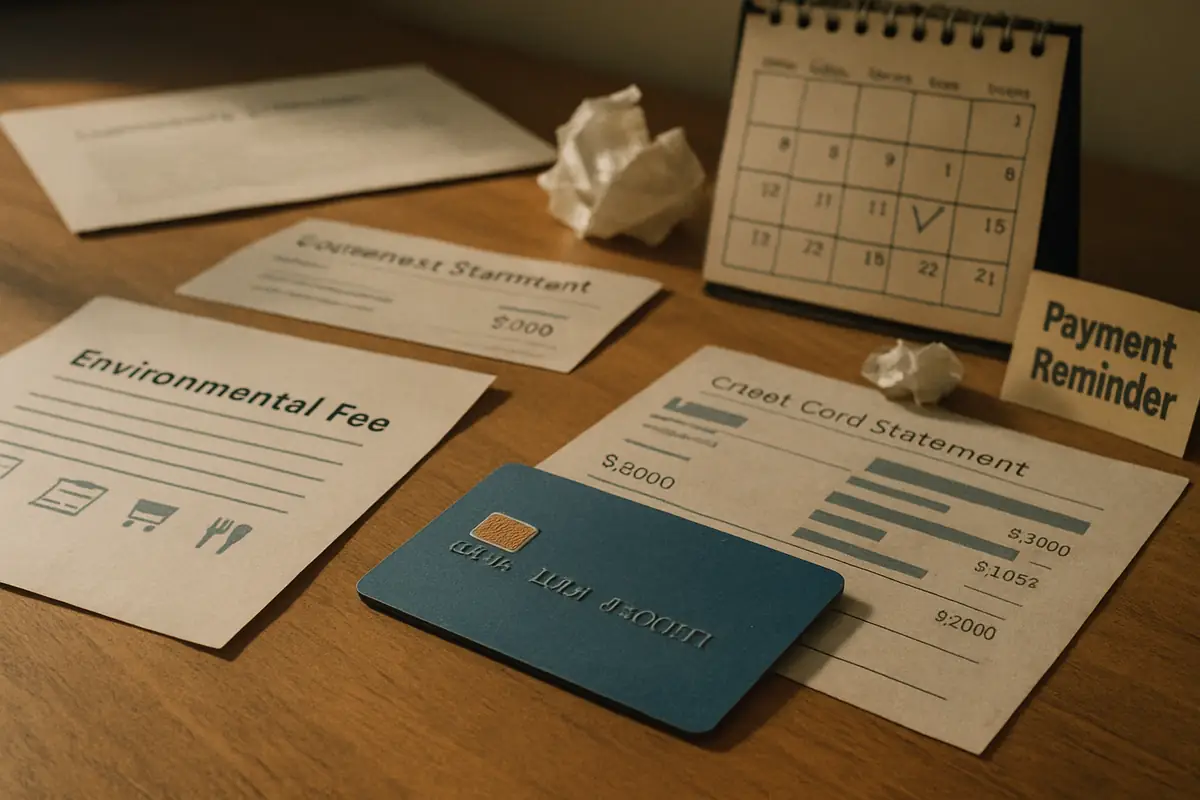
Consider Sarah, who uses her card for daily expenses and sometimes misses payment deadlines. A late payment fee, which can range from $25 to $40, is immediately added to her balance. If her issuer also raises her APR from 20% to 29% after repeated late payments, the cost of carrying debt accelerates. Small changes in payment habits—like setting up automatic reminders—can help avoid these compounding charges. Sarah’s experience illustrates how easy it is for debt to spiral, and why attention to payment timing and balance management is crucial.
Understanding Evolving Credit Card Fee Structures
Credit card issuers are revising their fee structures in response to regulatory changes and shifting economic conditions. Annual fees for premium cards now commonly range from $95 to $695, while many no-fee cards have reduced introductory offers or rewards rates. Penalty fees for late payments and over-limit spending remain significant risks, with late payment fees often scaling up for repeated offenses or higher balances.
For example, some issuers now use variable late fees: if you miss a $1,500 payment by one billing cycle, you might incur a $30 fee for the first offense, but a second missed payment could push that fee to $40. Over-limit fees—charges for exceeding your credit limit—typically add $25 to $35 per occurrence. Foreign transaction fees, which range from 1% to 3% of the purchase amount, can add up quickly for frequent travelers or those shopping with international merchants.
| Fee Type | Description | Potential Impact |
|---|---|---|
| Annual Fee | Yearly cost charged for card membership, often $0–$695 | May offset rewards if card use is infrequent |
| Late Payment Fee | Charge for missing the due date, typically $25–$40 | Raises total debt and can trigger APR increases |
| Over-Limit Fee | Fee for spending beyond credit limit, usually $25–$35 | Further adds to balance and risk of penalty APR |
| Foreign Transaction Fee | 1%–3% fee on purchases in other currencies | Increases costs for international or online purchases |
Evaluating the Value of Rewards Programs
Rewards programs—offering points, cashback, or travel perks—remain a major incentive for card use. However, the real value depends on spending patterns, payment habits, and program details. Many cards require minimum spending of $1,000–$4,000 within the first three months to unlock sign-up bonuses, and some rewards points expire after 12–24 months of inactivity. High annual fees and changing redemption rules can also erode value.
Take John’s situation: he earns 2% cashback on $1,000 in monthly purchases, totaling $240 a year. However, if he carries a $3,000 balance at a 24% APR, his annual interest charges are about $720. Here’s the math:
- Monthly interest: $3,000 × (24% ÷ 12) = $60
- Annual interest: $60 × 12 = $720
- Net effect: $240 rewards – $720 interest = –$480 (a net loss)
This example shows that interest charges can easily outweigh rewards. Understanding terms like “utilization ratio” (the percentage of your credit limit used, ideally kept below 30% for a healthy credit score) and “redemption value” is key to maximizing benefits without falling into debt traps.
Where this helps
- Earn money back on everyday purchases—typically 1%–5% depending on category.
- Access exclusive deals, travel upgrades, or purchase protections.
- Build credit history through responsible use and on-time payments.
Where caution is needed
- Interest charges (commonly 18%–30% APR) can quickly negate earned rewards if balances are not paid in full.
- Complex point systems may have restrictive redemption options or expiration policies.
- Some cards have annual fees ($95–$695) that can offset any rewards gained.
Strategic Payment Timing and Cost Control
Paying your credit card balance in full by the statement due date is the most effective way to avoid interest, as most cards offer a grace period of 21–25 days after the close of each billing cycle. Making only the minimum payment—often 1%–3% of the balance plus interest—can extend repayment for years and dramatically increase total costs.
For example, if you owe $5,000 at a 20% APR and pay only the $125 minimum (2.5%), it could take over 25 years to repay in full, with total interest exceeding $7,000. Understanding your billing cycle—the period between statements—can also help: purchases made early in the cycle enjoy a longer grace period before interest applies, while those made just before the due date have a shorter window.
Technological Advancements in Debt Management
Mobile banking apps and digital wallets increasingly offer real-time balance updates, spending categorization, and automated payment reminders. These tools help users avoid late payments and track spending trends. Some cards now feature dynamic spending limits, adjusting available credit based on usage patterns and payment history—a process informed by machine learning algorithms that predict risk.
For instance, a card’s “smart” feature might lower your limit if you approach your maximum or miss a payment, helping to prevent overextension. However, relying solely on technology can be risky if you ignore statements or overlook important notifications. Features like biometric login and two-factor authentication also enhance account security, reducing fraud risk but requiring users to stay vigilant about privacy settings and device management.
Adapting to Evolving Borrower Protections
Regulatory shifts continue to influence consumer rights around disclosures, dispute resolution, and fee transparency. Recent changes have mandated clearer explanations of interest charges and repayment options, especially for newer products like buy-now-pay-later (BNPL) plans. Some jurisdictions now require lenders to cap late fees or provide hardship programs for borrowers facing financial distress.
Staying informed about these protections is essential. For example, knowing that you have 60 days to dispute unauthorized charges or billing errors can help you act quickly if something goes wrong. Understanding your rights when applying for new cards—or when your issuer changes terms—can prevent surprises like sudden APR hikes or reduced credit limits.
Is carrying a balance ever beneficial?
Generally, no; interest charges almost always outweigh any rewards or benefits.
Can I negotiate fees with my issuer?
Sometimes; contacting customer service proactively may result in a one-time waiver for late or annual fees.
How has COVID-19 affected consumer debt trends?
During economic disruptions, many consumers saw balances increase and relied more on minimum payments, highlighting the importance of budgeting and emergency funds.
Actionable Strategies for Smarter Debt Management
Conduct an annual review of all active cards, comparing fees, interest rates, and rewards to ensure each card still fits your needs. Cards with high annual fees and low usage may be candidates for closure, but keep in mind that closing old accounts can affect your credit history and “average account age”—a factor in credit scoring models.
Setting up automated payments—even for just the minimum—can help avoid penalty fees and missed payments. For example, scheduling a recurring payment of $100 on a $2,000 balance at 22% APR reduces the risk of late fees and helps pay down the balance faster than making only the minimum. Maintaining an emergency fund equal to at least one month’s expenses can also help avoid high-interest borrowing when unexpected costs arise.
Emerging Trends and Innovations to Monitor
Artificial intelligence (AI) is increasingly used to deliver personalized advice and detect unusual spending patterns. Some platforms analyze your transaction history to suggest optimal payment strategies or flag potential fraud. However, these tools are only as effective as the data and algorithms behind them—so review privacy policies and accuracy before relying on automated recommendations.
New regulations continue to emerge around digital lending, BNPL services, and data protection, potentially affecting how fees are disclosed or how creditworthiness is assessed. Consumers should monitor these changes and adapt their habits accordingly. For example, upcoming rules may require BNPL providers to report payment histories to credit bureaus, impacting your credit score if payments are missed.
Final Checklist for Managing Your Consumer Debt
- Review statements monthly to catch new or increased fees.
- Pay at least the minimum amount by each due date to avoid penalties.
- Understand the full terms of rewards programs, including expiration and redemption rules.
- Use digital tools to track balances, but verify information regularly.
- Stay up to date on evolving consumer protection laws and lending regulations.
- Evaluate new technologies cautiously and maintain direct oversight of your finances.
How Technology Is Reshaping the Debt Landscape
Rapid technological change is transforming how lenders assess credit and how consumers manage debt. AI-powered credit scoring models now incorporate not just payment history and outstanding balances, but also spending patterns and even utility bill payments, allowing more nuanced assessments and broader access to credit. Blockchain technology is beginning to offer greater transparency and security in loan transactions, reducing fraud and administrative costs for both lenders and borrowers.
Fintech platforms have expanded access to credit through peer-to-peer lending, microloans, and buy-now-pay-later (BNPL) services—often with approval times under 5 minutes and loan amounts from $100 to $5,000. While these options provide flexibility, they can also lead to overextension if repayment terms or fees are not understood. BNPL, for instance, typically splits purchases into four payments over six weeks, but missed payments can trigger late fees of $7–$15 and may eventually affect your credit report.
Shifting Consumer Behavior and Expectations
Millennials and Gen Z—who together make up over 40% of the U.S. adult population—often prioritize experiences over possessions and favor flexible payment options. These groups are more likely to use BNPL services or digital wallets, and expect real-time spending alerts, instant approvals, and transparent terms. Lenders are responding with products featuring no annual fees, instant virtual cards, and flexible repayment schedules.
However, rising living costs and wage stagnation mean that many families face tighter budgets. As a result, demand is growing for personalized financial coaching, budgeting tools, and integrated alerts that help users avoid overspending or missed payments. Credit products are increasingly designed to support responsible use, with features like spending caps or automatic payment triggers. These changes reflect a broader shift toward ethical lending and sustainable financial habits.
The Regulatory Environment and Its Effects on Credit Markets
Governments and regulators are responding to rising household debt by tightening rules around fee disclosures, data privacy, and fair lending. For example, some jurisdictions now cap late fees at $40 and require clear disclosure of all costs for BNPL and digital loan products. Enhanced data privacy laws restrict how lenders can use personal financial information, while new credit scoring guidelines promote inclusivity by considering alternative data.
Regulators are also pushing for standardized interest rate disclosures—making it easier for consumers to compare products—and requiring lenders to offer hardship programs or flexible repayment options. These measures seek to balance innovation with borrower protection, ensuring that new credit products do not expose consumers to hidden risks or predatory practices.
The Growing Importance of Financial Education
As credit products become more complex, financial education must keep pace. Consumers need to understand technical terms like "APR" (the annualized cost of borrowing), "utilization ratio" (the percentage of available credit in use), and "amortization" (the process of paying off debt in regular installments). Education programs should address how variable interest rates, dynamic fees, and digital tools work, as well as how to spot hidden costs or misleading marketing tactics.
Scenario planning—such as calculating the long-term cost of carrying a balance or the impact of missed payments—can help consumers anticipate challenges. Access to clear, jargon-free resources empowers individuals to make informed decisions and advocate for themselves in a rapidly changing financial environment.
Practical Approaches for Managing Debt in the Future
To navigate the evolving credit landscape, consumers can adopt several effective strategies. Use apps that consolidate all debts in one dashboard for easier tracking. Before using new credit options like microloans or BNPL, compare costs and terms, looking for fees or penalties that may not be obvious. Maintain an emergency fund—ideally covering one to three months of expenses—to reduce reliance on high-interest borrowing. Regularly review your credit report for errors, which can affect your ability to borrow or the rates you receive. When considering major borrowing decisions, seek guidance from qualified professionals to ensure choices align with your long-term goals.
Collaboration: The Key to a Sustainable Consumer Debt Future
The trajectory of consumer debt will be shaped not just by technology or regulation, but by collaboration among lenders, regulators, educators, technologists, and consumers. Financial institutions must prioritize transparent, responsible innovation; regulators need flexible frameworks that adapt to new risks; educators should deliver accessible, inclusive financial literacy programs; and consumers must take an active role in monitoring and managing their own finances.
Through ongoing cooperation and a shared commitment to transparency and accountability, the future of consumer debt can be one where credit serves as a tool for opportunity and resilience—rather than a source of financial strain.