When Emily needed $8,000 to cover urgent home repairs after a pipe burst, she faced a classic dilemma: accept a loan with approval in hours but a higher cost, or wait a week for a more affordable offer. This scenario is common for borrowers, who often must weigh the need for fast funding against the reality of increased borrowing expenses. In the U.S., over 30% of unsecured personal loans are issued by online lenders advertising same-day or next-day funding, compared to traditional banks where approval and funding can take five to ten business days.
The Appeal and Trade-Offs of Fast Loan Approvals
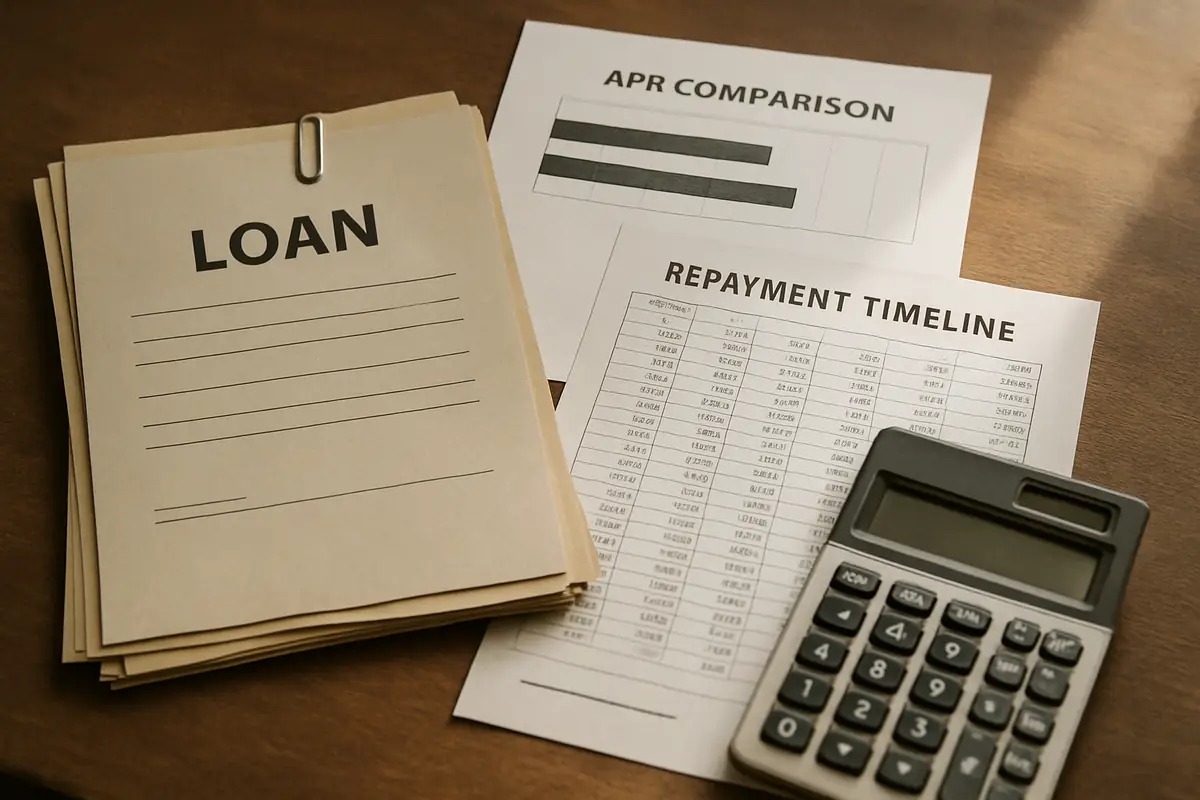
For many borrowers, fast loan approval is more than just a convenience—it can be a necessity. Unplanned expenses such as a $2,000 medical bill or a $1,500 car repair often require immediate attention. Quick access to funds drives many borrowers toward lenders promising approvals in as little as 15 minutes to 24 hours. However, this speed typically comes at a price. Lenders offering rapid approval may charge annual percentage rates (APRs)—the total yearly cost of borrowing, including interest and fees—ranging from 18% to 36%, compared to the 6% to 12% APRs often offered by credit unions or traditional banks.
Loan approval times vary: some online lenders use automated systems that can assess creditworthiness using only a credit score and basic information, sometimes in under 60 seconds. These streamlined processes may limit eligibility to higher-risk borrowers, who are then charged steeper fees and higher APRs. In contrast, banks and credit unions often require more documentation, such as pay stubs and tax returns, and may take 3 to 10 days for approval. Borrowers must decide if the need for speed justifies potentially paying hundreds or even thousands more in interest and fees over the loan’s life.
How Interest Costs and Lender Risk Affect Loan Pricing
Interest costs on loans are fundamentally tied to how lenders assess risk and the speed at which they want to recoup their investment. When loans are approved quickly, lenders often rely on limited data, such as a single credit score. This incomplete risk profile increases uncertainty about repayment, so lenders set higher APRs as a buffer against potential default. For example, a fast-approval loan might carry an APR of 24%, while a slower, traditional loan might offer 8%.
Fast-approval loans often include fees not immediately obvious from advertised rates—such as origination fees (typically 1% to 5% of the loan amount), prepayment penalties, or mandatory insurance add-ons. These can inflate the effective cost beyond the stated interest rate. The APR, which includes both interest and mandatory fees, provides a clearer picture of the true cost of borrowing. For example, a $10,000 loan with a 5% origination fee means $500 is deducted upfront, so the borrower only receives $9,500 but must repay the full $10,000 plus interest.
Scenario: David’s Choice Between Two Personal Loan Offers
How this can look in practice
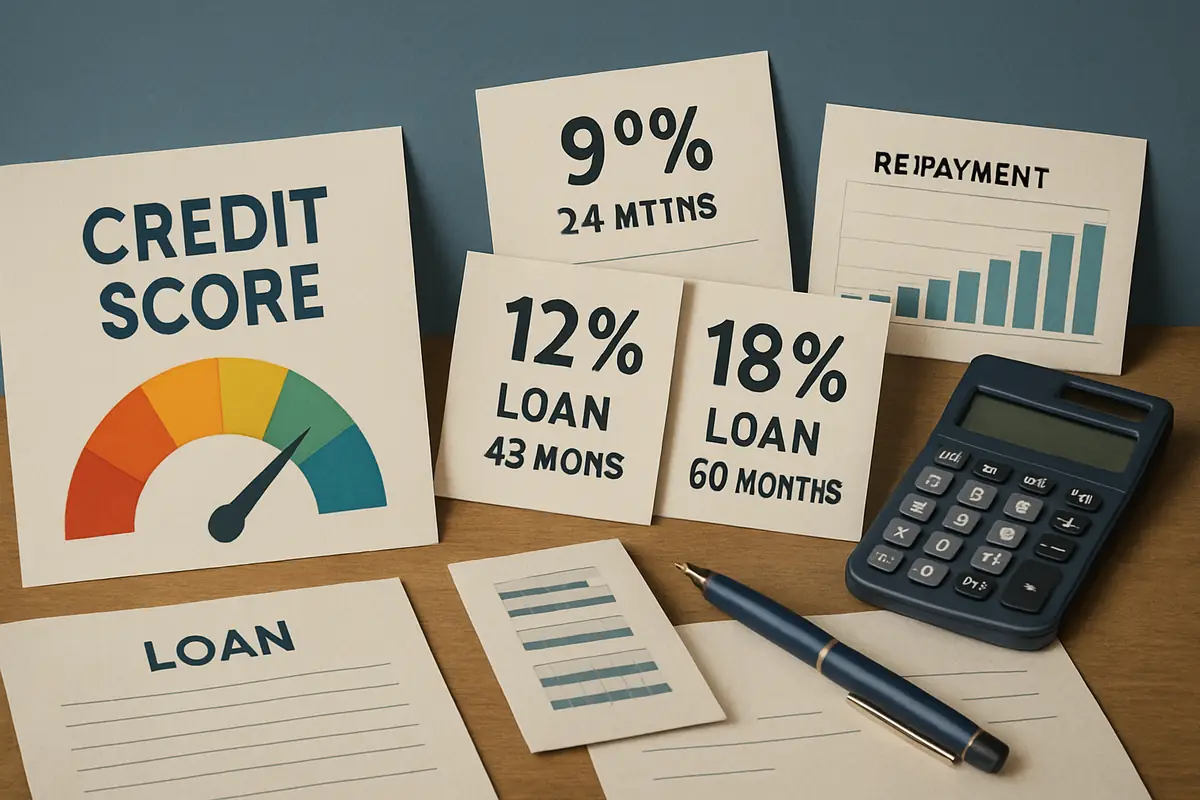
David needs $10,000 for urgent car repairs. He has two offers: one from an online lender with instant approval, an 18% APR, and a 3% origination fee; another from his local credit union with a 9% APR, no fees, but a five-business-day approval wait. David must decide if immediate access outweighs paying double the interest rate and upfront fees.
Analyzing David’s situation reveals critical trade-offs. The online offer provides funds within hours, but he pays $300 upfront (3% of $10,000) and faces an 18% APR. The credit union’s offer requires a five-day wait but has no origination fee and a 9% APR. Over a 3-year (36-month) term, the difference in total repayment is substantial.
Worked Calculation Example:
- Fast Loan: $10,000 principal, 18% APR, 3% origination fee ($300), 36 months. Monthly payment ≈ $361. Total paid over 36 months: $361 x 36 = $12,996. Add $300 fee = $13,296 total out-of-pocket.
- Credit Union Loan: $10,000 principal, 9% APR, no fee, 36 months. Monthly payment ≈ $318. Total paid over 36 months: $318 x 36 = $11,448.
- Cost Difference: David would pay about $1,848 more for the fast loan, plus the $300 fee, totaling $2,148 extra for immediate access.
Conversely, waiting five days for the credit union’s approval could delay David’s car repairs, potentially affecting his work. But by waiting, he saves over $2,000 in total borrowing costs. David’s decision depends on his ability to manage without immediate funds and whether the urgency justifies the extra expense.
How Loan Term Length Influences Total Interest Paid
Faster approvals are often paired with shorter loan terms—sometimes 12 to 24 months—because lenders want rapid repayment to minimize risk. Shorter terms mean higher monthly payments but less total interest paid compared to longer terms at lower rates. For example, a 12-month loan at 20% APR will have a monthly payment of about $926 per $10,000 borrowed, with total interest paid around $1,112. A 36-month loan at 12% APR would have a monthly payment of about $332, but total interest paid over three years would be about $1,952. The shorter term reduces the total interest but increases monthly payment pressure, which can be challenging for borrowers with tight budgets.
Conversely, longer terms reduce monthly payment amounts, making loans seem more affordable upfront, but can increase cumulative interest expense—especially if paired with high APRs. Borrowers should compare both APRs and term lengths, as a lower monthly payment may disguise a much higher total repayment.
"Quicker Isn’t Always Cheaper": A Lending Expert’s Perspective
"The lure of instant decisions masks complexities around total borrowing costs," explains Manning, a lending expert. "Customers need to focus on APR, which includes all charges, and understand how the length of the loan affects total costs before committing. Fast funding can be beneficial in emergencies if you fully grasp what you’re trading off."
Hidden Pitfalls in Fast-Approval Loans
Where readers should be careful
["Immediate approvals sometimes bypass thorough credit checks, leading to riskier lending practices.", "Fees such as processing charges or mandatory insurance may not appear clearly in initial advertisements.", "Shorter repayment terms can cause repayment pressure, resulting in missed payments or penalties.", "Variable-rate fast loans expose borrowers to rising interest rates later without easy refinancing options."]
Fast-approval loans can trap borrowers into expensive cycles if contracts aren’t read carefully. For example, missing a payment on a fast-approval loan can trigger a late fee of $25 to $40, while variable-rate loans can see rates jump from 15% to over 30% if market conditions change. Consumer advocates recommend always requesting full disclosure documents and comparing total cost metrics—not just the headline APR—before signing.
Fast Approval vs Traditional Loans: A Direct Comparison
Fast-approval loans typically offer funding in less than 24 hours, with APRs from 18% to 36%, and may include origination or processing fees of 1% to 5%. Traditional loans from banks or credit unions usually take 3 to 10 business days, have APRs between 6% and 12%, and often come with no or minimal fees. Fast loans may require repayment within 12 to 24 months, while traditional loans may offer up to 60 months. The faster the approval and funding, the higher the likelihood of elevated costs and stricter repayment terms.
Key Questions to Ask Before Accepting a Fast-Approval Loan
When presented with quick loan offers, borrowers should pause and consider these contract details:
- What is the APR, and what fees are included in this figure?
- How long is the repayment term, and what will the monthly payment be?
- Are there penalties for early repayment or missed payments?
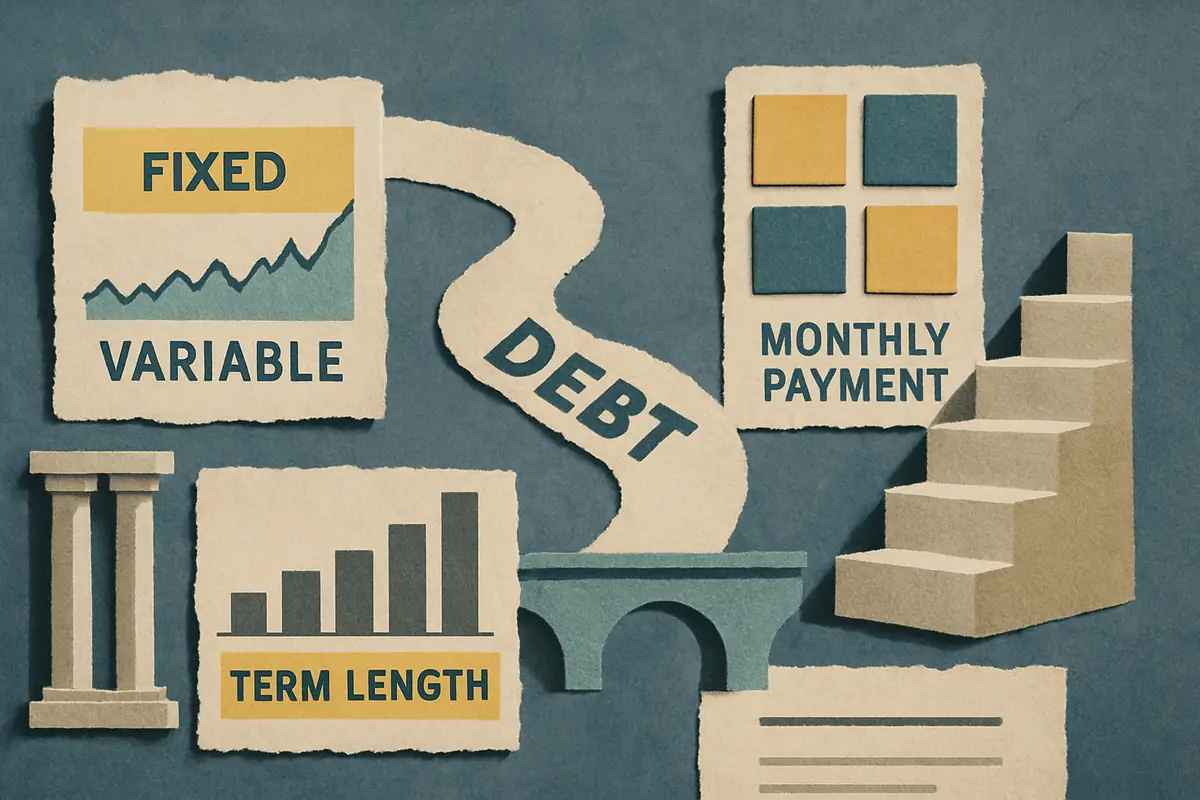
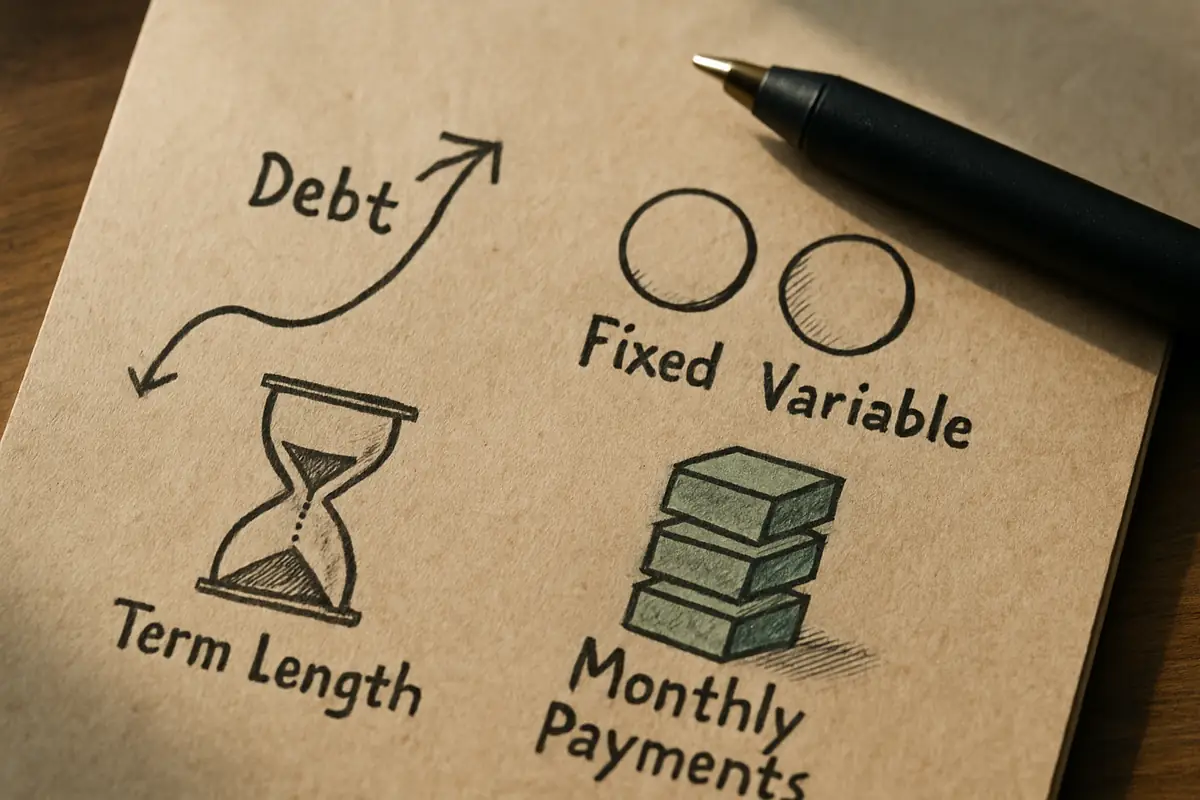
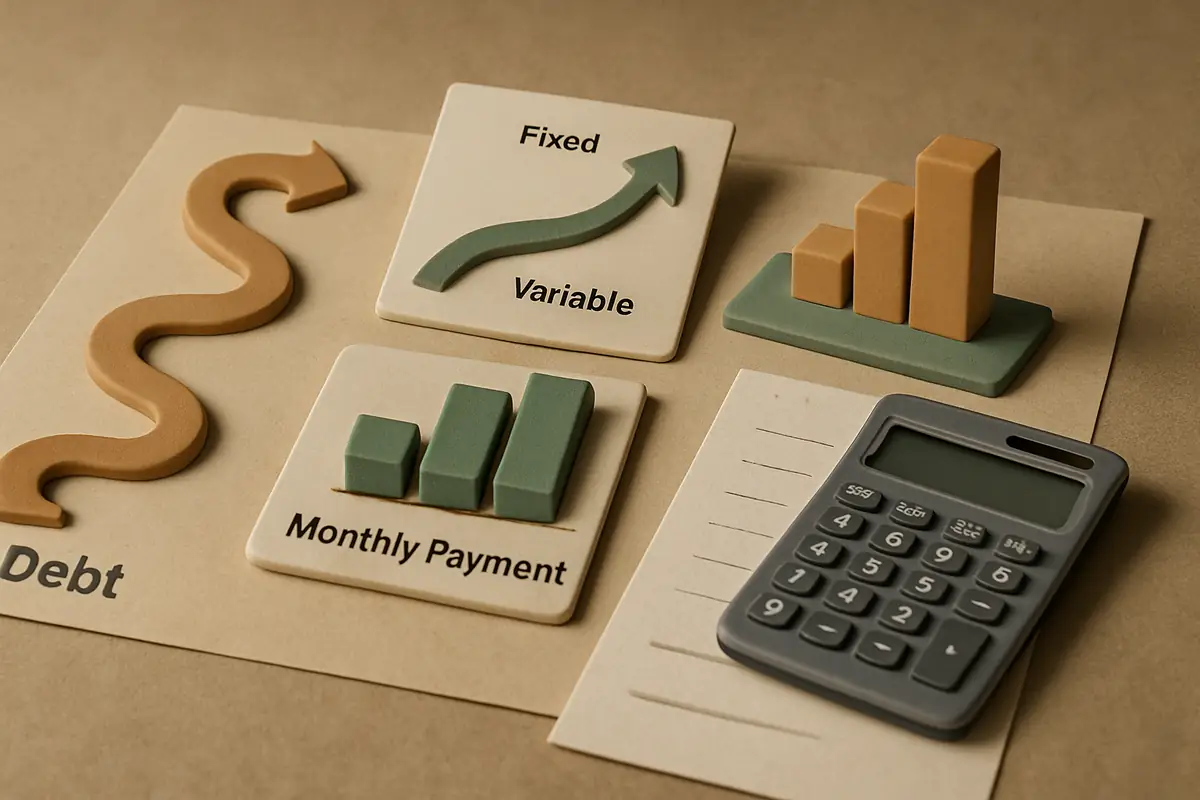
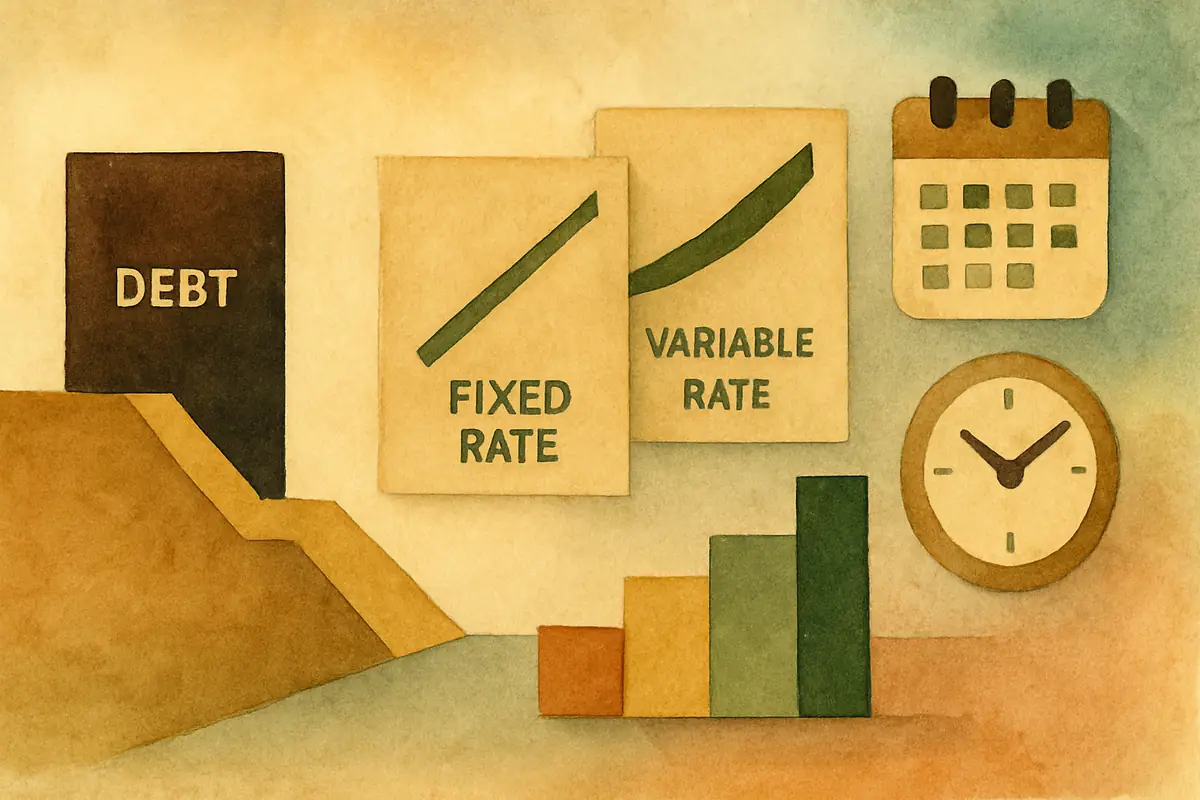
- Is the interest rate fixed or variable, and could it increase over time?
- What is the total amount to be repaid over the life of the loan?
Borrowers who ask these questions gain clarity about their real financial obligations and avoid being swayed solely by the promise of fast funding.
Balancing Cost and Convenience: Making an Informed Borrowing Decision
It’s understandable that some situations require speedy borrowing, even at a higher cost—immediate expenses like a $3,000 medical emergency or $5,000 in essential repairs often leave little room for delay. However, deciding whether to prioritize quick approval requires a clear understanding of how much extra you may pay in interest and fees compared to waiting for better terms.
In cases where immediate funds are not absolutely critical—such as consolidating $8,000 in credit card debt or financing a planned $4,000 purchase—it usually pays to shop around for slower, less expensive loans with transparent terms and manageable repayment schedules. For example, waiting an extra week for a 7% APR loan versus jumping on a 22% APR instant offer could save over $1,000 in interest on a $5,000 loan over three years.
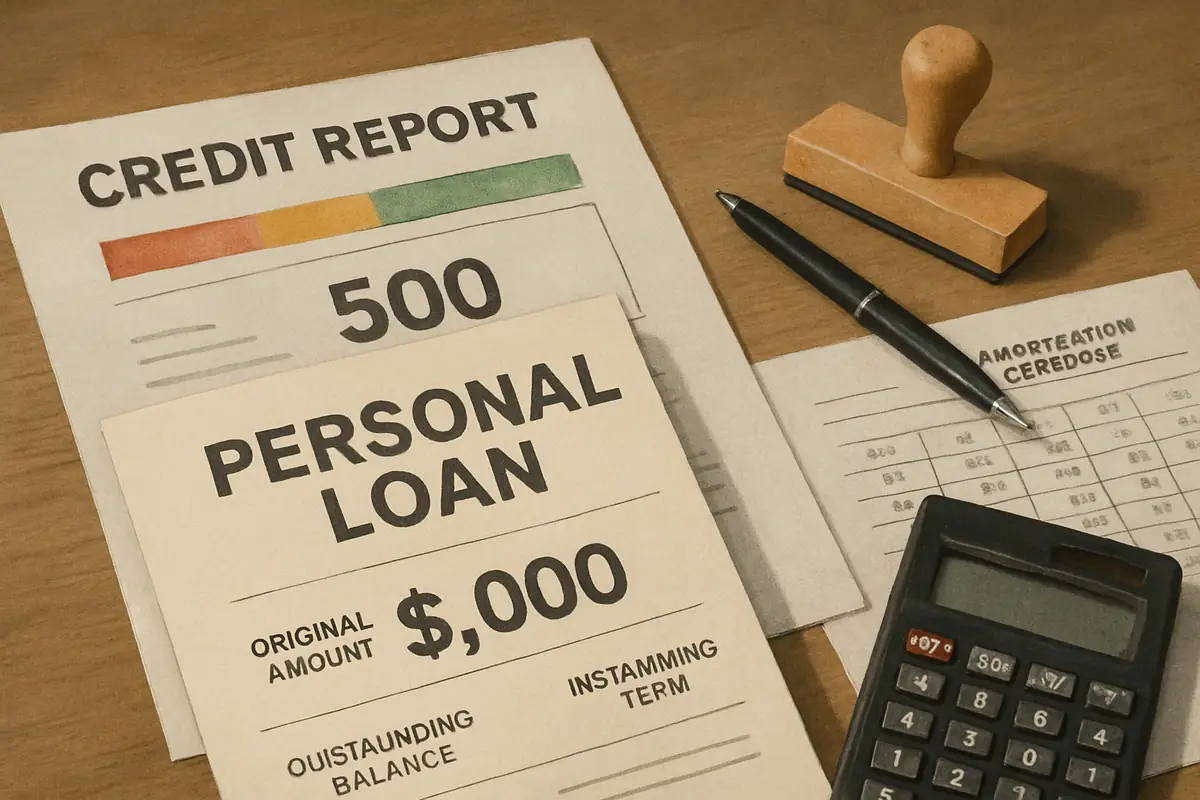
The choice between high-interest, quickly approved loans and slower, traditional options involves complex considerations beyond just the interest rate. Realistic scenarios like Emily’s urgent home repair funding highlight the importance of evaluating contracts carefully—focusing on APRs that include all fees, understanding repayment schedules (amortization: how payments are spread over time), recognizing any collateral requirements, and accounting for penalties tied to missed payments. Emily ultimately chose her credit union’s slower process after confirming she could manage the temporary delay using a $2,000 savings buffer, avoiding the inflated costs of online quick offers—a decision many borrowers face repeatedly.
Successful borrowing requires clear-eyed assessment, free from marketing hype focused on speed. Borrowers must remember: faster means convenience today, but often translates into greater expenses tomorrow unless managed with full awareness of the trade-offs.
The Borrower’s Dilemma: Balancing Speed and Total Borrowing Cost
When deciding between fast loan approvals and lower interest costs, borrowers face a trade-off that extends beyond just numbers. Quick approval processes can provide immediate financial relief or enable timely investments, but they often come with higher interest rates and less favorable terms. This balance affects the total cost of borrowing over time and a borrower's long-term financial health. For example, small business owners needing rapid capital to seize a $20,000 market opportunity might accept a 20% APR fast loan as a reasonable expense for growth, while individuals consolidating $12,000 in debt may prefer slower approval with a 7% APR to reduce monthly payments and total interest.
Moreover, the psychological impact of fast approval offers is significant. Instant approvals are often marketed as convenience, appealing to urgent needs and emotional impulses. This can obscure hidden costs—such as compounding high-interest rates or inflexible repayment terms. Borrowers may feel pressured to accept quick offers without fully assessing affordability or long-term consequences. Financial education about these dynamics empowers borrowers to ask critical questions about total repayment and compare alternatives before committing. Discerning when speed justifies extra expense versus when patience can save money is a crucial skill in responsible borrowing.
How Lenders Price Risk in Fast Approval Loans
Interest rates are a primary way lenders manage risk, especially in fast approval loans. Lenders may charge higher APRs—often 18% to 36%—on quick loans because they have less time to perform thorough credit assessments or because these products target higher-risk borrower profiles. These elevated rates compensate for increased uncertainty and potential default. For instance, payday loans and instant personal loans can carry APRs over 100% for short-term products, while traditional bank loans typically range from 6% to 12% APR.
From the borrower’s perspective, understanding how speed and risk pricing interact is critical. Faster approval rarely means a better deal; it usually means accepting pricing that reflects the lender’s risk tolerance. Borrowers with strong credit histories—credit scores above 720—may qualify for lower rates by choosing slower, more comprehensive applications. Those with lower scores or urgent needs may find fast loans their only option, despite higher costs. Awareness of how interest rates reflect lender risk management helps borrowers make informed choices.
Long-Term Financial Impact of Fast Approval Loans
Choosing fast approval loans without scrutinizing interest costs can have lasting negative effects. While these loans deliver funds quickly, their higher interest rates can add hundreds or thousands to the total repayment. For example, a $5,000 fast loan at 24% APR over two years will result in total interest of about $1,334, while a comparable loan at 8% APR would accrue roughly $432 in interest—a $902 difference.
High-interest fast loans also tend to have shorter repayment periods, such as 12 to 24 months, with monthly payments that may exceed $400 per $10,000 borrowed. This can strain budgets and increase the risk of missing payments, which may trigger penalty fees of $25 to $50 and damage credit scores. Borrowers should consider whether immediate cash flow is worth these potential long-term costs, and whether alternatives—such as negotiating payment plans or seeking slower, cheaper loans—are available.
Borrower Strategies: Managing the Cost-Speed Trade-Off
To navigate the choice between interest cost and approval speed, borrowers can use several strategies. First, researching multiple lenders—including hidden fees, prepayment options, and total repayment amounts—can reveal more affordable options. Online comparison tools help identify competitive rates and funding timelines.
Second, improving one’s credit profile before applying—by reducing outstanding debts or correcting errors on credit reports—can expand access to lower-cost loans, even if it takes an extra month or two. For example, increasing a credit score from 650 to 700 can lower offered APRs by 4% to 8% in some cases.
Finally, building an emergency fund—even $500 to $1,000—reduces reliance on urgent borrowing and allows borrowers to avoid costly fast-approval loans except in true emergencies. Maintaining a financial cushion provides both cost efficiency and peace of mind when unexpected expenses arise.