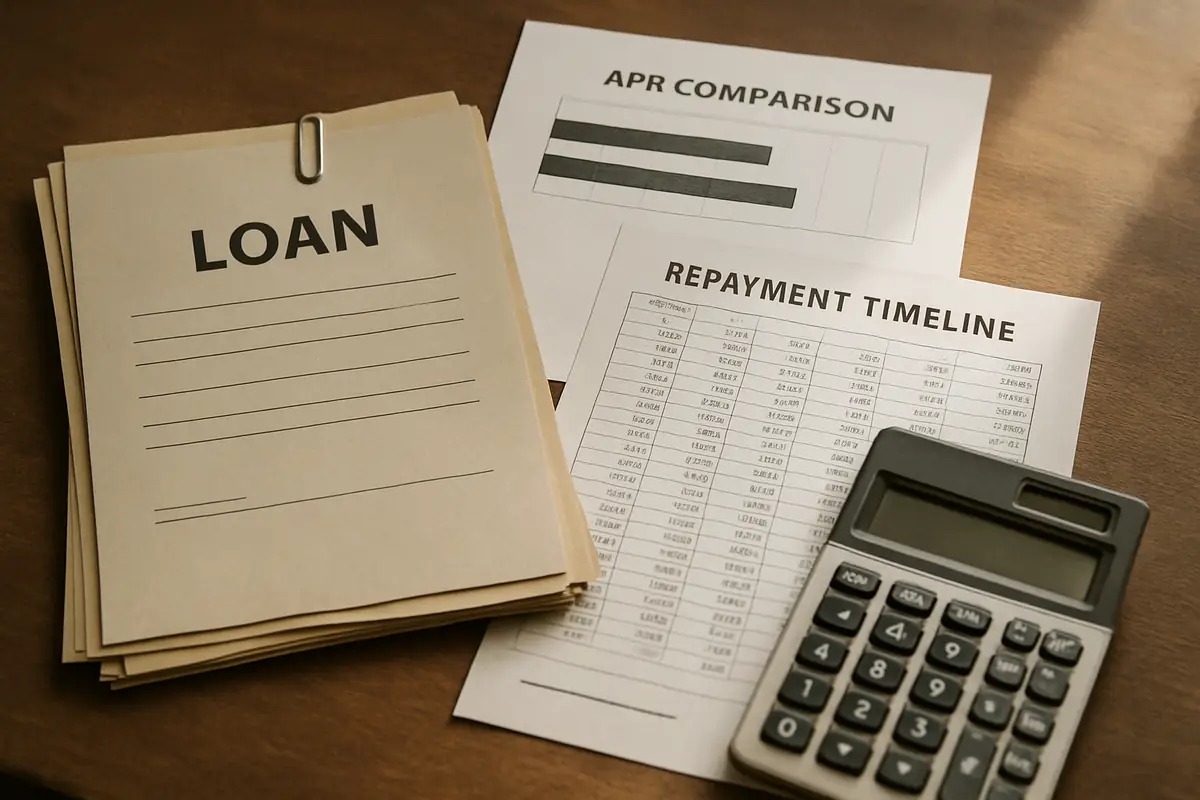
Mistake 1: Focusing Solely on Interest Rates
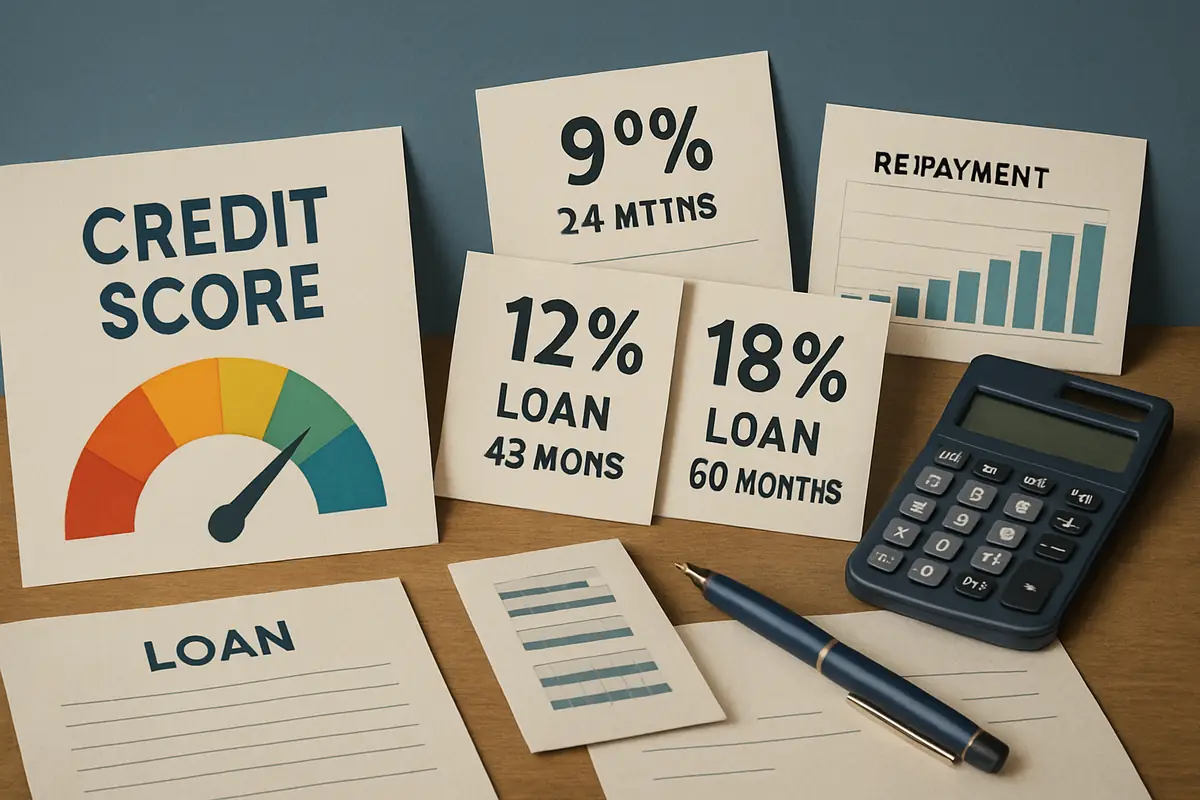
Many borrowers make the mistake of zeroing in on the interest rate when comparing lenders, overlooking the broader financial picture. While a lower interest rate can seem attractive, it is only one part of the total loan cost. For example, personal loan interest rates typically range from 6% to 36% depending on creditworthiness, but additional fees may add hundreds or thousands of dollars to the true expense. Lenders may charge origination fees (often 1% to 8% of the loan amount), application fees, processing charges, and even prepayment penalties. These extra costs can make a loan with a 4% interest rate more expensive than one at 5% if the former carries higher fees.
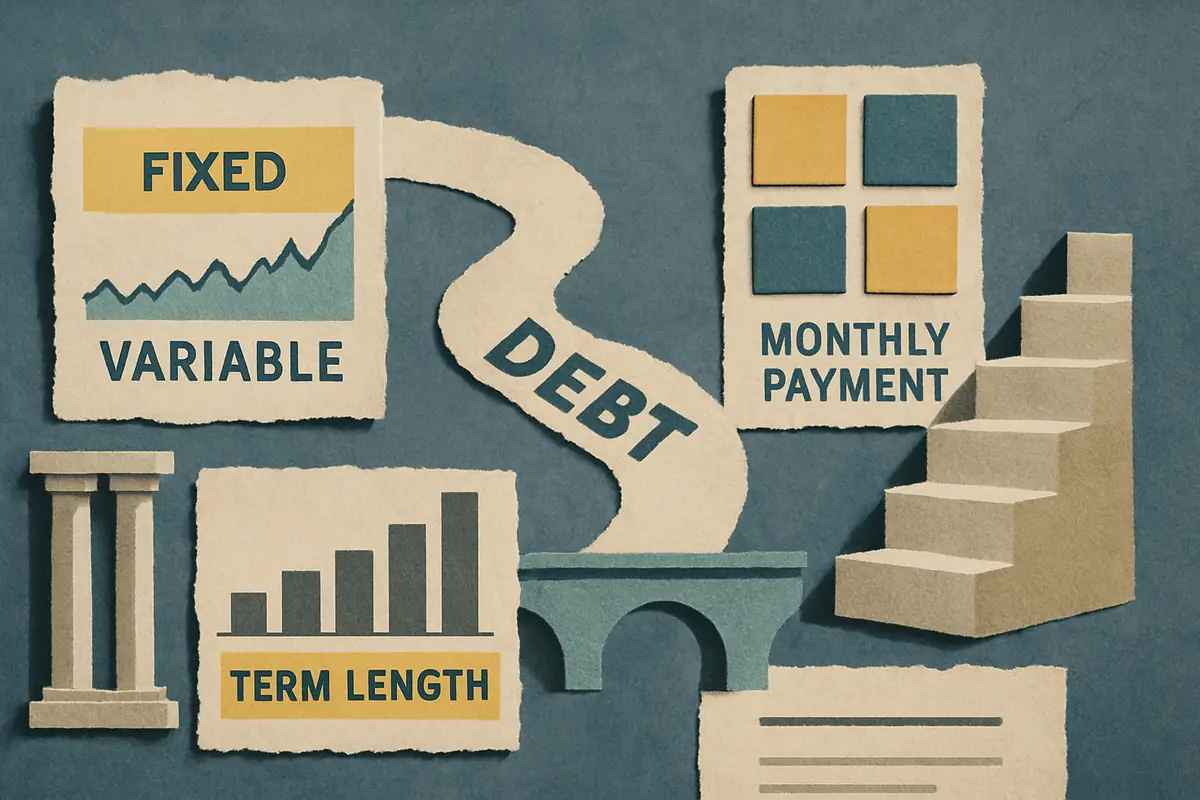
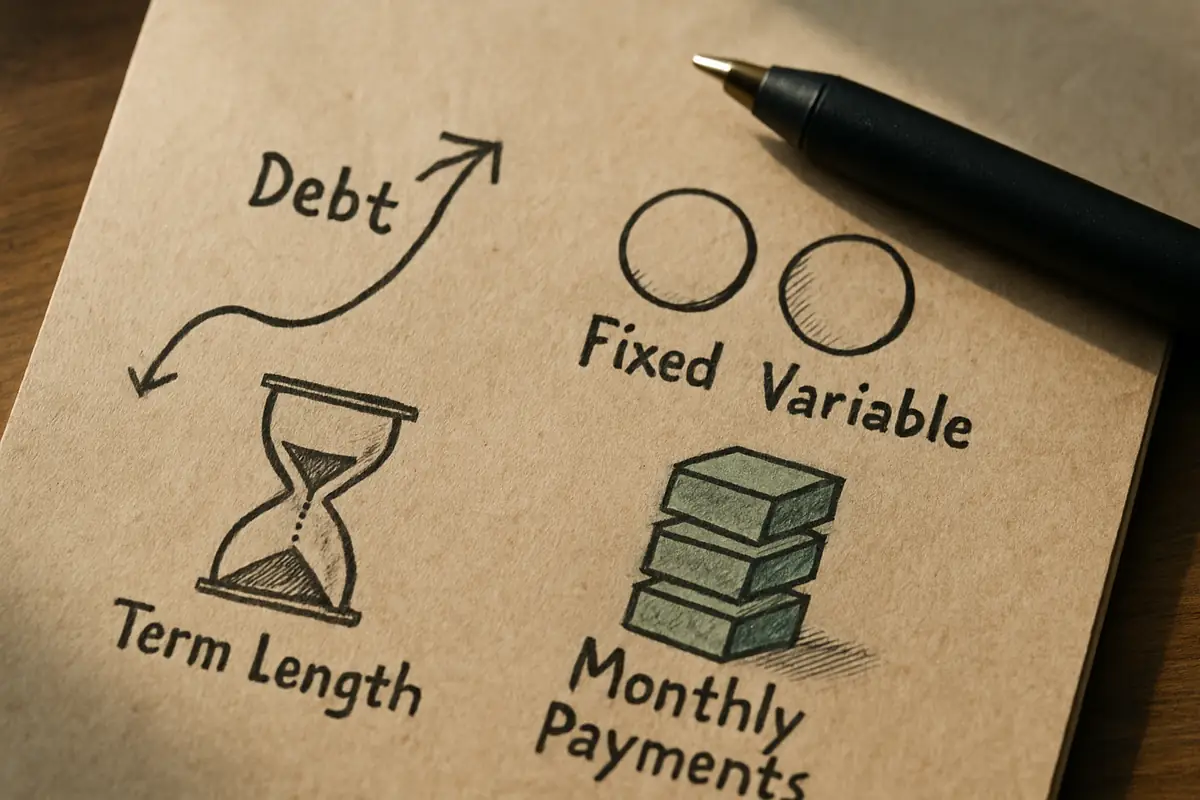
Borrowers should also be cautious of variable rates, which can start as low as 3% but may rise significantly over time, compared to fixed rates which stay the same for the loan term. Teaser rates—introductory rates that last six months to a year—often jump to higher ongoing rates. To accurately compare loans, use the Annual Percentage Rate (APR), which combines interest and fees into a single yearly cost figure. For example, a loan with a 5% interest rate and 2% in fees might have an APR of 6.1%. Evaluating APRs helps you understand the real cost of borrowing and avoid unexpected expenses that can arise from focusing only on the headline rate.
Mistake 2: Overlooking Loan Terms and Conditions
Loan terms—such as repayment period, payment schedule, and penalties—are crucial factors that shape your borrowing experience. A typical personal loan term might range from 2 to 7 years, while mortgages can span 10 to 30 years. Longer terms often mean lower monthly payments but more interest paid overall. For example, a $20,000 loan at 7% interest repaid over 5 years results in monthly payments of about $396 and total interest of roughly $3,760. Stretching the term to 10 years drops the payment to $232 but increases total interest to about $7,840.
Other conditions can also impact your finances. Some lenders charge prepayment penalties—fees for paying off your loan early—which can range from 1% to 5% of the remaining balance. Payment flexibility varies; certain lenders allow payment holidays or hardship options, while others do not. Always review the fine print for clauses about late payment fees (often $25 to $50 per missed payment) or restrictions on restructuring. Ignoring these details can result in unnecessary costs and stress if your financial situation changes.
Mistake 3: Overlooking Lender Reputation and Customer Service
Evaluating a lender’s reputation and customer service is as important as comparing rates and fees. A lender with a history of poor communication or slow processing can cause delays that impact your financial plans. For example, some online lenders may approve loans in as little as one business day, while others take up to two weeks. Delays in disbursement or errors in billing can lead to late fees or credit score hits.
Researching online reviews, ratings from consumer agencies, and testimonials can reveal patterns such as frequent complaints about hidden fees or unhelpful support. Some lenders with slightly higher fees (for instance, a 0.5% higher origination fee) may offer exceptional customer support, including 24/7 helplines or dedicated account managers. Prioritizing lenders with proven transparency and responsiveness helps ensure you receive timely assistance during the loan term, which can be especially valuable if you encounter issues or need to renegotiate terms.
Mistake 4: Not Calculating Total Repayment Amounts
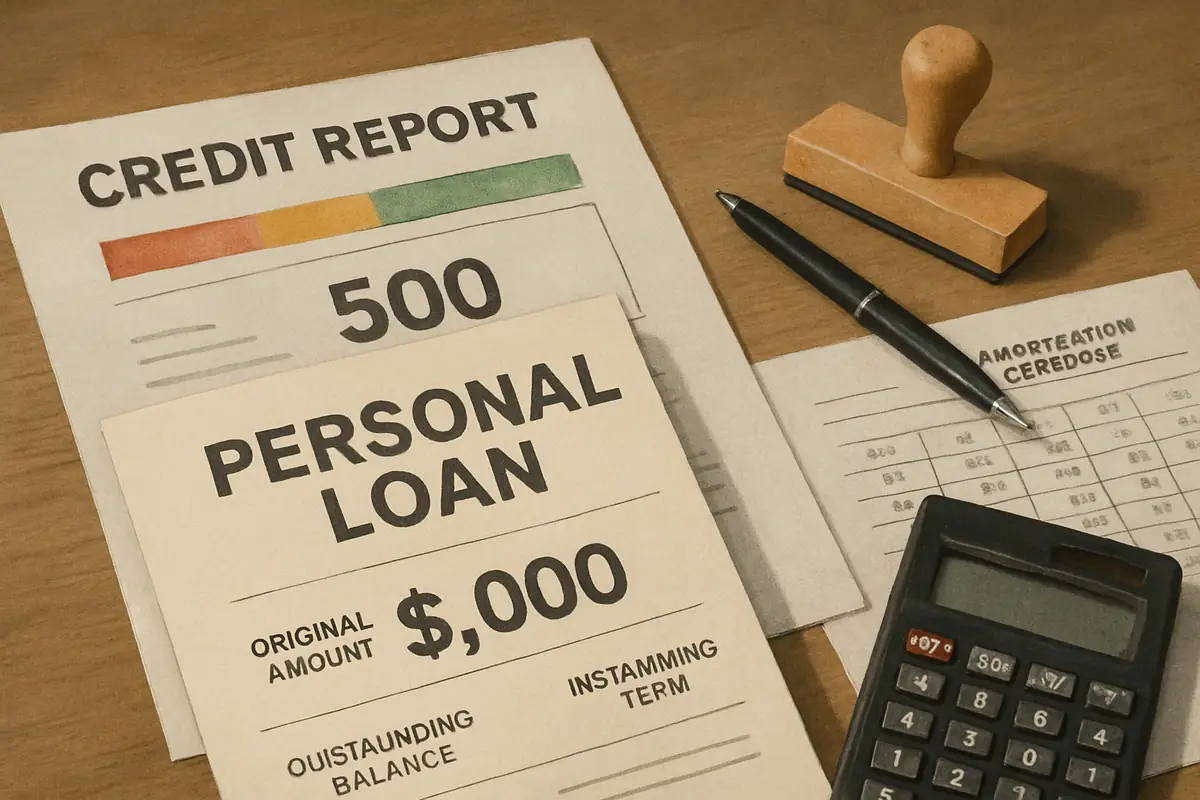
Failing to calculate the total amount repaid over the loan’s life is a common oversight. While a low monthly payment may fit your current budget, it can lead to paying much more in interest over time. Amortization—the process of spreading payments over the loan term—means that, in the early years, a larger portion of each payment goes toward interest rather than principal.
Consider this worked example: Suppose you borrow $15,000 at a 9% interest rate for 3 years (36 months). Using an amortization calculator, your monthly payment would be approximately $477. Over 36 months, you would pay $477 x 36 = $17,172 in total. Subtracting the original principal, you pay $2,172 in interest. If you extend the term to 5 years (60 months), the monthly payment drops to about $311, but the total repaid rises to $18,660, with $3,660 in interest. This demonstrates how longer terms can increase your overall cost despite lower monthly payments.
Mistake 5: Forgetting About Credit Score Impact
Submitting several loan applications within a short period can negatively affect your credit score due to multiple hard inquiries, which typically lower your score by 5 to 10 points per inquiry. Applying to five lenders in two weeks could reduce your score by as much as 50 points temporarily. A lower credit score—say, dropping from 720 to 670—could shift you from a "good" to "fair" category, resulting in higher interest rates or even loan denials.
To avoid this, use prequalification tools that employ soft credit checks, which do not impact your score. Many online platforms let you compare estimated offers based on your credit profile without a hard pull. This approach helps you narrow down options and preserve your credit standing while shopping for the best loan.
Mistake 6: Neglecting Future Financial Changes
Many borrowers fail to consider how future events—such as job loss, medical expenses, or family changes—could impact their ability to repay. Some lenders offer hardship programs, payment deferrals, or temporary interest rate reductions. For example, a lender may allow a payment holiday for up to three months during financial hardship, or permit restructuring the loan to a longer term to reduce monthly payments.
Without these provisions, missing payments can result in late fees (often $25 to $50 per incident) and negative marks on your credit report, which can persist for up to seven years. It’s important to ask lenders about hardship options and flexibility before signing, ensuring you have a safety net if your financial situation changes unexpectedly.
Mistake 7: Failing to Seek Professional Advice
When navigating complex loans—such as mortgages, which can range from $100,000 to $1 million or more—many individuals skip consulting financial advisors or loan specialists. These professionals can help you understand industry jargon, compare offers, and identify risks that may not be immediately obvious. For example, they can clarify terms like expense ratio (the percentage of assets used for fees) or utilization (the percentage of available credit you’re using), which influence both loan offers and your credit profile.
Attempting to manage the process alone can result in costly mistakes, such as committing to a loan with unfavorable terms or hidden fees that add thousands to your total repayment. Seeking expert input helps you make informed decisions and avoid pitfalls that may only become apparent years later.
Ignoring the Fine Print in Loan Terms
Detailed loan terms can have a significant impact on both the total cost and flexibility of your borrowing, yet many borrowers overlook them. For example, prepayment penalties can range from 1% to 5% of your remaining balance, making early repayment expensive. Variable rate loans, which might begin at 4% to 6%, can rise to double digits if market rates increase, exposing you to payment shocks. Always review how interest is calculated—whether it’s simple interest or compound interest—and check for balloon payments, which require a large lump sum at the end of the term.
Amortization schedules show how much of each payment goes toward interest and principal. Two loans with the same rate but different amortization periods can have very different total costs. Some loans offer interest-only payments for the first 12 to 36 months, after which payments can jump by 30% or more. Understanding these structures helps you plan for both short-term affordability and long-term financial impact, reducing the risk of surprises that could derail your finances.
Failing to Assess Lender Credibility and Customer Service
Choosing a lender based only on price can backfire if the institution has a poor reputation or unhelpful customer service. For instance, some lenders have been known to change loan terms after closing or delay disbursement by several weeks, causing stress and potential financial harm. Responsive lenders may offer customer support by phone, email, or live chat, with average response times ranging from a few minutes to several days.
Check reviews on independent platforms and look for patterns of complaints, such as frequent billing errors or poor dispute resolution. A lender with a solid track record and prompt, helpful service can provide peace of mind over the years you’ll be repaying your loan, especially if issues arise that require quick attention.
Overlooking Total Cost of Borrowing Beyond Interest Rates
Interest rates are only part of the total borrowing cost. Additional fees—such as origination charges (typically 1% to 8%), application fees ($25 to $100), appraisal costs ($300 to $700 for mortgages), and required insurance—can quickly add up. For example, a $200,000 mortgage with a 1% origination fee and $500 in application fees incurs $2,500 in upfront costs, which can make a lower-rate loan more expensive than one with a higher rate but lower fees.
Some lenders require credit life insurance or other add-ons, increasing monthly payments by $20 to $50. Always request a full cost breakdown and compare the APRs of each offer, as this metric includes both interest and fees, giving you a clearer picture of total costs over the life of the loan.
Not Considering Your Future Financial Situation
Current affordability is important, but your future financial situation may change. Adjustable-rate loans, which can start at 3% to 5%, might rise to 8% or more if market rates climb, potentially increasing your monthly payment by $100 or more per $10,000 borrowed. Some lenders offer payment holidays of up to three months or refinancing assistance, while others are inflexible.
Before committing, ask about options for payment deferral, loan modification, or refinancing. These features can be crucial if you face income loss, medical bills, or family changes. Factoring in future flexibility can help you avoid being locked into a loan that becomes unmanageable over time.
Neglecting to Use Comparative Tools Effectively
Modern comparison tools can help you evaluate loans based on rates, fees, and customer ratings. However, many borrowers use only basic calculators, which may not account for personalized factors like credit score (which can affect rates by several percentage points), debt-to-income ratio, or employment history. Effective tools let you input your financial details and receive tailored estimates.
For example, a borrower with a 750 credit score may qualify for a 6% rate, while someone with a 650 score might see offers at 15% or higher. Using advanced calculators that project total repayment, including all fees and rate changes, provides a more accurate comparison than relying on advertised "starting from" rates. Investing time in detailed comparisons increases your chance of finding a loan that fits both your immediate needs and long-term goals.
Takeaway: Making Informed Lender Comparisons
Smart lender comparisons require more than scanning interest rates. By examining all contract terms, total costs, lender reputations, and available flexibility, and by factoring in your own financial context, you can avoid common errors that lead to unnecessary expenses or stress. Diligence at this stage empowers you to choose a lender that supports your financial well-being throughout your loan’s life.
Overlooking the Impact of Loan Terms Beyond Interest Rates
Interest rates are only one aspect of a loan; the underlying terms can have just as much impact on cost and flexibility. For example, a loan with a 5% interest rate but rigid repayment or steep prepayment penalties can end up costing more than a 6% loan with flexible terms. Amortization schedules—tables showing how each payment is split between interest and principal—reveal how much you’ll owe over time. Balloon payments, which require a large sum at the end of the term, can create unexpected financial strain if not anticipated.
Suppose two lenders offer a $30,000 auto loan at 5% for five years. Lender A allows penalty-free early repayment, while Lender B charges a 2% prepayment fee. If you pay off the loan two years early, Lender B’s penalty adds $600 to your cost. This highlights the importance of scrutinizing all loan terms—not just the interest rate—before making a decision.
Ignoring Fees That Can Significantly Increase Loan Costs
Fees can substantially raise the effective cost of borrowing. Origination fees typically range from 1% to 8% of the loan amount; for a $10,000 loan, that’s $100 to $800 upfront. Processing, underwriting, and administrative fees can add another $50 to $500. Late payment penalties are usually $25 to $50 per incident, and monthly maintenance fees (rare, but possible) can total $60 to $120 per year.
Some lenders also bundle in insurance premiums or charge for document preparation. Always request a full fee schedule and include all charges in your comparison. Calculating the total cost, rather than just the advertised rate, ensures you’re making an apples-to-apples assessment and not overlooking hidden expenses.
Neglecting to Check Lender Reputation and Customer Service
Strong lender reputation and customer service can save you time, money, and stress over the life of your loan. Lenders with poor service records may delay processing, mishandle payments, or be difficult to contact when issues arise. Customer support hours can vary, with some lenders offering round-the-clock help and others limited to business hours.
Check independent reviews, ask about typical response times, and test support channels before committing. A responsive lender can help resolve issues like payment errors or contract questions quickly, preventing small problems from becoming costly mistakes. Choosing a reputable lender is especially important for loans with terms of five years or more, where long-term support matters.
Failing to Consider Loan Flexibility for Changing Financial Situations
Loan flexibility is essential for adapting to life’s uncertainties. Some lenders offer payment holidays for up to three months, deferment options, or the ability to refinance without penalty. Others have strict policies that make it difficult to adjust terms if you lose your job or face unexpected expenses. Without these features, a temporary setback can lead to missed payments, late fees, and damage to your credit report.
Before signing, ask lenders about hardship programs and the process for modifying your loan. Flexibility can provide a critical safety net, helping you manage your loan responsibly even when circumstances change.
Overestimating Online Calculators Without Personalized Quotes
Online calculators are useful for initial estimates but often miss personalized factors like credit score, income, or loan-to-value ratio. Advertised rates are typically for borrowers with excellent credit (usually 740 or higher), while those with fair or poor credit may see rates 10 to 15 percentage points higher. Calculators may also exclude fees or assume standard terms, leading to inaccurate projections.
After using online tools, always request personalized quotes from lenders. These will reflect your actual financial profile and provide a more accurate basis for comparison. Only by combining initial research with tailored offers can you confidently select the best loan for your needs.
Takeaway: How to Make Smarter Lender Comparisons
References
- https://www.consumerfinance.gov/consumer-tools/
- https://www.fdic.gov/consumer-resource-center/loans
- https://www.consumerfinance.gov/consumer-tools/auto-loans/
- https://www.consumerfinance.gov/consumer-tools/mortgages/
- https://www.consumerfinance.gov/ask-cfpb/what-is-the-difference-between-a-fixed-rate-and-adjustable-rate-mortgage-arm-loan-en-100/
- https://www.consumerfinance.gov/consumer-tools/student-loans/