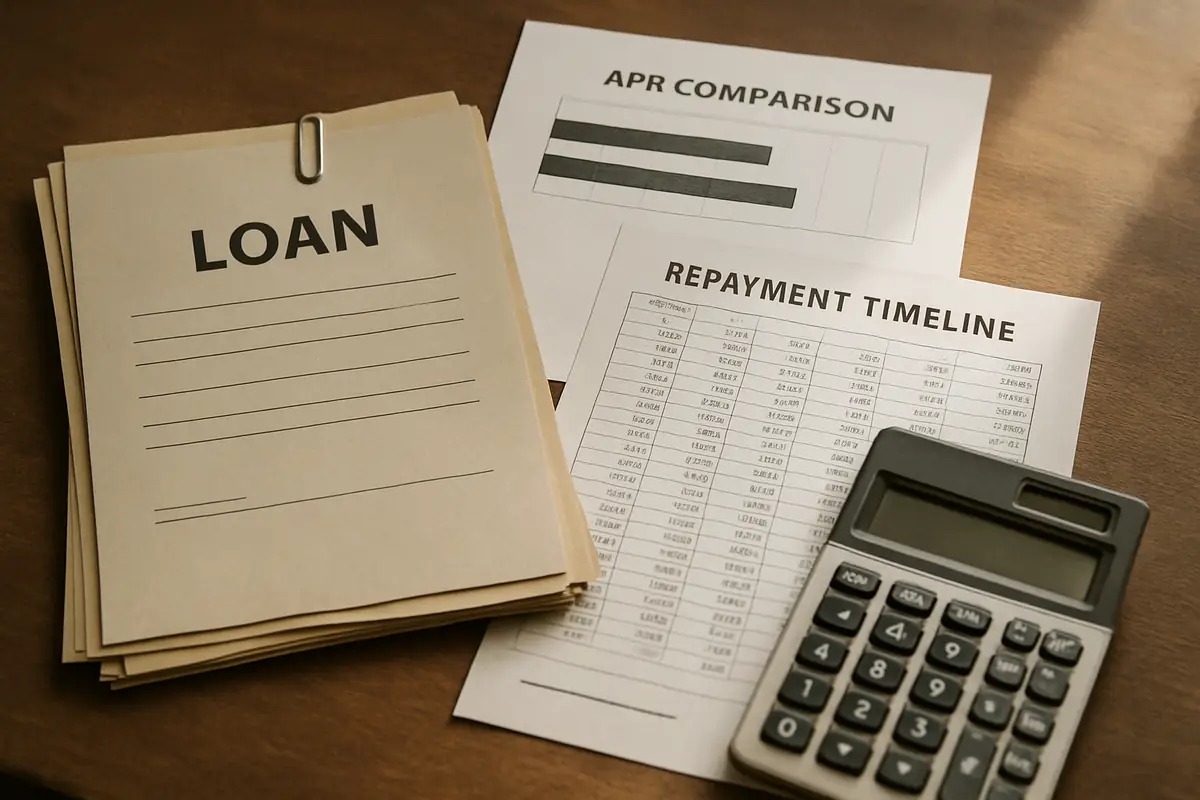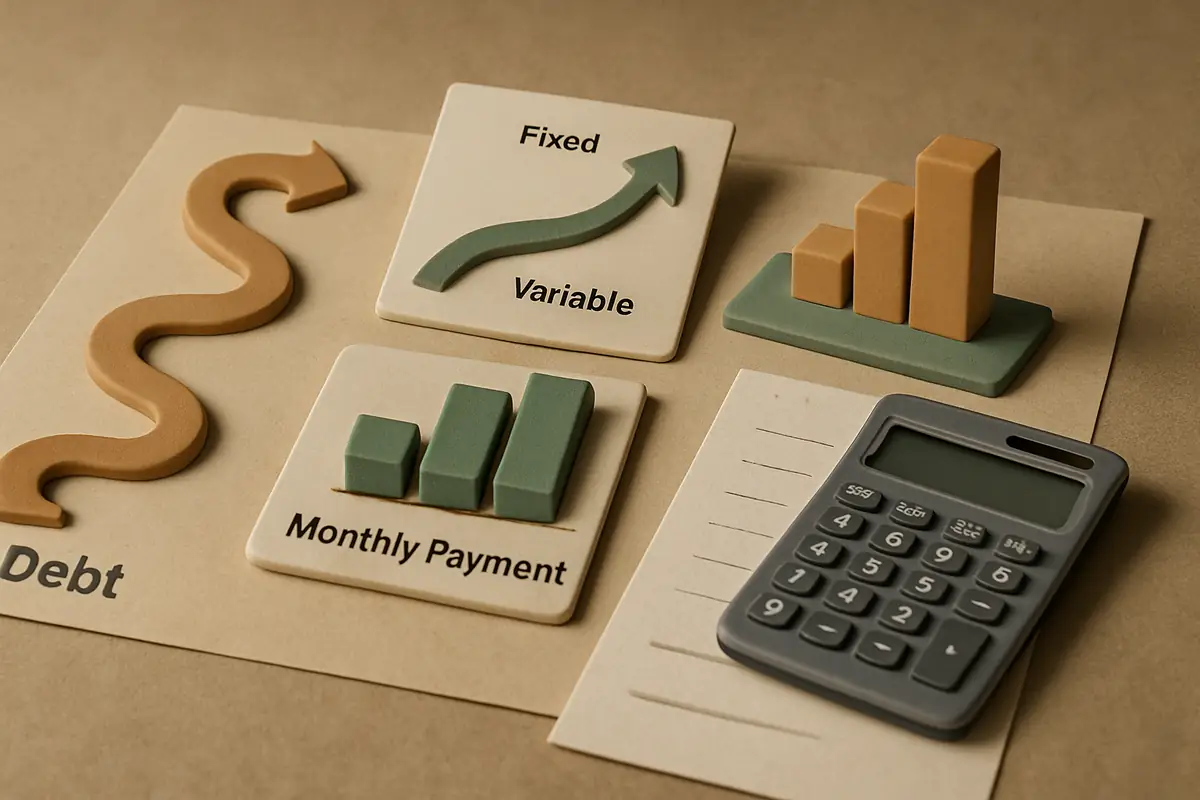
Borrowers in today’s lending market face a complex landscape where the total cost of a loan can extend far beyond the advertised interest rate. For example, a typical personal loan may include an origination fee of 1% to 6% of the loan amount, and late payment penalties can add $25 to $50 per missed cycle. Understanding how these costs accumulate over time is critical to avoiding financial strain and protecting your credit profile. This guide breaks down the evolving risks in borrowing so you can compare options clearly and avoid costly mistakes.
Why Understanding Borrowing Risk Is Essential in a Changing Market
Borrowing has grown more intricate as lenders introduce innovative products and advanced risk assessment models. While a loan might advertise a low fixed interest rate—such as 6% to 9% for a typical auto loan—hidden fees and penalty charges can significantly increase your actual expenses. Borrower risk now extends beyond approval odds: it’s about grasping the total repayment obligation over the loan’s lifespan. Missing details such as the Annual Percentage Rate (APR)—which combines the interest rate with certain fees—or misunderstanding requirements for collateral can lead to unforeseen financial pressure.
Loan contracts often use dense legal language, making it easy to overlook key terms. For instance, failing to recognize a 2% prepayment penalty or a 5-year balloon payment clause can result in unexpected costs or even default. Reviewing the full contract and understanding the implications of each clause is vital to safeguarding your finances and credit score.
Loan Terms and Their Impact on Borrower Risk
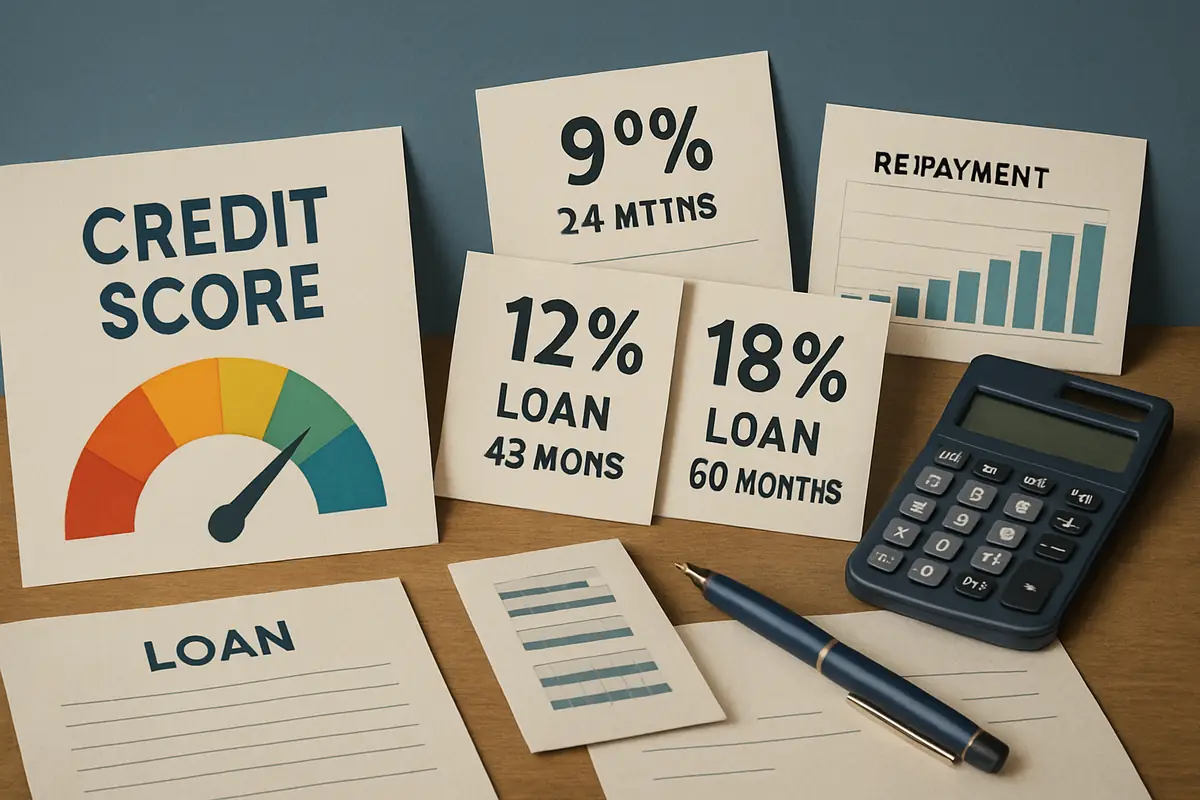
Key loan terms—such as interest rate, APR, fees, collateral, and repayment schedule—determine your exposure to risk. The Annual Percentage Rate (APR) is a standardized measure that reflects your yearly cost of borrowing, including the interest rate and some fees, but it may exclude others like late penalties or prepayment charges. For example, credit card APRs commonly fall between 18% and 30%, but the true cost can be higher if additional fees apply.
Longer loan terms, such as 60- or 72-month auto loans, may reduce monthly payments but can increase the total interest paid by thousands of dollars over the life of the loan. Collateralized loans, like mortgages, often offer lower rates—sometimes as low as 4% to 7%—but put your property at risk if you miss payments. Penalties for late payments, which may range from $15 to $40 per occurrence, or early payoff fees of 1% to 3% of the remaining balance, can further inflate the real cost.
| Factor | What it Means | Risk |
|---|---|---|
| APR | Annual borrowing cost combining interest and some fees | Can exclude certain penalties or fees, leading to underestimated costs |
| Fees | Upfront or ongoing charges for loan processing or maintenance | Hidden fees raise effective cost beyond advertised rate |
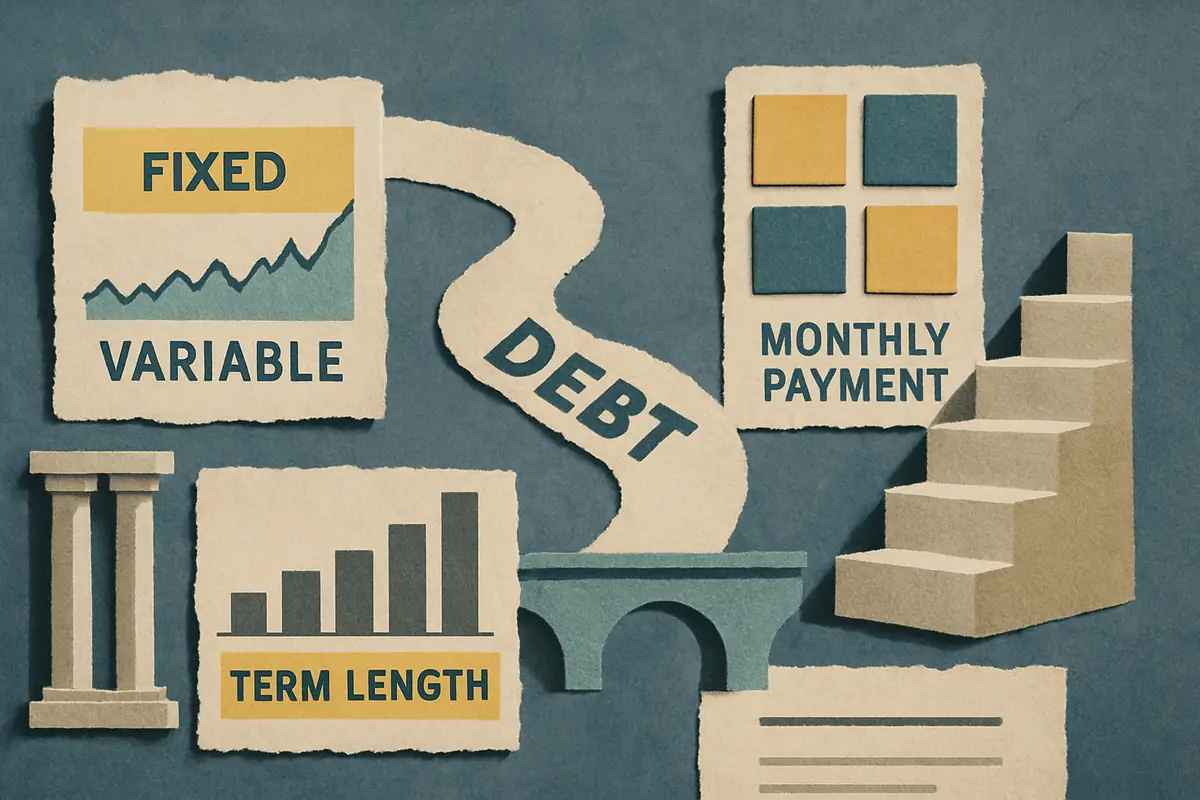
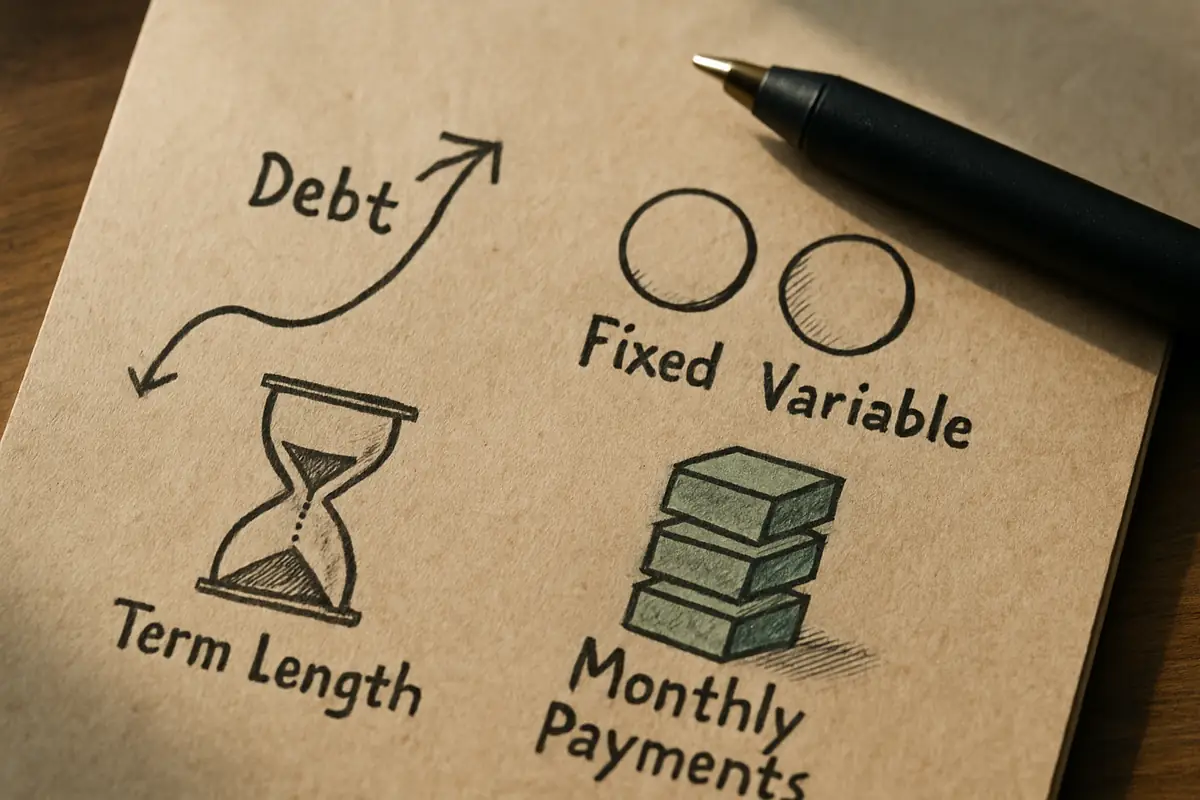
| Term Length | Duration to repay the loan | Longer terms increase total interest paid; shorter terms raise monthly payment burden |
| Collateral | Asset pledged against the loan | Risk of losing pledged asset if unable to repay |
| Penalties | Charges for late payment or early payoff | Unexpected costs increase financial pressure |
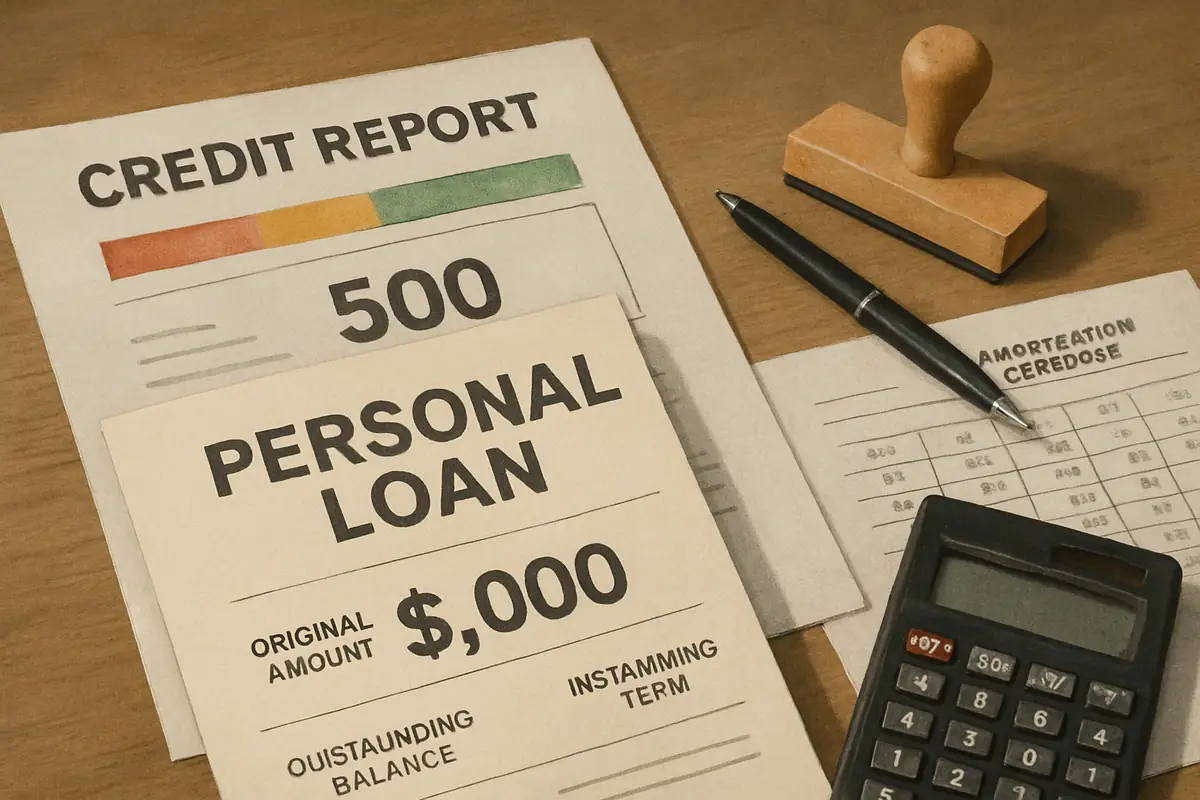
For example, consider a $10,000 personal loan with a 7% APR and a 5-year (60-month) term. The monthly payment would be about $198. If the loan also charges a 4% origination fee ($400) and a $35 late fee per missed payment, your total cost over 5 years would be:
- Principal: $10,000
- Interest paid over 60 months: approximately $1,880
- Origination fee: $400
- If you miss two payments: $35 x 2 = $70 in late fees
Total repayment: $10,000 + $1,880 + $400 + $70 = $12,350, making your effective borrowing cost higher than the APR alone suggests.
Misconceptions That Increase Borrowing Risks
Borrowers often believe the advertised interest rate reflects the full cost of their loan. In reality, this rate may exclude significant fees or penalties. For example, a personal loan with a 7% interest rate might come with a 3% origination fee ($300 on a $10,000 loan) and late payment penalties of 4% to 6% per missed payment.
Claims of "no penalty" for early payoff should be scrutinized, as some lenders impose administrative fees of $50 to $150 that are not labeled as penalties but still increase your cost. Flexible repayment terms may also be subject to strict eligibility rules or may only apply after a minimum number of on-time payments, making them less accessible than advertised.
Where readers should be careful
Warning: Always read the complete loan contract before signing. Advertised APRs rarely capture all costs and obligations. Missing fine details on penalty triggers or fee schedules exposes you to unforeseen expenses.
Emerging Borrowing Products and New Risk Factors
"Buy now, pay later" (BNPL) plans and microloans offered by fintech companies are reshaping borrowing options. BNPL offers may feature 0% interest for 6 to 12 months, but missed payments can trigger penalties of $10 to $25 per incident and retroactive interest rates of 20% to 35%. Microloans, often ranging from $100 to $2,500, can carry effective APRs above 30% due to short repayment periods and compounding fees.
Algorithmic underwriting uses alternative data—such as utility payments or even social media activity—to assess risk, sometimes resulting in sudden rate adjustments or credit limit changes. For example, a borrower’s limit could be reduced by 20% mid-term if their risk score shifts, increasing the risk of overutilization and affecting their credit utilization ratio (the percentage of available credit used, ideally kept below 30%).
Key Considerations When Comparing Loan Options
When comparing loans, look beyond the headline interest rate. Calculate the total borrowing cost by considering all disclosed fees—such as origination fees (1% to 6%), processing fees ($25 to $100), and administration fees ($50 to $200)—as well as any penalties for late payments or early payoff. Assess the loan term: a 36-month loan may have higher monthly payments but lower total interest than a 72-month loan.
Collateralized loans, like home equity lines of credit, might offer rates as low as 5% to 7% but risk asset forfeiture if you default. Unsecured loans, such as credit cards, typically have higher rates—often 18% to 30% APR—but do not require collateral. Lender reputation and transparency are also crucial: established lenders may provide clearer fee disclosures and more responsive support during financial hardship.
Practical Steps to Minimize Borrowing Risks
Before taking a loan, request a full written contract and review every clause. Use a checklist that includes APR calculation, fee schedules, penalty triggers, term length, and collateral requirements. Compare at least three loan offers side-by-side to identify hidden costs and ensure you are not overlooking higher effective rates.
Communicate with lenders about repayment flexibility before signing. Ask about grace periods for missed payments (often 10 to 15 days) and how payment deferral requests are handled. Realistically assess your monthly repayment capacity—financial experts often recommend that debt payments not exceed 36% of your gross monthly income to avoid repayment stress and default risk.
Benefits of Careful Loan Review
- Clear understanding of true borrowing costs beyond advertised rates.
- Avoidance of unexpected fees or penalties during repayment.
- Reduced stress from well-defined repayment expectations.
- Ability to compare multiple offers accurately.
- Protection of personal assets when collateral is involved.
Challenges Needing Caution
- Loan contracts can be dense and difficult to interpret.
- Some fee disclosures may remain buried in fine print.
- Thorough comparison may take extra time.
- Flexible repayment claims may have limited applicability.
- New lending models can introduce unregulated risks.
Borrowing Risk: Frequently Asked Questions
Is a lower interest rate always better?
No—lower rates may come with higher upfront fees or strict penalty terms that increase your total borrowing cost.
What happens if I miss one payment?
Late payments often trigger penalties of $15 to $50 and can negatively impact your credit score if repeated.
Can I repay my loan early without extra cost?
Some loans include prepayment penalties or administrative fees—often 1% to 3% of the remaining balance—so always check contract terms first.
How does collateral affect my risk?
Providing collateral can lower your interest rate but puts your asset at risk if you default on repayment.
How Technology Is Changing Borrowing Risk
Advances in technology are transforming how lenders assess and manage risk. Artificial intelligence (AI) and machine learning algorithms now analyze thousands of data points—such as payment history, spending patterns, and even mobile device usage—to evaluate borrower creditworthiness more precisely than traditional scoring models. This can result in more tailored loan terms, potentially lowering default rates by matching repayment schedules to individual risk profiles. However, reliance on algorithmic decisions introduces risks such as lack of transparency and potential bias, making it harder for borrowers to understand or challenge approval outcomes.
Blockchain technology is also emerging in lending, offering secure and transparent transaction records. Distributed ledger systems can verify identities and maintain tamper-proof loan histories, reducing fraud risk. Smart contracts—self-executing agreements coded on blockchains—can automate loan disbursements and repayments, reducing administrative costs by up to 30% in some pilot programs. Despite these benefits, mainstream adoption remains limited and regulatory guidelines are still developing, so both lenders and borrowers must stay informed as these technologies evolve.
Alternative Lending Platforms and Their Risks
Alternative lending platforms, such as peer-to-peer (P2P) networks, are gaining popularity. P2P loans typically range from $1,000 to $40,000, with approval and funding sometimes completed in as little as 1 to 3 business days. These platforms may offer flexible terms and access to borrowers with nontraditional credit backgrounds, but investor protections can be weaker, increasing default risk. For example, P2P loan default rates can range from 3% to 10%, higher than some traditional bank loans.
Alternative lenders often use expanded data sources—including bank transaction histories and social media profiles—to assess eligibility. While this can improve access to credit, it also raises privacy concerns. Regulatory oversight for these platforms is still evolving, which means consumer protections and compliance standards may vary widely from one provider to another.
Economic Volatility and Borrowing Risk
Economic swings, such as recessions or inflation spikes, can quickly impact borrowers’ ability to repay. For example, during economic downturns, default rates on unsecured personal loans may rise from 2% to over 8%. Lenders increasingly rely on macroeconomic indicators—like unemployment rates or inflation trends—to stress test their loan portfolios and adjust approval criteria. Some lenders may tighten credit requirements or increase rates by 1% to 3% in response to heightened risk.
During volatile periods, borrowers may benefit from flexible repayment options, such as deferred payments or income-driven plans. These arrangements can help prevent default but may extend the loan term and increase total interest paid. Adaptive loan products that respond to changing economic conditions are becoming more common as lenders seek to balance risk and borrower needs.
Environmental Factors and Sustainable Borrowing
Environmental risks are increasingly integrated into lending decisions. Climate events—like hurricanes or wildfires—can disrupt borrowers’ financial stability, especially in affected regions. Some lenders now assess environmental risk alongside traditional financial metrics, adjusting loan terms or requiring higher down payments in high-risk areas.
Green finance initiatives, such as loans for energy-efficient home upgrades, may offer reduced rates—sometimes 0.5% to 1% lower than standard products—to encourage sustainable investments. However, measuring environmental impact and forecasting regulatory changes remains challenging, making it important for borrowers and lenders to stay informed about evolving sustainability standards.
Borrower Psychology and Behavioral Economics
Behavioral economics examines how psychological factors influence borrowing decisions. Common biases—such as overconfidence or present bias (favoring immediate rewards over long-term benefits)—can lead to excessive borrowing or missed payments. For example, borrowers may underestimate total repayment costs by overlooking small recurring fees that add up to hundreds of dollars over a multi-year loan.
Lenders increasingly use "nudges"—such as defaulting to manageable installment amounts or sending reminders before payment due dates—to encourage responsible borrowing. Educational prompts and clear disclosures can help borrowers better understand the long-term consequences of high-interest or high-fee loans.
Regulatory Changes and Borrowing Risk Management
Regulations around borrowing are adapting to new risks from technological and market shifts. Policymakers now require more transparent disclosures, especially for digital and algorithm-driven loans. For example, regulations may mandate that all fees and penalties be disclosed in a summary table, making it easier for consumers to compare offers.
Lenders are also required to conduct stress tests on loan portfolios—evaluating how default rates might change if unemployment rises by 2% or if interest rates increase by 1% to 2%. International cooperation among regulators is growing, especially as digital lending platforms operate across borders, creating new challenges for risk management and consumer protection.
References
- https://www.consumerfinance.gov/consumer-tools/
- https://www.fdic.gov/consumer-resource-center/loans
- https://www.consumerfinance.gov/consumer-tools/auto-loans/
- https://www.consumerfinance.gov/consumer-tools/mortgages/
- https://www.federalreserve.gov/releases/g19/current/
- https://www.consumerfinance.gov/consumer-tools/student-loans/