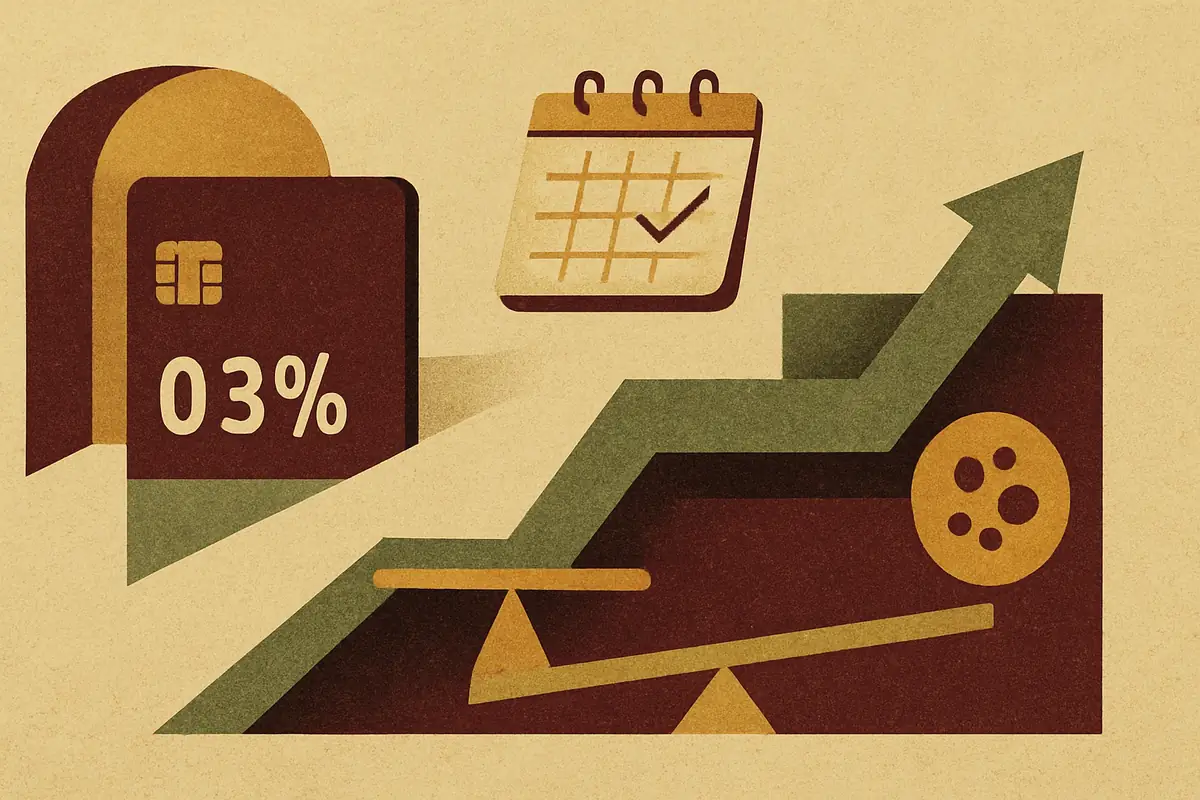
Every month, millions of Americans receive their credit card statements showing a minimum payment as little as 1% to 3% of the total balance—sometimes just $25 to $35 on a $1,000 debt. This seemingly small requirement is not accidental: it reflects a careful balance of psychological triggers, lender profit models, and consumer cash flow realities. Understanding the mechanics and psychology behind minimum payments reveals how everyday choices can impact your long-term financial path and costs.
Understanding Minimum Payments and Their Financial Impact
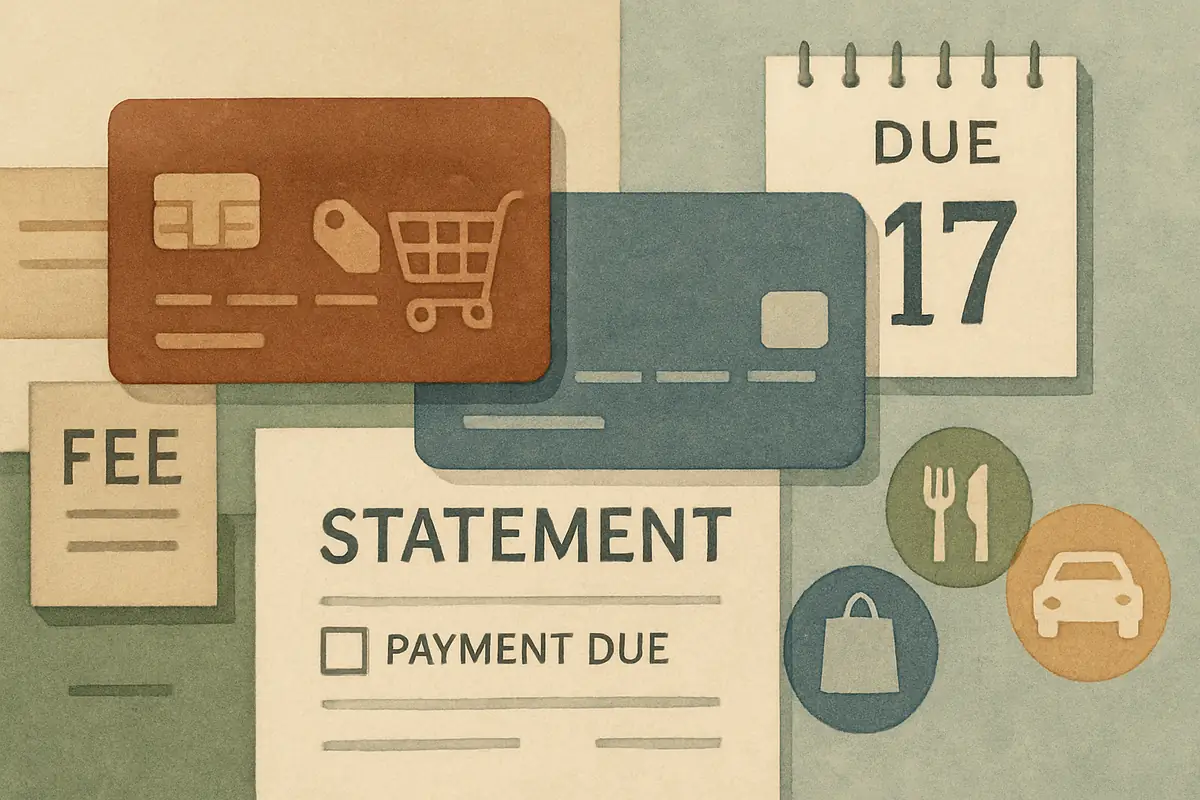
When your credit card statement arrives, it presents multiple figures: the full balance, the minimum payment due, and the due date. The minimum payment is typically calculated as 1% to 3% of your outstanding balance plus any fees and interest, or a set minimum (often $25–$40), whichever is greater. This low threshold keeps accounts current and helps issuers earn ongoing interest revenue. For cardholders, it offers flexibility during tight months but can also lead to extended debt if used routinely.
Minimum payments are intentionally set low to reduce the risk of missed payments, which could lead to late fees ranging from $29 to $40 and potential credit score impacts. However, consistently paying only the minimum can stretch repayment timelines dramatically—sometimes turning a $2,000 balance into a multi-year obligation with hundreds or even thousands in interest. The trade-off is immediate affordability versus long-term financial cost.
Psychological Drivers Behind Minimum Payment Choices
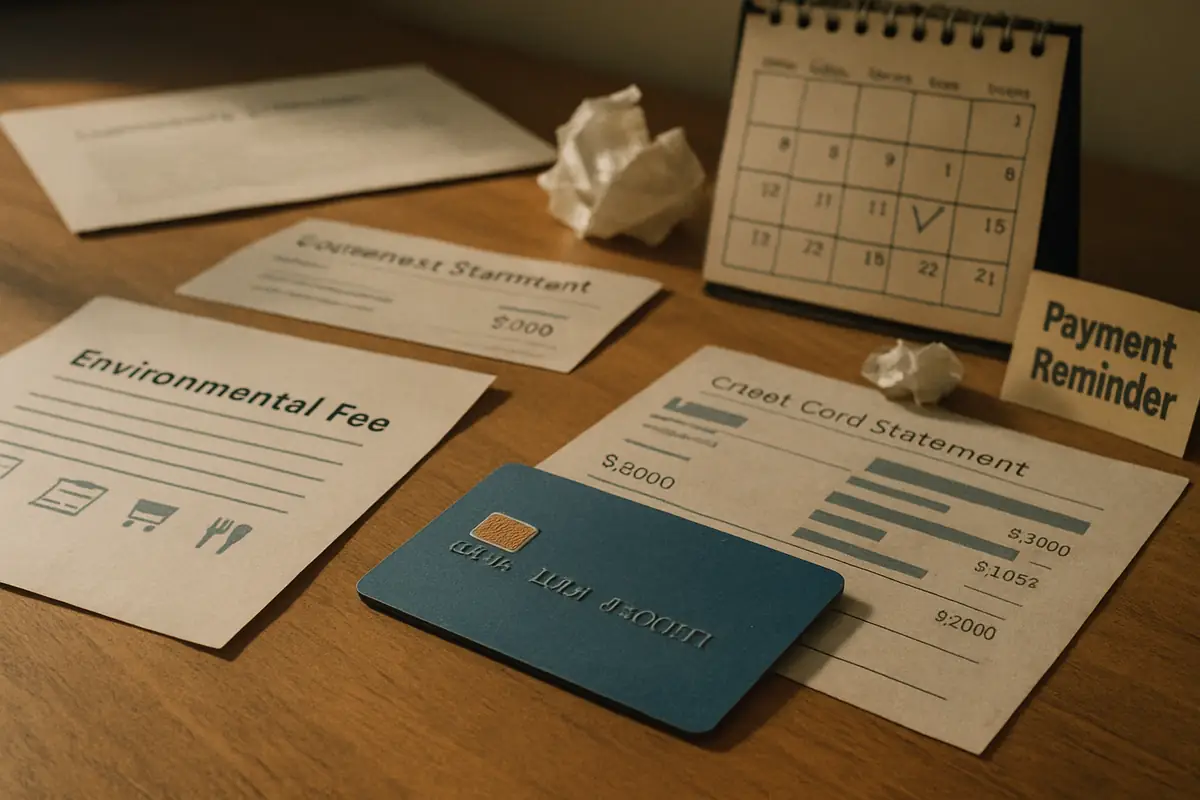
Behavioral finance research shows that minimum payments act as a psychological anchor. Many cardholders feel they are fulfilling their responsibility by paying the minimum, even if the balance remains high. This is reinforced by the statement design, which often highlights the minimum due more prominently than the full balance.
Present bias—a tendency to prioritize immediate needs over future consequences—makes minimum payments appealing. For example, someone with a $5,000 balance at a 22% APR (annual percentage rate, the yearly cost of borrowing) may pay only $100, believing they’ll pay more next month. Optimism bias can lead people to overestimate their ability to pay off debt quickly, despite evidence that minimum payments rarely make a significant dent in principal.
Timing also plays a role. Some cardholders pay just the minimum early in the cycle, intending to pay more later, but life’s demands often intervene. Rewards programs introduce further complexity: the allure of earning points or cash back may lead some to carry balances, rationalizing that rewards offset interest—even though interest costs often exceed the value of rewards earned.
Where Paying Minimums Helps
- Keeps your account current and avoids late fees, which can range from $29 to $40 per missed payment.
- Frees up cash for other urgent expenses when budgets are tight.
- Allows continued use of rewards and credit lines without interruption.
Risks of Relying on Minimum Payments
- Interest accrues at rates commonly between 18% and 30% APR, rapidly increasing total repayment costs.
- Debt payoff can stretch over 5 to 20 years if only minimums are paid on moderate balances.
- Prolonged indebtedness may lead to financial stress and reduced credit flexibility.
The Mechanics of Fees, Interest, and Minimum Payments
Each month you carry a balance, interest charges are added to the unpaid portion. Interest is typically calculated daily on your average daily balance, meaning you’re charged for each day you owe money. If your minimum payment only covers accrued interest plus a small portion of the principal, your balance decreases very slowly.
For example, consider a $3,000 balance at a 20% APR. The minimum payment might be set at 2% of the balance, or $60. In the first month, about $50 of that payment covers interest, leaving only $10 to reduce the principal. The next month, interest is calculated on the new, slightly lower balance, but the reduction is minimal. This cycle repeats, and if you make only minimum payments, you could pay more than $2,000 in interest over several years before clearing the debt.
Interest Accrual Basics
Interest is applied daily based on your average daily balance, so carrying any balance means you pay more over time—sometimes adding $500 or more in extra annual costs for typical users.
"Grace Period" Misconception
A grace period—when no interest is charged on new purchases—applies only if you pay your full statement balance each month. Otherwise, interest starts accruing immediately on new charges.
"Payment Hierarchy" Concept
Payments are typically applied first to fees, then to interest, and only then to principal. Minimum payments often just cover fees and interest, leaving the principal largely untouched.
The True Cost of Paying Only the Minimum
Paying the minimum may feel like progress, but the numbers tell a different story. Suppose you owe $1,500 at a 24% APR. The minimum payment is $37.50 (2.5%). In the first month, interest is about $30, so only $7.50 reduces the principal. If you make only minimum payments and never add new charges, it could take over 7 years to pay off the debt, with total interest exceeding $1,300—nearly doubling the original amount owed.
Step-by-Step Calculation Example
Imagine you have a $2,000 balance at a 22% APR. The minimum payment is 2% of the balance, or $40. First month’s interest: $2,000 × (22% ÷ 12) = $36.67. Of your $40 payment, only $3.33 goes to principal. Next month, your balance is $1,996.67, and interest is $36.61. If you continue paying only $40, it will take more than 9 years to pay off the debt, and you’ll pay over $1,500 in interest alone. Increasing your payment by just $20 per month could cut years off your repayment and save hundreds in interest.
This example illustrates how minimum payments extend debt duration and inflate total costs. Even a modest increase above the minimum—such as $10 or $20—can dramatically accelerate payoff and reduce interest paid.
Rewards Programs and Their Influence on Payment Behavior
Credit card rewards programs—offering cash back, points, or travel miles—can shape spending and payment habits. While rewards can provide value, they sometimes encourage users to spend more or delay full repayment, believing that the benefits offset costs. In reality, interest rates of 15% to 25% APR often outpace the value of most rewards, which typically return 1% to 2% of spending.
For example, earning $20 in rewards on $2,000 of spending is quickly negated if you pay $30 to $40 in monthly interest for carrying a balance. The key is to treat rewards as a bonus for spending you would do anyway—not as a reason to maintain a revolving balance.
When Minimum Payments Can Be a Sensible Short-Term Strategy
Relying on minimum payments may be appropriate during financial emergencies or periods of unstable income. Making the minimum keeps your account current, avoids late fees, and prevents negative credit reporting. For example, if you are between jobs or facing an unexpected medical expense, paying the minimum for a few months is preferable to missing payments entirely, which can trigger penalties of $29 to $40 per occurrence and lower your credit score by 50 points or more.
However, using this approach long-term can be risky. Balances can spiral due to compounding interest, and minimum payments rarely reduce principal meaningfully. Recognizing minimum payments as a short-term tool—rather than a permanent habit—is essential to avoid long-term debt traps.
When Minimum Payments Make Sense
- Helps maintain credit standing during temporary cash flow issues.
- Prevents late payment fees and credit score drops in the short run.
- Keeps credit lines open for emergencies or essential purchases.
Limitations of Relying on Minimum Payments Long Term
- Can result in repayment periods of 10 years or more on moderate balances.
- Leads to high cumulative interest costs, sometimes exceeding the original balance by 50% to 100%.
- Increases risk of default if financial circumstances worsen.
Practical Steps to Move Beyond Minimum Payment Habits
To break the cycle, start by budgeting even small amounts above the minimum—an extra $10 or $20 per month can make a significant difference over time. Review your statements to see how much of your payment goes to interest versus principal. Setting up automatic payments for a fixed amount above the minimum helps ensure consistency and reduces the temptation to underpay.
If managing payments feels overwhelming, contact your card issuer to discuss hardship programs or lower interest options. Tools like debt payoff calculators or spreadsheets can provide a visual of your progress, helping you stay motivated. Remember, even incremental changes can reduce your payoff period by months or years and save hundreds in interest.
Automate Payments
Scheduling automatic payments above the minimum each month builds consistency and reduces missed payments.
Track Progress
Use apps or spreadsheets to visualize how extra payments accelerate your debt payoff and reduce total interest.
Seek Support
Credit counseling can help you develop a structured plan if you’re struggling to keep up with payments.
Assessing Whether Your Payment Strategy Aligns with Your Goals
The Broader Effects of Minimum Payments on Credit Behavior
Minimum payments serve as a low psychological anchor, providing short-term relief but often encouraging cycles of long-term debt. With minimums as low as 1% to 3% of the balance, many consumers underestimate their true financial obligations, believing their debt is under control while interest quietly accumulates.
Cognitive biases like present bias and optimism bias play a significant role. Present bias leads individuals to focus on immediate needs, making the small minimum seem attractive. Optimism bias results in overconfidence about future repayment ability—even as balances persist for years. These biases, combined with the design of credit card statements, help explain why many cardholders remain in revolving debt, and why issuers structure minimums to encourage ongoing balances.
Statement layout also influences decisions. Minimum payments are often highlighted in bold or larger font, while the full balance is less prominent. This "choice architecture" nudges users toward the minimum, making it more likely they'll pay just enough to avoid penalties rather than aggressively reduce debt.
Emotionally, making the minimum payment can reduce anxiety or guilt, creating an illusion of progress. This partial relief reinforces the habit, even as the underlying debt remains largely unchanged. Over time, the cycle of making minimum payments for short-term comfort can delay real progress toward debt freedom.
Financial literacy is a key factor. Those who understand how APR (the annualized cost of borrowing), compounding interest, and payment allocation work are more likely to view minimum payments as a last resort. Less financially literate consumers may not realize that making only the minimum can double or triple repayment time and total interest paid. Improving education around these concepts can empower more effective repayment strategies.
Rewards programs and promotional offers further complicate behavior. While earning points or cash back may seem beneficial, these incentives can lead to increased spending and larger balances. If cardholders make only minimum payments while chasing rewards, they risk negating the value of those rewards with mounting interest charges.
Ultimately, understanding the psychological and structural factors behind minimum payments can help consumers make more informed choices. By setting personal goals to pay more than the minimum—such as aiming for 5% of the balance or targeting a specific payoff date—cardholders can accelerate their journey to debt freedom and reduce overall costs.
Effective Strategies to Escape the Minimum Payment Trap
Breaking free from minimum payment cycles requires both practical and psychological strategies. Automating incremental increases above the minimum—starting with $10 or $20—can build momentum and reduce decision fatigue. Framing payments as investments in future financial freedom, rather than obligations, taps into intrinsic motivation and supports long-term change.
Setting clear goals, tracking progress, and seeking support when needed can help you regain control over your credit card debt. By understanding both the numbers and the psychological forces at play, you can make payment decisions that support your broader financial well-being.
References
- https://www.consumerfinance.gov/consumer-tools/credit-cards/
- https://www.fdic.gov/consumer-resource-center/credit-cards
- https://www.consumerfinance.gov/consumer-tools/bank-accounts/
- https://www.consumerfinance.gov/consumer-tools/credit-reports-and-scores/
- https://consumer.ftc.gov/articles/what-know-about-identity-theft