Variable interest rate loans often entice borrowers with lower initial monthly payments—sometimes as much as 1% to 2% below comparable fixed-rate options. For example, a variable-rate mortgage might start at 5% when fixed rates are closer to 6.5%. While this can translate to immediate savings—potentially hundreds of dollars monthly on a $300,000 loan—these loans carry risks that can sharply increase long-term costs. This article reveals the mechanics behind variable-rate loan offers, the real risks hidden beneath appealing numbers, and what every borrower should scrutinize before signing.
Why Variable Rates Seem More Attractive Than They Are
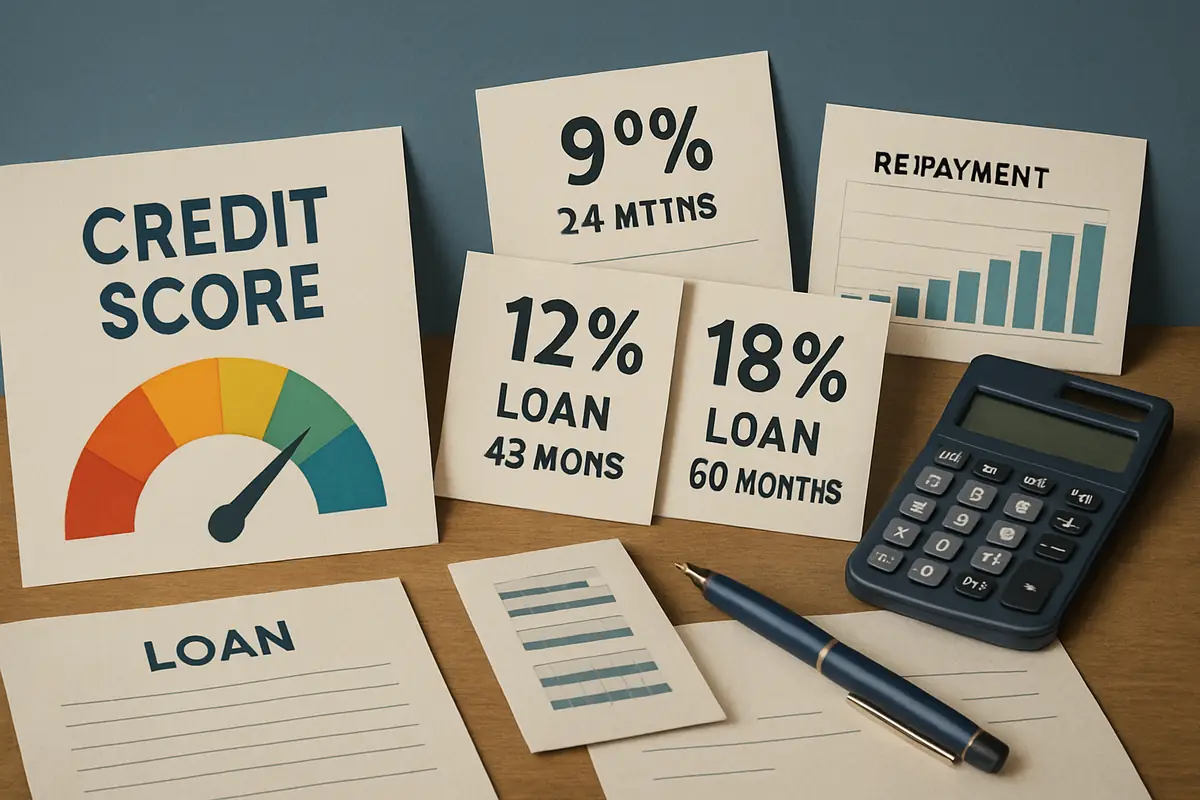
Variable interest rates generally begin 0.5% to 2% lower than fixed rates, creating a perception of affordability and flexibility. For instance, a car loan might advertise a starting rate of 4% variable versus 6% fixed, making the monthly payment on a $25,000 loan about $30 less per month at the outset. Borrowers are often drawn to the possibility that if market rates drop, their payments will decrease as well. Lenders highlight these introductory savings and low headline rates, sometimes without emphasizing the full impact of future rate adjustments on total costs.
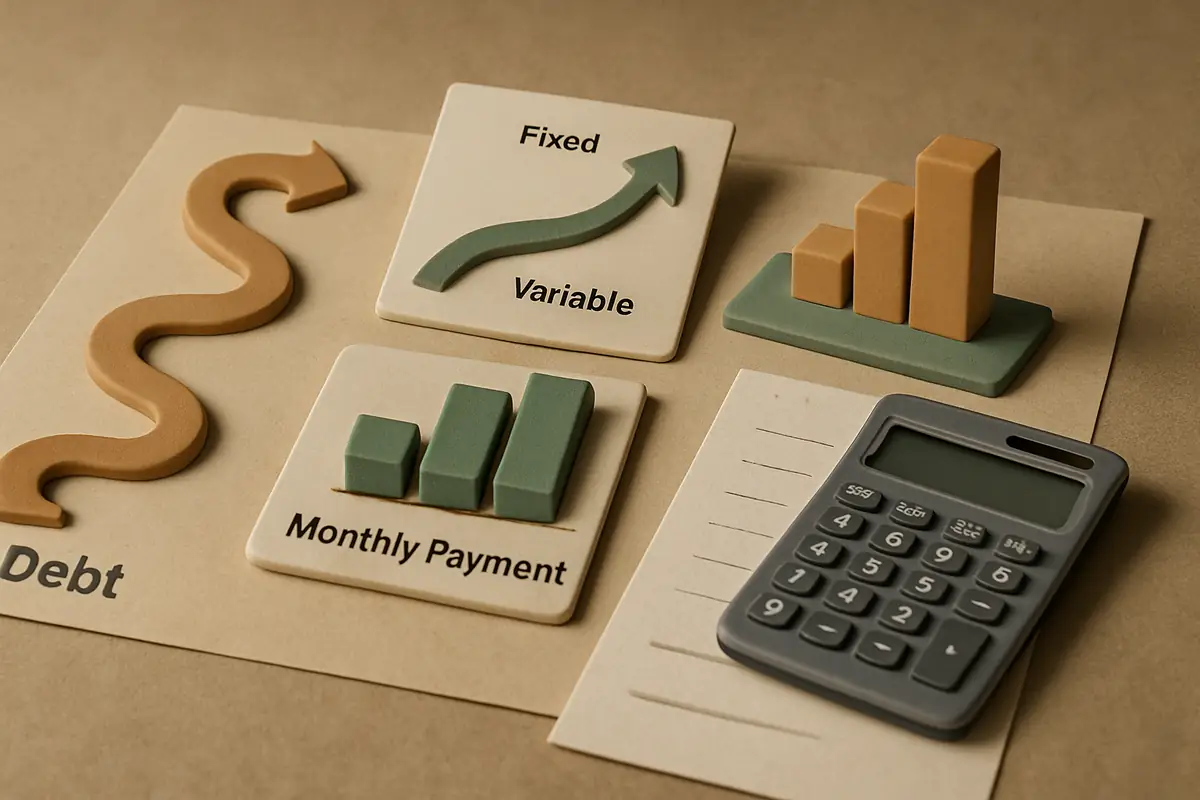
Unlike fixed-rate loans, which lock in a consistent monthly payment, variable-rate loans are tied to benchmark indices such as the Secured Overnight Financing Rate (SOFR) or the prime rate. The lender adds a margin—often 1% to 3%—to this benchmark. These benchmarks can fluctuate significantly: for example, the U.S. prime rate has ranged from under 3.25% to over 8% in the past two decades. When these rates rise, so do your payments. A 2% increase on a $200,000 mortgage can raise monthly payments by $230 or more, quickly erasing initial savings and potentially straining your budget.
APR and the Real Cost of Borrowing with Variable Loans
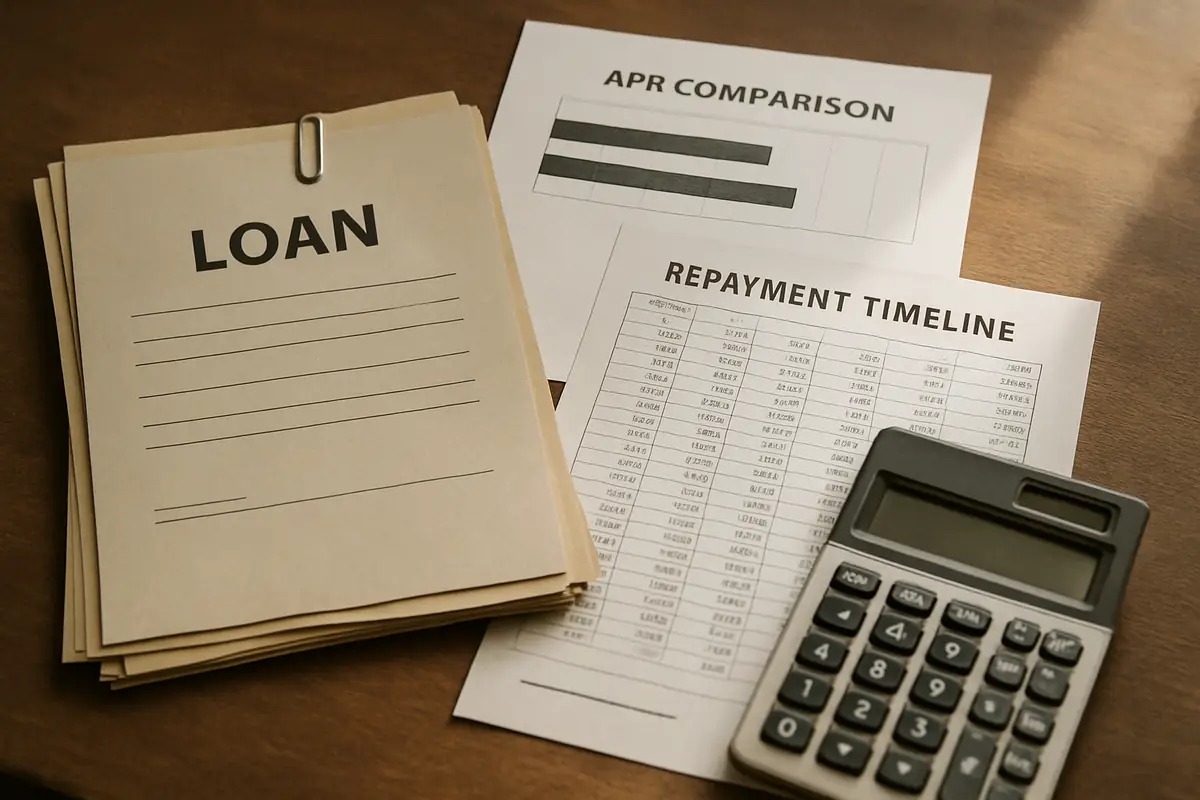
The Annual Percentage Rate (APR) is a standardized figure that represents the yearly cost of borrowing, including interest and certain fees. For fixed-rate loans, the APR gives a reliable estimate of total costs. With variable-rate loans, however, the APR is based on the current rate and assumptions about future changes. If rates rise faster than assumed, your actual cost can exceed the quoted APR by several percentage points.
Suppose you take a $200,000 variable-rate mortgage at 5% interest, with a 30-year term. Your initial monthly payment is about $1,074. If after two years the rate rises to 7%, your new payment jumps to approximately $1,330—a $256 increase per month. Over the next year, that’s over $3,000 in additional payments, not counting any adjustment fees or penalties.
APR calculations for variable loans often assume the starting rate remains stable or increases slowly—typically by just 0.25% to 0.5% per year. However, in some years, benchmark rates have surged by more than 1% in a single quarter. APR also may not include penalty fees or rate adjustment charges, which can add hundreds or thousands of dollars to your total cost. Borrowers relying on APR alone risk underestimating the true expense of a variable-rate loan.
Fees That Hide the True Cost of Variable-Rate Loans
Variable-rate loans often come with a variety of fees that complicate cost comparisons. Common charges include application fees (typically $100–$500), rate adjustment fees (often $50–$200 per change), early repayment penalties (ranging from 1% to 3% of the outstanding balance), and administrative fees (about $10–$50 per payment cycle). Some lenders also impose additional charges if the benchmark rate moves beyond a set threshold, such as a 0.5% fee if rates increase by more than 2% in a year.
These fees are rarely highlighted in advertisements but can significantly impact your total repayment. For example, early repayment penalties can erase the benefits of refinancing or paying off your loan early to avoid higher interest. On a $20,000 personal loan, a 2% early repayment penalty equals $400—potentially more than a month’s payment. All these costs add up, especially when combined with rising interest rates.
Term Length Directly Affects Exposure to Rate Increases
The length of your loan term determines how long you are exposed to the risk of rising rates. Longer-term loans—such as 30-year mortgages or 7-year auto loans—leave you vulnerable to multiple interest rate cycles. Over a decade, rates can swing by 3% or more, potentially doubling your monthly payment. For example, a $250,000 mortgage with a variable rate that rises from 4% to 8% over ten years could see monthly payments increase from $1,194 to $1,834—a $640 jump.
Shorter-term loans, such as 3- or 5-year products, reduce total interest paid but often come with higher monthly payments and less flexibility if rates rise quickly. If your financial situation changes—due to job loss or medical expenses—managing higher payments becomes more challenging. Borrowers should realistically assess their ability to handle payment increases over the full term, not just the first few years.
Collateral Requirements Increase Borrower Risk
Many variable-rate loans, especially mortgages and auto loans, are secured by collateral such as your home or vehicle. If rising rates cause your payments to spike and you fall behind, you risk losing these assets through foreclosure or repossession. For example, a $20,000 auto loan with a variable rate that jumps from 5% to 9% can increase monthly payments by nearly $40, putting additional strain on tight budgets.
The value of your collateral can also fluctuate independently of your loan terms. If home prices fall by 10% during a period of rising rates, borrowers may find themselves owing more than their property is worth—known as being "underwater." This combination of interest rate risk and asset value risk makes variable-rate secured loans particularly hazardous during volatile economic periods.
Where readers should be careful
"A low starting rate does not guarantee savings over time." Always review your contract for clauses that allow significant rate increases or fees triggered by index changes. For example, some loans allow rate adjustments of up to 2% per year and 5% over the loan’s lifetime.
Penalties Can Magnify Repayment Pressure
Penalties for missed or late payments, as well as early repayment, are often more severe in variable-rate loans. Late payment fees can range from $25 to $75 per occurrence, while early repayment penalties may be 1% to 3% of the remaining balance. These costs can discourage borrowers from refinancing or prepaying to escape rising rates.
Some lenders anticipate that borrowers will want to exit as rates climb and structure penalties accordingly. For example, on a $150,000 loan, a 2% early repayment penalty equals $3,000. Such charges reduce your flexibility and increase the risk of long-term financial strain if market rates rise unexpectedly.
Comparing Actual Loan Obligations to Advertised Offers
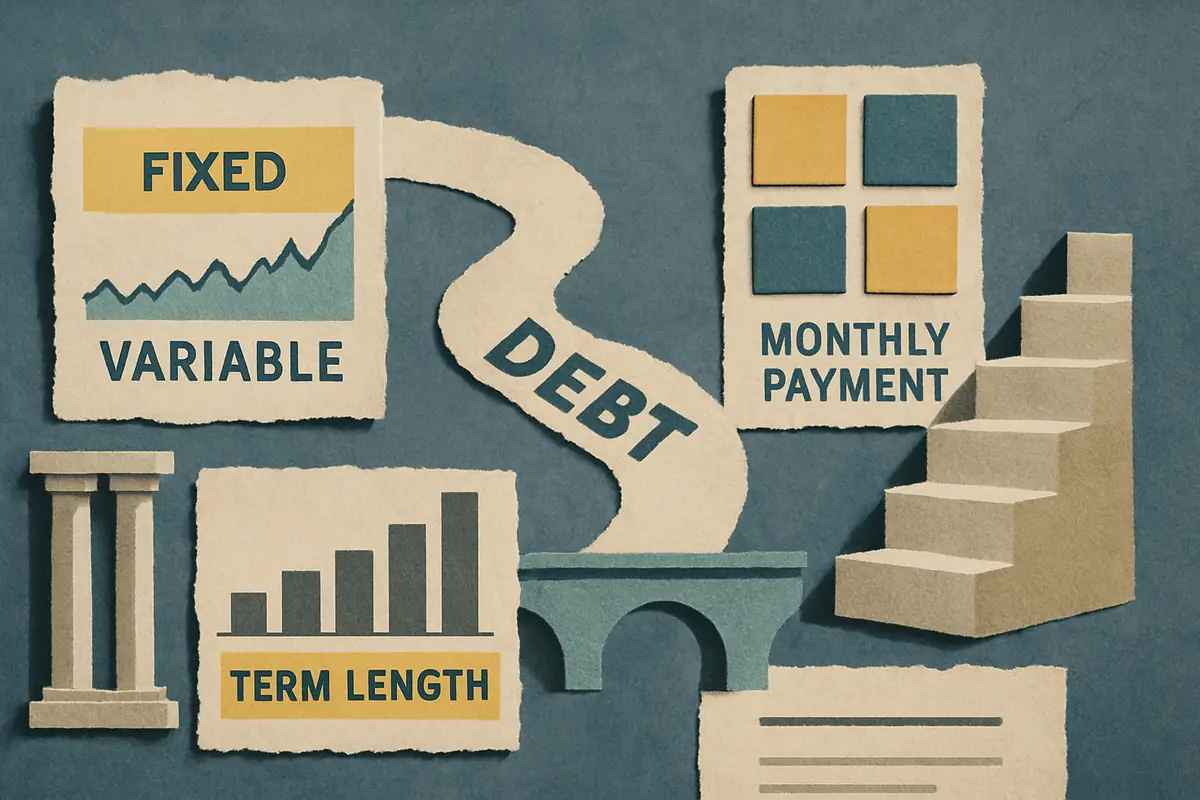
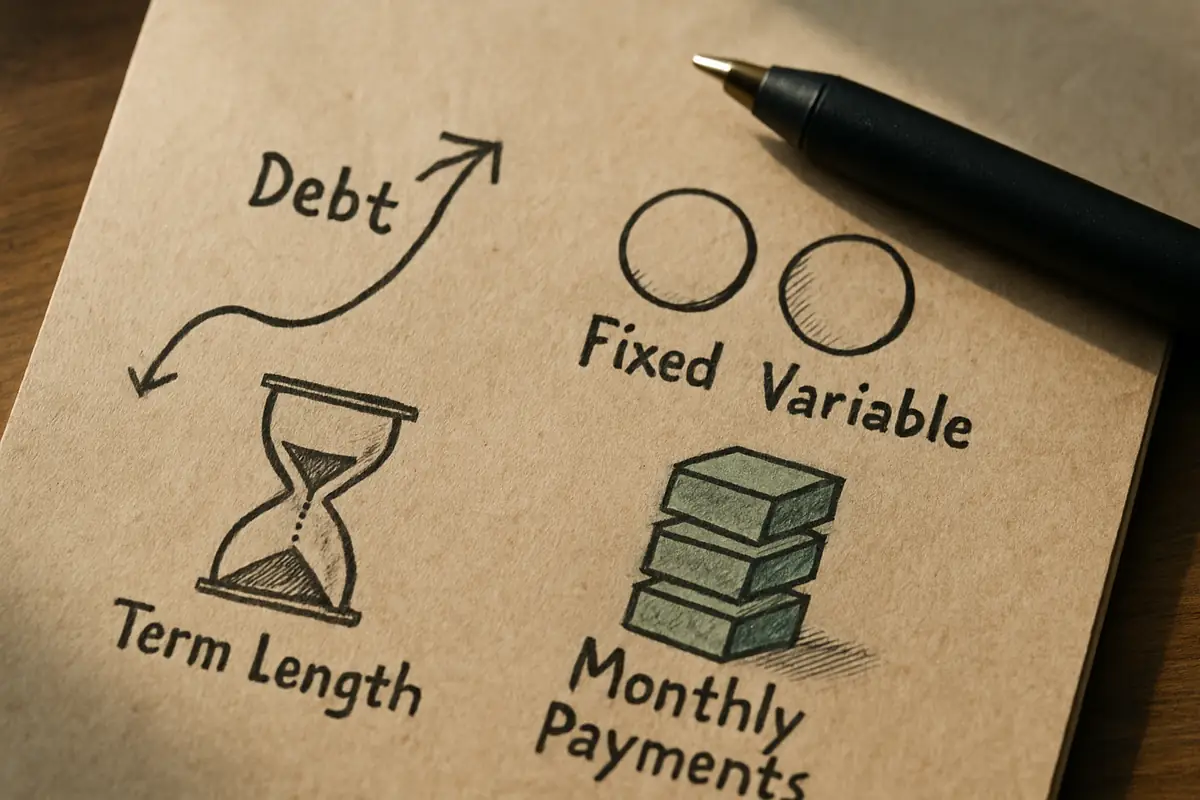
Lenders often advertise low introductory rates, but the formulas for adjusting those rates are buried deep in the contract. Key details to look for include the benchmark index used (such as SOFR or the prime rate), the margin added by the lender, the frequency of rate resets (monthly, quarterly, or annually), and any caps on how much the rate can increase per period or over the loan’s life. For example, some loans cap annual increases at 2% and lifetime increases at 5%, but others offer no such protection.
Reading the fine print helps you understand how and when your payments may change. For instance, a loan with a 3% margin over the benchmark and quarterly adjustments can respond rapidly to market swings, making payments unpredictable. Always compare the full contract terms—not just the advertised rate—when evaluating offers.
Where Variable Rates Can Be Advantageous
- Initial monthly payments are often $50–$300 lower than fixed-rate alternatives on typical loans.
- Potential for reduced costs if benchmark rates decrease by 0.5% or more during your loan term.
- Short-term flexibility when market conditions remain stable or rates are expected to drop within 1–3 years.
Situations Requiring Careful Caution
- Uncertainty from unpredictable rate hikes—benchmark rates have risen by over 2% in a single year during past cycles.
- Complicated fee structures can add $500–$2,000 in unexpected costs over the loan’s life.
- Long-term exposures (10+ years) magnify payment risk and budget vulnerability.
- Lack of borrower control over timing and scale of rate adjustments, especially with frequent resets.
- Collateral risk is heightened if property values fall by 10% or more during periods of rising rates.
A Realistic Scenario: Hidden Risks in Variable-Rate Loans
Case Study: Homeowner Facing Rising Payments After Initial Savings
A homeowner secures a $300,000 variable-rate mortgage at an initial rate of 4.5%, with payments of $1,520 per month. For the first two years, the payment fits comfortably within the household budget. However, due to a series of central bank rate hikes totaling 2.5% over three years, the mortgage rate resets to 7%. The monthly payment climbs to $1,995—an increase of $475. Attempting to refinance, the borrower faces a 2% early repayment penalty ($6,000). Simultaneously, home values in the area drop by 8%, reducing equity and limiting refinancing options. The combination of higher payments, penalty fees, and declining collateral value places substantial pressure on the household’s finances, demonstrating how variable-rate loans can become a financial strain despite initially attractive terms.
Ways Borrowers Can Reduce Risk with Variable-Rate Loans
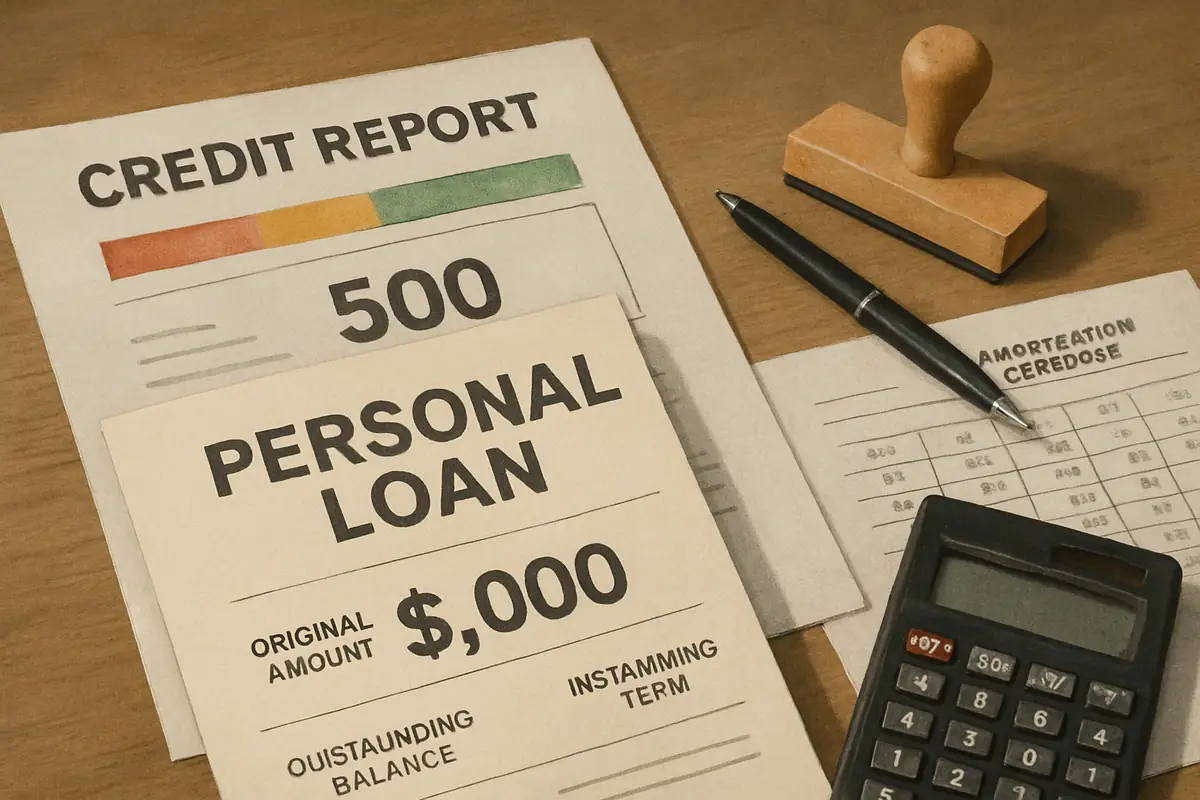
Mitigating risk starts with a detailed review of the loan contract, focusing on all cost elements beyond the advertised rate. Pay special attention to the adjustment index, margin, frequency of resets, and maximum allowed increases. Request a sample amortization schedule—a table showing how payments and interest change over time—at several possible future rates (e.g., current rate, +1%, +2%).
Build a financial buffer by setting aside at least 3–6 months’ worth of loan payments in a savings account to cover potential payment spikes. Consider your ability to absorb increases: if rates rise by 2% over two years, can your budget handle an extra $200–$500 per month? Factor in potential penalty fees if you need to refinance or pay off the loan early. Planning for these scenarios helps protect your financial stability.
Where readers should be careful
Never assume you can refinance out of a rising-rate loan without cost. Early repayment penalties—often 1% to 3% of the balance—can apply even if you switch lenders. Always confirm these terms before committing.
Key Questions to Ask Before Committing to a Variable-Rate Loan
The Hidden Costs of Variable Rate Loans
Variable-rate loans commonly appeal to borrowers with initial rates 1% to 2% below fixed alternatives, especially during periods when benchmark rates are at multi-year lows. However, this advantage can be temporary and may mask significant hidden costs that emerge over the loan’s life. Key risks include unpredictable interest rate movements—benchmark indices like the federal funds rate have shifted by more than 3% within five-year spans—leading to sharp and unexpected increases in borrowing costs. Lenders may also adjust margins (the extra percentage added to the benchmark) from 1% to 3%, further amplifying payment volatility. Understanding these dynamics is essential to avoid financial surprises.
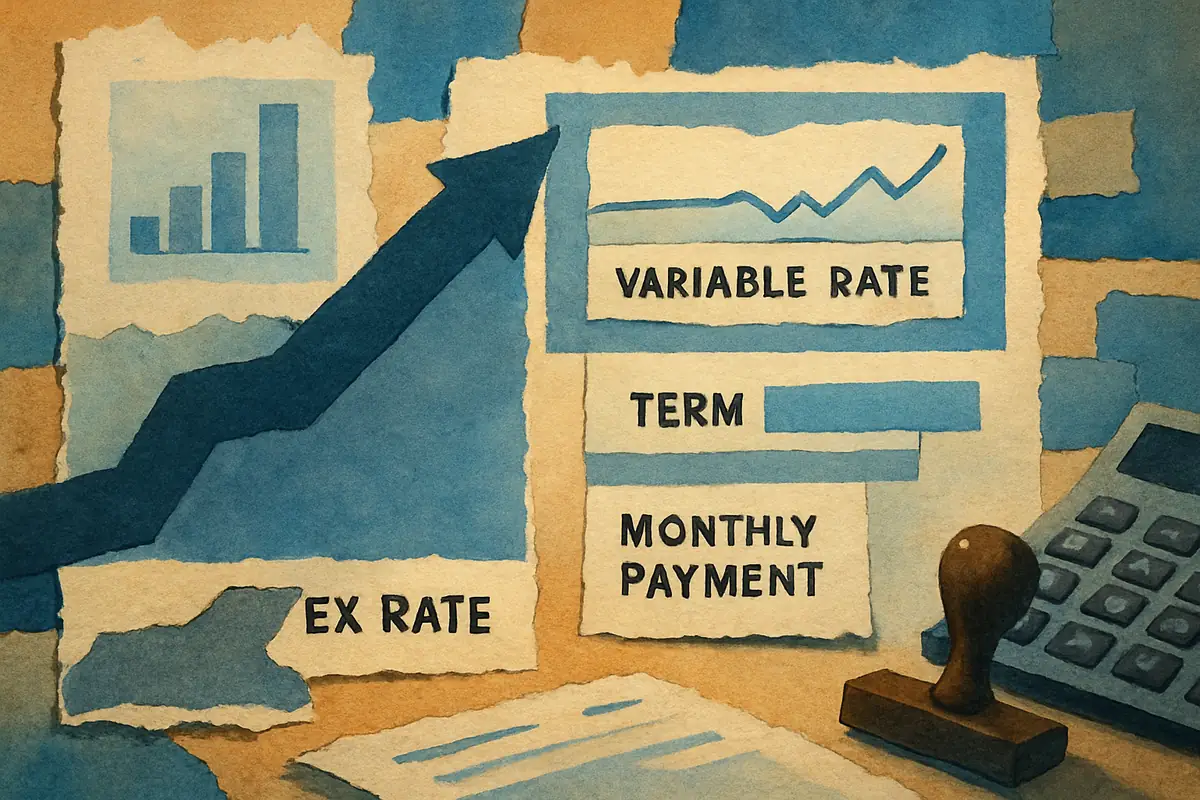
Central bank policy changes can directly and quickly impact variable-rate loans. For example, a central bank may raise its benchmark rate by 0.5% to 1% within a single meeting to combat inflation. Borrowers with loans tied to such benchmarks can see their payments increase by $100–$400 per month on typical home loans, sometimes within a single quarter. If economic uncertainty persists, lenders may also increase their margin, compounding the effect. This exposes borrowers to the risk of doubling their payments over a few years, especially if they budgeted based on initial rates.
The psychological impact of fluctuating payments is also significant. Unlike fixed-rate loans, where monthly payments remain constant, variable-rate loans can create ongoing anxiety and uncertainty. For example, a family whose mortgage payment rises by $300 per month may need to cut back on essentials like healthcare or education, affecting overall well-being. This unpredictability can lead to delayed financial decisions, such as postponing home upgrades or investments, and may ultimately result in less optimal financial outcomes compared to the stability offered by fixed rates.
Proactive risk management is essential for borrowers considering variable-rate loans. Maintaining an emergency fund with at least three months’ worth of payments—typically $3,000 to $6,000 for a median mortgage—can provide a buffer against sudden rate hikes. Monitoring economic trends and benchmark indices, and considering refinancing when rates are low, can also help manage costs. Some borrowers opt to switch to fixed-rate loans if they anticipate rising rates, though this may involve additional fees.
Lenders are increasingly offering tools such as payment calculators that model different interest rate scenarios. These tools allow borrowers to see how payments could change if rates rise by 1% or 2%, helping them make more informed decisions. Clearer disclosure of margin charges, adjustment frequencies, and caps on increases—such as a maximum 2% annual rate hike or a 5% lifetime cap—can further protect borrowers from unexpected costs and build trust in the lending process.
Historical examples illustrate how variable-rate loans respond to economic cycles. During the early 2000s, falling benchmark rates allowed many borrowers to enjoy reduced payments, boosting their disposable income. Conversely, during periods of monetary tightening, such as 2005–2007 and 2022–2023, rates rose by over 2% in less than two years, squeezing budgets and increasing default risk. In countries with volatile currencies, these swings can be even more pronounced, with lenders adjusting margins quickly to reflect changing risk profiles.
In summary, while variable-rate loans can offer short-term savings and flexibility, they carry significant risks that demand careful consideration. Understanding how interest rates, loan terms, and fees interact—and preparing for worst-case scenarios—can help borrowers manage these risks without compromising long-term financial health. Strategies such as building reserves, monitoring market trends, and using lender-provided planning tools are essential for anyone considering variable-rate borrowing.
What should I consider before choosing a variable-rate loan?
Assess your ability to handle payment increases of 1% to 3% in interest rates, and ensure you have at least 3–6 months of payments saved as a buffer. Understand how your loan’s benchmark index and margin work, and monitor economic indicators that could affect your rate.
Can I switch from a variable-rate loan to a fixed-rate loan later?
Yes, many lenders offer refinancing options that allow you to convert to a fixed rate if you anticipate rising interest rates. However, be aware of possible early repayment penalties ranging from 1% to 3% of your outstanding balance.
Are there limits on how high my variable-rate payments can go?
Some loans include caps on annual or lifetime rate increases—such as a 2% annual and 5% lifetime cap—but others do not. Always check your loan agreement or ask your lender about these protections before committing.
References
- https://www.consumerfinance.gov/ask-cfpb/what-is-apr-en-45/
- https://www.consumerfinance.gov/consumer-tools/
- https://www.federalreserve.gov/releases/h15/
- https://www.fdic.gov/consumer-resource-center/loans
- https://www.consumerfinance.gov/ask-cfpb/what-is-the-difference-between-a-fixed-rate-and-adjustable-rate-mortgage-arm-loan-en-100/