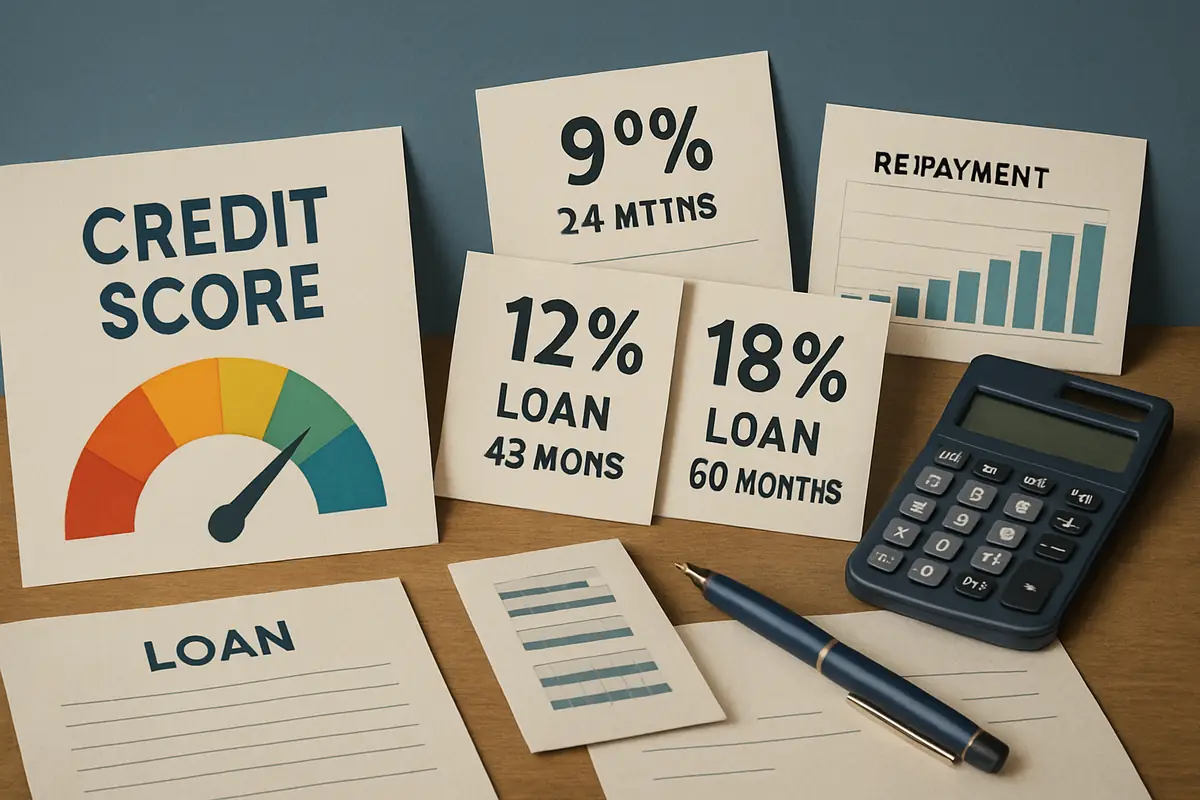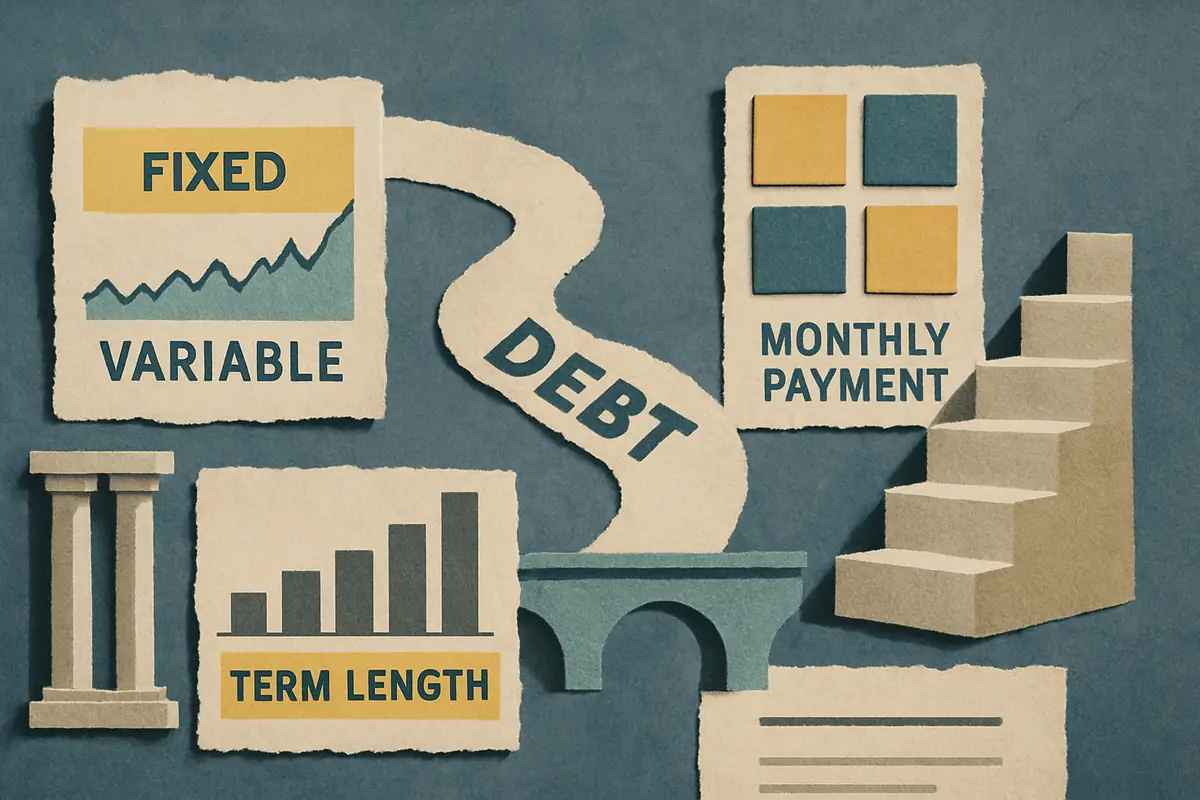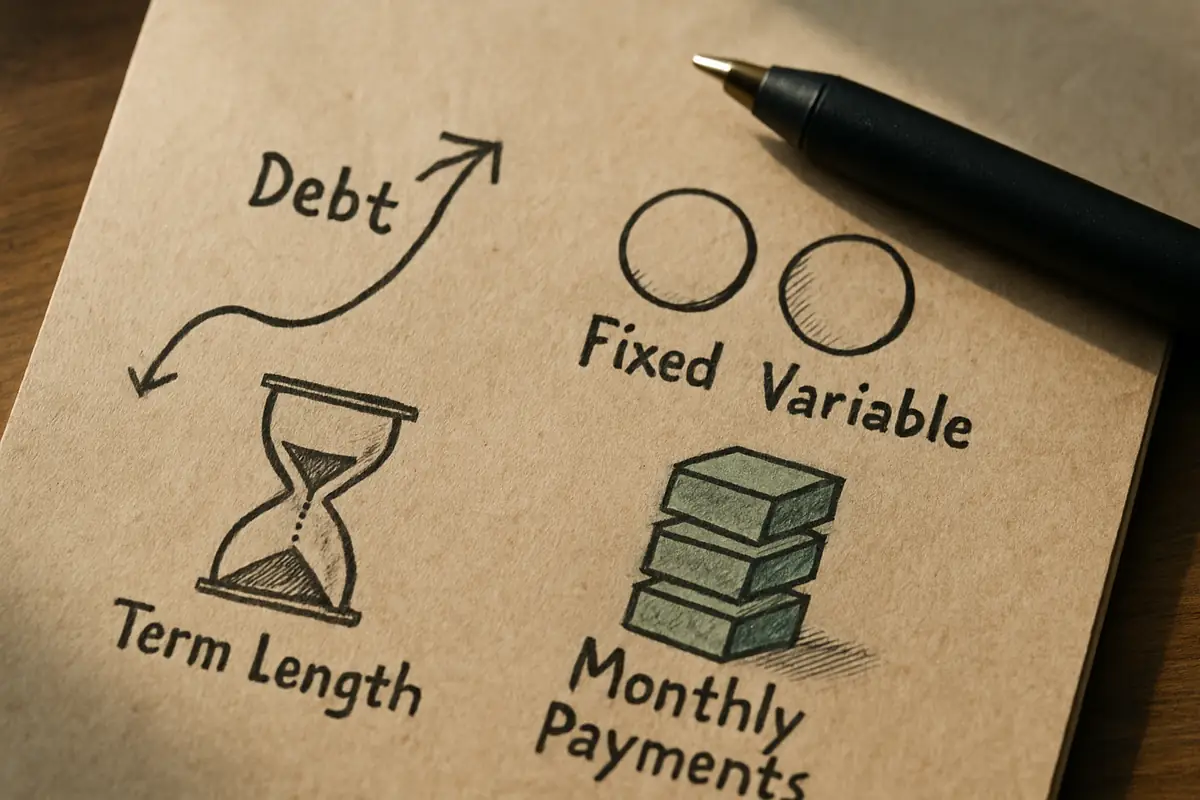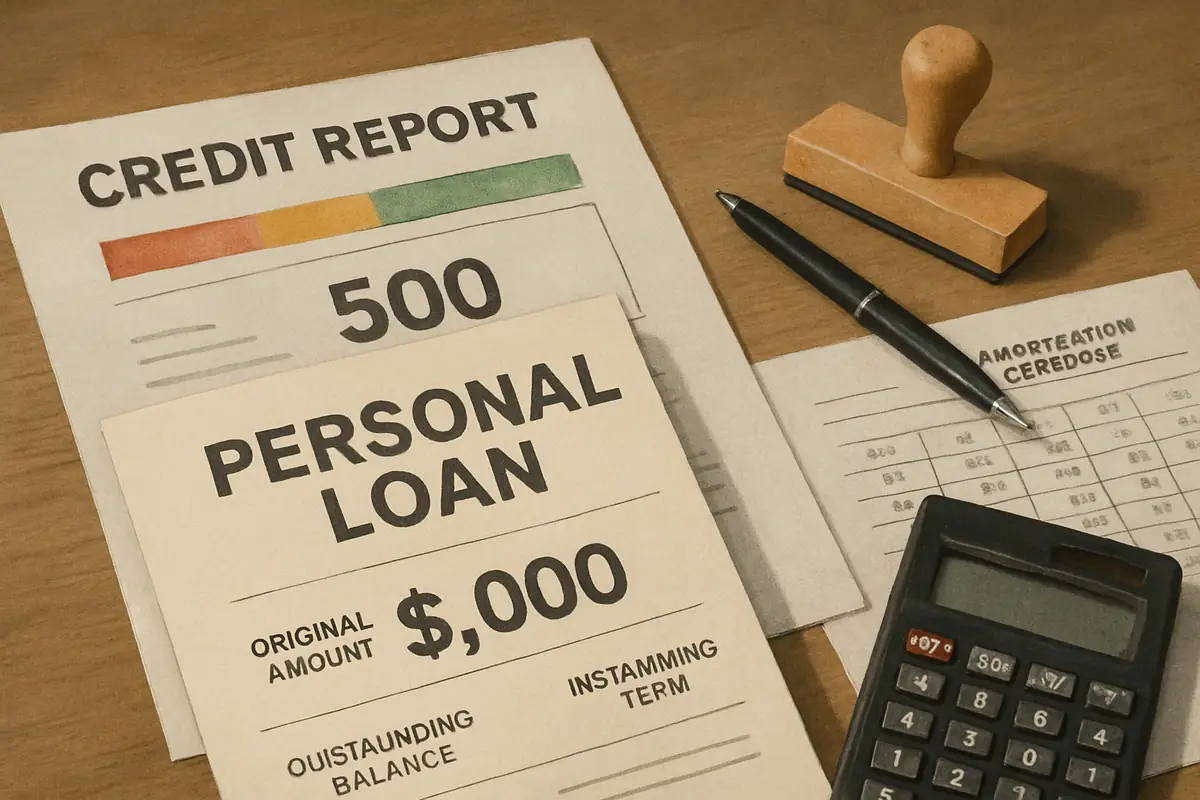
Jessica and Mark, a young couple preparing to buy their first home, faced a stack of loan offers on their kitchen table. They had received several proposals with interest rates ranging from 3.5% to 5%, but knew that the lowest monthly payment doesn’t always mean the least expensive loan overall. Their careful review process was essential: understanding every detail in the loan documents would help them avoid unexpected costs and financial pitfalls for years to come.
Interest Rate and APR: Understanding the Full Cost of Borrowing
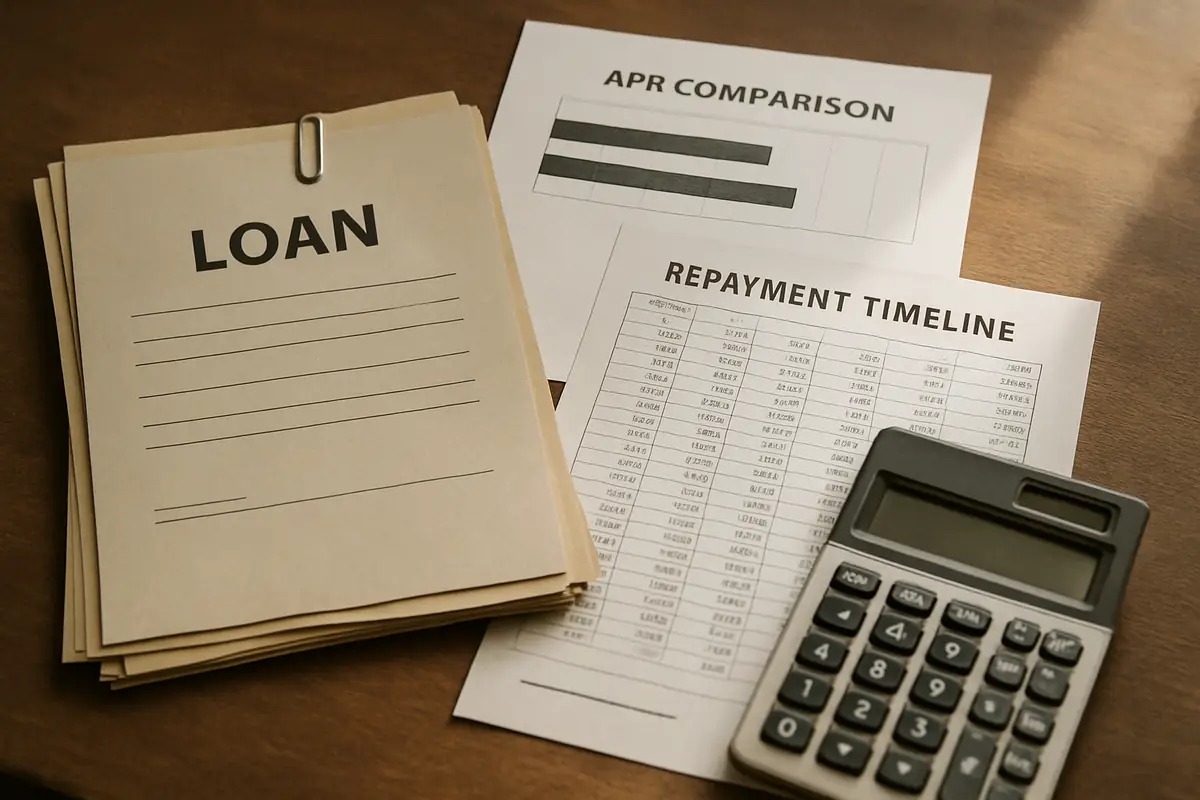
When evaluating a loan, borrowers often focus on the interest rate, which is the percentage charged annually for borrowing the principal. However, the interest rate alone doesn’t reveal the loan’s total cost. The Annual Percentage Rate (APR) is a broader measure that includes the interest rate plus lender fees such as origination, processing, and underwriting charges, expressed as a yearly percentage. For example, Jessica and Mark compared a loan with a 3.75% interest rate and a 4.2% APR, revealing that $2,500 in origination fees were included in the higher APR. This comparison allowed them to see that the lower advertised rate didn’t necessarily mean a cheaper loan.
Borrowers should also watch for introductory “teaser” rates, which might last only 6 to 12 months before resetting to higher rates—sometimes increasing by 1% to 3% or more. Adjustable-rate mortgages (ARMs), for instance, can start at 3% but rise to 5% or 6% after the initial period. Failing to account for these adjustments can result in a monthly payment jump of $200 or more on a typical $250,000 loan, straining household budgets unexpectedly.
Examining Fees: Upfront and Ongoing Charges Add Up
Loan offers often include a range of fees that directly affect affordability. Upfront fees such as application, origination, or underwriting charges can total between 0.5% and 2% of the loan amount—meaning $1,250 to $5,000 on a $250,000 mortgage. Ongoing fees, such as servicing or maintenance charges, may add $10 to $50 per month over the life of the loan. Jessica and Mark noticed that a lender advertising no origination fee offset this with a $35 monthly maintenance charge, totaling $420 per year.
Borrowers should review the fee schedule in loan disclosures and seek clarification if any terms are unclear or buried in fine print. Even fees as small as $15 per month accumulate to $1,800 over a decade. Always ask for a complete list of charges, including late payment, documentation, and wire transfer fees, to avoid surprises.
Loan Term Length: The Trade-Off Between Payments and Interest
The loan term—the period over which the loan is repaid—directly impacts both monthly payments and the total interest paid. Longer terms, such as 30 years, typically reduce monthly payments but increase the total interest cost. Shorter terms, like 15 years, require higher monthly payments but save thousands in interest.
For example, Jessica and Mark considered two options for a $250,000 mortgage:
- 30-year term at 4.0% APR: Monthly payment: approximately $1,194. Total interest paid over 30 years: about $179,674.
- 15-year term at 3.5% APR: Monthly payment: approximately $1,787. Total interest paid over 15 years: about $72,643.
By choosing the 15-year loan, they would pay $593 more per month, but save over $107,000 in interest over the life of the loan. This step-by-step calculation highlights how term length affects both immediate affordability and long-term cost.
Collateral Requirements: What Assets Secure the Loan
Many loans require collateral—assets pledged to secure repayment. Mortgages use the home itself as collateral, auto loans use the vehicle, and some personal loans may require savings or investment accounts. If the borrower defaults, the lender can claim the collateral to recover losses. For example, failing to repay a $20,000 auto loan could result in repossession of the car, often with little notice after missed payments.
Jessica and Mark hesitated over unsecured personal loans, which do not require collateral but often carry higher interest rates—commonly between 8% and 24%. Secured loans may offer lower rates, sometimes by 2% to 4%, but increase the risk of losing valuable property if payments are missed. Borrowers should assess their ability to keep up with payments before putting assets on the line.
| Factor | What It Means | Potential Risk |
|---|---|---|
| APR | Total annual cost including interest and fees | May mask high upfront costs if only nominal rates are advertised |
| Upfront Fees | Initial charges like application or origination fees | Increase initial borrowing cost; can be non-refundable |
| Term Length | Duration to repay loan | Longer terms increase cumulative interest paid |
| Collateral | Assets securing a loan | Default risks loss of property pledged |
| Penalties | Costs for missed or early payments | Unexpected expenses if repayment conditions aren’t met |
Penalty Clauses: The Cost of Missed or Early Payments
Penalty clauses can significantly increase the cost of a loan if payments are missed or the loan is repaid early. Late payment fees often range from $25 to $75 per occurrence, and some loans impose penalty interest rates that can add 2% to 5% to the regular rate after a missed payment. Prepayment penalties, which discourage paying off a loan early, can be 1% to 3% of the remaining balance on mortgages or personal loans.
Jessica discovered a personal loan with a 3% prepayment penalty—meaning paying off a $10,000 balance early would result in a $300 fee. Borrowers should review these terms closely and ask lenders about scenarios such as job loss, refinancing, or early payoff to understand potential costs if circumstances change.
Where readers should be careful
Beware of loans with very low advertised payments paired with complex penalty structures. These can trap borrowers who later need to adjust repayments, leading to steep costs that can total hundreds or thousands of dollars over time.
Evaluating Household Capacity to Repay Loans
Calculating affordability based solely on monthly payment overlooks fluctuations in household income and unexpected expenses. Financial experts recommend that total debt payments—including housing, auto, and student loans—should not exceed 36% to 43% of gross monthly income. Jessica and Mark factored in Mark’s freelance income variability and set aside a 10% buffer for emergencies, revealing that some loan options left them with less than $300 in monthly discretionary funds—an uncomfortably thin margin for unexpected costs.
Building a conservative budget that includes all fixed obligations and at least three months of living expenses in savings strengthens resilience against income disruptions and reduces the risk of missed payments that could trigger penalties or damage credit scores.
How Advertised Offers May Differ from Actual Obligations
Marketing materials often highlight favorable terms—such as a 2.99% introductory rate or “no closing costs”—while omitting details found in the full contract. For example, a loan might advertise a low rate for six months, then automatically increase by 2% or more after the promotional period. Some agreements include acceleration clauses, allowing the lender to demand full repayment if a single payment is missed.
Borrowers should read every document thoroughly, paying close attention to sections on rate adjustments, fee schedules, and lender rights during hardship events. Even small differences—like a $50 annual servicing fee—can add up over a 15- or 30-year loan term.
Loan Documentation: Contracts Versus Advertisements
A signed loan contract is legally binding and supersedes any advertising claims or verbal promises. Jessica noticed that while a lender’s email mentioned “flexible payment options,” the contract limited modifications and imposed a $200 fee for any changes to the repayment schedule. Borrowers should request complete contracts well before closing, allowing time for review by legal advisors or trusted financial counselors, especially if borrowing amounts exceed $50,000 or terms are complex.
Can I negotiate loan terms before signing?
Yes, many lenders are open to negotiating fees, interest rates, or repayment schedules, particularly for borrowers with credit scores above 740 or strong financial profiles.
What happens if I miss a payment?
Missed payments may trigger late fees of $25 to $75, higher penalty interest rates, negative credit reporting, and in secured loans, risk of asset repossession after 60 to 90 days of delinquency.
Is it better to choose fixed or variable rates?
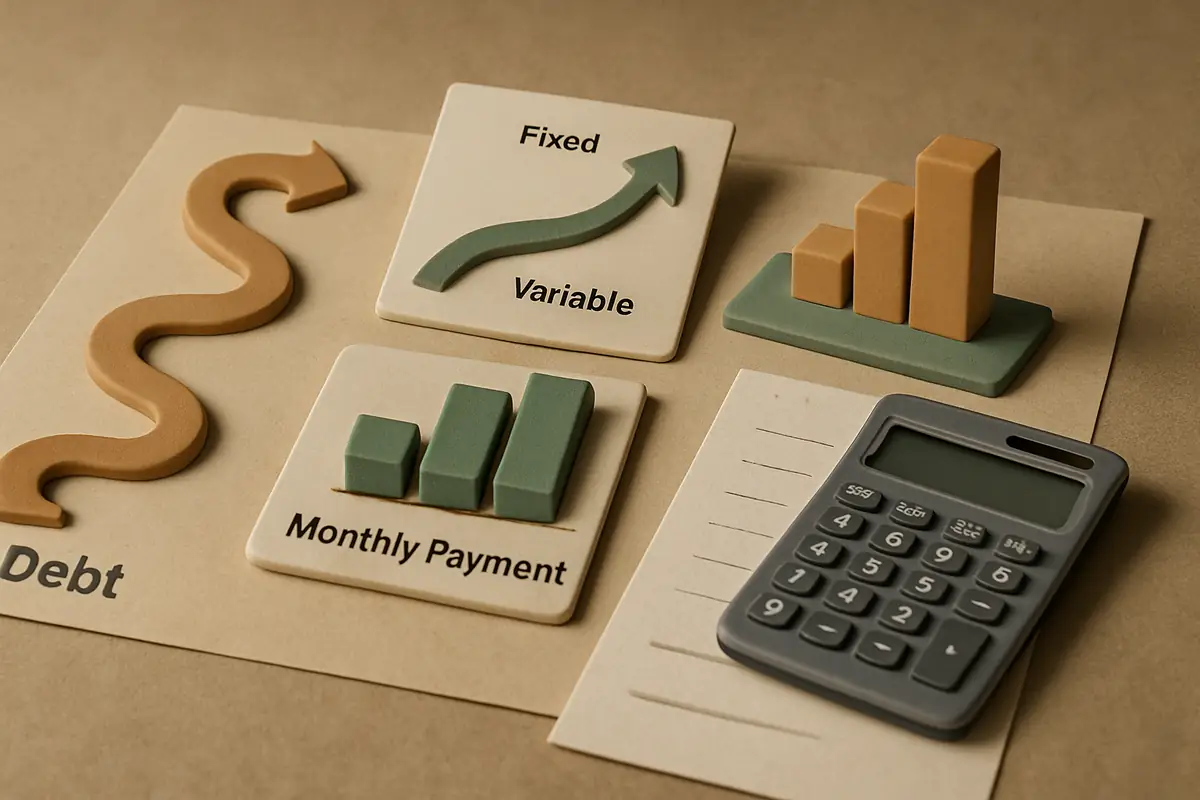
Fixed rates provide predictable payments for the entire term, while variable rates may start 0.5% to 1% lower but can rise, sometimes by several percentage points, depending on market conditions. The best choice depends on your risk tolerance and expectations for future rates.
Should I get legal advice before accepting a loan?
Legal counsel is recommended for complex or high-value loans, as experienced professionals can spot unfavorable clauses that may not be obvious to borrowers.
Scenario: How Overlooking Repayment Pressures Created Financial Strain
Early in their loan search, Jessica focused on the lowest monthly payment of $1,050 offered by one lender without considering Mark’s inconsistent freelance income. After two months of higher-than-expected living costs and a $500 dip in income, they missed a payment and incurred $50 in late fees plus a 1% penalty rate increase. This quickly turned an affordable loan into a source of stress, requiring them to renegotiate terms and adjust their budget to avoid further penalties.
Looking Beyond Interest Rates: The Importance of All Loan Terms
When comparing loan offers, focusing solely on the interest rate can be misleading. Fees such as origination (typically 1% to 2% of the loan amount), prepayment penalties (1% to 3%), and late payment charges ($25 to $75) can add thousands to the total cost. A loan with a 4% interest rate and $4,000 in fees may be more expensive than a 4.5% loan with minimal fees. The APR provides a single figure to compare total costs, but always request a breakdown of all charges for a clear comparison.
Review clauses that govern changes in loan terms. Adjustable-rate loans can increase after the initial period, sometimes by as much as 2% each year, subject to lifetime caps. Fixed-rate loans, while typically 0.25% to 0.75% higher initially, offer payment stability. The choice depends on your ability to handle potential payment increases and your expectations about future interest rates.
The amortization schedule—how payments are spread over the loan’s life—also matters. For a $200,000 mortgage, a 30-year term at 4% APR results in $143,739 in interest, while a 15-year term at 3.5% APR results in $57,357 in interest, a difference of over $86,000. Shorter terms accelerate equity buildup but require higher monthly payments. Borrowers should match loan terms to their cash flow and long-term financial goals.
Assessing Lender Reputation and Service Quality
Beyond numbers, the lender’s reputation and service quality can affect your borrowing experience. Lenders with strong customer service ratings are more likely to be responsive if you need payment assistance or face hardship. Researching online reviews and checking consumer protection agency ratings can help identify trustworthy lenders.
Ask about support channels—such as 24/7 phone lines, online chat, or mobile apps—and whether the lender services the loan or sells it to another company. Loans sold to third parties may result in different policies and service standards. Knowing who will manage your loan helps avoid confusion and ensures consistent communication.
Some lenders offer online dashboards for payment tracking, automatic payment options, and real-time balance updates, making it easier to stay on top of obligations and avoid missed payments.
How a New Loan Impacts Credit Score and Future Borrowing
Accepting a new loan affects your credit profile in several ways. Applying for a loan creates a hard inquiry, which can lower your credit score by 5 to 10 points temporarily. Multiple applications within a short period can have a cumulative effect. Once approved, the loan increases your total debt and, for revolving credit, raises your credit utilization ratio—the percentage of available credit used. High utilization (above 30%) can lower credit scores, while installment loans like mortgages can improve scores if paid on time.
Consistent on-time payments build positive credit history, while missed payments can stay on your credit report for up to seven years. Before accepting a new loan, consider how additional debt will affect your ability to qualify for future loans, such as mortgages or auto financing. Lenders typically look for a debt-to-income ratio below 43% for favorable terms.
Budgeting for Affordability and Financial Resilience
Before accepting any loan, conduct a realistic budget analysis to ensure you can meet monthly obligations without undue stress. Experts suggest total debt payments should not exceed 36% to 43% of gross monthly income. For a household earning $6,000 per month, this means all loan payments should stay below $2,580. Factor in variable income, seasonal expenses, and potential emergencies.
Maintaining emergency savings covering three to six months of expenses—typically $9,000 to $18,000 for many households—provides a safety net against job loss or unexpected costs. Using budgeting tools or consulting a financial counselor can help create a sustainable repayment plan that aligns with long-term goals such as retirement or education savings.
Building these buffers and understanding all loan terms reduces financial stress and helps borrowers avoid the cycle of late fees, penalties, and credit damage that can result from overextending on new debt.