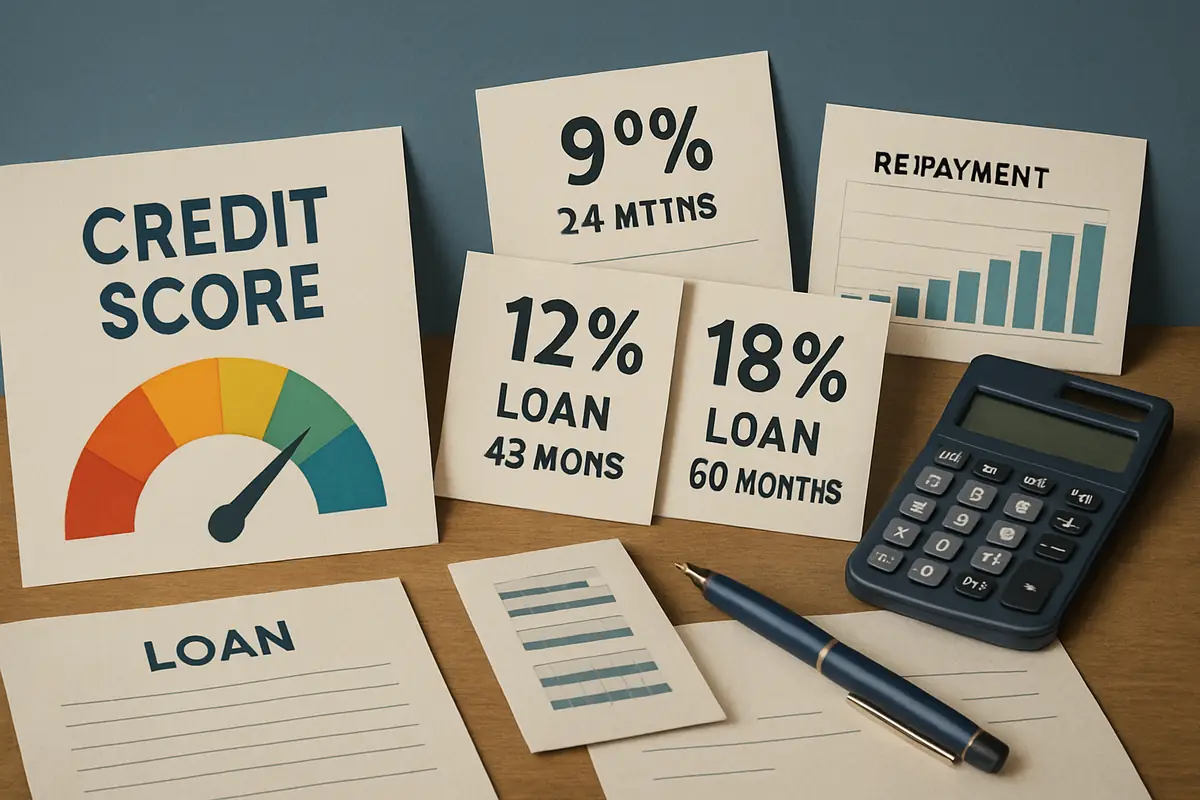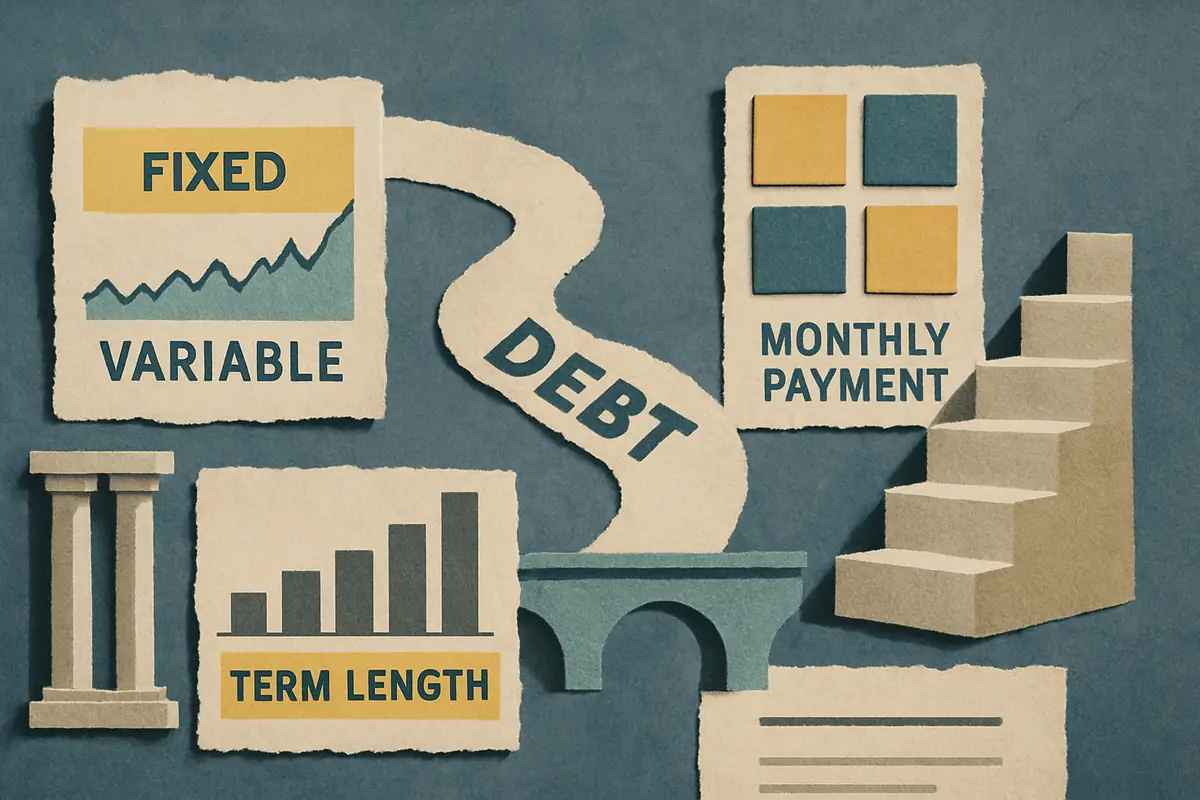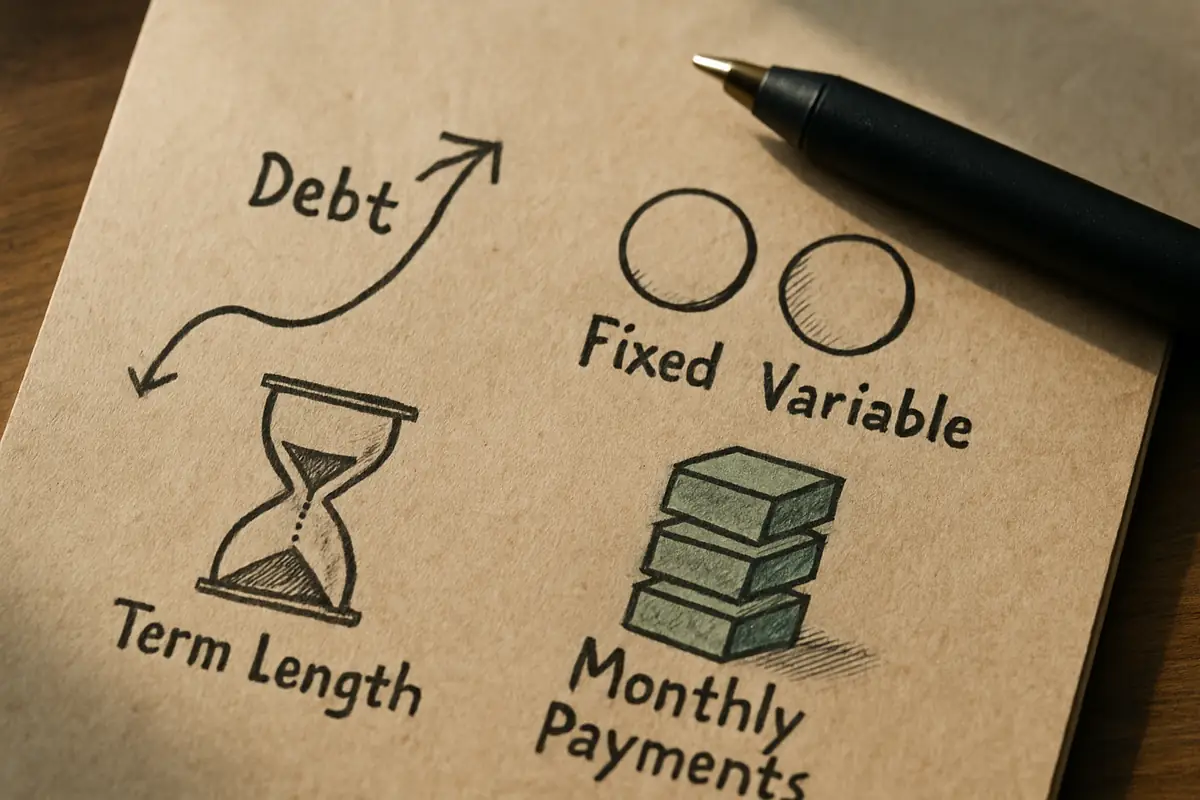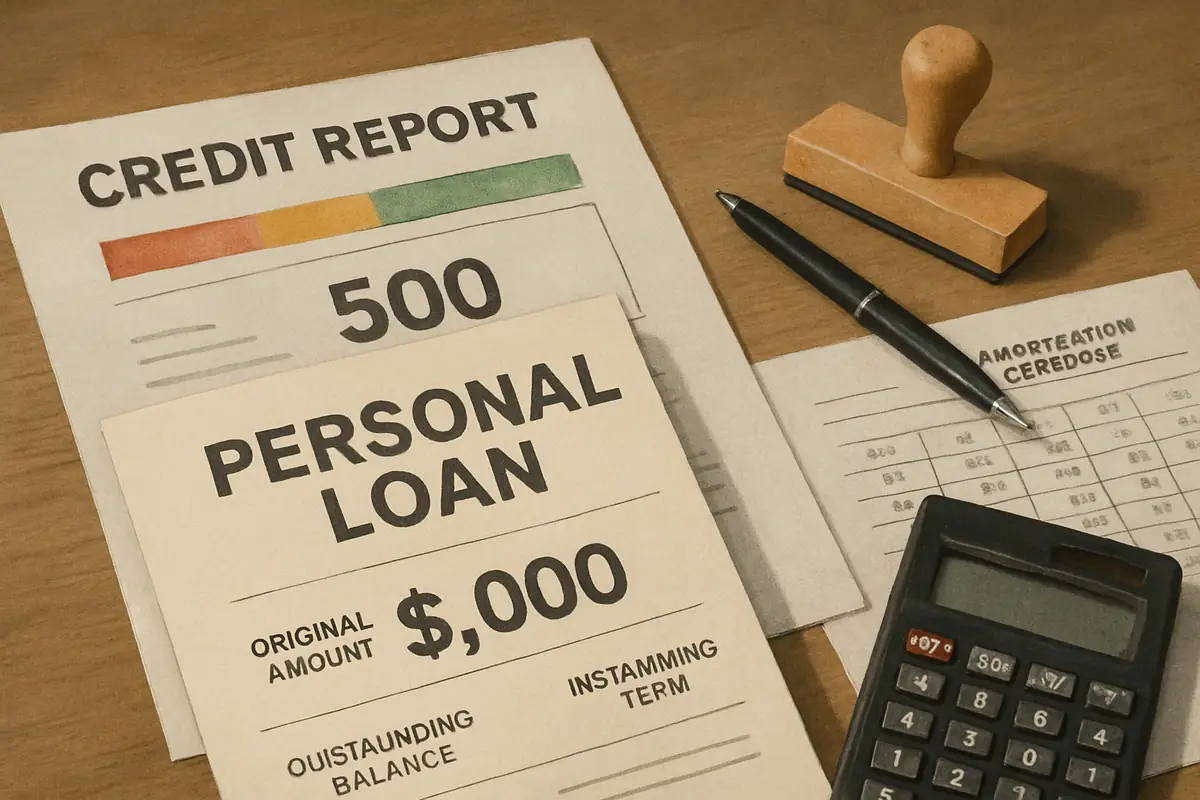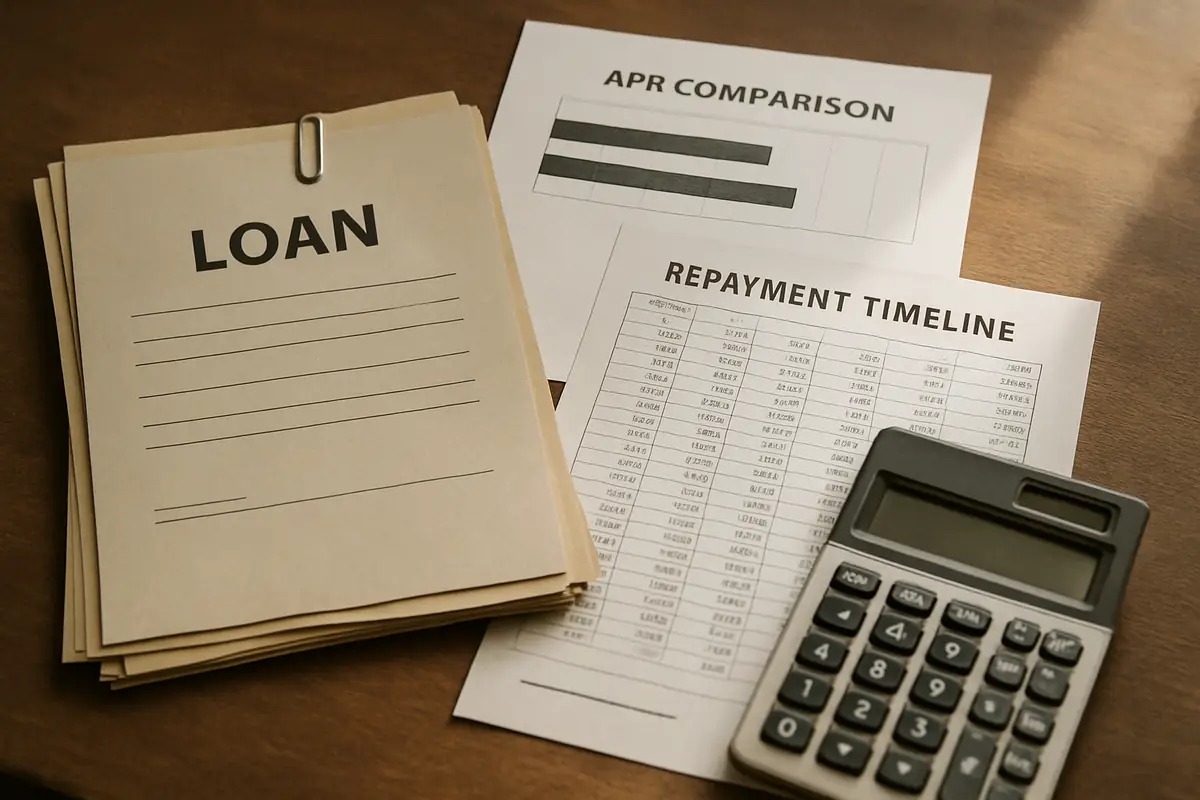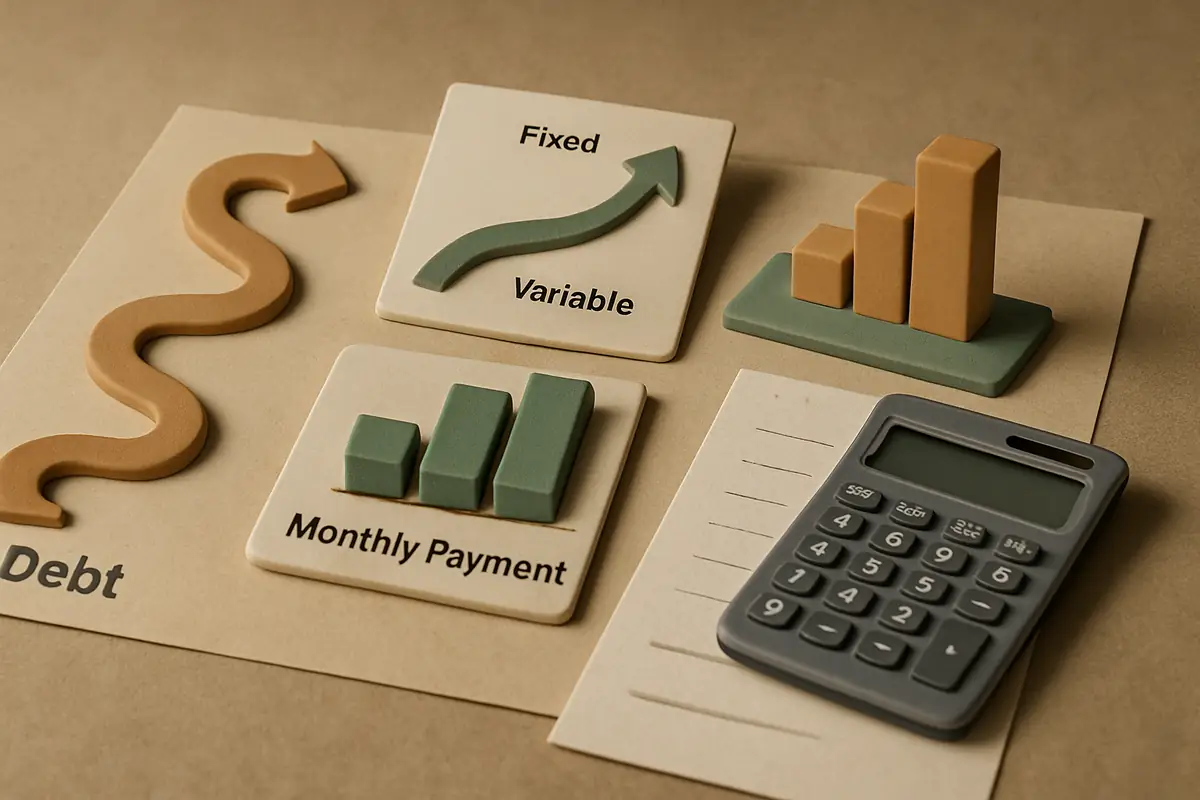
Paying off loans ahead of schedule can seem like an obvious financial win, often promising hundreds or even thousands of dollars in interest savings and a faster path to being debt-free. Yet, beneath these apparent benefits, early repayment introduces a range of risks and hidden costs that can catch borrowers off guard. From penalties that can total 1% to 5% of the outstanding balance, to cash flow strains that disrupt emergency savings, early payoff decisions can have lasting financial consequences. This article breaks down seven critical mistakes borrowers frequently make when repaying loans early, with practical details to help you recognize, evaluate, and avoid these pitfalls.
Mistake 1: Overlooking Prepayment Penalties and Fees
One of the most common misunderstandings is that early loan repayment always reduces the total cost. In reality, many loan contracts—especially for mortgages, auto loans, and personal loans—include prepayment penalties. These are fees lenders charge to offset lost interest income if a loan is paid off before the agreed term. Prepayment penalties can take several forms: a flat fee (such as $300 to $500), a percentage of the remaining principal (often 1% to 5%), or a set number of months’ interest (commonly three to six months).
For example, suppose you have a $20,000 auto loan with a 5% prepayment penalty. If you pay off the remaining balance early, the penalty would be $1,000—potentially wiping out much of the interest savings. These penalties are usually outlined in the fine print and can be easy to miss, especially if you are focused on the excitement of reducing your debt. Always review your loan agreement and ask your lender to clarify any prepayment clauses before proceeding with an early payoff.
Mistake 2: Misunderstanding How Early Repayment Affects APR
The Annual Percentage Rate (APR) is the true yearly cost of borrowing, including both interest and mandatory fees, averaged over the scheduled loan term. When you repay early, you shorten the loan term, which can distort how the APR reflects your actual costs. Some loans are front-loaded with fees or use amortization schedules—where more interest is paid in the early months—so paying off early can result in a higher effective borrowing cost per month than the original APR suggests.
For instance, if a $10,000 personal loan with a 10% APR and a $400 origination fee is paid off in one year instead of three, you still pay the full $400 fee, but spread over fewer months. This means your effective annual cost could rise above the stated 10% APR. Understanding how fees are structured and how amortization (the process of gradually paying off a debt over time through regular payments) works is essential to accurately forecast the savings—or lack thereof—from early repayment.
Mistake 3: Not Accounting for Loan Term Adjustments
Loan structures vary widely, and early payments can impact your repayment schedule in unexpected ways. Some lenders apply extra payments only to principal, which shortens the loan term but keeps monthly payments the same. Others recalculate and reduce your monthly payments while keeping the original end date. The difference can significantly affect your budgeting and cash flow planning.
Consider a scenario: You have a 60-month car loan with a $350 monthly payment. If you make a lump-sum payment of $2,000 in year two, your lender may apply this to the principal, reducing the number of payments left, but not your monthly payment amount. Alternatively, some lenders may lower your monthly payment to $300 but keep the loan term unchanged. Always clarify with your lender how extra payments will be applied to avoid unpleasant surprises in your monthly obligations.
Mistake 4: Underestimating Collateral Risks and Fees After Early Payoff
Secured loans, such as mortgages and auto loans, are backed by collateral (property or vehicles) to reduce lender risk, which can help borrowers access lower interest rates—often as low as 6% to 8% for home loans, compared to 10% to 25% for unsecured debt. When you pay off a secured loan early, the process to release the collateral can involve additional steps and fees not always disclosed upfront. These can range from $50 to $300 for lien release or administrative processing.
Additionally, some contracts specify that collateral remains encumbered until all administrative steps are completed, even after the balance is paid. This can delay your ability to sell or refinance the asset. If prepayment triggers a penalty, you may also be required to pay this before the collateral is released.
Scenario: Unexpected Collateral Hold-Up Due to Early Payoff
Jane paid off her $12,000 car loan six months early, expecting immediate removal of the lien from her vehicle. However, her contract required a $200 administration fee and a 10-business-day processing window before the lien was officially released. This delayed her ability to transfer the title and register the vehicle in her name, disrupting her plans to sell the car.
Mistake 5: Underestimating the Cash Flow Impact and Opportunity Cost
Committing large sums to pay off a loan early can strain your day-to-day liquidity, leaving you with less cash for emergencies or other needs. Financial planners often recommend maintaining an emergency fund equal to three to six months of living expenses—typically $6,000 to $30,000, depending on your household—before aggressively paying down debt. Diverting these funds to an early payoff can leave you exposed if unexpected expenses arise.
There's also an opportunity cost: If your loan interest rate is 6% but you could invest extra funds at an 8% average annual return, you might be better off investing rather than accelerating debt repayment. The assumption that "every extra dollar should go toward the loan" overlooks these potential gains and the importance of maintaining financial flexibility.
Mistake 6: Failing to Meet Contractual Notification Requirements
Many loan agreements specify that borrowers must notify the lender in advance—sometimes 10 to 30 days—before making an early payoff. They may require payment through designated channels, such as wire transfer or certified check, to process the settlement correctly. If you simply make a large payment without following these steps, the lender may continue to charge interest until the account is officially closed, costing you extra money.
For example, missing a required notification period could result in an additional month of interest on a $200,000 mortgage, potentially costing $800 to $1,200 depending on your rate. Always follow the exact procedures outlined in your contract to ensure your payoff is processed promptly and accurately.
Where readers should be careful
Always follow your loan agreement’s prescribed steps for notification and payment method when repaying early. Failure to do so risks added charges, delayed account closure, and unnecessary disputes.
Mistake 7: Skipping Comparison of Alternatives to Early Repayment
Borrowers sometimes rush to repay loans without weighing alternatives such as refinancing, restructuring, or consolidating debt. For example, refinancing a mortgage from a 6.5% rate to a 5% rate could save more over the life of the loan than paying off a small portion of principal early—especially if refinancing fees are under 2% of the loan amount and prepayment penalties exceed this figure.
Debt consolidation can also simplify payments and potentially lower your total interest expense if you qualify for a lower rate. Reviewing current market rates, comparing penalty amounts, and calculating the break-even point for refinancing versus early payoff can reveal which option offers the best long-term savings.
Where Early Repayment Can Help
- Reduces total interest paid if penalties are minimal or absent.
- Shortens the debt period, often by months or years, providing psychological relief.
- Improves your credit utilization ratio (the percentage of available credit you are using), which can positively impact your credit score.
Where Caution Is Needed
- Prepayment penalties can eliminate expected savings.
- May disrupt cash flow or drain emergency funds.
- Collateral release delays or fees can occur.
- Failure to follow notification protocols can increase costs.
- Overlooking refinancing or consolidation may limit your options.
| Factor | What It Means | Risk |
|---|---|---|
| Prepayment Penalty | Fee for paying off a loan before the end of the term, often 1%–5% of balance. | Can outweigh interest savings. |
| APR Effect | Annual Percentage Rate: total yearly borrowing cost including fees. | Early payoff can increase effective cost per month. |
| Loan Term Structure | How payments and loan duration interact. | May cause budgeting errors if misunderstood. |
| Collateral Conditions | Rules for releasing secured assets after payoff. | Possible delays or extra fees. |
| Cash Flow Impact | How early payoff affects available cash. | Potential strain or missed investment opportunities. |
Worked Example: Calculating Early Repayment Costs
Suppose you have a $15,000 personal loan at 8% interest with 36 months remaining. Your monthly payment is approximately $470. If you pay off the remaining balance in month 24 (a year early), you would save about $640 in future interest. However, if your loan has a 3% prepayment penalty on the outstanding balance (let’s say $5,000 at payoff), the penalty would be $150. After subtracting the penalty, your net interest savings would be $490. If you also incur a $100 administrative fee, your total savings drop to $390. This example shows how penalties and fees can significantly reduce the benefit of early repayment.
Not Reallocating Freed-Up Funds Effectively After Payoff
After paying off a loan, you may free up $200 to $1,000 per month in cash flow. Without a plan, it’s easy to let this money slip into everyday spending or low-yield savings accounts, missing opportunities for financial growth. Instead, consider redirecting these funds toward investments that historically earn 5% to 10% annually, increasing retirement contributions, or building an emergency fund to meet the recommended three to six months of expenses.
For example, if you redirect a $300 monthly payment into a retirement account earning 7% per year, you could accumulate over $12,000 in five years—far more than if the money simply sits in a checking account. Strategic use of freed-up funds is essential for maximizing the long-term benefits of early loan repayment.
Missing the Potential Advantages of Refinancing
Instead of paying off a loan early, refinancing can sometimes offer greater savings. Refinancing means replacing your current loan with a new one that has better terms, such as a lower interest rate or longer repayment period. For example, refinancing a $200,000 mortgage from 6% to 4.5% could reduce your monthly payment by more than $150 and save you over $15,000 in interest over 10 years, even after accounting for typical closing costs of $2,000 to $4,000.
Refinancing can also improve your debt-to-income ratio (the percentage of your gross monthly income that goes toward debt payments), which lenders use to evaluate your creditworthiness. Carefully compare the costs and benefits of refinancing versus early repayment to determine which strategy aligns best with your financial goals.
Overlooking Tax Implications of Early Loan Repayment
Some loans, like mortgages and student loans, allow you to deduct interest paid from your taxable income—potentially lowering your annual tax bill by hundreds or even thousands of dollars. If you pay off these loans early, you forfeit future interest deductions, which could increase your taxable income and total tax owed.
For instance, a homeowner who itemizes deductions and pays $5,000 in mortgage interest annually could lose this deduction after early repayment, resulting in a higher tax bill unless other deductions or credits offset the change. Always consider the tax consequences before accelerating payments on loans with deductible interest.
Neglecting to Update Your Financial Plan After Early Payoff
Becoming debt-free ahead of schedule provides new flexibility, but failing to adjust your financial plan can undermine your progress. Without revising your budget, savings targets, or investment strategy, you might not capitalize on the momentum gained from early repayment.
For example, if you pay off a $25,000 loan two years early, you could redirect the $400 monthly payment toward retirement or college savings, potentially accumulating an additional $10,000 or more over the next five years. Reviewing and updating your financial plan ensures that the benefits of early repayment translate into long-term financial security.
Psychological Pitfalls: Overconfidence and Complacency
Paying off loans early often brings a sense of achievement, but it can also lead to overconfidence. Some borrowers mistakenly believe that being debt-free means all financial risks are eliminated, leading to increased discretionary spending or neglect of other important financial habits like regular saving and investing.
The psychological boost from early repayment is real, but it’s important to stay vigilant. Maintaining disciplined budgeting and continuing to build assets is essential to avoid falling back into debt or missing out on wealth-building opportunities. Treat early loan repayment as one milestone in your broader financial journey, not the finish line.
Neglecting Emergency Funds in the Rush to Pay Off Debt
Focusing all available resources on debt repayment, while neglecting to maintain an emergency fund, is a risky strategy. Financial experts generally recommend keeping three to six months of essential expenses—often $6,000 to $30,000—in liquid accounts for unforeseen events like medical bills, job loss, or urgent repairs.
Without this safety net, you may be forced to take on new high-interest debt—such as credit card balances with APRs commonly between 18% and 30%—if an emergency arises. Prioritize building adequate reserves before committing large sums to early loan repayment to safeguard your financial stability.