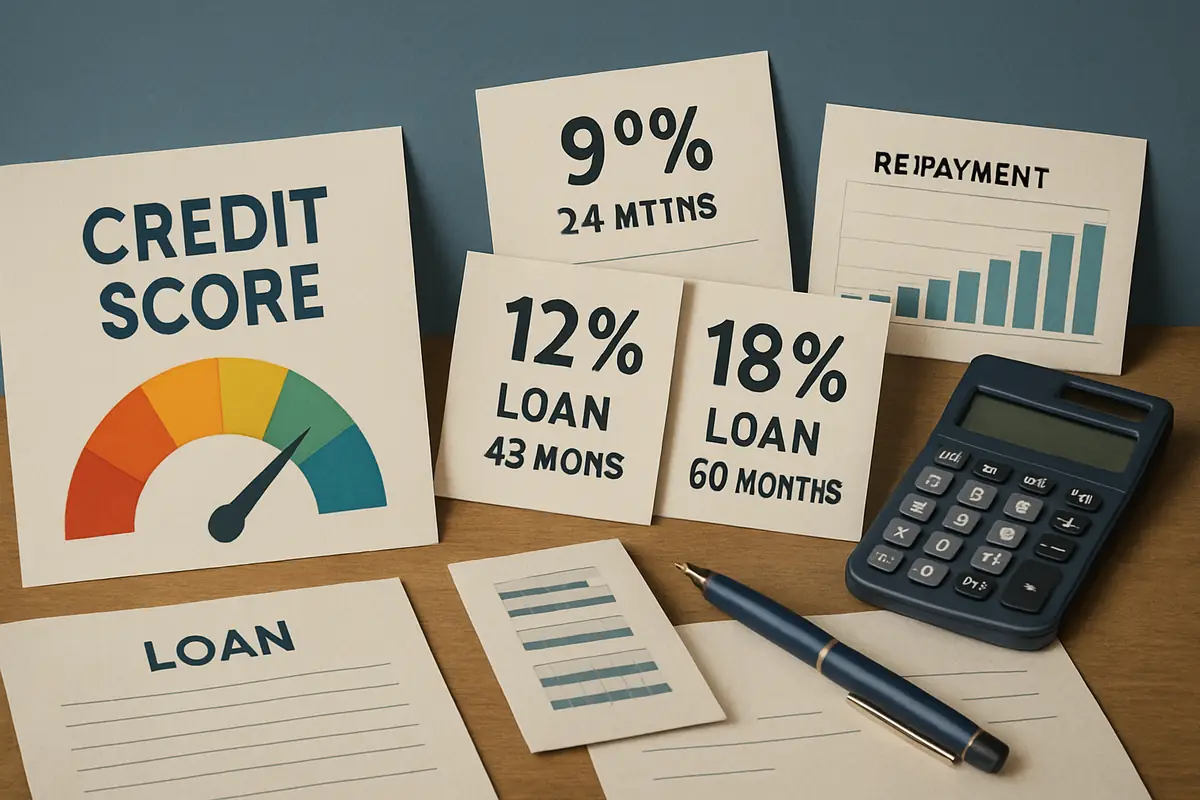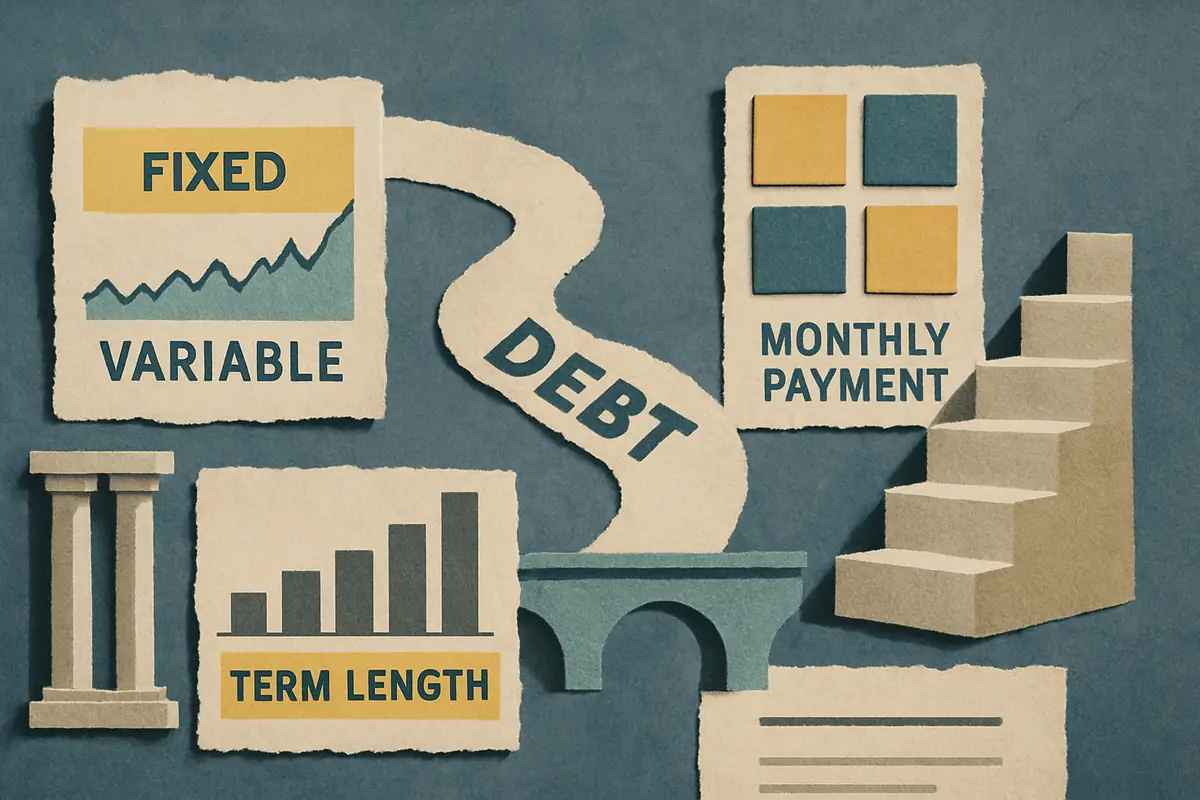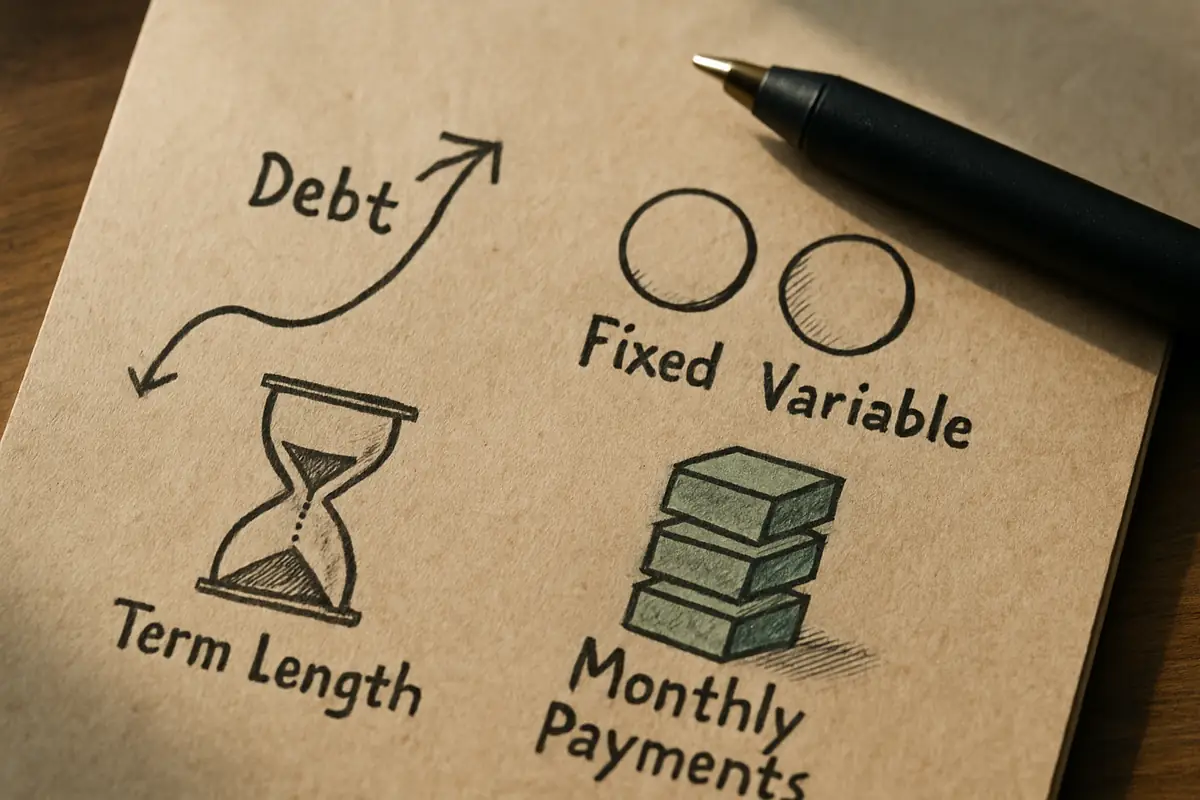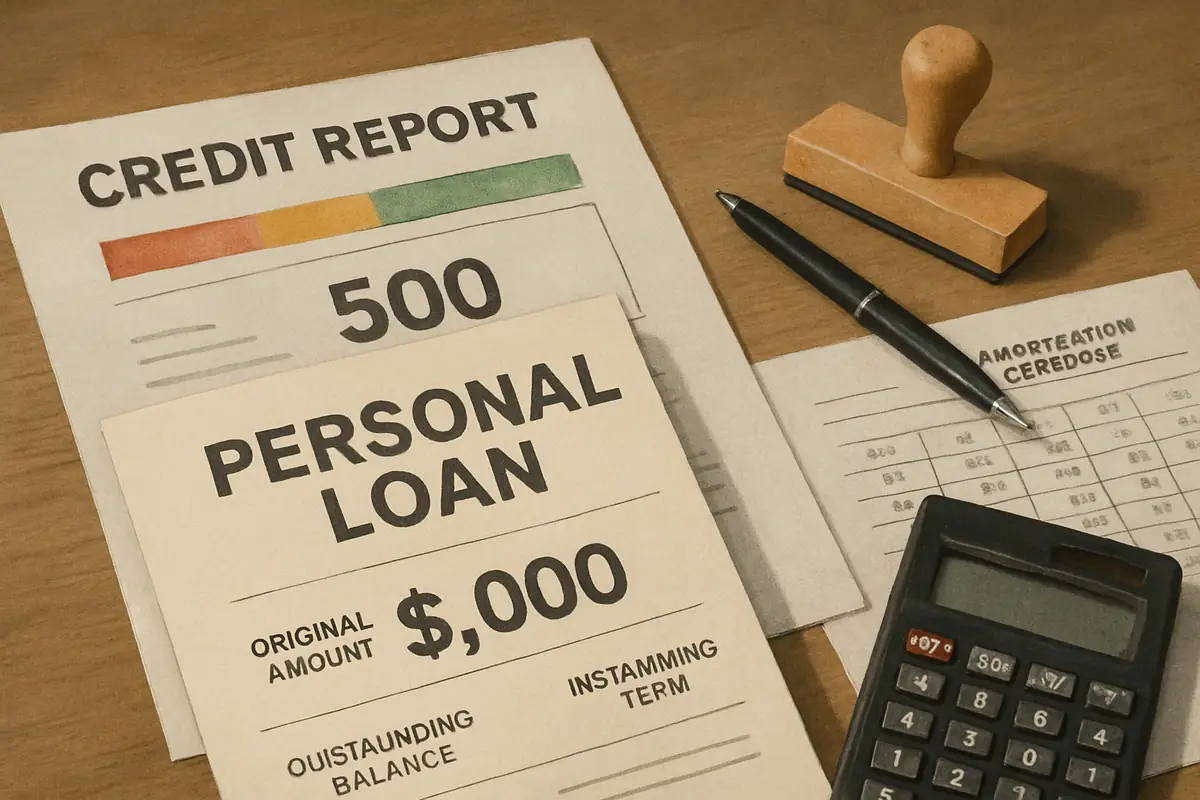
A $20,000 auto loan with a 72-month term and a low monthly payment can seem appealing, but the actual financial burden may be far greater than it appears. Borrowers who focus only on the monthly payment often miss crucial factors like upfront fees, loan term length, penalties, and collateral requirements. These hidden elements can add thousands of dollars to the total repayment amount and increase financial risk over time.
Why Relying on Monthly Payment Alone Can Lead to Higher Overall Costs
Monthly payment amounts are the most visible part of any loan offer, often ranging from $200 to $500 for typical personal loans, making them easy to compare at first glance. However, focusing solely on this figure can conceal significant costs built into the loan structure. For example, a low monthly payment may be the result of an extended term—such as 84 months for a car loan—rather than a lower interest rate. This can result in paying $3,000 to $7,000 more in total interest compared to a 36-month loan with a slightly higher monthly payment.
Additionally, fees like origination charges (commonly 1% to 8% of the loan amount) or closing costs (which can reach $2,000 to $10,000 on mortgages) are not included in the monthly payment. These fees increase the total amount owed and can strain your budget if not anticipated. Borrowers who ignore these extra costs may underestimate their true financial commitment and risk taking on more debt than they can afford. In short, the monthly payment alone does not reflect the full cost or risk profile of a loan.
APR as a Comprehensive Measure of Loan Cost
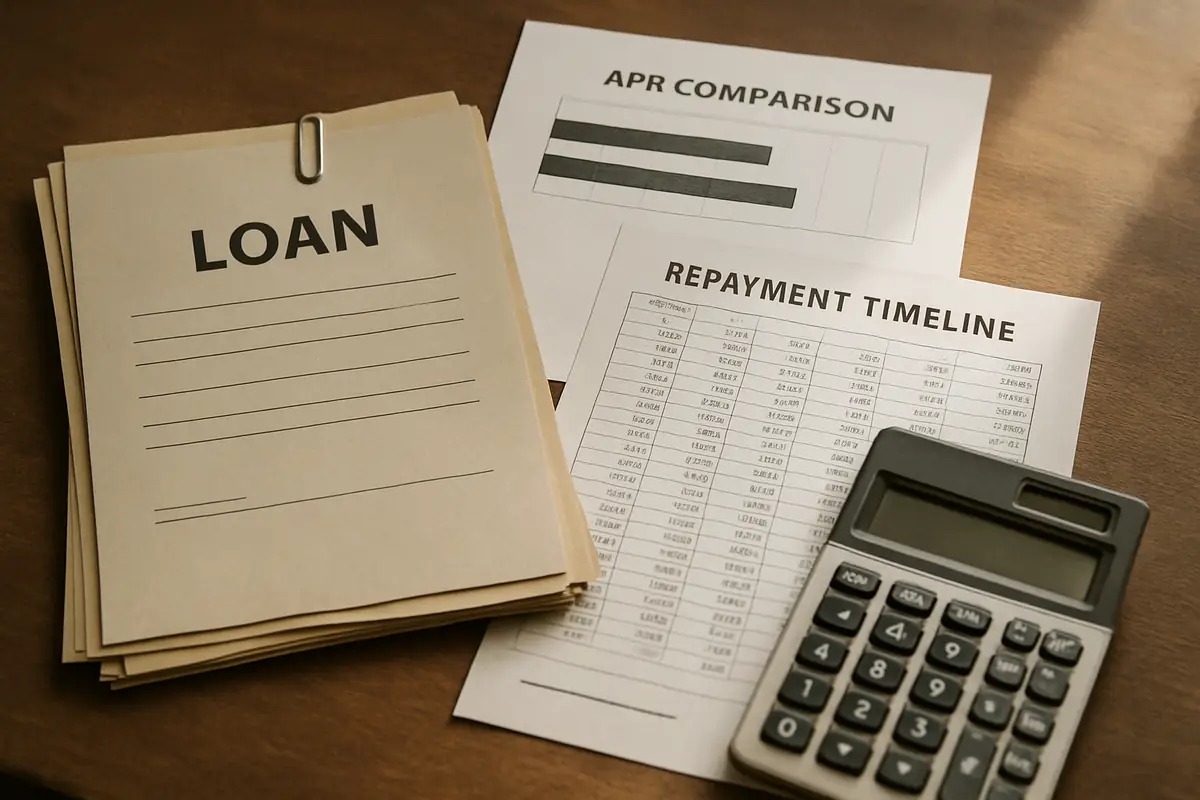
The Annual Percentage Rate (APR) is a standardized way to express the yearly cost of borrowing, including both the interest rate and most mandatory fees, as a single percentage. For example, personal loan APRs commonly range from 7% to 36%, while credit card APRs often fall between 18% and 30%. Comparing APRs helps borrowers see which loan is actually less expensive over time, even if the monthly payments look similar.
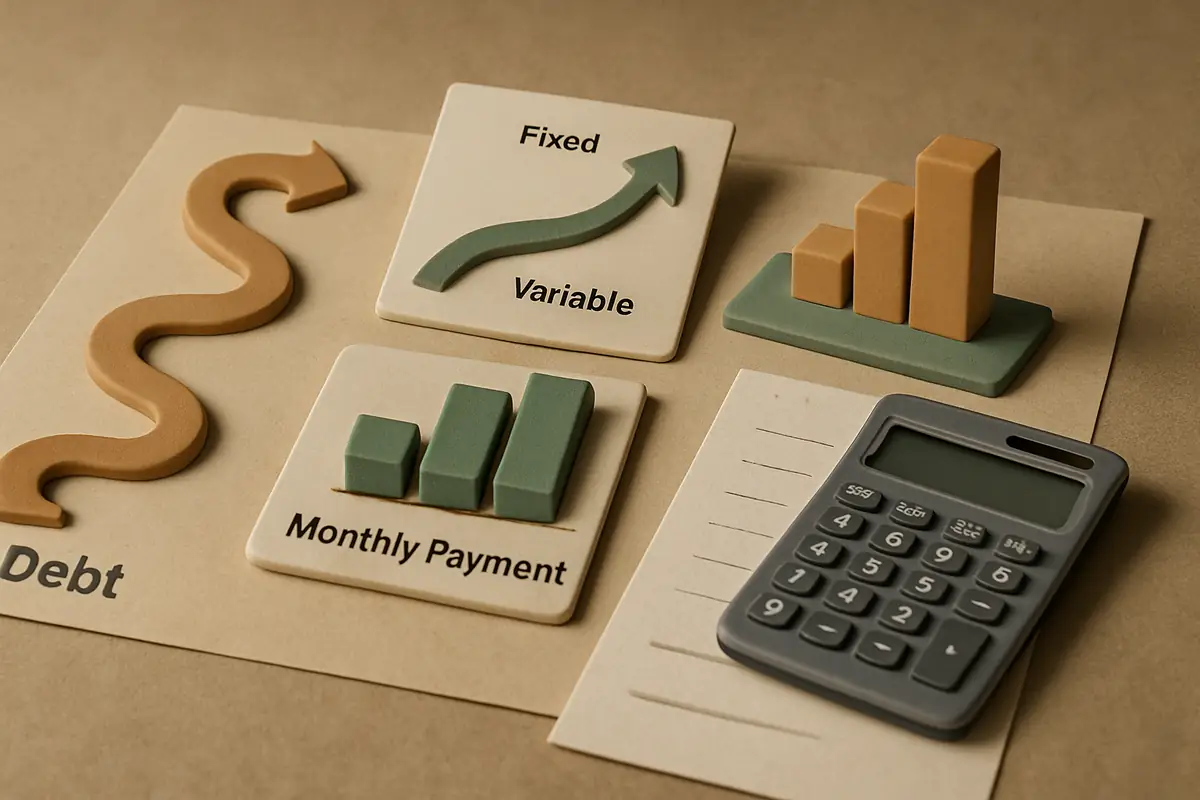
However, not all fees are always included in the APR. Some lenders exclude optional insurance or late payment charges, and variable-rate loans show only the starting rate, not potential future increases. For example, a variable-rate mortgage starting at 5% APR could rise to 8% or more if market rates climb, increasing monthly payments and total interest paid. Always check how the lender calculates APR and which costs it includes to avoid surprises.
How Loan Term Length Affects Total Cost and Repayment Pressure
Loan term length—the period over which you repay the loan—directly impacts both the size of your monthly payment and the total interest you’ll pay. Longer terms, such as 60 to 84 months for auto loans or 30 years for mortgages, reduce monthly payments but significantly increase the total interest paid. For example, a $10,000 loan at 8% APR over 3 years results in a monthly payment of about $313 and total interest of roughly $1,270. The same loan over 6 years lowers the payment to about $175 but raises total interest to nearly $2,600—more than double.
Choosing a longer term can make monthly payments more manageable, but it extends your financial obligation and exposes you to greater risk if your income drops or expenses rise. Many borrowers opt for the lowest monthly payment without realizing this choice can inflate their overall debt burden by thousands of dollars.
Fees Beyond Interest: Understanding Origination, Prepayment, and Late Charges
Loans often come with additional fees that are not immediately obvious. Origination fees, which range from 1% to 6% for personal loans and up to 5% for mortgages, reduce the amount you actually receive compared to what you owe. For instance, on a $15,000 loan with a 4% origination fee, you’d pay $600 upfront—effectively increasing your borrowing cost.
Prepayment penalties, which can be 2% to 5% of the remaining balance, discourage early repayment and limit your financial flexibility. Late payment penalties can be flat fees ($25 to $50) or a percentage of the missed payment, and repeated late payments can quickly escalate your debt. For example, missing three payments on a $400/month loan with a $35 late fee each time adds $105 in penalties, not counting extra interest. Identifying all potential fees before signing helps you avoid unexpected charges that can dramatically increase your repayment burden.
Where readers should be careful
Many loan offers highlight low monthly payments but do not clearly disclose associated fees and penalties. Accepting an offer based solely on advertised payments risks costly surprises from hidden charges and restrictive conditions.
Collateral Requirements: Risks and Considerations
Secured loans require you to pledge an asset—such as a car or home—as collateral. This can lower your interest rate by 1% to 3% compared to unsecured loans, but it introduces the risk of losing your asset if you default. For example, a $25,000 auto loan secured by your vehicle might offer a 6% APR instead of 9%, but missing payments could result in repossession.
Some lenders require collateral worth more than the loan itself or impose strict maintenance requirements. For instance, a home equity loan may require you to keep up with insurance and property taxes, and failure to do so could trigger foreclosure. These hidden risks can worsen financial distress if circumstances change and you struggle to meet obligations tied to valuable assets.
Contractual Penalties That Increase Repayment Pressure
Loan contracts often contain provisions that increase risk beyond the basic terms. Balloon payments, which require a large lump sum (sometimes $10,000 or more) at the end of the loan, can catch borrowers off guard. Acceleration clauses allow lenders to demand full repayment if you miss payments or violate terms, while variable interest rates can rise after introductory periods, increasing monthly payments by $100 or more. Call provisions let lenders demand the entire balance early under certain conditions, adding unpredictability to your repayment schedule.
Carefully reviewing these contractual details is essential to avoid scenarios where your payments suddenly spike or your debt becomes due sooner than expected. Overlooking these risks can lead to financial strain even if the initial monthly payment seems manageable.
Scenario: Comparing Two Loan Offers With Identical Payments
How this can look in practice
Imagine two loan offers each show $350 monthly payments for a $15,000 personal loan. Offer A features a five-year term with a 10% fixed APR including all fees upfront; no prepayment penalty; unsecured loan; moderate origination fee included in APR calculation. Offer B has a three-year term but a lower base interest rate; however, it adds substantial origination fees outside APR; prepayment penalty applies; requires vehicle as collateral; variable rate after year one.
At first glance, the same monthly payment suggests interchangeability between these offers. However, digging deeper reveals distinct risk profiles: Offer A’s longer term spreads out cost but locks in fixed predictable payments including all fees—offering transparency and flexibility to repay early without penalty. Offer B’s shorter term means higher total outlay despite base rate advantage due to additional undisclosed fees; variable rates create uncertainty about rising future payments; collateral requirement adds loss risk upon default.
Worked Calculation Example: Suppose Offer A has a $350 monthly payment for 60 months at a 10% APR (including a $500 origination fee). Total repayment is $350 × 60 = $21,000. Subtracting the $15,000 principal and $500 fee, you pay $5,500 in interest. Offer B, with a three-year term and a $350 payment, totals $350 × 36 = $12,600. However, if Offer B charges a $1,500 origination fee not included in APR and a 3% prepayment penalty (if you pay off early), your actual cost rises. If you repay early after two years, you’d owe 3% of the remaining $5,400 balance ($162) plus the $1,500 fee, totaling $1,662 in extra costs. This example shows how identical payments can hide major cost differences.
Check APR carefully
Verify whether all fees are included in APR calculations to compare true borrowing costs across offers.
Understand term length implications
Longer terms lower monthly payments but increase total interest paid over time.
Identify all fees
Origination, prepayment penalties, late fees, and other charges affect overall cost beyond advertised installments.
Timeline: When Loan Costs Can Spike and Why
Advantages of Deep Loan Comparison Beyond Monthly Payment
- Reveals full borrowing cost including hidden fees.
- Exposes repayment risks from collateral and contract clauses.
- Helps select loans matching long-term financial capacity.
- Promotes better budgeting by anticipating payment fluctuations.
Challenges When Evaluating Loans Beyond Monthly Payment
- Requires careful contract reading which can be complex.
- APR figures may vary depending on lender disclosures.
- Variable rates complicate forecasting future cost accurately.
- Collateral evaluation needs awareness of asset valuation risks.
How Loan Term Length Shapes Total Borrowing Cost
While monthly payment amounts often dominate borrowers’ decision-making, the length of a loan term can significantly influence the total cost of borrowing. Longer loan terms—such as 60 or 72 months for auto loans, or 30 years for mortgages—typically reduce monthly payments by spreading out repayments over an extended period. However, this convenience comes at a cost: more interest accrues over time, potentially making the loan much more expensive in the long run. Conversely, shorter-term loans usually have higher monthly payments but less total interest paid. For example, a 15-year mortgage with a 5% interest rate can save tens of thousands of dollars in interest compared to a 30-year mortgage at the same rate, even though the monthly payment may be $500 to $700 higher.
Another key factor is the amortization schedule—how each payment is divided between interest and principal. Amortization refers to the process of reducing debt through regular payments over time. Early payments on a standard amortizing loan often go primarily toward interest, with principal reduction accelerating in later years. For borrowers planning to sell or refinance within five years, limited principal reduction may mean less equity built up or less favorable payoff terms. Understanding amortization helps borrowers anticipate long-term cash flow and make informed decisions about loan offers.
How Fees and Additional Costs Shape the True Cost of a Loan
Beyond the headline interest rate and monthly payment figures, fees associated with loans can dramatically alter their true cost. Origination fees, application fees (typically $25 to $100), appraisal fees (often $300 to $700), closing costs (ranging from 2% to 5% of the loan amount), and prepayment penalties are common charges that may not be immediately apparent. Some lenders might offer lower interest rates but impose higher upfront fees, while others might have minimal fees paired with slightly higher rates. Borrowers who focus solely on monthly payment amounts risk overlooking these hidden costs that add up quickly and affect overall affordability.
For example, closing costs on a $300,000 mortgage can range from $6,000 to $15,000 depending on lender and location. In auto loans, processing fees of $100 to $500 are common. Comparing these one-time expenses across multiple offers allows borrowers to estimate the actual funds needed at the start of a loan transaction. Understanding prepayment penalties is also critical: a 2% penalty on a $10,000 balance equals $200 lost if you pay off early. Comprehensive cost comparison should include both recurring payments and all associated fees for a realistic view of affordability.
Flexibility Features That Affect Borrower Experience
Flexibility in repayment options is another dimension where borrowers should scrutinize loan offers beyond monthly payments. Many loans allow extra principal payments without penalty, payment deferrals during hardship, or temporary payment reductions. For example, federal student loans often offer deferment or forbearance for up to 36 months during unemployment, while some auto lenders allow one skipped payment per year without penalty. These features can provide valuable breathing room if your income drops or unexpected expenses arise.
Some mortgages have adjustable-rate features with payment caps—limiting annual increases to, say, 2%—or rate freezes during certain periods. However, not all loans offer such flexibility, and the terms can vary widely. A loan with slightly higher monthly payments but more generous hardship options may be preferable for borrowers seeking stability. Always read the fine print to understand what flexibility provisions are included and how they might apply in real-life scenarios.
Assessing Lender Reputation and Service Quality
Comparing loan offers isn’t just about numbers; lender reputation and service quality play a significant role in borrower satisfaction. Lenders with strong customer service records often provide faster application processing, clearer communication, and better support if issues arise. For example, some lenders offer 24/7 online account management and proactive alerts about payment due dates or interest rate changes, helping borrowers avoid missed payments and potential credit score damage.
Researching lender reviews and seeking recommendations can help you identify institutions known for transparency and flexibility. Lenders with a reputation for working with borrowers during financial hardship may be more willing to restructure terms or provide payment relief, reducing the risk of default. Prioritizing service quality alongside cost can lead to a better overall borrowing experience.
How Different Loan Types Align With Borrower Needs
Different types of loans come with distinct features that may better suit certain borrowers. Secured loans, which require collateral, generally offer lower interest rates—sometimes 2% to 5% less than unsecured loans—but expose you to asset loss if you default. Unsecured loans, such as most personal loans and credit cards, do not require collateral but often carry higher rates to compensate for lender risk.
Government-backed loans, like FHA or VA mortgages, may allow down payments as low as 3.5% or even 0%, and sometimes waive private mortgage insurance requirements. However, these loans may involve additional paperwork, property requirements, or eligibility restrictions. Understanding the specific benefits and risks of each loan type can help you choose an option that aligns with your financial goals and risk tolerance—sometimes the best choice isn’t the one with the lowest monthly payment, but the one that offers the right combination of cost, flexibility, and security.