The Impact of Credit Bureau Checks in Lending
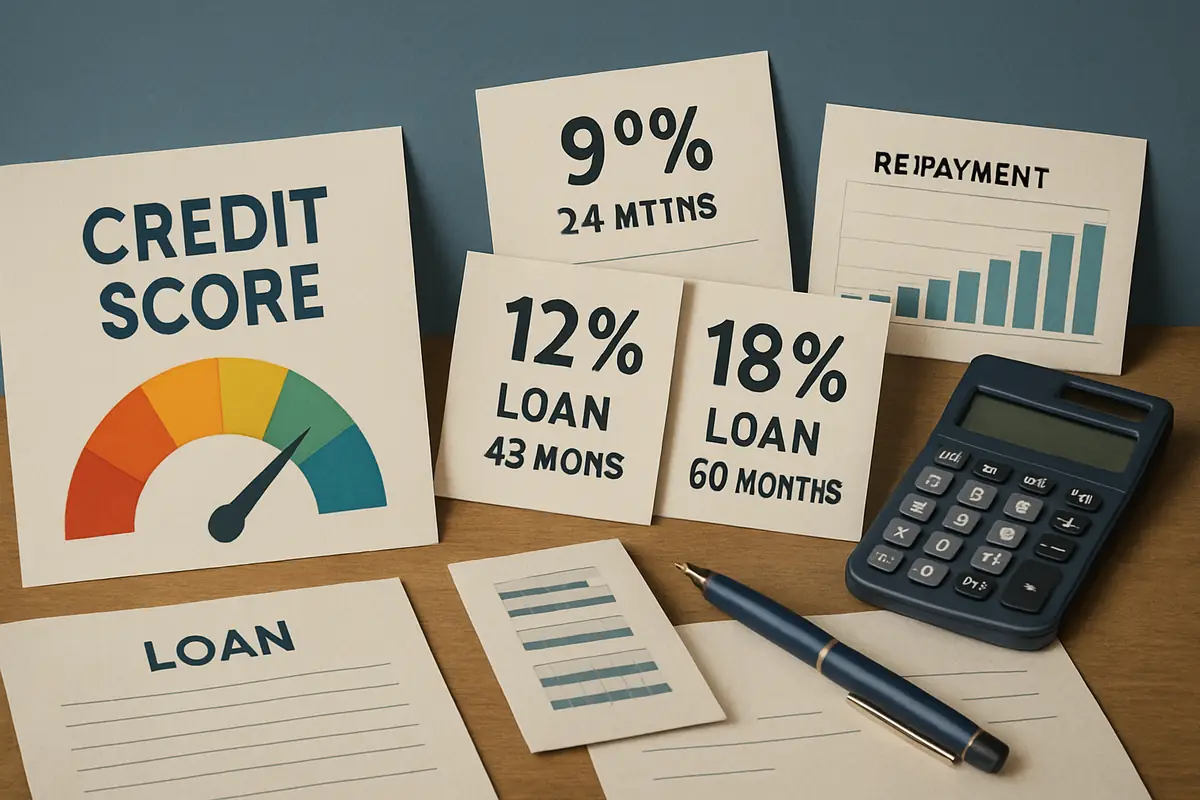
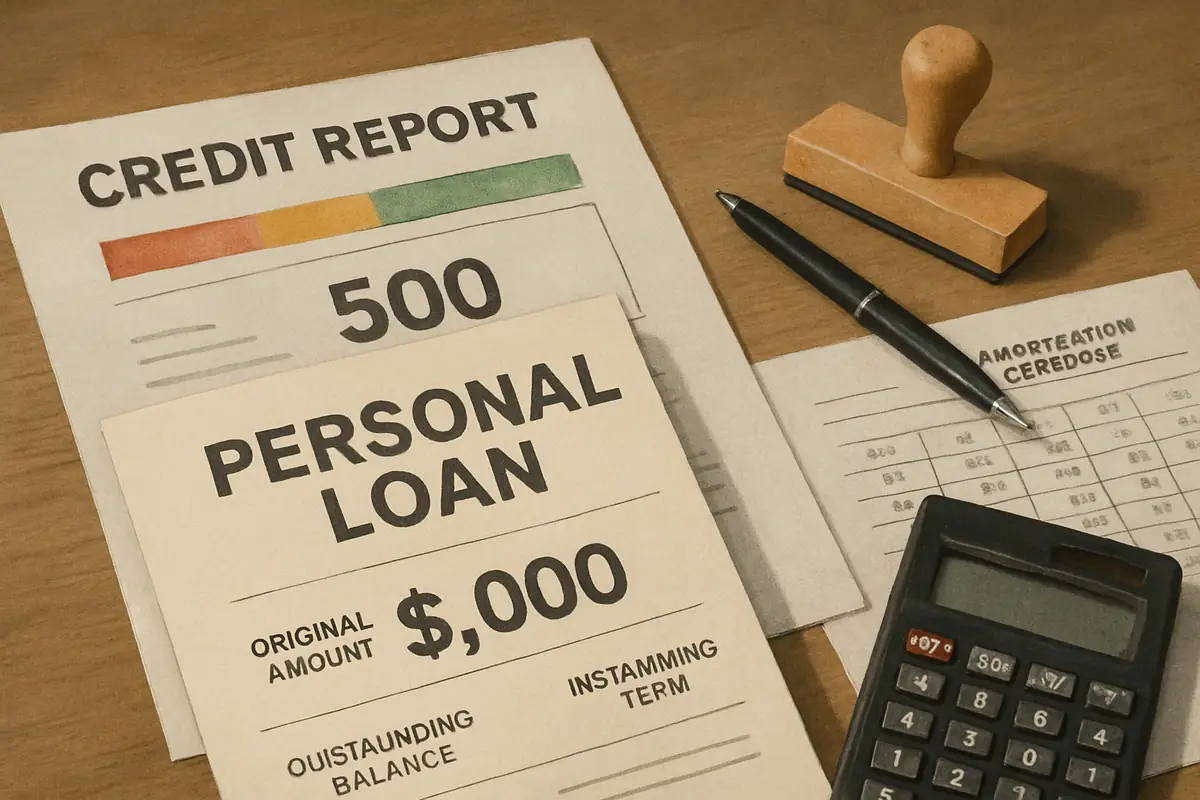
When a lender performs a credit bureau check, they review your past repayment history, current outstanding debts, payment reliability, and overall financial stability. This information is summarized in your credit report and reflected in your credit score, which typically ranges from 300 to 850. A higher credit score signals lower risk, often resulting in lower annual percentage rates (APRs)—the total yearly cost of borrowing, including interest and fees—ranging from 6% to 24% for prime borrowers. Access to this data allows lenders to offer longer repayment periods, sometimes up to 84 months, and larger loan amounts.
More reliable borrower profiling
Credit history enables lenders to estimate the likelihood of default, which for prime borrowers is often below 5%, with greater accuracy.
Better financing conditions
Applicants with strong credit records can often secure lower interest rates—sometimes under 10% APR—and flexible repayment plans.
How Loans Without Bureau Verification Work
Loans that skip credit bureau checks are designed for people with limited or poor credit history, or those who need funds urgently. These products prioritize fast approval, sometimes within 24 hours, over detailed risk assessment. Typical no-bureau loans include payday loans, installment loans, and some cash advances.
Because the lender cannot assess your full credit profile, they offset this risk by charging higher APRs, often between 30% and 400%. Repayment terms are usually short, from 2 weeks to 12 months, and loan amounts are smaller, typically $100 to $5,000. Some lenders may require repayment in a single lump sum.
Traditional Bureau Loan
- Repayment periods from 12 to 84 months
- APRs usually between 6% and 24%
- Reported to credit bureaus, affecting your credit score
- Loan amounts up to $50,000 or more
No-Bureau Loan
- Approval often within 1 day
- APRs from 30% to 400% or higher
- Loan amounts typically $100–$5,000
- Repayment periods from 2 weeks to 12 months
Common Requirements for Loan Approval
Even for loans without a credit bureau check, lenders typically require some basic documentation to verify identity and ability to pay:
Valid identification
Government-issued ID such as a passport, driver’s license, or national ID card.
Proof of income
Recent pay stubs, bank statements showing regular deposits, or an employment letter. Lenders may require a minimum monthly income, often between $1,000 and $2,500.
Active bank account
Needed for both disbursing loan funds and collecting repayments. Some lenders may require the account to be open for at least 90 days.
Evaluating the True Cost of a Loan
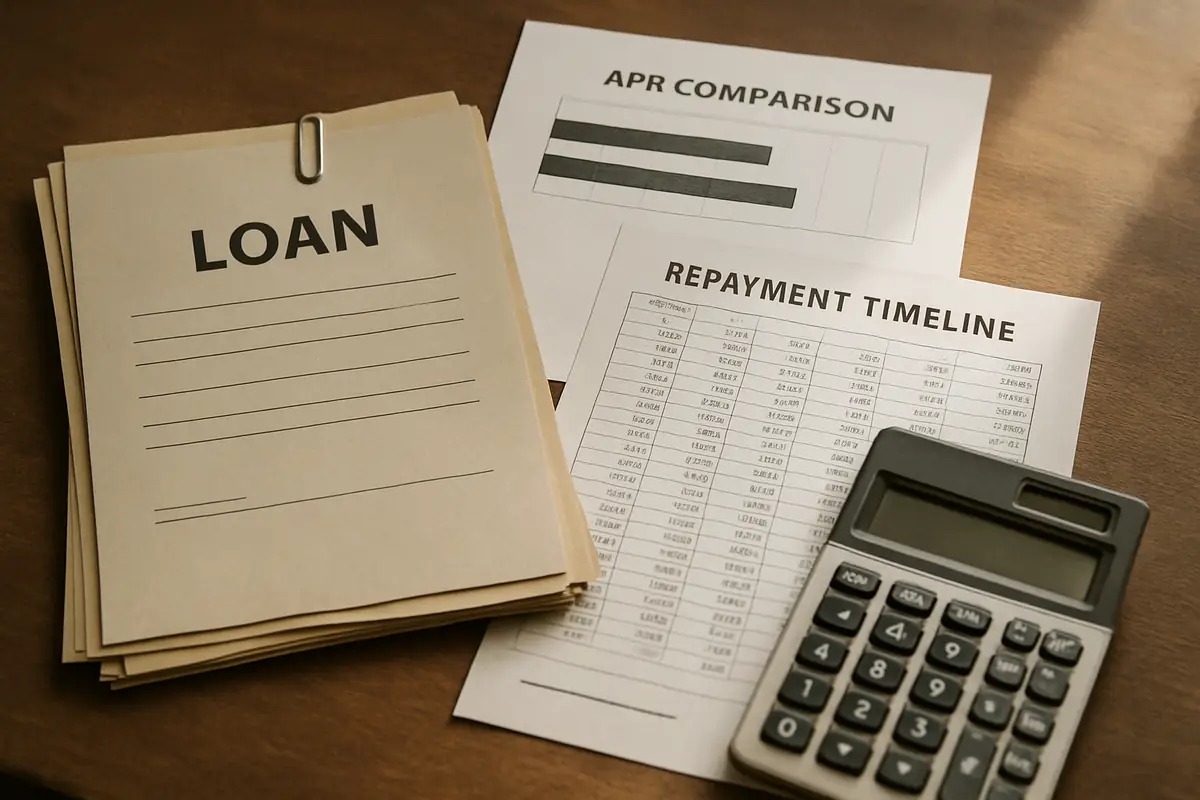
Borrowers often focus on the monthly payment, but the true financial impact depends on the total cost over the life of the loan. The annual percentage rate (APR) includes all interest and required fees, providing a standardized way to compare loan offers. Administrative fees can range from $25 to $200, late payment penalties may add 2% to 5% of the overdue amount, and some loans include mandatory insurance that can add $10 to $50 per month.
Always review:
- Total annual cost (APR), including all fees
- Late payment penalties, which can increase costs by hundreds of dollars over time
- Administrative commissions, often $25–$200
- Insurance charges, if bundled
- Early repayment restrictions or prepayment penalties
Example Calculation:
Suppose you take a $1,000 no-bureau loan at 120% APR for 12 months, with a $50 administrative fee. The monthly payment would be about $108.80. Over 12 months, you pay $1,305.60 in principal and interest plus the $50 fee, totaling $1,355.60. That means borrowing $1,000 costs you $355.60 for one year—over one-third of the original loan amount.
Alternatives to High-Cost No-Bureau Loans
Before accepting a high-APR no-bureau loan, consider other options that may offer lower rates, longer terms, or help you build credit history for future borrowing. For example, credit union personal loans may offer APRs between 9% and 18%, while secured loans backed by collateral can provide better terms if you own a car or savings account. Starter credit cards often have credit limits from $200 to $1,000 and can help establish repayment history. Payroll-linked loans may offer fixed repayments deducted directly from your paycheck, reducing risk for lenders.
Alternative Financing Options
- Credit unions (lower APRs, typically 9–18%)
- Secured loans (may accept cars, savings as collateral)
- Starter credit cards ($200–$1,000 limits)
- Payroll-linked products (automatic deductions)
Credit Improvement Strategy
- Reduce overdue balances to under 30% of available credit (utilization: the share of credit used)
- Consistently make payments on time for at least 6–12 months
- Lower debt utilization ratio for better credit scores
- Build formal repayment history to improve future loan access
Frequently Asked Questions
Can a no-bureau loan help build credit history?
Only if the lender reports your payments to one or more credit bureaus. Many no-bureau lenders do not, so repayment may not improve your credit score.
Are bureau loans always safer?
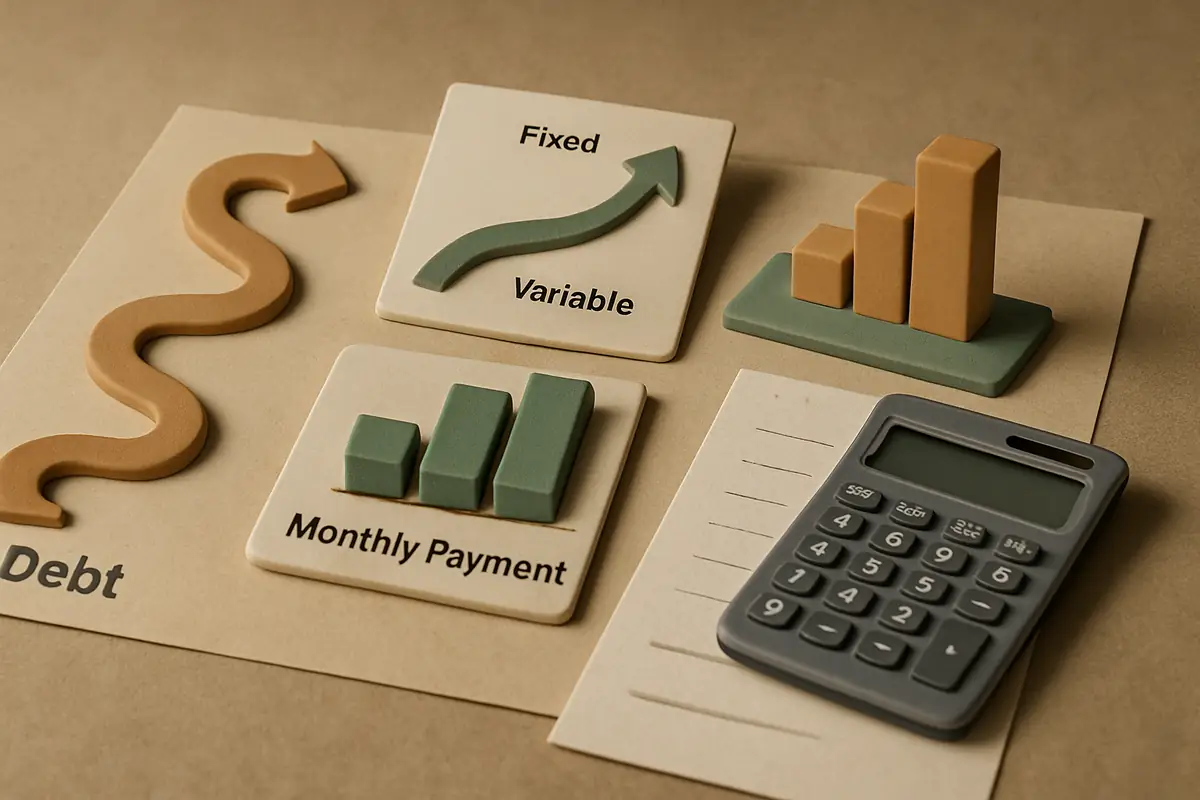
They tend to be more transparent and regulated, but you should always read the contract carefully for hidden fees, prepayment penalties, or variable interest rates.
Is speed worth paying more?
Only if you are certain you can repay on time and the urgent need outweighs the extra cost. High APRs can quickly lead to unaffordable debt if not managed carefully.
References
- https://www.consumerfinance.gov/consumer-tools/
- https://www.fdic.gov/consumer-resource-center/loans
- https://www.consumerfinance.gov/consumer-tools/auto-loans/
- https://www.consumerfinance.gov/consumer-tools/credit-reports-and-scores/
- https://www.consumerfinance.gov/consumer-tools/mortgages/
- https://www.consumerfinance.gov/ask-cfpb/what-is-the-difference-between-a-fixed-rate-and-adjustable-rate-mortgage-arm-loan-en-100/