Refinancing is a common financial step: in recent years, millions of Americans have refinanced loans to access lower monthly payments or take advantage of shifting interest rate environments. Yet, beneath the surface of attractive offers, borrowers face complex trade-offs—such as increased total interest, hidden fees, and stricter loan conditions—that can outweigh the benefits if not carefully analyzed. This article explores the mechanics and risks of refinancing, arming you with the details often missed in marketing materials.
Loan Refinancing: What Really Happens Beneath the Surface
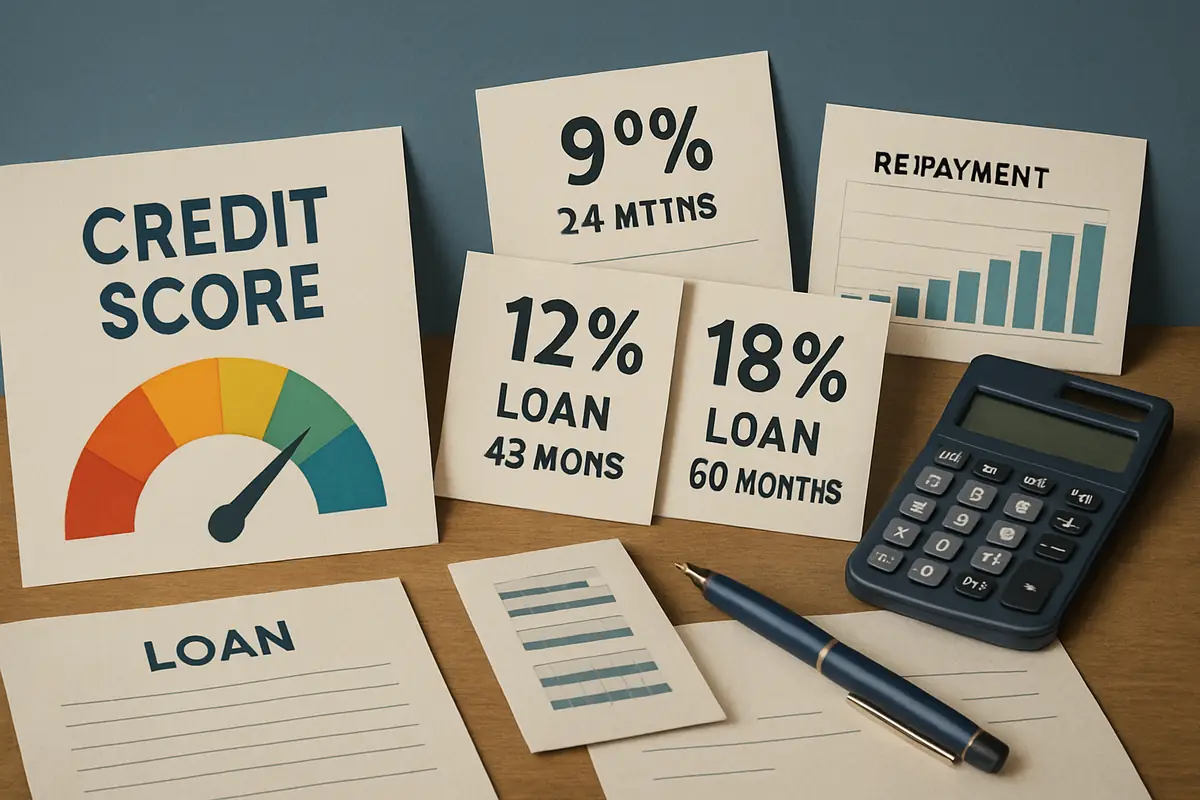
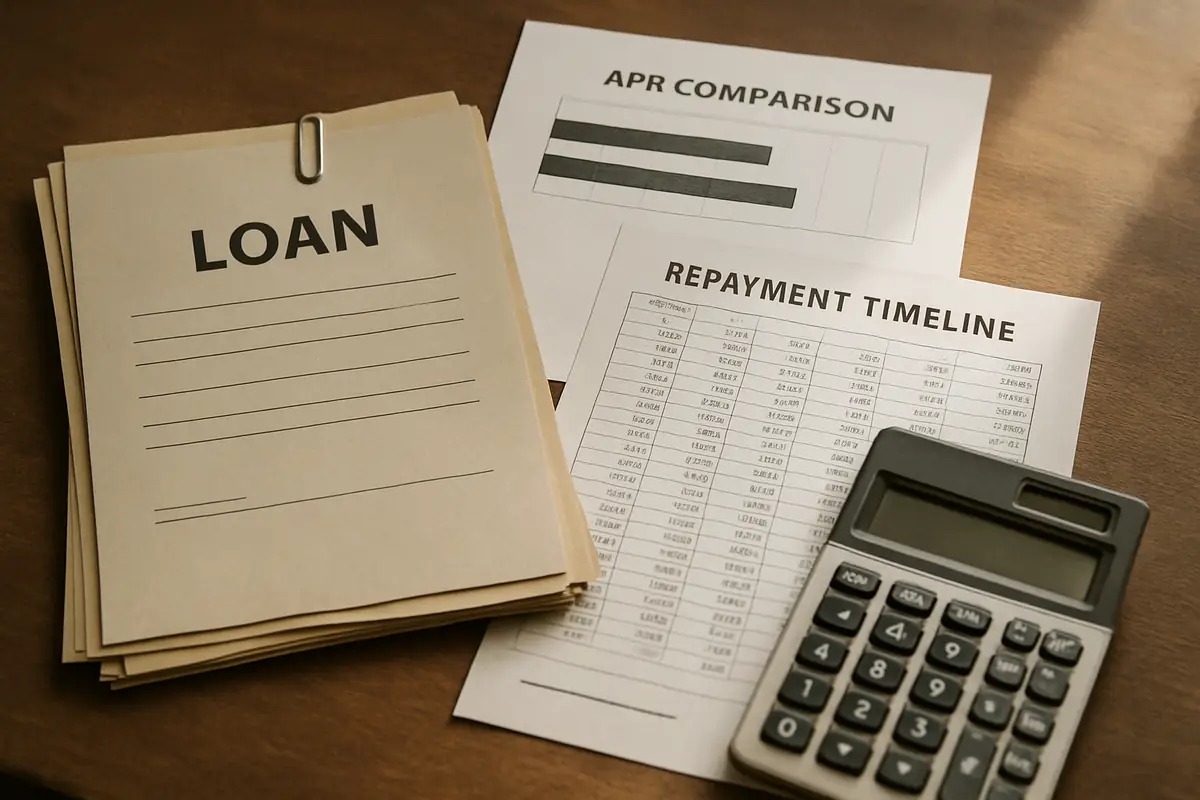
Loan refinancing means replacing an existing loan with a new one, often to secure a lower interest rate, reduce monthly payments, or change loan terms. While lenders frequently advertise lower Annual Percentage Rates (APR)—the yearly cost of borrowing including both interest and fees—borrowers should look beyond the headline figure. The actual contract may involve upfront origination fees (often 1% to 5% of the loan amount), extended repayment periods, new collateral requirements, or prepayment penalties that increase overall costs.
For example, while a lower APR (such as dropping from 7% to 5%) seems beneficial, extending the loan term from 4 to 6 years can result in significantly more interest paid over time. Consider that even a $15,000 loan refinanced at a lower rate but over a longer term could result in $1,000 to $2,500 in extra interest costs. Upfront fees—commonly $500 to $2,000 for auto loans or $2,000 to $6,000 for mortgages—may also be rolled into the new loan balance, increasing the total amount repaid. Additionally, stricter collateral requirements, such as a higher required loan-to-value ratio, can put assets like your car or home at greater risk if you default.
A Practical Example: Anna’s Car Loan Refinancing Decision
How this can look in practice
Anna has a $15,000 car loan at a 7% APR (annual percentage rate, which includes interest and fees) fixed for four years. Her monthly payment is $355. She considers refinancing to a 5% APR loan with a six-year (72-month) term, which would lower her payment to about $241 per month.
This new payment improves Anna’s monthly cash flow by $114. However, extending the term by two years means she will pay interest for 24 more months. Let’s break down the numbers:
- Original loan: $15,000 at 7% APR for 4 years. Total interest paid: approximately $2,240 over 48 months.
- Refinanced loan: $15,000 at 5% APR for 6 years. Total interest paid: approximately $2,400 over 72 months.
Step-by-step calculation:
- Original loan monthly payment: $355 x 48 months = $17,040 total paid. Interest paid: $17,040 - $15,000 = $2,040 (rounded for simplicity).
- Refinanced loan monthly payment: $241 x 72 months = $17,352 total paid. Interest paid: $17,352 - $15,000 = $2,352.
Despite the lower rate, Anna ends up paying about $300 more in interest over the life of the refinanced loan. If the lender charges a $600 origination fee, her total cost rises further. Additionally, if Anna’s original loan has a prepayment penalty of 2% of the remaining balance (about $300), her total refinancing cost could exceed $900 before she even begins making payments on the new loan.
Anna must consider whether her immediate cash flow needs outweigh the long-term cost increase. If she plans to sell the car in three years, the break-even period for these fees and extra interest may be longer than she actually holds the loan, making refinancing a costly choice overall.
Key Financial Factors in Refinancing: Comparing the Details
| Factor | What it Means | Common Risks |
|---|---|---|
| APR (Annual Percentage Rate) | The yearly cost of borrowing, including interest and most fees, expressed as a percentage. | Some advertised APRs exclude certain fees or may revert to higher variable rates after an introductory period. |
| Fees and Closing Costs | Upfront charges such as origination, application, appraisal, and document fees. | Typical fees range from $500 to $2,000 for auto loans and $2,000 to $6,000 for mortgages; high fees can offset savings from lower rates. |
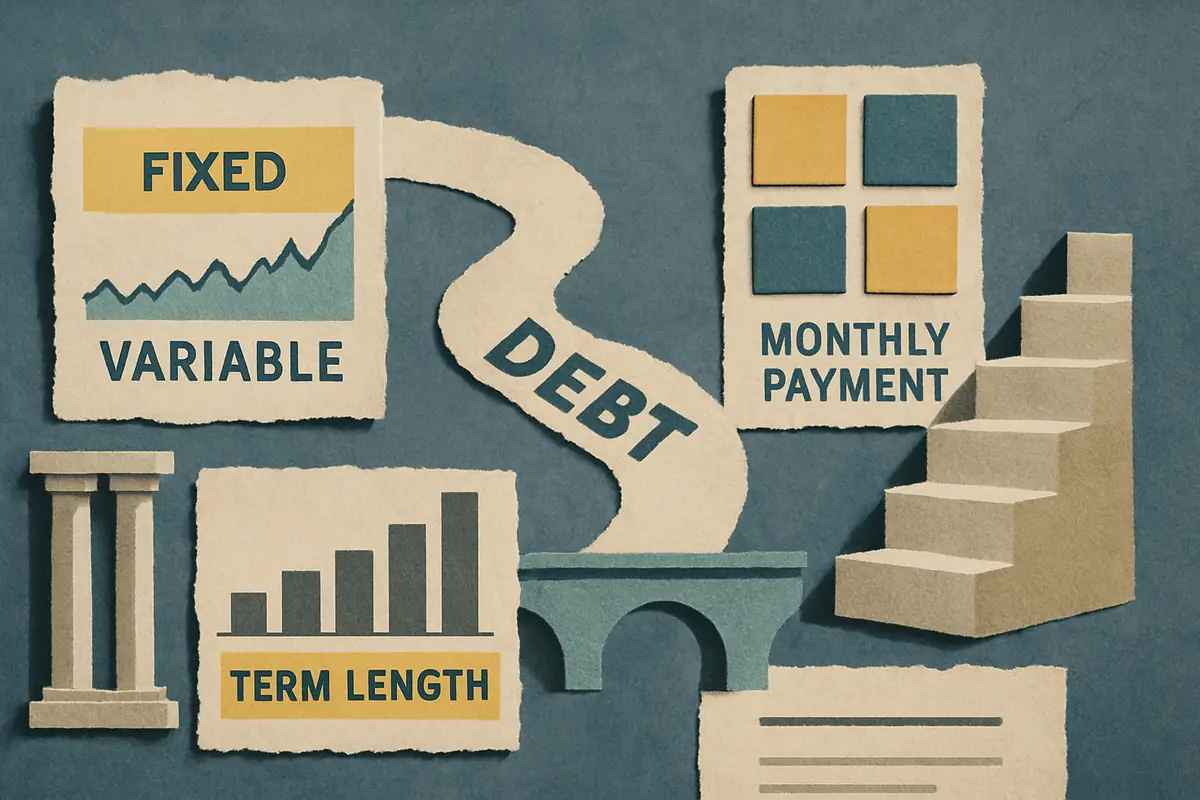
| Loan Term Length | The total number of months or years to repay the loan (e.g., 48 months vs. 72 months). | Extending the term lowers monthly payments but can increase total interest paid by 15% to 40%. |
| Collateral Requirements | Assets pledged to secure the loan, such as a car or home. | More stringent requirements may increase risk of asset loss if payments lapse. |
| Prepayment Penalties | Fees for paying off a loan early, before the scheduled end date. | Penalties may range from 1% to 5% of the remaining balance, reducing flexibility to refinance again or pay off early. |
Each factor can dramatically alter the cost-benefit equation. For instance, a $1,500 fee on a $10,000 loan is a 15% upfront cost—potentially erasing the savings from a 2% reduction in APR. Collateral changes can expose borrowers to a higher risk of losing their asset if circumstances change. Prepayment penalties, often hidden in fine print, can add $200 to $2,000 in costs, depending on the loan size and timing.
"Lower Rate" Offers Often Mask True Borrowing Costs
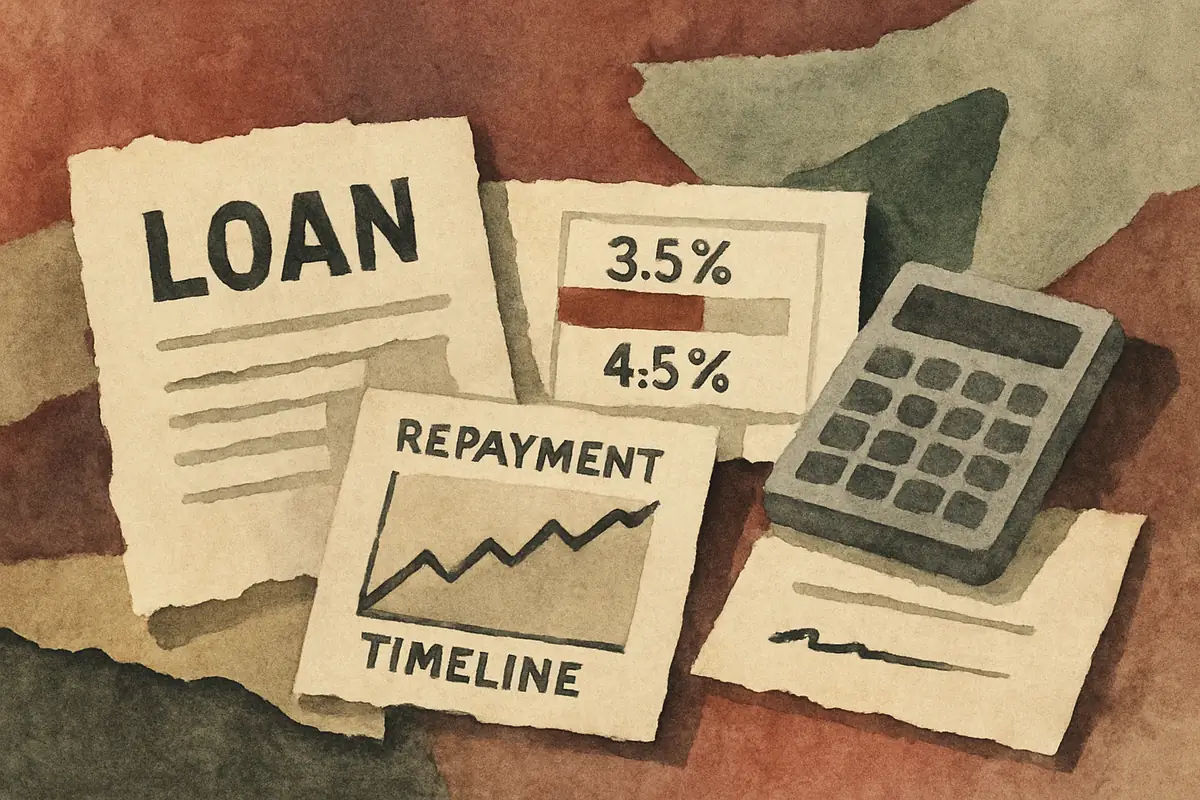
Many lenders promote "lower rate" refinancing with teaser APRs—introductory rates that may last only 6 to 24 months before adjusting upward. Others highlight a nominal APR while rolling mandatory fees into the loan balance, increasing the effective rate. For example, a loan advertised at 4.5% APR could have an actual cost closer to 5.5% when factoring in $2,000 in fees over a $30,000 balance.
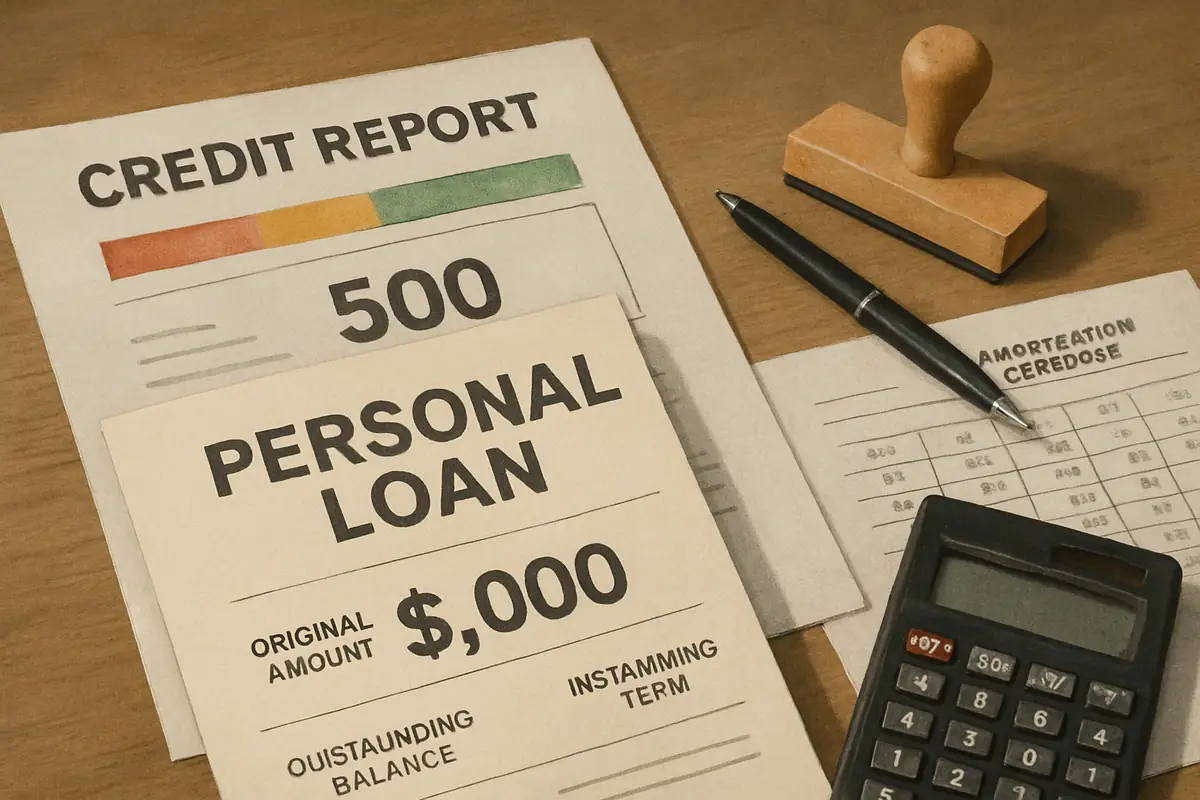
Borrowers should always request a full amortization schedule—a table that shows each payment’s allocation to principal and interest—and ask for all fees to be included in the APR calculation. This transparency is crucial for making true apples-to-apples comparisons between offers. Without it, borrowers may focus on a 0.5% rate drop, only to find their actual monthly savings are wiped out by hidden costs.
Hidden Fees and Penalties: The Real Cost of Refinancing
Refinancing typically involves upfront fees—application charges, appraisal costs, title insurance, and closing costs—that can add $500 to $6,000 to the total expense, depending on loan type and size. These charges may be deducted from loan proceeds or added to the principal, increasing interest paid over time. For example, if a borrower pays $3,000 in fees to reduce monthly payments by $100, the break-even point is 30 months. If the borrower moves or repays the loan sooner, the expected savings may never materialize.
Prepayment penalties on the original loan can further erode benefits. These fees often range from 1% to 5% of the outstanding balance or several months’ worth of interest. On a $200,000 mortgage, a 2% prepayment penalty could mean $4,000 in unexpected costs. Failing to account for these penalties can turn a seemingly advantageous refinance into a net loss.
Resetting the loan term is another subtle risk. Refinancing a 15-year mortgage into a new 30-year term may lower monthly payments by 30% to 40%, but can nearly double total interest paid—potentially adding $40,000 to $80,000 in extra costs over the life of a typical mortgage. This undermines long-term goals like equity building or early debt freedom.
Refinancing also affects credit scores. Each application triggers a hard inquiry, which can lower your score by 5 to 10 points. Multiple inquiries within a six-month window may compound this effect, and opening a new account can temporarily increase your debt-to-income ratio—potentially raising rates on other credit products or reducing approval odds for new loans.
Where readers should be careful
Request a full disclosure of all fees and penalties before refinancing. Missing these details can result in unexpected costs that take years to recover, especially if you refinance again or pay off your loan early.
How Longer Loan Terms Inflate Total Interest Costs
Lower monthly payments often come from extending your repayment period, not just from lower rates. While this may ease your budget in the short term, it increases the total interest you pay. For example, stretching a $20,000 personal loan from 4 years (48 months) to 6 years (72 months) at a 6% APR drops monthly payments from about $469 to $332—a 29% reduction. However, total interest paid jumps from around $2,500 to $3,900, a 56% increase.
Typical refinancing extends loan terms by 2 to 4 years. Even if the APR drops by 1% to 2%, the added interest from extra years can boost total costs by 15% to 30%. Borrowers should calculate the break-even point—the time needed for monthly savings to offset fees—and compare it to how long they realistically plan to keep the loan.
Collateral Changes: When Refinancing Raises Your Risk
Refinancing can alter collateral terms, increasing risk to your assets. For secured loans, lenders may require a new appraisal or higher loan-to-value ratio—meaning you must pledge more equity in your car or home. For example, refinancing a mortgage may require a new home appraisal, and if property values have dropped, you could be required to pay down principal or accept higher rates.
If you default on a refinanced loan with stricter collateral terms, you face a greater chance of losing the asset. Even unchanged collateral can come with new enforcement terms, such as faster repossession timelines or stricter default clauses. Borrowers should review all collateral requirements and compare them to the original loan’s conditions to avoid unexpected exposure.
Repayment Pressure and Budget Risks After Refinancing
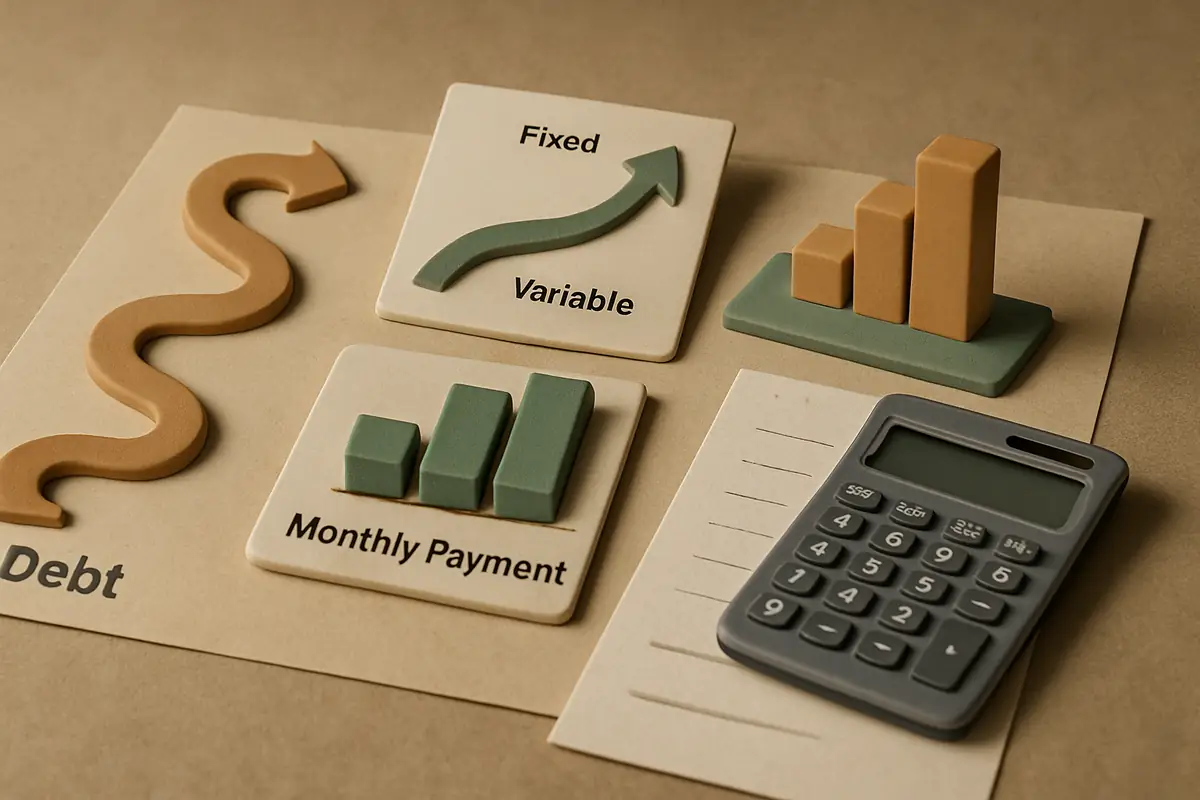
Lower payments from refinancing can mask new risks. Over a longer term, borrowers are exposed to more financial uncertainty—job loss, health issues, or unexpected expenses can make even reduced payments difficult to sustain for 60 to 84 months. If the refinanced loan includes a variable interest rate after an initial fixed period, payments could rise by $50 to $200 per month or more, straining household budgets.
Variable-rate loans, common in mortgages and some auto loans, may start with a low APR (such as 3% to 4%) for the first 12 to 36 months, then adjust upward—sometimes doubling over the remaining term. This unpredictability complicates long-term financial planning, especially for borrowers with tight cash flow or fluctuating income.
Hidden Costs That Can Undermine Refinancing Benefits
The most overlooked risk in loan refinancing is the impact of hidden costs that can quickly erode expected savings. Borrowers focused on headline rates may miss origination fees, title insurance, and closing costs that add $1,000 to $6,000 to the transaction. If refinancing a mortgage, the break-even period—the time to recoup fees through lower payments—can stretch to five years or more. Homeowners who sell or move within that period often incur a net loss, as total fees exceed any payment reduction.
Prepayment penalties, sometimes buried in loan agreements, may range from 1% to 5% of the remaining balance or several months of interest. For a $50,000 loan, a 3% penalty means $1,500 in extra costs. Borrowers who refinance repeatedly or early may pay more in penalties than they save in interest, especially if they do not stay in the new loan long enough to realize the benefits.
Resetting the loan term is another risk: refinancing a 15-year mortgage into a new 30-year term may cut monthly payments by 35% but nearly double the total interest paid. For a $250,000 mortgage, this could mean paying $100,000 more in interest over the life of the loan. Borrowers seeking short-term relief may inadvertently delay wealth building and prolong debt obligations by years.
Credit score impacts are also important: each refinancing triggers a hard inquiry, typically lowering scores by 5 to 10 points. Multiple inquiries in a year can signal risk to lenders, potentially raising rates on credit cards or auto loans. Changes in debt structure may also affect your debt-to-income ratio, a key metric for future borrowing.
Psychological and Behavioral Pitfalls in Loan Refinancing
Beyond the numbers, refinancing carries behavioral risks. Lower monthly payments can tempt borrowers to increase discretionary spending instead of accelerating debt payoff or boosting savings. This phenomenon, called lifestyle inflation, diverts potential financial gains into non-essential expenses.
Some borrowers fall into a cycle of repeated refinancing—chasing small rate drops or lower payments and incurring new fees each time. This loan churning can extend debt tenure by years and add thousands in aggregate interest and fees, especially if the break-even period is never reached. Without a clear long-term strategy, refinancing can undermine financial health instead of improving it.
Complex loan terms, varying fee structures, and shifting rates can overwhelm less experienced borrowers. Without a solid understanding of amortization (the process of spreading loan payments over time), APR calculations, and debt-to-income impacts, individuals may select refinancing options that do not align with their financial goals or circumstances.
Strategies to Reduce Refinancing Risks
To maximize the benefits and minimize the risks of refinancing, start with a thorough cost-benefit analysis. Gather all fee disclosures, calculate the break-even period, and compare total interest paid under both the original and new terms. Online calculators can help estimate how long it takes for monthly savings to offset fees.
Where possible, select shorter loan terms—even if monthly payments are higher—to limit total interest costs. Look for lenders with transparent fee structures and minimal prepayment penalties. For example, a 5-year auto loan at 4% APR may cost $1,500 less in interest than a 7-year loan at 5%, even with similar monthly payments.
Maintain disciplined budgeting: direct any monthly payment reduction toward principal or savings, not increased spending. Keep credit inquiries to a minimum to avoid unnecessary score drops. Before refinancing, review your debt-to-income ratio and consider how changes may affect future borrowing needs.
Where this helps
- Lower monthly payments can improve short-term cash flow by $50 to $300 per month.
- Switching from variable to fixed rates can provide payment stability over 3 to 30 years.
- Debt consolidation may simplify payments and reduce rates on multiple loans.
Where caution is needed
- Upfront fees and closing costs may offset or exceed savings.
- Longer terms can increase total interest by 15% to 40%.
- Prepayment penalties may add $200 to $4,000 in costs.
- Credit score impacts from hard inquiries and new accounts.
- Behavioral risks, such as repeated refinancing cycles and lifestyle inflation.