A $20,000 loan refinanced at a lower rate might look like a financial win—until you tally up the fees, shifting repayment terms, and potential for higher total costs over time. For borrowers considering refinancing, the key question is not just whether the monthly payment drops, but how the new contract changes your responsibilities and long-term exposure. What seems to be a cost-saving move can sometimes turn into a hidden expense that strains cash flow for years.
APR clarity
Always compare loans using Annual Percentage Rate (APR), which accounts for both interest and mandatory fees.
Upfront vs. ongoing costs
Refinancing often involves application fees, closing costs, and sometimes prepayment penalties. Weigh these against any monthly savings.
Payment term reset risk
Extending your loan term can lower your immediate payment but increase your total cost.
When Does Refinancing Really Lower Costs?
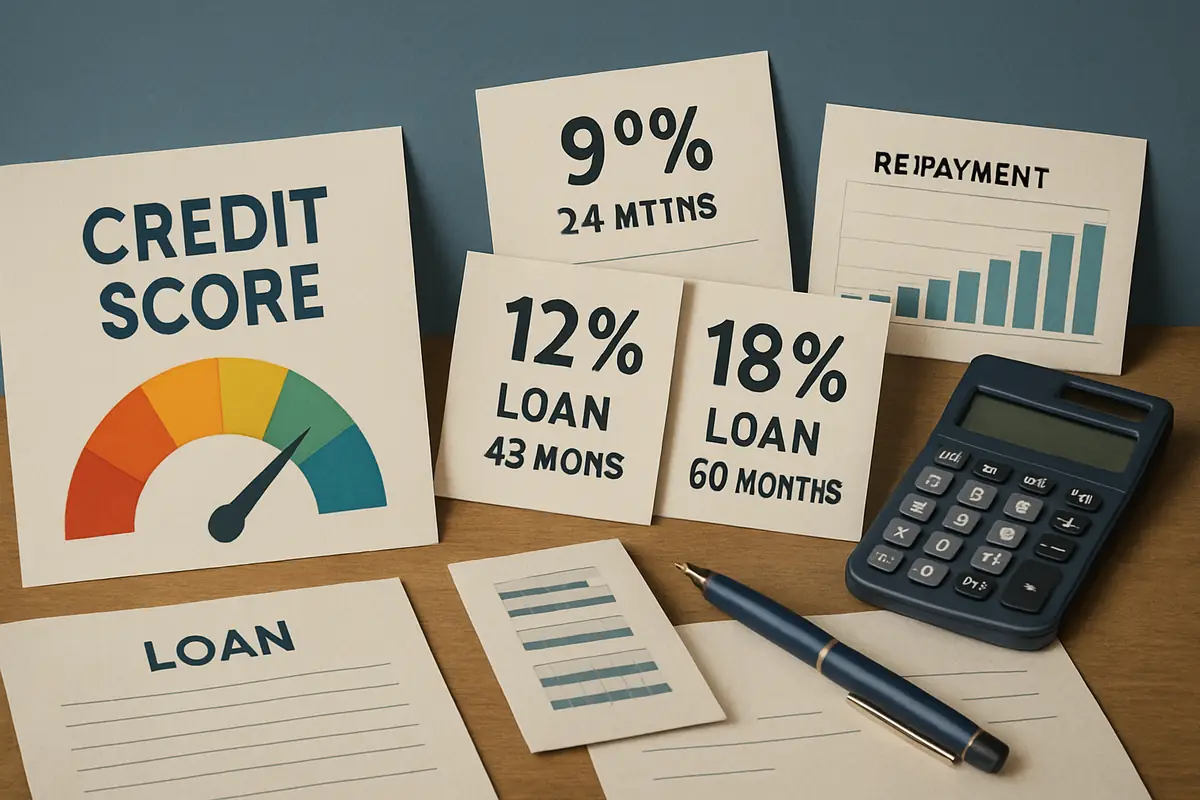
Many borrowers look at refinancing as a chance to cut monthly payments on existing debt. On paper, this seems simple: replace an older loan with a new one at a better rate or more manageable terms. In practice, however, lower payments do not always equate to actual savings. Key factors include the difference in annual percentage rate (APR), the length of the new loan term compared to the original, all associated fees, and whether you are moving from a fixed to a variable interest product. For instance, personal loan APRs often range from 8% to 25%, while credit card rates typically sit between 18% and 30%. If you refinance high-interest credit card debt into a personal loan with an APR of 12%, the apparent savings can be substantial—but only after accounting for every related cost.
Consider a realistic example: you owe $15,000 on a credit card at 24% APR and pay $375 per month (minimum). If you take out a 5-year personal loan at 12% APR to refinance this debt, your new monthly payment drops to around $334. At first glance, this looks like an improvement—but over 5 years you would pay roughly $5,040 in total interest plus any origination or application fees (often $300–$700). If the original card could have been repaid faster with larger payments—and no added origination costs—the savings could shrink or even vanish. The outcome depends heavily on how much longer your debt remains outstanding due to the new agreement.
| Factor | Typical Range/Scenario | Risk or Cost Impact |
|---|---|---|
| Personal Loan APR | 8%–25% | "Low" rates usually require strong credit; higher rates may exceed expected card rates |
| Origination Fee | $0–$800 | "No-fee" offers are rare; most loans charge upfront fees (1–5%) |
| Loan Term Length | 2–7 years | "Stretching" payments lowers monthly cost but increases interest paid |
| Prepayment Penalty | $0–$500+ | "No penalty" is common on unsecured loans; mortgages may differ |
| Variable Rate Shift | +2–6% over life | "Adjustable" rates can rise sharply after intro periods |
APR vs. Monthly Payment: Why Advertised Savings Can Mislead
"APR" stands for Annual Percentage Rate—a measure that reflects both the interest charged and certain required fees. This is different from just looking at the "interest rate" or monthly payment figure presented in ads. A low monthly payment can mask high total costs if the repayment period is extended or if upfront fees are folded into the balance and accrue more interest over time. Borrowers should be cautious of offers that emphasize only how much lower their new payment will be while giving little detail about what they'll pay in total by the end of the contract.
"Loan amortization" refers to spreading payments over time so that each payment includes both interest and principal reduction. Refinancing can restart this clock: choosing a fresh multi-year term often means that more of your early payments go toward interest rather than reducing what you owe. Borrowers should ask lenders for amortization schedules before committing to see when their balance will actually drop meaningfully.
No-Closing-Cost Promises: How Hidden Fees Surface Later
'No-closing-cost' refinance offers are increasingly common for everything from home mortgages to auto loans. While these products advertise zero up-front expense to sweeten appeal—typically folding administrative charges directly into your loan balance—they rarely eliminate fees entirely. Instead of paying $2,000 out-of-pocket at signing for a mortgage refinance, you may see your principal rise by that same amount. Over 20 or 30 years of repayment (with an average mortgage APR between 6% and 8%), this embedded fee accrues hundreds or even thousands more in interest.
'Prepayment penalty' clauses are another risk point: while many unsecured personal loans today carry no such fees if you repay early (to encourage responsible payoff), some secured or older contracts will penalize lump-sum repayments with charges ranging from several hundred dollars up to several months’ worth of interest income lost by the lender. Always check whether penalties still apply before refinancing or selling collateral assets like homes or vehicles.
"No-Closing-Cost" Refinance: Potential Advantages
- "No cash needed upfront; preserves emergency funds for other uses."
- "Simplifies approval process for some borrowers."
"No-Closing-Cost" Refinance: Where Caution Is Needed
- "Total cost often rises due to higher financed amount."
- "Interest compounds on embedded closing costs."
Fixed Versus 'Variable: The Risk Timeline Shifts
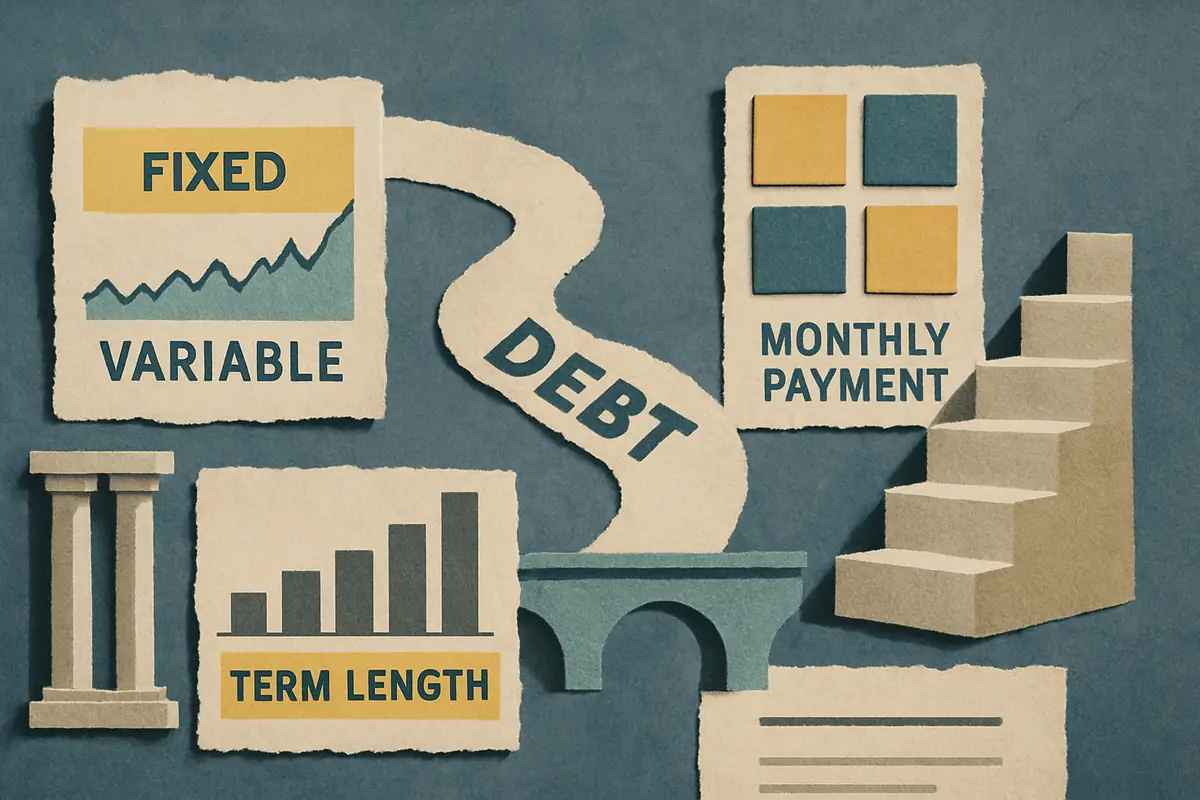
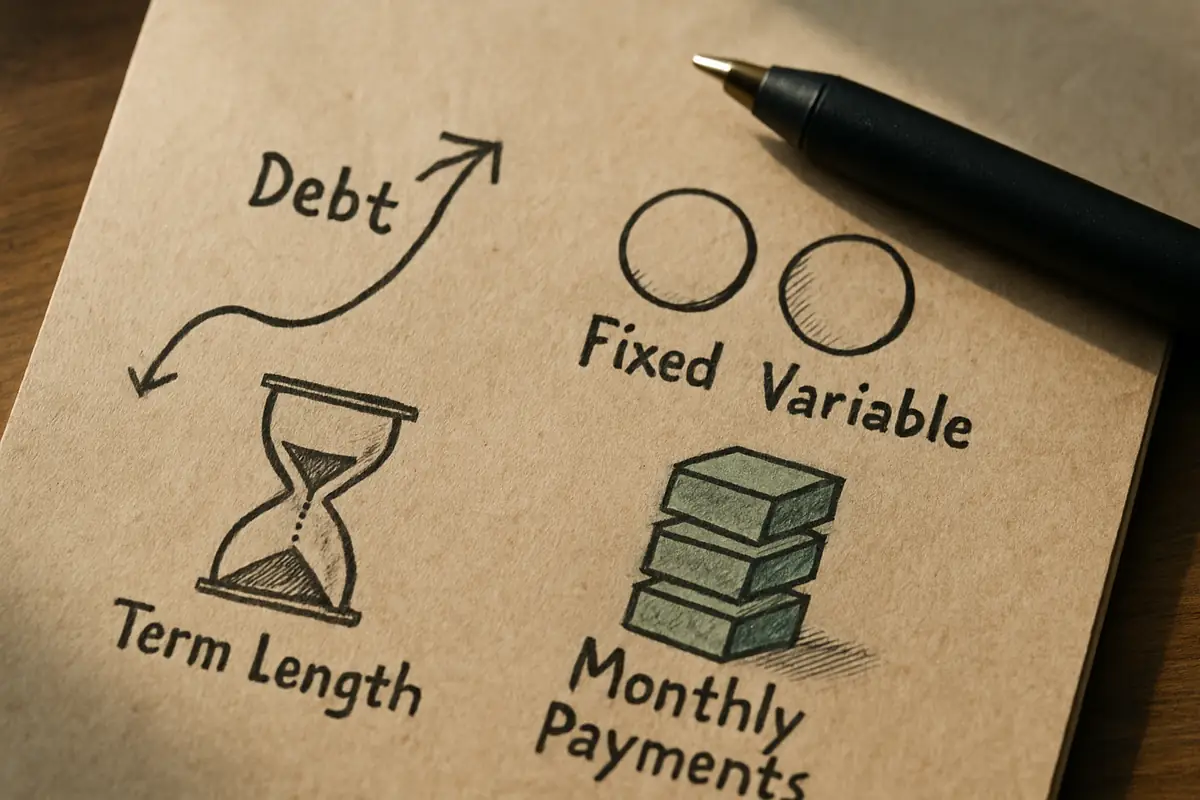
'Fixed-rate' loans promise an unchanging interest rate through their lifetime—protecting borrowers from market swings but sometimes resulting in slightly higher initial rates than so-called 'teaser' offers. 'Variable-rate' (or adjustable-rate) loans typically begin with below-market rates valid for six months to several years before resetting based on external benchmarks such as LIBOR or federal prime rates. When these resets occur—as frequently as once per year—the borrower's minimum required payment can jump substantially if wider economic conditions shift upward.
'Rate cap' provisions exist in some variable loans but typically allow increases of two percentage points per adjustment period and up to six points over the life of the loan—a structure seen across many mortgage products but also present in some personal lending contracts. This means that even if you qualify for an initial low variable rate during stable times (say 4%), within five years you could find yourself obligated at rates exceeding most standard fixed contracts without warning if wider markets rise.
Stretching Payments: Relief Now—But More Owed Later
Take an auto loan scenario: You owe $8,000 with three years left at a fixed 7% APR ($247/month original payment). If you refinance into a five-year loan at even a slightly lower rate—say 6%—your new payment falls to just $155/month. Total repaid over five years climbs from about $8,892 ($892 in interest) on original terms to about $9,300 ($1,300 in interest) after refinancing—even after saving money each month short term. If hardship lasts only briefly yet repayments extend anyway from refinance inertia, lifetime borrowing cost rises without returning real benefit.
Collateral and Contract Risk: What’s Really at Stake?
In secured lending—including most mortgages and car loans—your property acts as collateral backing up repayment promises made in refinancing contracts. Failing to meet obligations exposes you not just to late fees or credit score drops but also potential asset loss through repossession or foreclosure processes initiated by lenders after default thresholds are crossed (typically after two or three missed payments). For unsecured products like personal consolidation loans or many student refis where no property backs up repayment beyond your signature and credit rating—the direct risk is future borrowing difficulties rather than asset seizure.
Some lenders may include 'cross-default' clauses: if you default in any way under one agreement with them (such as overdrawing an account also held at their firm), they reserve rights to call in your refinanced loan balance immediately—even when unrelated to performance under that particular contract alone. Always read contracts line by line before signing any refi agreement; seemingly minor legal language can expand lender rights substantially.
Worked Example: The Real Cost of Refinancing With Fees Included
Suppose you have a remaining mortgage balance of $180,000 at an old rate of 7%. You’re offered refinance terms dropping your rate to 5%, resetting your loan term back out to thirty years—with closing costs totaling $3,600 rolled into the principal instead of paid upfront.
On old terms: • Monthly payment = ~$1,198 • Remaining total paid over twenty years = ~$287,520 On new refi terms: • New balance = $183,600 • Monthly payment = ~$985 • Total paid over thirty years = ~$354,600 Despite dropping your monthly obligation by more than $200/month short-term—and lowering your headline APR—the lifetime cost climbs by nearly $67,080 because of extra years spent accruing compound interest and capitalized closing charges within principal.
Pressure Points: Repayment Stress After Refinancing
Lenders often market refinancing products toward consumers experiencing short-term cash flow strain—from job changes to medical bills—by promising easier payments now in exchange for longer-term obligations later. The psychological relief is real when bills become less overwhelming each month; however unpaid balances persist much longer than anticipated if hardship resolves sooner than expected yet refinancing’s long tail continues regardless.
Is there ever zero risk when refinancing?
Every refinancing decision carries trade-offs—even when lowering immediate payments or advertised rates.
How do I check my true long-term cost?
Ask lenders for complete amortization tables showing all required payments through maturity—including any capitalized fees.
Can I reverse refinancing decisions if my situation changes?
Once signed and closed—especially when closing costs have been rolled into principal—you cannot simply revert without further transaction costs.
Comparing Alternatives Before Committing To Refinance
Before finalizing any refinancing deal—especially one motivated by stress about current payments—it makes sense to exhaust other avenues first: - Can debts be repaid within original timelines through tighter household budgeting? - Are there employer programs offering temporary support that reduces need for costly contract resets? - Will debt management plans through nonprofit agencies create similar relief without incurring major fees? Examining alternatives reduces chances of locking yourself into new obligations that prove more expensive—or less flexible—over time.
What to remember
- {'takeaway': 'Refinancing only yields true savings when lower rates outweigh all associated fees and extended repayment periods do not add hidden compound costs.'}
- {'takeaway': 'Monthly relief must always be balanced against increased lifetime obligation—with close attention paid to contract clauses governing penalties and collateral exposure.'}
- {'takeaway': 'Request full documentation—including amortization schedules—from lenders before signing any agreement.'}
What Trade-Off Remains After All Comparisons?
After accounting for all risks—from hidden fees embedded in supposedly low-rate offers to compounding costs resulting from stretched-out repayment timelines—the central dilemma remains unchanged: Every dollar saved each month may translate into multiple dollars paid down the road if contract mechanics go unscrutinized. Borrowers willing to accept near-term discipline—to knock out balances quickly under original terms—often fare better over time than those lured by surface-level relief through aggressive refinancing campaigns. The final decision requires realism about household budget capacity not just today but in every future year covered by any new contract—a level of scrutiny seldom advertised but always necessary for genuine financial safety.
Innovations in Loan Refinancing: Digital Platforms and New Models
The digital revolution in financial services is reshaping the landscape of loan refinancing. Fintech companies and online lenders have emerged as major disruptors, offering faster, more transparent processes than traditional banks. Borrowers can now compare rates, prequalify, and even complete entire refinancing applications from their smartphones. These platforms use algorithms to assess risk, sometimes providing more personalized offers based on a broader range of data points than conventional credit scoring systems. While this accessibility can be empowering, it also introduces novel risks. For instance, some digital lenders rely on alternative data—such as social media activity or utility payments—to determine creditworthiness. This raises concerns about privacy, algorithmic bias, and the reliability of non-traditional underwriting models. Borrowers should carefully scrutinize how their information is being used and weighed in these new systems, as seemingly minor details could significantly impact their loan terms.
Peer-to-peer (P2P) lending platforms provide another innovative model for refinancing. These marketplaces connect borrowers directly with investors, often resulting in competitive rates and fewer institutional barriers. However, P2P loans typically come with unique caveats: variable interest rates, servicing fees, and limited regulatory protection compared to mainstream financial institutions. Investors may seek higher returns by funding riskier loans, which can translate into stricter repayment terms or less flexibility for borrowers facing hardship. Additionally, the bankruptcy of a platform could pose risks to both parties if servicing or escrow arrangements are not airtight. For consumers intrigued by these options, it’s essential to assess not only the headline interest rate but also how such platforms handle late payments, dispute resolution, and data security—factors that may ultimately affect the true cost of refinancing.
Hidden Costs Beyond Interest Rates
While interest rates usually grab the headlines in any refinancing discussion, they are far from the only factor influencing the real cost of a new loan. Many lenders charge origination fees—sometimes expressed as a percentage of the loan amount—that can range from nominal to substantial sums. Prepayment penalties can also lurk in the fine print; these charges apply if you pay off your refinanced loan earlier than scheduled and may negate savings from securing a lower rate. Other administrative expenses include credit report fees, title searches (especially for mortgage refinancing), or mandatory insurance policies attached to certain products. Some online lenders tout 'no-fee' refinancing but offset this through higher ongoing interest rates or less favorable repayment terms. To avoid unpleasant surprises, borrowers should ask for a clear breakdown of all costs before committing—and request comparison documents known as Truth-in-Lending disclosures when possible.
Another hidden expense comes in the form of required ancillary products or bundled services that are not always optional. For instance, some auto refinance deals require you to purchase extended warranties or gap insurance as part of the arrangement. In student loan refinancing, borrowers might be encouraged to enroll in automatic payment plans that grant small interest rate reductions but limit payment flexibility or introduce withdrawal timing issues with your primary bank account. Additionally, beware of so-called 'payment holidays' or 'deferment options,' which can sound appealing but often trigger additional interest accruals or stretch out your repayment period at a higher total cost over time. Scrutinizing these features is crucial for understanding what you’re truly committing to when exploring modern refinancing offers.
Market Volatility: How Economic Shifts Affect Refinancing Decisions
Refinancing decisions do not exist in a vacuum—they are deeply influenced by macroeconomic trends and sudden shifts in market conditions. When central banks raise benchmark interest rates to combat inflation or cool overheated economies, borrowing costs tend to rise across the board. In such periods, those seeking to refinance may find that advertised rates are considerably higher than anticipated just months earlier. Conversely, during economic downturns or periods of monetary easing, rates may drop rapidly but lending standards can tighten dramatically—making it harder for all but the most creditworthy applicants to secure approval at headline rates. For businesses with commercial loans or homeowners with adjustable-rate mortgages (ARMs), volatility can quickly translate into unpredictable monthly payments unless they lock in stable terms through timely refinancing.
Geopolitical events—such as trade disputes or conflicts—can also send shockwaves through capital markets that ripple out to retail lending products within weeks or even days. A sudden spike in bond yields might prompt lenders to hike rates on fixed-rate products without notice; likewise, disruptions in global supply chains could change risk models overnight for entire categories of borrowers (think: small businesses reliant on imported goods). Savvy consumers must stay alert to not only domestic policy changes but also international developments that could indirectly influence their ability to refinance advantageously—or at all—within their preferred timeframes.
Scenario: Navigating Refinancing in an Uncertain Rate Environment
How this can look in practice
"Evelyn is considering refinancing her home after hearing about historically low rates on the news. However, just as she’s preparing her application materials, economic data indicating rising inflation prompts the central bank to signal future rate hikes. Within weeks, most lenders adjust their advertised mortgage rates upward by half a percentage point—a change that would increase Evelyn’s projected monthly payment by over $100 if she waits too long to act."
In this scenario, Evelyn faces a dilemma common among today’s borrowers: whether to lock in terms now amid low rates (potentially missing out on further decreases) or wait for better offers (risking sudden upward revisions). Her experience underscores how quickly changing economic signals can upend even well-timed refinancing plans—and why it’s vital for borrowers to actively monitor both official policy announcements and lender responses before finalizing any deal.
Greater Transparency and Consumer Protections Ahead?
As technology makes refinancing more accessible and diverse lender models proliferate, regulators worldwide have begun examining how best to protect consumers from predatory practices and hidden risks unique to this evolving ecosystem. Some jurisdictions are introducing enhanced disclosure rules that require both traditional banks and digital-only lenders to provide clear summaries of all costs—including those buried deep within fine print—before contracts are signed. There is also growing momentum behind initiatives demanding greater transparency around algorithmic decision-making; for example, requiring platforms that use AI-driven risk assessments to explain which factors most influenced an applicant’s approval odds or assigned interest rate.
"Open banking" regulations are another trend reshaping consumer rights within loan markets by giving individuals increased control over their own financial data—and making it easier to secure competitive offers by sharing accurate information directly with multiple lenders simultaneously. While these developments promise significant benefits for savvy borrowers able to leverage them effectively, they also raise fresh questions around data security and potential discrimination embedded within opaque digital systems. Ultimately, understanding your rights under both national law and platform-specific policies will remain crucial as loan refinancing continues its rapid transformation.