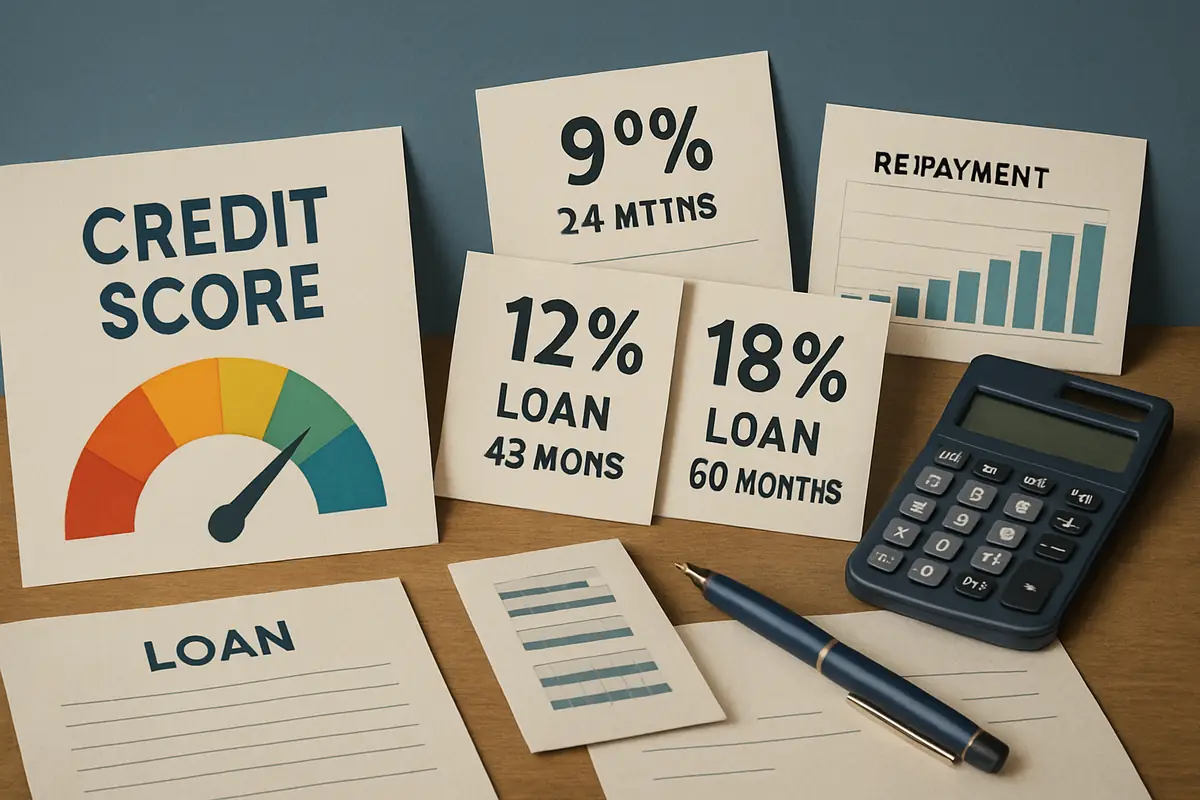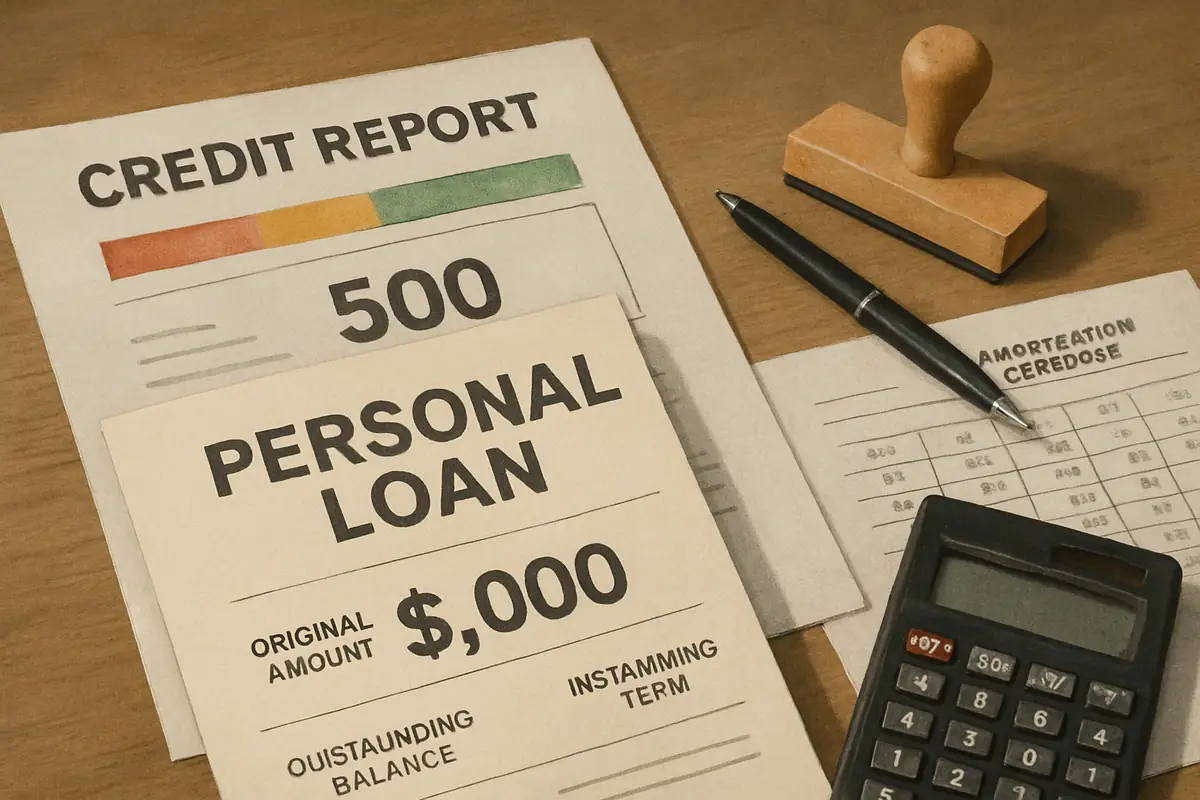
When evaluating loan offers, borrowers face a crucial decision: prioritize fast approval or focus on loan terms that determine the true cost and risk of borrowing. For example, a loan with instant approval might deposit funds in your account within 24 hours but could come with a higher annual percentage rate (APR) and steeper fees than a slower, more flexible alternative. This article explores why scrutinizing loan terms—such as interest rates, repayment periods, and hidden fees—is far more important than simply securing funds quickly, and how overlooking these details can lead to substantial long-term financial consequences.
The Drawbacks Hidden in Fast Loan Approvals
In financial emergencies, the promise of receiving funds within a day or even an hour is undeniably attractive. Many lenders advertise approval times under 24 hours, with some online platforms boasting decisions in as little as 60 seconds. However, this speed often comes with significant trade-offs. Fast-approval loans frequently feature shorter repayment periods—sometimes as brief as 6 to 12 months—and APRs that can range from 15% to as high as 36%, especially for unsecured personal loans. Additional fees, such as origination charges from $100 to $500 or more, are common. These factors can dramatically increase the total cost of borrowing.
Borrowers who focus solely on speed may overlook crucial details like the APR, which represents the total yearly cost of borrowing, including both interest and mandatory fees. Without careful review, a fast-approval loan may create a higher monthly payment—sometimes $400 or more per $5,000 borrowed—leading to budget pressures and increased risk of missing payments. This can result in late fees, typically $25 to $40 per missed payment, compounding financial strain.
Key Elements of Loan Terms: What You’re Really Signing Up For
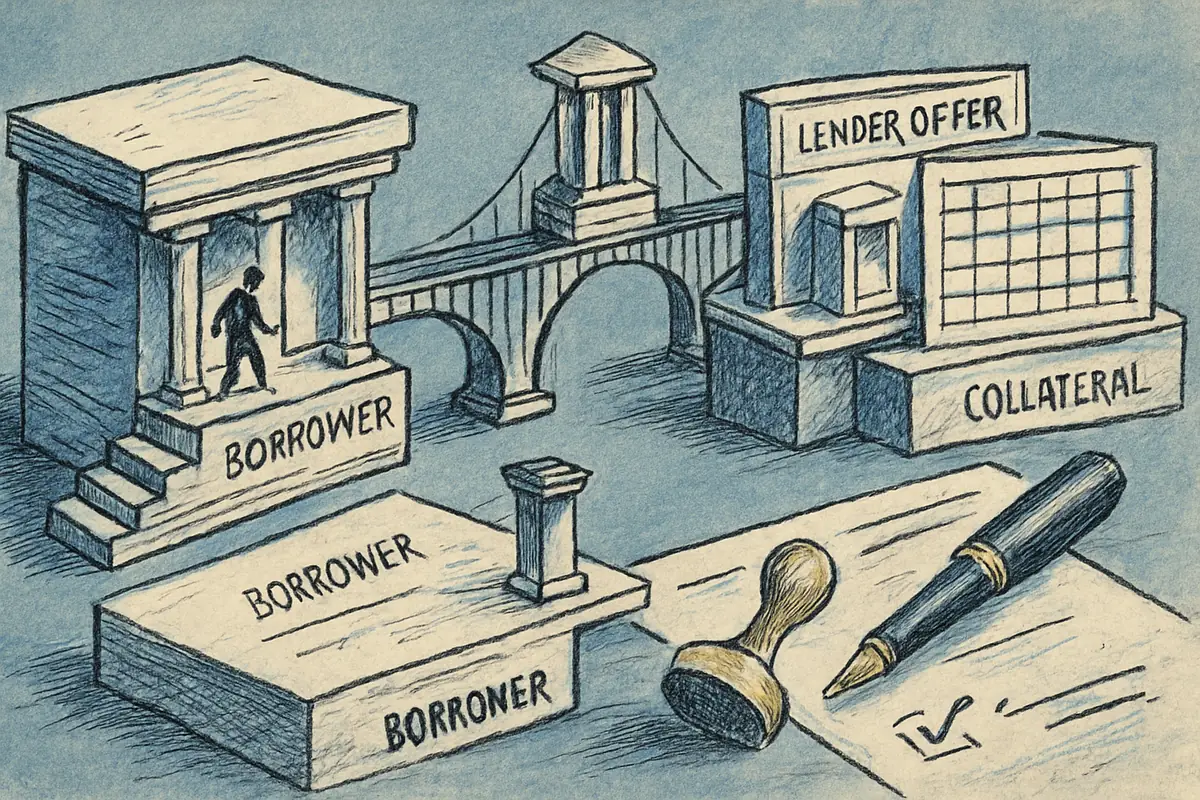
Loan agreements are legally binding documents that set out multiple variables directly affecting your repayment experience and total financial obligation. The Annual Percentage Rate (APR) is a key figure, reflecting the true yearly cost of the loan by combining the interest rate with all mandatory fees. APRs for personal loans often range from 6% for highly qualified borrowers to over 30% for those with lower credit scores. Term length—the duration you have to repay—can vary from as little as 6 months to as much as 7 years, with shorter terms resulting in higher monthly payments but less total interest paid.
Collateral is another critical term: some loans require you to pledge assets, such as a car or savings account, which the lender can seize in case of default. Penalty clauses specify additional costs for actions like late payments (often $25–$50 per incident) or paying off the loan early (prepayment penalties, which might be a percentage of the remaining balance). These contract details can add hundreds or even thousands of dollars to the cost of borrowing if not carefully considered.
Term Length Directly Influences Repayment Pressure
The length of your loan term has a direct impact on both your monthly payment and the total interest paid. For example, a $6,000 loan at 18% APR over 12 months results in a monthly payment of about $550, while the same loan over 24 months lowers the payment to around $300 but increases total interest paid by several hundred dollars. Shorter terms force higher monthly payments, which can strain your budget, but they reduce the overall interest cost. Longer terms ease the monthly burden but can double or triple the total interest paid over the life of the loan.
Hidden Fees and Penalties: The Details That Drive Up Costs
Fast-approval loans often include fees that are not immediately obvious. Origination fees—typically ranging from 1% to 8% of the loan amount—are charged upfront and either deducted from your proceeds or added to your balance. For a $4,000 loan, this could mean $40 to $320 in extra cost before you even start repaying. Late payment fees can quickly escalate, sometimes reaching $100 or more if multiple payments are missed. Prepayment penalties discourage borrowers from paying off loans early, locking them into higher total interest payments. Even seemingly minor charges, such as $10 monthly administrative fees, can add up to $120 or more per year.
In contrast, loans with slower approval processes—taking several days to a week for verification—often feature greater transparency, fewer upfront fees, and more forgiving penalty structures. These lenders may offer grace periods or flexible repayment arrangements, reducing the risk of surprise costs if your financial situation changes. Always review the fee schedule and penalty clauses in detail, as these can significantly affect the total repayment amount.
| Factor | "Fast Approval" Loan | "Slower Approval" Loan | "Trade-off / Risk" |
|---|---|---|---|
| APR | 15%–36% + fees | 6%–18% | Higher APR increases total repayment. |
| Origination Fee | $100–$400 upfront | None or under $50 | Upfront fees inflate effective debt. |
| Term Length | 6–12 months | 18–60 months | Shorter term increases payment size. |
| Monthly Payment | $400–$600 | $150–$350 | Fast loan strains monthly budget. |
Practical Approaches: How to Evaluate Loan Terms Effectively
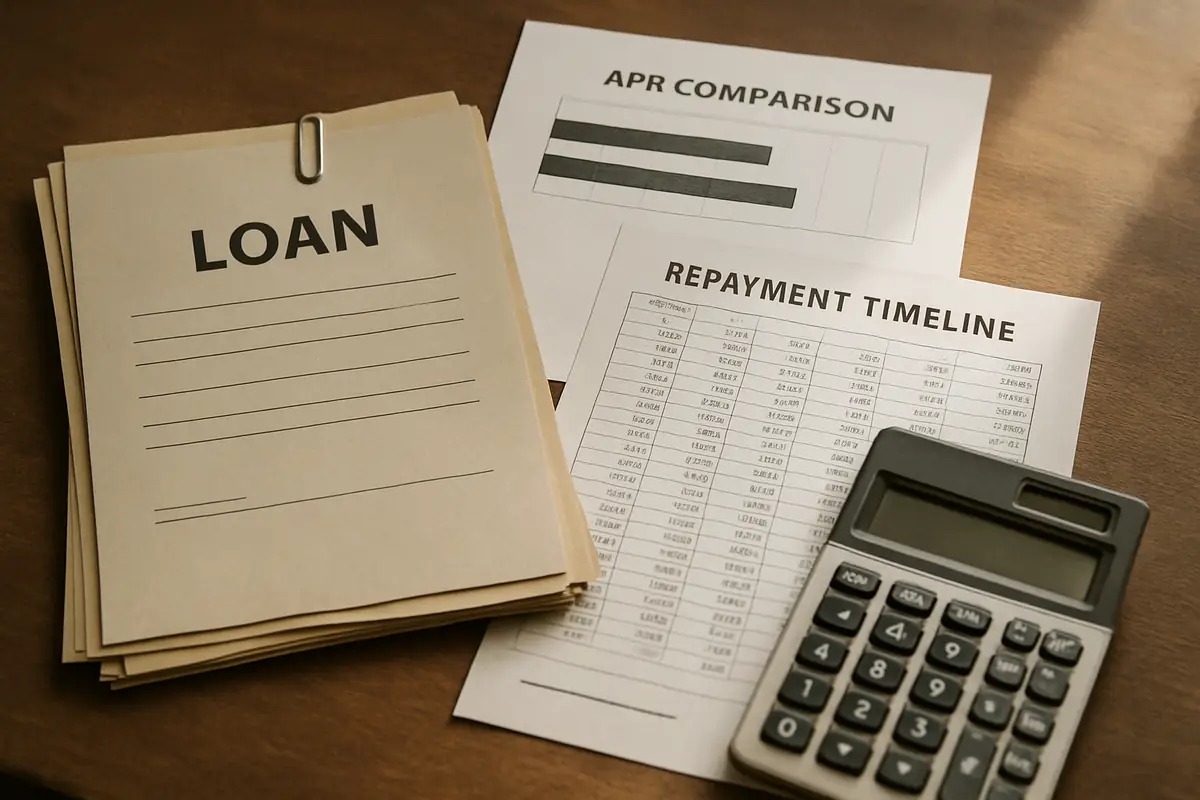
Borrowers should always compare total loan costs, not just speed of funding. A fast-approval loan with a high APR and short term might seem convenient but can result in monthly payments that consume 30% or more of discretionary income. In contrast, a slower process often yields lower APRs, longer repayment periods, and fewer hidden fees, making it easier to manage debt over time. Always calculate the total repayment amount—the sum of all payments including interest and fees—before signing any agreement.
Pay close attention to the APR, ensuring it includes all mandatory fees. Carefully review the term length; a shorter term is only beneficial if you can comfortably afford the higher payments. Examine penalty clauses for late payments or early payoff restrictions, as these can add significant costs if your circumstances change.
APR Importance
Always request the Annual Percentage Rate (APR) including all fees to compare offers on an equal basis.
Term Length Effects
Longer terms lower monthly payments but increase total interest; balance affordability and total cost.
Fee Structures
Watch for hidden fees, such as origination or processing charges, that raise your principal immediately.
Real Borrower Scenarios: Risks Beyond Approval Speed
Scenario: Rapid Approval Creates Payment Crunch For Mia
Mia needed $4,000 urgently for car repairs. She accepted a fast online loan approved in minutes with a 10-month term at 17% APR plus a $150 processing fee. Her monthly payment was $430—nearly half her discretionary income. Missing a single payment would incur a $35 late fee, and she faced ongoing stress from the aggressive schedule, risking further penalties and credit score damage.
Scenario: Slower Approval Relieves Pressure For Jamal
Jamal applied for $4,000 but chose a lender with a three-day approval process, offering an 18-month term at 11% APR and no upfront fees. His monthly payment was about $245, fitting comfortably within his budget. The longer term and lower APR reduced his risk of late payments and allowed him to maintain emergency savings.
Advantages of Prioritizing Loan Terms Over Speed
- Lower total borrowing cost through reduced APR and minimal fees.
- More manageable monthly payments—often $100 to $300 less per month.
- Reduced risk of late payment penalties and credit score harm.
- Clear understanding of contract obligations for better decision-making.
Downsides of Waiting Longer For Approval
- Delay in receiving funds, which may be problematic in emergencies.
- Potential inconvenience from additional verification steps.
- Risk that financial needs may change during the approval wait.
True Cost Outweighs Instant Access: What Borrowers Should Know
While rapid loan approvals feel convenient, they often obscure the true cost of borrowing. The total expense includes not only the APR and fees but also the repayment schedule, collateral requirements, and penalties for late or early payments. For example, a $5,000 loan at 24% APR over 12 months would require monthly payments of about $470, resulting in over $600 in interest alone. In comparison, a 36-month loan at 10% APR would have monthly payments around $160, with total interest under $900—demonstrating how term length and rate combine to affect your finances.
Prudent borrowers take the time to analyze all terms, even if it means waiting several days for approval. This approach minimizes the risk of costly surprises and ensures the loan supports long-term financial stability rather than creating additional burdens.
Interest Rates: How They Shape Loan Terms and Repayment
Interest rate is a fundamental component of loan terms, directly determining how much you repay over time. Even a 2% difference in APR on a $10,000 loan can mean paying $300 to $600 more in interest over three years. Personal loan rates typically range from 6% for those with excellent credit to over 30% for riskier borrowers. When borrowers focus on instant approval, they may overlook how a slightly higher rate can result in hundreds or thousands of extra dollars paid over the loan’s life.
Interest rates are often linked to term length, borrower credit score, and lender policies. Shorter loan terms generally have higher monthly payments but lower total interest, while longer terms reduce monthly costs but increase total interest paid. For example, a $7,500 loan at 9% APR over 3 years results in a monthly payment of about $240 and total interest of approximately $800. The same loan at 15% APR would cost about $260 per month, with total interest over $1,600—a $800 difference for a 6% rate increase.
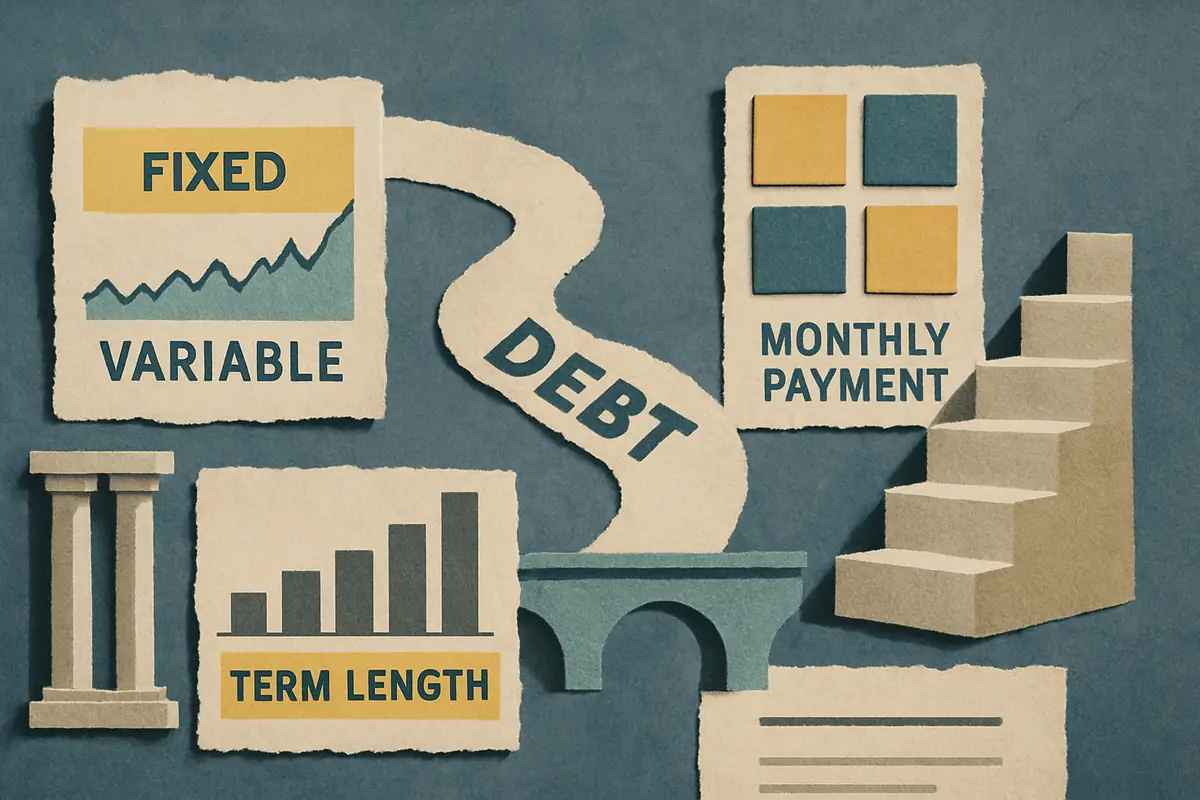
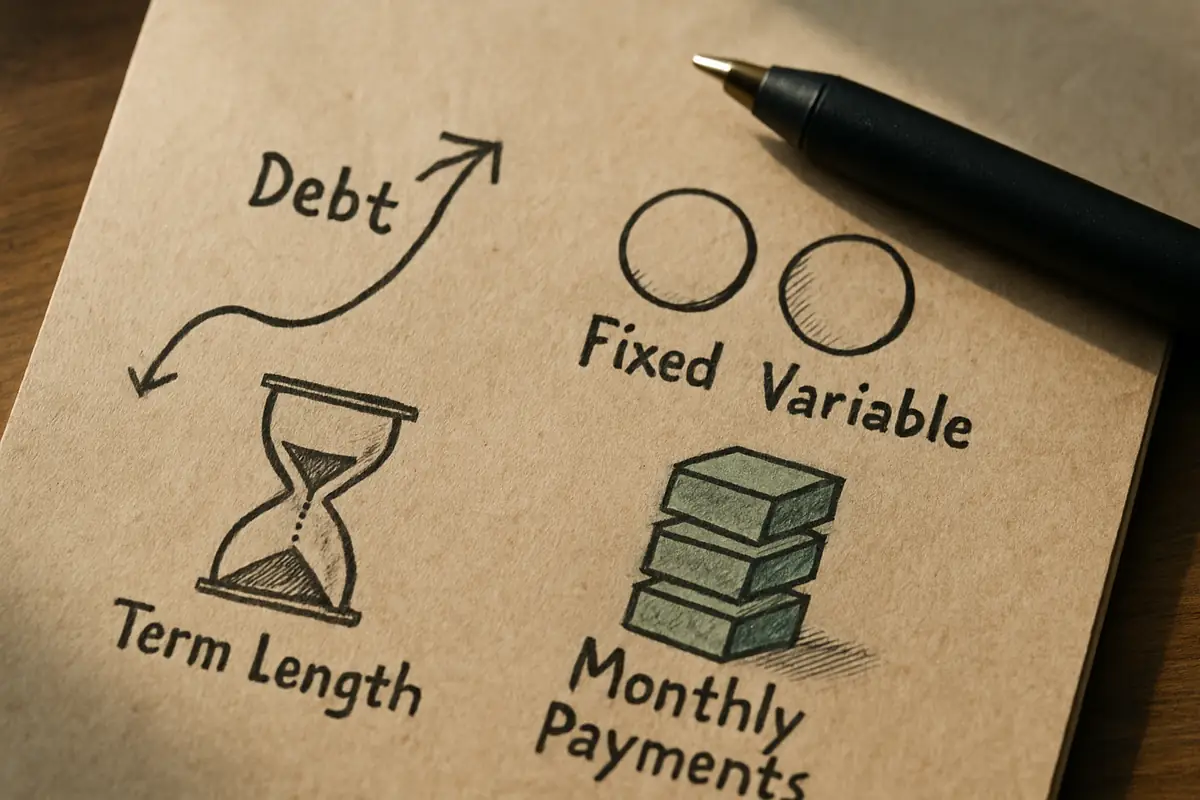
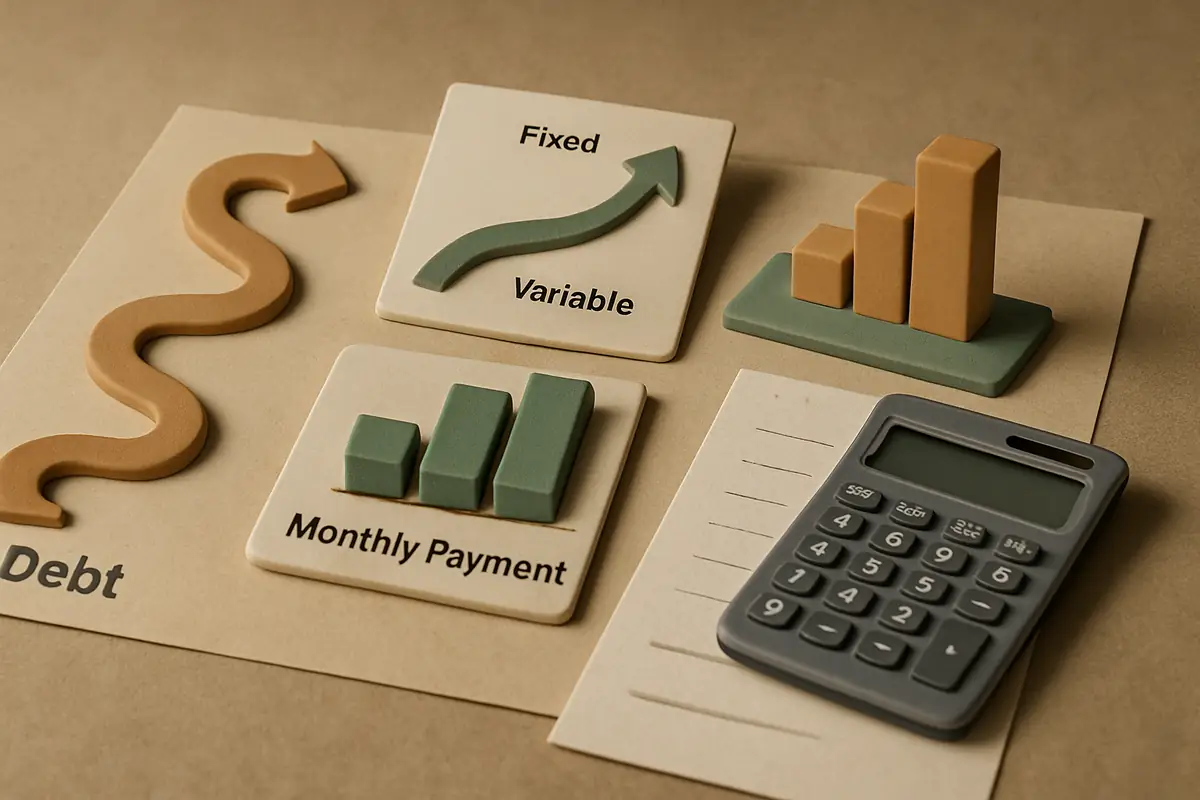
Borrowers should also understand the difference between fixed and variable interest rates. Fixed rates remain the same throughout the loan, providing predictable payments, while variable rates can change based on market conditions, potentially increasing your monthly payment unexpectedly. Fast-approval loans sometimes favor variable rates, which may start low but rise significantly, adding to overall costs.
Repayment Flexibility: A Key Feature in Loan Terms
Repayment flexibility can be a lifesaver for borrowers facing unexpected changes in income or expenses. Some loans allow early repayment without penalty, payment deferrals during hardship, or adjustable payment amounts. These features are often found in loans with slower approval times, where lenders take the time to assess borrower needs and risk. Fast-approval loans, on the other hand, may lack such accommodations, locking borrowers into rigid repayment schedules.
Consider a borrower who loses their job after taking a $3,000 fast-approval loan with a strict 12-month term and no grace period. Missing a payment could trigger a $30 late fee and damage their credit score, with little recourse for adjusting the schedule. By contrast, a loan with built-in flexibility—such as skip-a-payment options or the ability to refinance without penalty—can provide critical breathing room during tough times. Always review the contract for these provisions before committing.
Fees and Penalties: The Hidden Drivers of Loan Cost
Loan terms include more than just interest rates and repayment schedules; fees and penalties can substantially increase the total cost. Origination fees (1%–8% of the loan amount), late payment charges ($25–$50 per occurrence), and prepayment penalties (1%–5% of the remaining balance) are common. Some fast-approval loans may also require credit insurance or administrative fees, which can add $10–$30 monthly to your bill. These costs are often buried in fine print and overlooked by borrowers eager for quick cash.
Worked Example: Suppose you borrow $5,000 at a 20% APR for 12 months with a 3% origination fee. The origination fee is $150, so you receive $4,850. Your monthly payment is about $463. Over 12 months, you pay $5,556 in total payments, meaning $556 in interest plus the $150 fee, for a total cost of $706. If you miss two payments, with a $35 late fee each, your total cost rises to $776—demonstrating how fees and penalties can quickly add up beyond the advertised rate.
Carefully reviewing all fee disclosures and asking lenders for a complete breakdown can help you avoid unpleasant surprises and choose the most affordable option.
Loan Terms and Credit Health: The Long-Term Impact
How you manage loan repayment directly affects your credit score. Payment history accounts for about 35% of credit scoring models, and even one missed payment can reduce your score by 50 to 100 points. Loan terms that are too aggressive—such as high monthly payments or inflexible schedules—raise the risk of late payments, resulting in penalty fees and negative credit reporting. Longer loan terms increase exposure to life events that could disrupt your ability to pay, while shorter terms may be unaffordable without stable income.
Choosing a loan with manageable payments and flexible terms supports positive credit behavior, making it easier to qualify for better rates in the future. Fast-approval loans rarely provide counseling or education about these long-term effects, so it’s up to borrowers to weigh how each loan will impact their overall financial health and future borrowing options.
Comprehensive Loan Evaluation Yields Better Outcomes
Prioritizing a thorough review of all loan terms—interest rates, fees, repayment schedules, penalties, and flexibility—leads to smarter borrowing decisions. While waiting an extra few days for approval might seem inconvenient, it often results in lower costs, less financial stress, and better alignment with your long-term goals.
Interest Rates Within Loan Terms: A Deeper Look
Interest rates are central to the cost structure of any loan. A difference of just 3% in APR on a $10,000 loan over five years can result in paying $800 to $1,200 more in interest. The way interest is calculated—daily, monthly, or annually—also affects the true cost. For example, compounding interest monthly increases the effective rate compared to simple interest. Some loans feature introductory rates that rise after six or twelve months, so it’s essential to know whether your rate is fixed or variable and how it will change over time.
Lenders sometimes offer promotional rates for the first year, such as 0% or 5%, before increasing to 15% or more. If you’re not prepared for this adjustment, your payment could jump by $50–$100 per month. Always review the full amortization schedule, which outlines each payment’s breakdown between principal and interest, to anticipate how your obligations will change over the loan’s term.
Repayment Schedules: Planning for Financial Stability
Repayment schedules determine how your loan fits into your monthly budget. Fixed payment loans provide consistency, with equal payments each month—ideal for budgeting. Variable payment loans, sometimes tied to your income or market rates, can fluctuate, making it harder to plan. For example, an income-driven repayment plan might start at $100 per month but rise to $250 if your income increases. Some loans allow early repayment or refinancing without penalty, while others impose fees for these actions.
Reviewing the repayment schedule and understanding its flexibility ensures you can maintain essential expenses—such as housing, food, and transportation—while meeting your debt obligations. Choose a loan structure that aligns with your income and offers options for adjustment if your situation changes.
Hidden Fees and Charges: Why Fine Print Matters
Many fast-approval loans include hidden costs that can significantly inflate your total repayment. Origination fees, administrative charges, and insurance premiums may not be clearly advertised but are disclosed in the contract. For example, a 5% origination fee on a $6,000 loan adds $300 to your debt immediately. Insurance requirements—such as credit life or property insurance—can add $15–$40 monthly, further increasing your cost.
Request a detailed list of all fees and required add-ons before accepting any loan. Comparing the expense ratio—the proportion of fees and interest to the principal—across offers helps identify the most cost-effective option, rather than relying on the advertised interest rate alone.
Loan Term Length and Your Financial Flexibility
The term length you choose shapes both your monthly obligations and your long-term debt burden. Shorter terms, such as 12 or 24 months, require higher payments but minimize total interest—often saving you $500 or more on a $5,000 loan compared to a 48-month term. Longer terms, up to 72 months, may cut your monthly payment in half but double total interest paid. Consider your current and anticipated future income, as well as other debt obligations, when selecting your loan term to avoid overcommitting or prolonging debt unnecessarily.
Choosing a term that is too long may keep you in debt for years, while an overly short term could lead to missed payments and penalties. Balancing affordability with minimizing overall cost is key to sustainable debt management.
How to Evaluate Loan Terms Beyond Approval Speed
When comparing loan offers, take these practical steps to ensure you select the best option for your situation:
- Request detailed documentation of all terms, including APR, fees, repayment schedule, penalties, and insurance requirements.
- Calculate the total repayment amount for each offer using online calculators or financial tools.
- Assess whether the monthly payment fits comfortably within your budget, allowing for emergencies.
- Ask lenders to clarify any ambiguous terms or unclear clauses before signing.
- Take time to compare multiple offers, even if it means waiting longer for approval, to secure better long-term outcomes.
Patience and diligence during the evaluation process can save you hundreds or even thousands of dollars and help you avoid unnecessary financial stress down the road.
References
- https://www.consumerfinance.gov/consumer-tools/
- https://www.consumerfinance.gov/ask-cfpb/what-is-the-difference-between-a-fixed-rate-and-adjustable-rate-mortgage-arm-loan-en-100/
- https://www.consumerfinance.gov/consumer-tools/credit-reports-and-scores/
- https://www.fdic.gov/consumer-resource-center/loans