Jenna and Marcus recently discovered that their credit card debt—totaling $15,000 across three cards with APRs (Annual Percentage Rates) ranging from 18% to 27%—is only one part of their monthly financial commitments. With household debt in the U.S. often exceeding $100,000 for families with mortgages and revolving balances, they’re considering an installment loan for debt consolidation. However, with average personal loan interest rates now commonly between 10% and 20%, and the Federal Reserve having raised benchmark rates by over 5 percentage points in the past two years, they wonder how dependable installment loans are when rates are volatile. This article explores practical household scenarios to clarify the real-world risks and costs borrowers face as rates shift.
Rising Interest Rates Increase Installment Loan Costs
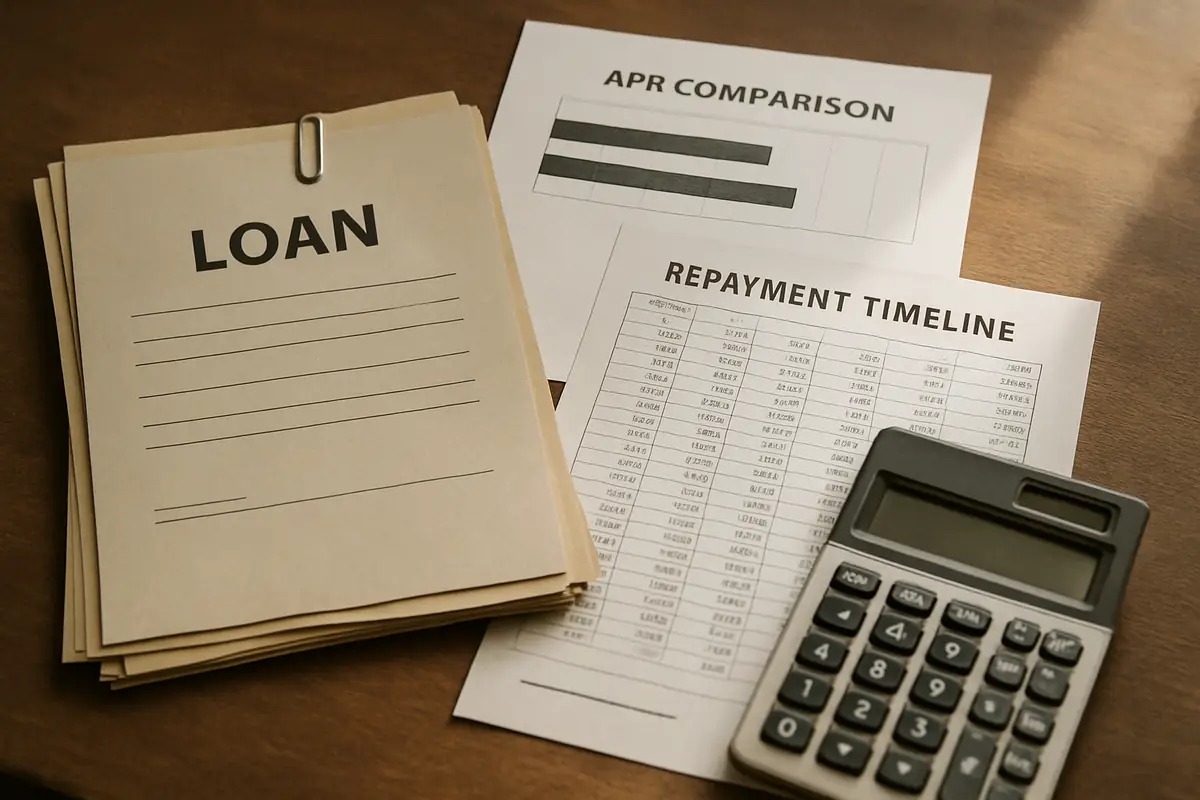
Installment loans, which require fixed monthly payments over a set term—typically two to seven years—offer predictability. The APR (Annual Percentage Rate) on these loans includes both interest and certain fees, providing a clearer picture of total borrowing costs than a simple interest rate. When rates rise, however, new installment loan offers become more expensive. For example, a borrower with strong credit might have qualified for a 7% APR loan last year, but now faces offers at 11% to 15% APR for the same term. This means refinancing existing debt or taking out new loans becomes costlier as market rates climb.
Borrowers often overlook additional costs beyond the headline APR. Origination fees (commonly 1% to 8% of the loan amount), collateral requirements for secured loans, and penalty clauses for late payments or early repayment can all increase the total cost. For instance, a $20,000 loan with a 5% origination fee adds $1,000 upfront to the borrower’s expense. These factors can complicate repayment, especially if a borrower’s income changes during the loan term.
Existing installment loans with fixed APRs remain unchanged even as market rates rise, which can be advantageous. However, if a borrower needs to refinance or take out an additional loan while rates are higher, the cost of borrowing can increase by hundreds or even thousands of dollars over the life of the loan. Depending solely on installment loans for debt management may not provide enough flexibility if market conditions worsen or personal finances become strained.
How this can look in practice
Jenna and Marcus, a dual-income couple, have $15,000 in credit card debt at an average 19% APR. They consider a 7-year (84-month) installment loan at a 12% fixed APR. The lender requires a $450 origination fee and includes a prepayment penalty for the first three years.
Their monthly payment would be approximately $265 (excluding fees). Over 84 months, they would pay about $7,260 in interest, bringing total payments to $22,260. Adding the $450 origination fee, the real cost is $22,710. In contrast, if they continued making minimum payments on their credit cards (typically 2% of the balance, or $300/month), they might pay more in interest over time, but with less predictable payoff and higher long-term costs if only minimums are paid.
However, Jenna and Marcus’s income varies throughout the year due to seasonal bonuses and freelance work. Committing to a fixed $265 monthly payment for seven years reduces their cash flow flexibility. Missing payments could trigger late fees (often $25 to $40 per occurrence) and damage their credit score, which could increase future borrowing costs.
Where readers should be careful
Warning: A fixed APR does not guarantee affordability. Upfront fees, prepayment penalties, and rigid payment schedules can increase total costs and strain household budgets if income is unstable.
While the lower APR appears beneficial, Jenna and Marcus must weigh whether the structure of an installment loan fits their variable income better than the flexibility of credit card minimum payments, despite higher rates on revolving debt.
Short-Term Installment Loans Can Carry High Fees
Tom, a single professional, needs an $8,000 installment loan for emergency home repairs. With inflation pushing rates higher, he finds one-year loans offered at 13% to 18% APR, depending on credit score and fees. Shorter-term installment loans often have higher relative fees and more restrictive terms.
Tom is concerned about the risk of not being able to pay the loan off quickly or needing to refinance at higher rates. Many short-term installment loans include origination fees (often $100 to $400 on loans under $10,000) and prepayment penalties that discourage early payoff. For example, a 15% APR one-year loan for $8,000 would require monthly payments of about $722. Over 12 months, Tom would pay $664 in interest, plus any upfront fees. If he refinances or rolls over the balance, new fees and higher rates could apply, increasing his total cost by hundreds of dollars.
Where readers should be careful
Beware: When interest rates rise quickly, lenders often increase origination fees or add prepayment penalties to short-term loans, making them more expensive than the APR alone suggests.
Tom’s situation highlights the importance of calculating the total cost of borrowing—including all fees and penalties—rather than focusing solely on the advertised APR. The rigid payment schedule of installment loans leaves little room for income fluctuations, and missing a payment can result in late fees or penalty interest rates (which can exceed 25% APR on some products).
Variable Rate Installment Loans Expose Borrowers to Payment Increases
Anna is considering a variable-rate installment loan, which ties the interest rate to a benchmark like the prime rate plus a margin (often 2% to 8%). While her initial payments seem manageable at today’s rates, she knows that if the prime rate rises by 2% over the next year—a scenario seen in several recent cycles—her payments could increase substantially.
Variable-rate installment loans combine a fixed repayment schedule with an interest rate that can change periodically, usually every 6 to 12 months. This can make monthly payments unpredictable. For example, a $10,000 loan at a starting 7% APR (prime rate plus 3%) would have monthly payments of about $198 over five years. If the rate rises to 9% after one year, the payment could increase to around $208, raising the total interest paid by several hundred dollars over the loan term.
Where readers should be careful
Variable APR installment loans can be confusing, as payment amounts may change with each interest rate adjustment. Borrowers must understand how rate resets are calculated and the maximum possible payment under the loan terms.
Anna must estimate how much her payments could rise if rates increase, and whether her income can absorb higher monthly obligations. Failure to plan for rate hikes could lead to payment stress or even loan default, which can trigger additional fees and severely impact credit scores.
Essential Factors to Compare When Choosing Installment Loans
Across these scenarios, several key factors should guide borrowers’ choices, especially as rates fluctuate:
- APR (Annual Percentage Rate): The total yearly cost of borrowing, including interest and certain fees, expressed as a percentage. Compare APRs across lenders and loan types.
- Origination Fees: Upfront charges, often 1% to 8% of the loan amount, which can add hundreds or thousands of dollars to total costs.
- Prepayment Penalties: Fees for paying off a loan early, which can offset potential interest savings.
- Term Length: Shorter terms (e.g., 2 to 3 years) mean higher monthly payments but less total interest, while longer terms (up to 7 years) lower payments but increase total interest paid.
- Income Stability: Fixed payment schedules require steady income; variable or seasonal earners may face challenges.
- Loan Type: Fixed-rate loans offer predictable payments; variable-rate loans can shift with market conditions.
- Total Cost: Always calculate the total amount repaid over the life of the loan, including all fees and interest.
- Credit Score Impact: Applying for multiple loans can reduce your credit score by a few points each time; missed payments have a much larger negative effect.
- Collateral Requirements: Secured loans (like auto or home equity loans) may offer lower rates but put assets at risk.
- Flexibility: Some lenders allow payment deferrals or hardship programs, but these may come with additional fees or interest.
How Rate Fluctuations Affect Installment Loan Borrowing
When market interest rates are volatile—moving up or down by 1% to 3% in a year—installment loan borrowers must consider how these changes affect both existing and future borrowing. Installment loans typically have fixed monthly payments, which helps with budgeting. However, the initial rate you secure directly impacts the total interest paid. Locking in a lower fixed rate before a period of rate hikes can save thousands over a multi-year loan, while waiting could mean higher costs.
For example, if a borrower secures a five-year $20,000 installment loan at a 6% fixed APR, their monthly payment is about $387, and total interest paid over the term is $3,220. If rates rise to 8% before they borrow, the same loan would require payments of $406 per month, with $4,360 in total interest—a difference of $1,140 over five years. This illustrates how timing affects borrowing costs.
Lenders may respond to rising rates by tightening approval standards, increasing required minimum credit scores (for example, from 660 to 700), or shortening maximum loan terms. Borrowers with fair or poor credit—scores below 670—may find fewer affordable options and higher fees, sometimes 10% to 15% of the loan amount. Lenders may also shorten loan terms from seven years to five, raising monthly payments by $50 to $100 for a typical $10,000 loan.
Borrowers relying on variable-rate installment loans or frequent refinancing face greater exposure to rate increases. Each new loan or refinance at higher rates compounds the total cost, especially if multiple loans are needed within a short period.
Balancing Risks and Benefits: The Role of Installment Loans in a Household Budget
Installment loans provide structure and discipline through fixed payments and a clear payoff schedule. For borrowers consolidating high-interest debt—such as credit cards with APRs of 18% to 30%—an installment loan at 10% to 15% APR can reduce total interest paid. However, during periods of rising rates, locking into a long-term fixed payment may be risky for households with uncertain income or fluctuating expenses.
Choosing a shorter loan term—such as three years instead of seven—raises monthly payments but reduces total interest paid and limits exposure to future rate increases. For example, a $10,000 loan at 11% APR over three years results in monthly payments of $327 and total interest of about $1,770. Over seven years, the payment drops to $170, but total interest rises to $4,280. Some lenders offer prepayment privileges, allowing borrowers to pay off loans early without penalty, which can save interest if finances improve.
Borrowers should also review their overall financial situation. If part of their debt is on variable-rate products like credit cards or home equity lines of credit (HELOCs), converting some of that debt to a fixed-rate installment loan can stabilize payments. However, all fees and potential refinancing costs must be considered to ensure the move results in net savings.
Maintaining an emergency fund—typically three to six months of expenses—alongside any installment loan is critical. Fixed payments offer consistency, but unexpected events like job loss or medical emergencies can quickly strain budgets. A cash buffer allows borrowers to avoid missed payments, which can incur late fees and damage credit scores.
Practical Tips for Borrowers in a Rising Rate Environment
Installment loans can be valuable for managing debt and major expenses, especially when rates are stable or rising. However, borrowers should:
- Compare APRs, fees, and penalties from at least three lenders before committing.
- Calculate the total repayment amount, not just the monthly payment.
- Choose the shortest term that fits your budget to minimize interest paid.
- Ask about prepayment options to allow early payoff if finances improve.
- Maintain an emergency fund to cover at least three months of payments.
- Monitor credit scores, as higher scores can qualify you for lower rates.
In summary, installment loans offer predictable payments and can reduce interest costs compared to high-rate revolving debt. However, the structure, fees, and timing of these loans matter even more during periods of rising interest rates. By carefully evaluating all costs and aligning loan terms with personal financial stability, borrowers can use installment loans as a tool—not a trap—amid shifting economic conditions.
How Rate Changes Influence Installment Loan Decisions
Interest rate movements—whether increases of 0.5% or more in a single quarter, or gradual declines over a year—can significantly alter the landscape for installment loan borrowers. Fixed-rate loans lock in today’s rates, providing stability, while variable-rate and hybrid loans expose borrowers to future changes. Understanding the mechanics of these products is key to making smart borrowing decisions.
Unlike revolving credit, where rates can change monthly, installment loans typically have fixed payment schedules. However, the rate environment at the time of borrowing determines your total cost. If you lock in a fixed-rate loan before a period of rate increases, you could save hundreds or thousands over the loan term. Conversely, if rates drop after you borrow, refinancing may be possible, but comes with new fees and approval requirements.
Lenders adjust risk pricing as rates move. In rising rate environments, they may increase origination fees, shorten loan terms, or require higher credit scores. For example, a lender might raise the minimum credit score for a personal loan from 660 to 700, or increase the origination fee from 3% to 5% as rates climb. These changes can make borrowing more expensive, especially for those with marginal credit or limited savings.
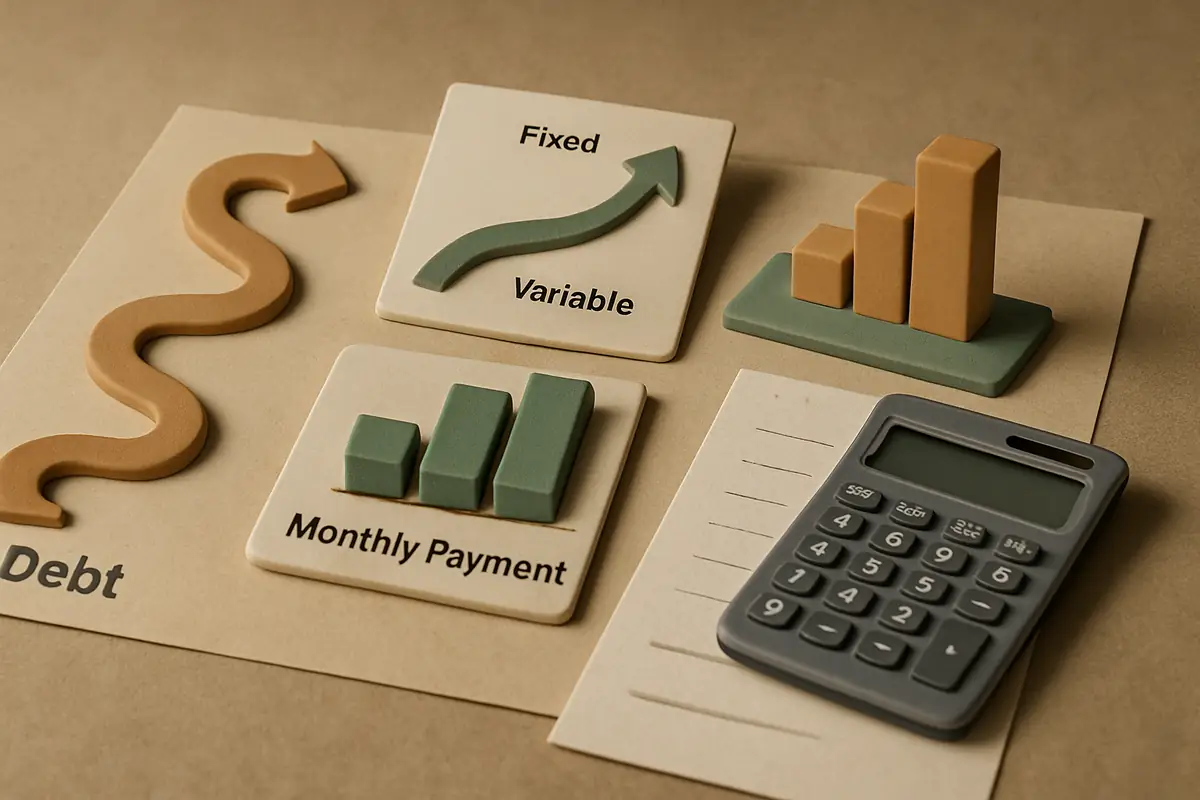
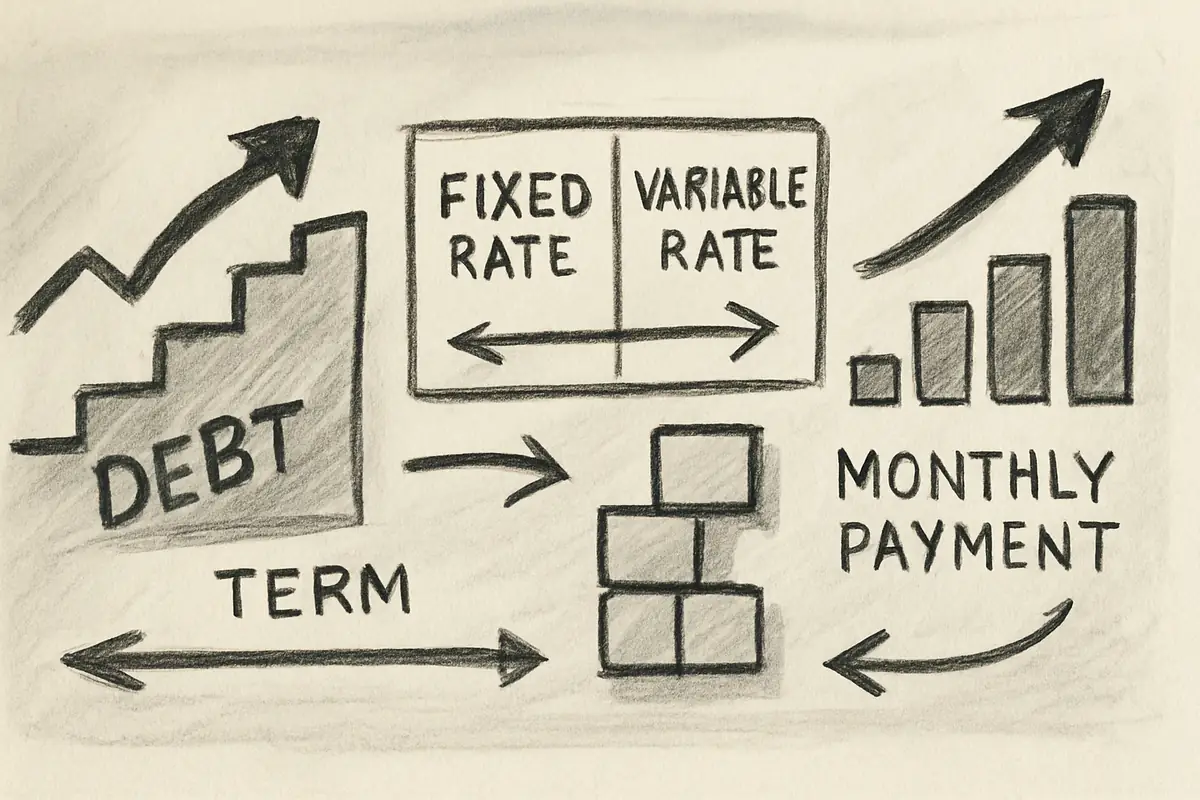
The type of installment loan also matters. Fixed-rate loans provide certainty, but lack flexibility if rates decline. Variable-rate loans may offer lower initial payments, but risk payment increases if rates rise. Some hybrid loans start with a fixed rate for a few years before switching to a variable rate, balancing initial stability with future risk.
Borrowers planning to take out multiple loans in the near future should consider the compounding effect of rising rates. For instance, taking out a $5,000 fixed-rate loan at 8% today, and needing another $5,000 loan in six months when rates are at 10%, increases the total interest paid across both loans by several hundred dollars compared to consolidating at today’s lower rate.
For large purchases, such as auto loans or home equity installment loans, the timing of rate changes can mean a difference of $20 to $40 per month in payments for a $15,000 loan over five years. This can add up to $1,200 to $2,400 in additional interest over the loan’s life.
Rising rates can also lead to greater financial stress. Many borrowers become more cautious, reducing discretionary spending and focusing on essential payments. This shift can help prevent overextension but may also slow progress on debt repayment if budgets become too tight.
Finally, consumer protection regulations—such as mandatory disclosures of variable rate risks or caps on maximum allowable interest—play an important role in safeguarding borrowers during volatile periods. Being aware of these protections, and reading all loan documents carefully, helps ensure that borrowers avoid agreements with unfavorable terms that could worsen financial stress in an uncertain rate environment.