The most expensive borrowing decisions are often made not through recklessness, but through routine choices: accepting the first offer from a familiar bank, trusting a low introductory rate without reviewing the fine print, or assuming that a lower monthly payment always means a cheaper loan. In practice, many borrowers later discover that the seemingly convenient option was loaded with hidden costs, leading to a total repayment that can be thousands of dollars higher than expected.
Properly comparing loan offers means understanding how lenders distribute costs across multiple dimensions. Some expenses, like origination fees or insurance premiums, are immediate and visible. Others, such as prepayment penalties or variable interest rates, may only become apparent years into the repayment schedule. These less obvious elements can quietly inflate the true cost of borrowing.
The First Approved Loan Rarely Offers the Best Value
A significant proportion of borrowers—studies suggest over 40%—stop searching after receiving their first loan approval. The sense of relief that comes with approval often creates a psychological urge to finalize the process quickly, without further comparison.
While this reaction is understandable, it can be financially damaging. Two loans with similar monthly payments—for example, both $400 per month—can have total costs that differ by $2,000 or more, depending on factors like origination fees (which can range from 1% to 5% of the loan amount), mandatory insurance, or early repayment penalties.
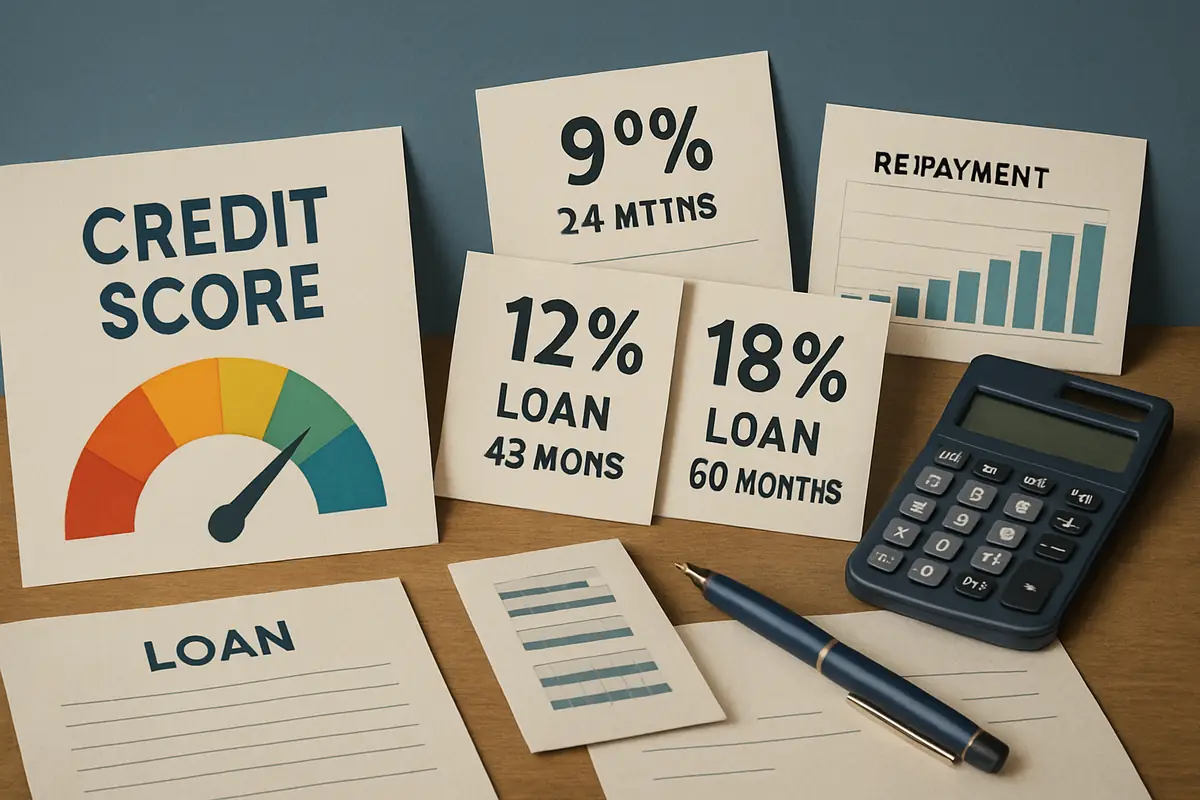
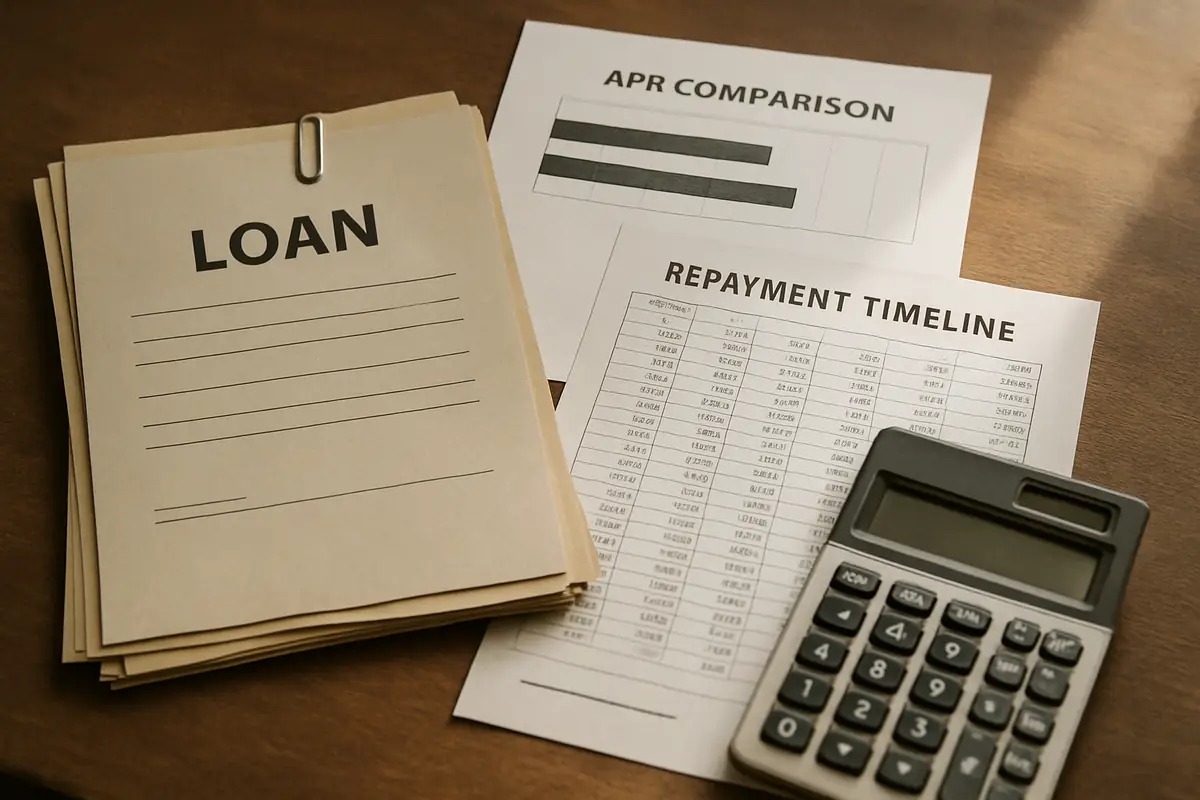
Comparing at least three offers is a practical way to improve loan terms. Even a 0.5% difference in the annual percentage rate (APR)—which represents the yearly cost of borrowing including fees—can translate to hundreds or thousands of dollars over the life of a typical loan.
Taking the time to evaluate multiple offers can reveal significant differences in total repayment, even when the monthly payments appear nearly identical.
Interest Rate Alone Does Not Reveal the True Cost
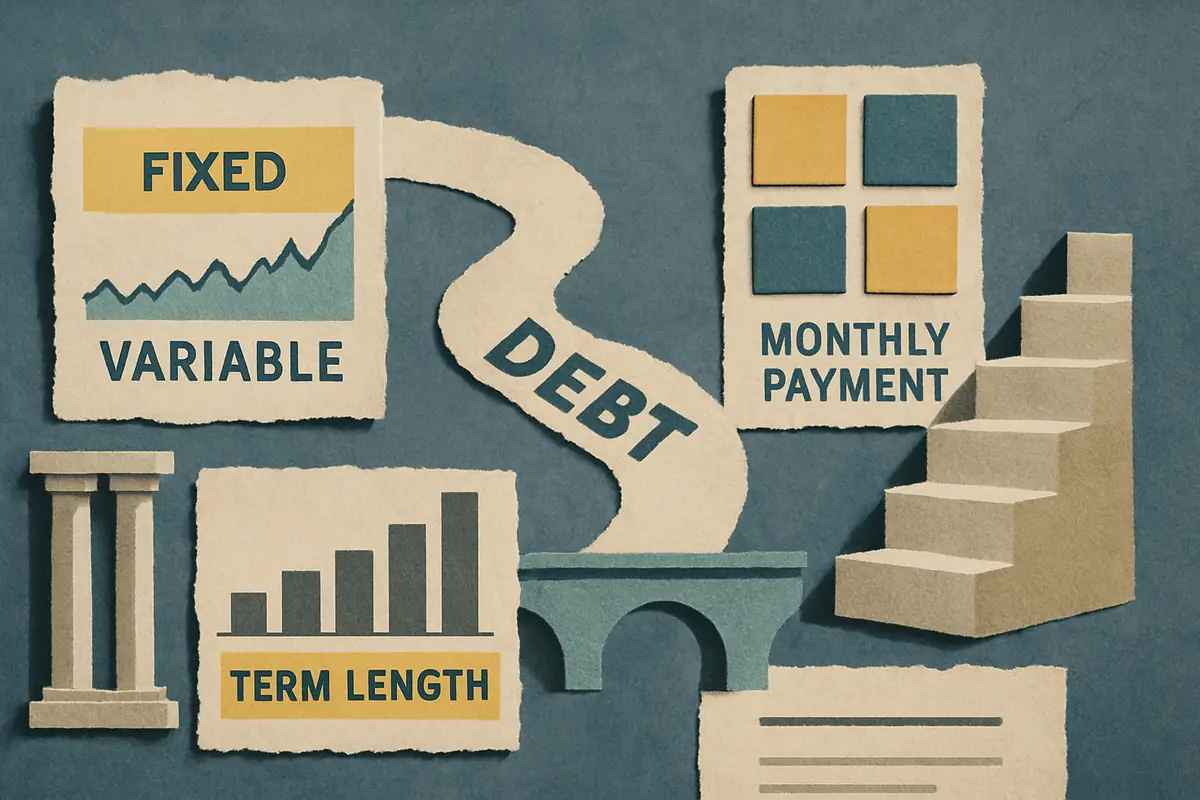
Many borrowers focus exclusively on the nominal interest rate, which is the base percentage charged on the loan amount. For example, a car loan might advertise a nominal rate of 6%. However, this figure does not account for additional costs. The annual percentage rate (APR) provides a more accurate measure, as it incorporates all mandatory fees, such as origination charges, administrative commissions, insurance premiums, and account maintenance costs.
- Origination fees: Often 1%–5% of the loan amount
- Administrative commissions: $50–$200 per year is common
- Mandatory insurance: Can add 0.2%–1% to APR
- Linked account costs: $5–$20 per month
- Periodic management expenses: $25–$100 annually
A loan with a nominal rate of 5% but high fees might have an APR of 7%, making it more expensive than a 6% nominal rate loan with minimal fees. For example, on a $10,000 loan over five years, a 2% difference in APR can increase total interest and fees by over $500.
Experienced borrowers always compare the full APR, not just the headline rate, to gauge the real annual cost of financing.
Monthly Payments Can Conceal Higher Lifetime Costs
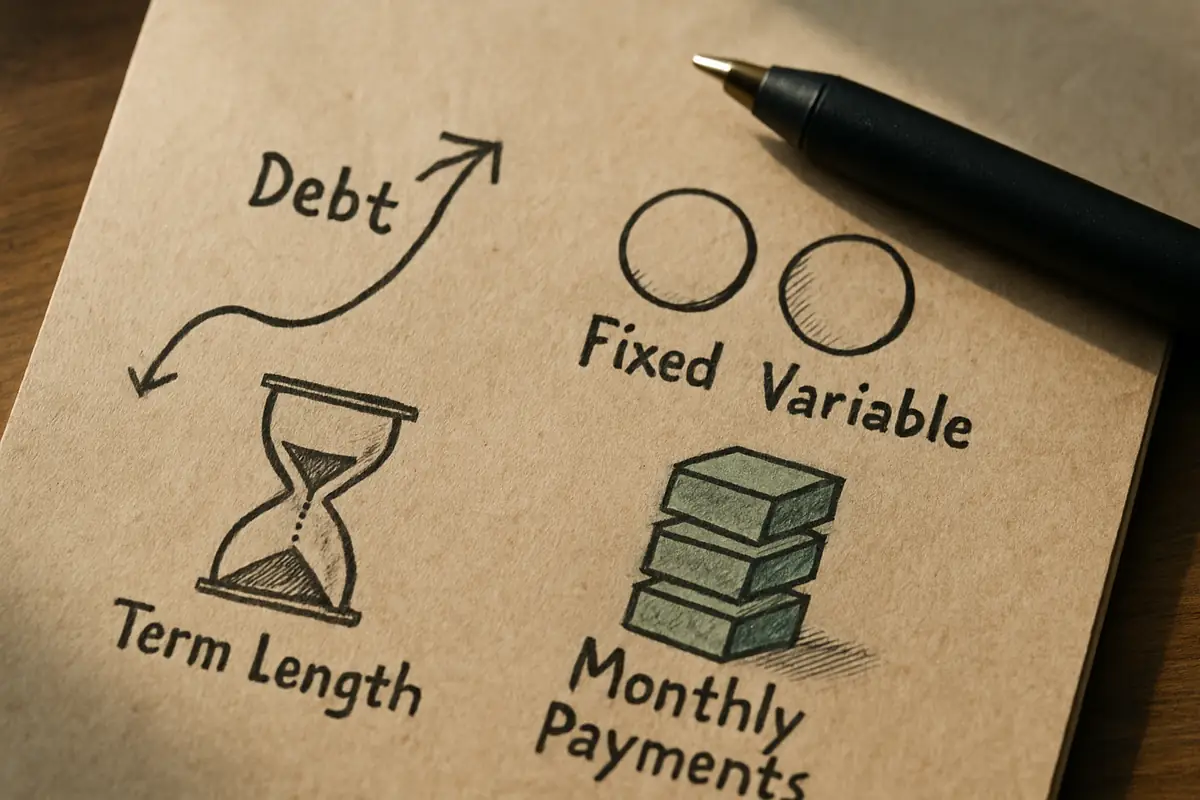
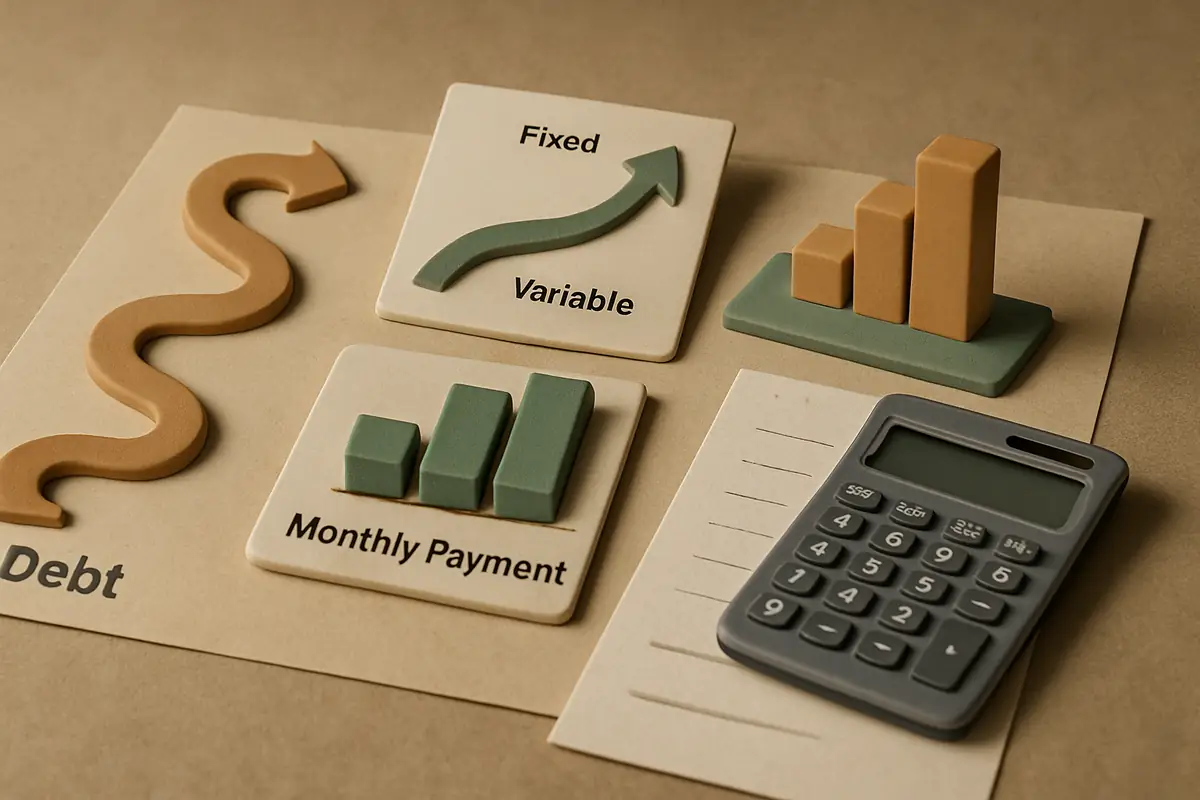
A lower monthly installment—say, $250 instead of $400—can make a loan feel more affordable in the short term. However, this usually means a longer repayment period, which increases the total interest paid. For example, extending a $15,000 loan from 3 years to 6 years might reduce the monthly payment by nearly half, but the total interest paid could more than double.
This is a common pitfall: prioritizing immediate comfort over long-term savings. A borrower who chooses a 72-month term instead of 36 months may pay thousands more in interest, even if the principal is identical.
Below is a worked example illustrating how loan term affects total cost:
Shorter Term
- Loan: $10,000
- Term: 3 years (36 months)
- APR: 7%
- Monthly Payment: ~$308
- Total Interest Paid: ~$1,088
- Total Repayment: ~$11,088
Longer Term
- Loan: $10,000
- Term: 6 years (72 months)
- APR: 7%
- Monthly Payment: ~$171
- Total Interest Paid: ~$2,331
- Total Repayment: ~$12,331
While the longer term nearly halves the monthly payment, it increases total interest by over $1,200. The optimal term is typically the shortest period that fits your genuine repayment ability without causing financial strain.
Borrowing More Than Needed Quietly Increases Financial Pressure
Some borrowers accept a higher loan amount simply because they qualify for it. For example, a lender may offer $25,000 when only $20,000 is needed, suggesting the extra $5,000 "for flexibility." However, every additional dollar borrowed accrues interest. On a 5-year loan at 8% APR, that extra $5,000 could add more than $1,000 in additional interest by the end of the term.
Borrowing more than necessary often leads to higher monthly payments, greater total interest, and increased pressure on future budgets. This is especially risky if the excess funds are used for non-essential consumption rather than targeted needs.
The Loan Contract Defines the Real Terms, Not the Advertisement
Advertisements highlight attractive features, but the contract defines the actual obligations. Many borrowers read promotional summaries carefully but skim the full contract, missing costly clauses that can affect the loan years later.
- Early repayment penalties: Can range from 1%–3% of the remaining balance
- Default interest rates: Often 2%–8% above the standard rate
- Insurance permanence: May require coverage throughout the loan term, adding $200–$500 annually
- Variable rates after introductory periods: Rates may increase by 1%–4% after the first year
- Late payment fees: $25–$50 per missed payment is common
These clauses can substantially change the total cost, even if they are not mentioned in initial discussions. Reading the full contract is essential financial self-defense.
Linked Products Can Significantly Raise the Real Cost
A loan may look affordable until required linked products are considered. Many lenders require borrowers to take out life insurance, open a new checking account, activate a credit card, or maintain certain products for a minimum of one to three years.
- Life insurance: $10–$50 per month, depending on age and coverage
- Salary account: May require monthly deposits or incur $5–$15 monthly fees
- Credit card: Annual fees of $30–$100 are typical
- Minimum retention: Early closure may trigger penalties of $100–$300
Individually, these costs may seem minor, but together they can add $500–$2,000 to the total cost of a loan over several years. It is crucial to calculate the full cost of all linked obligations before signing.
Capacity Analysis Is More Important Than Simple Approval
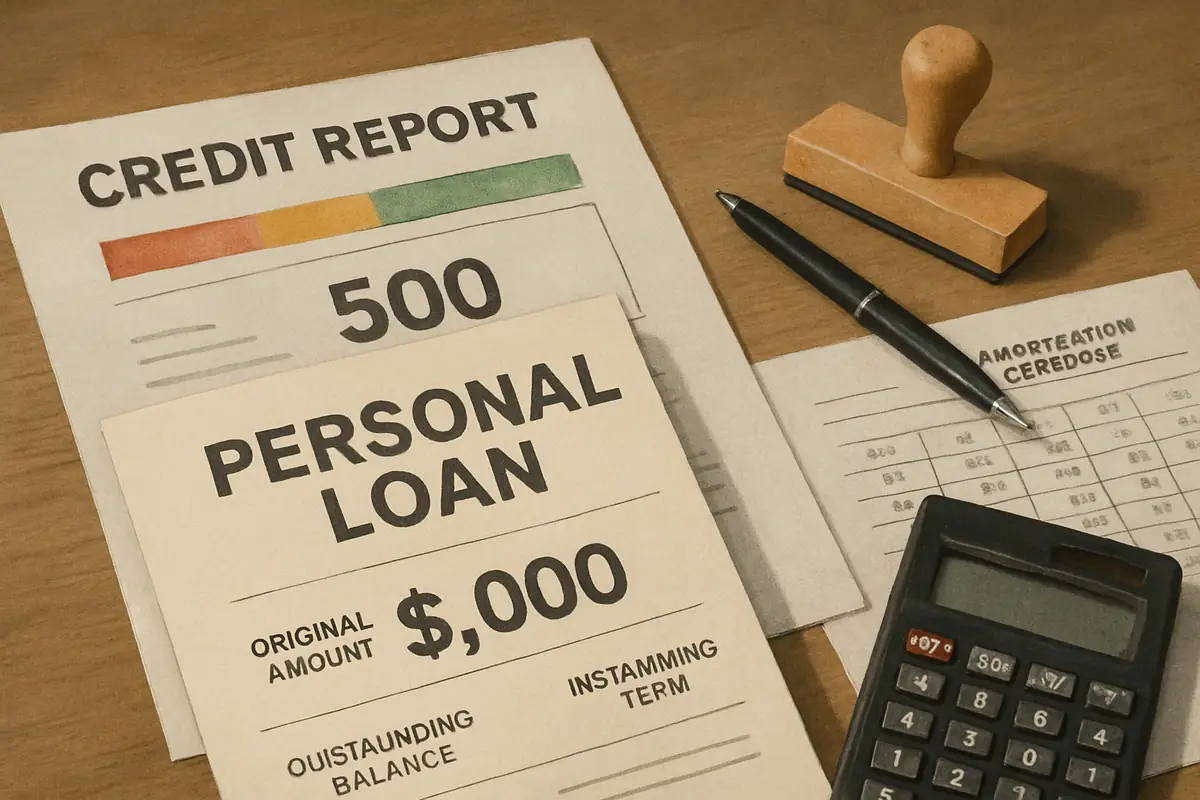
Lender approval means the institution is willing to accept the risk, but it does not guarantee the loan is affordable for the borrower. True affordability is measured by internal capacity—how comfortably the monthly payment fits within your budget, even if your financial situation changes.
A widely used guideline is to keep total monthly debt payments below 30%–35% of net monthly income. For example, someone earning $3,000 per month should aim to keep all loan payments under $1,000. Exceeding this threshold can leave little room for emergencies or unexpected expenses, increasing the risk of financial distress.
A loan that seems manageable today but leaves no buffer for future changes can quickly become a source of stress.
Lender Reputation Affects More Than Just Numbers
Borrowers often focus on interest rates and fees, but the lender’s reputation and service quality are equally important. When problems arise—such as needing to restructure payments or clarify charges—the lender’s practices matter.
A low-rate offer from a lender with poor customer service, frequent complaints, or unclear policies can lead to frustration and unexpected costs later. Checking public reviews, regulatory status, and complaint history provides valuable context that can help avoid future difficulties.
Digital Simulators Are Most Useful When Stress-Testing Scenarios
Online loan simulators allow users to compare different repayment periods, interest rates, fee structures, and insurance options quickly. However, many borrowers use these tools to confirm a single ideal scenario, rather than testing a range of realistic outcomes.
- Test terms from 24 to 72 months
- Adjust rates from 5% to 12% APR
- Include or exclude fees and insurance
- Observe the impact of a $1,000 change in loan amount
The most effective approach is to change one variable at a time—such as increasing the interest rate by 1% or extending the term by 12 months—and observe how the total repayment changes. This stress-testing reveals hidden risks and helps borrowers make more informed choices.
Deliberate Borrowing Decisions Protect Against Hidden Costs
While fast decisions may seem efficient, the best borrowing outcomes are achieved through careful review: comparing multiple offers, recalculating total repayments, reading all conditions, and asking difficult questions before committing.
Taking extra days or even weeks to review options can prevent costly surprises that may last for years. A well-structured loan should not only address today’s needs, but also remain sustainable if circumstances change in the future.